
Dealer Onboarding and Showroom Standards: From Signed Contract to First Retailed Unit

Signing a dealer agreement is cheap. Turning a signed partner into a functioning retail point takes about ninety days of work, and most of the failures in a distribution network are onboarding failures that show up six months later as slow sell-through, poor first-service retention and a shop that quietly does not look like the brand.
Treating onboarding as a project with named milestones is the difference between a network that holds its presentation standard and one that erodes. The commercial terms are settled first, and the dealer terms and territory discussion establishes what each side owes. Everything after that is execution: facility, training, opening stock, parts, then presentation, then audit.

The Onboarding Sequence Worth Running
Order matters. Each milestone creates the conditions for the next, and starting out of sequence produces rework – training staff before units arrive means they forget it, and fitting out before agreeing layout means rebuilding.
- Commercial alignment: territory, volumes, pricing and the exclusivity and performance terms that define the relationship.
- Site assessment: catchment, road frontage, workshop capacity and storage, judged against what the territory realistically supports.
- Fit-out and signage: built from a specification, photographed and approved before opening rather than after.
- Training: technical and sales, delivered against real units, ideally in the dealer’s own workshop.
- Opening stock and parts: the first container plus a parts package sized to the model range being carried.
- Launch and audit: a defined opening period followed by a standard check, usually around day ninety.
Facility Minimums That Are Worth Insisting On
Minimums exist because retail standards are physical. A dealer can be trained repeatedly and will still lose customers in a room that is too cramped to walk through, or in a workshop too small to do a first service properly.
- Display floor: enough clear aisle space to walk around a bike and crouch beside it, with every displayed unit reachable without moving another.
- Workshop with a stand and drain: first service, PDI and warranty work must be doable on site, or the customer relationship starts with a third party.
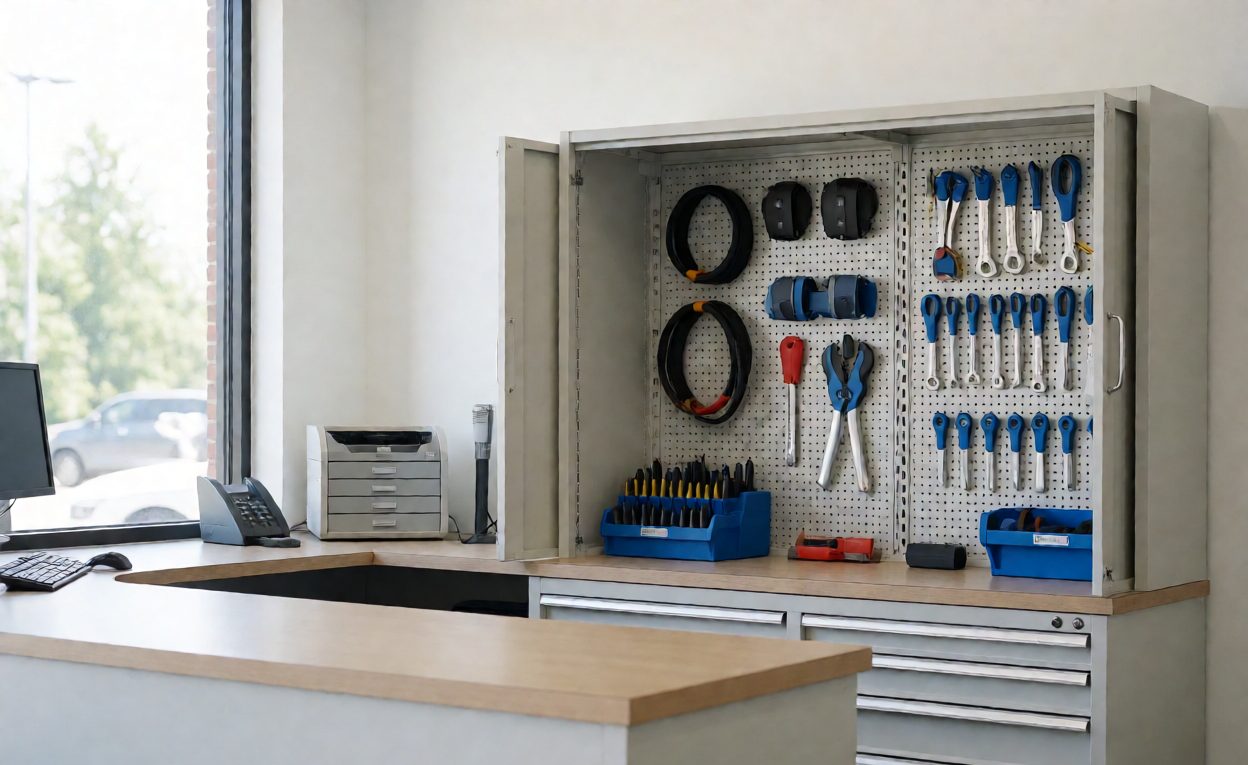
- Parts storage with bins: a stocked cabinet, not a box under the counter, because fast movers only move if they are visible and countable.
- Secure storage: for unsold units and batteries, since display units lose value to weather and theft faster than to age.
- Customer parking and access: test rides need somewhere legal to happen within sight of the shop.
None of this needs to be large. A modest retail point run to standard outsells a bigger one run carelessly, and every network has examples of both.

Training: Two Audiences, Two Programmes
Dealer staff split into technical and commercial roles, and one programme rarely serves both. Technicians need the model-specific work: torque values, valve clearance intervals, diagnostic routines, warranty definitions and the difference between a claim and a goodwill job. Sales staff need the argument: who each model is for, what it costs to run, and what the customer needs to own alongside it.
La distributor technician training programme exists because PDI quality decides first-service experience, and first-service experience decides whether the customer returns for the second. Just as important is that the technician learns the service schedule as it is written into the parts and consumables package the dealer agreed to stock – recommending an interval the shelf cannot support is worse than recommending nothing.
Showroom Presentation Standards
A showroom does two jobs that pull in different directions: it has to carry enough range to let a buyer compare, and it has to stay uncluttered enough that each model reads as an object worth wanting. Visual merchandising discipline applies with less ceremony than in fashion retail and just as much effect: sightlines, light levels, spacing and adjacency do most of the work before a salesperson speaks.
- Full range displayed: every model in the agreement visible on the floor, not three variants of the best seller.
- One hero per model: accessorized and lit, with the rest merchandised cleanly beside it.
- Consistent lighting: even enough that paint and finish are judged honestly, since customers buy color on the floor and complain about it in daylight.
- Price and spec visible: a customer who has to ask about every figure stops asking.
- Touchable stock: seats not shrink-wrapped, mirrors adjustable, and a demo unit outside on the test-ride fleet ready to ride.
Opening Stock and Reorder Rhythm
The first order is a launch, not a forecast. The decisión de mezcla de modelos should already reflect what the catchment buys, and depth should follow the plan de rotación y reposición de existencias rather than whatever fills the floor. A common onboarding error is overstocking the display and leaving nothing to reorder from – the floor looks full, sell-through stalls, and the dealer has no cash for the second container.
Holding the Standard After Ninety Days
Standards decay without inspection, and the cheapest way to inspect is a short written audit agreed at signing: presentation checklist, parts fill spot check, PDI quality on a random unit, cleanliness, and one mystery shopping visit scored against the same form. Dealers rarely object to being audited if the standard was explained when the contract was signed; they object to discovering it later.
Preguntas Frecuentes
How long does dealer onboarding take?
Roughly ninety days from signed agreement to opening: site, fit-out, training, stock, then launch and first audit.
What is the most common onboarding failure?
Overstocking the display so there is no cash left for reordering, which stalls sell-through in quarter two.
Should dealers be audited?
Yes, if the checklist was agreed at signing. A ninety-day presentation and PDI audit keeps the network consistent.
Does a dealer need a workshop?
Yes. First service and warranty work done on site are what keep the customer relationship inside the dealership.
Why train sales and technical staff separately?
They do different jobs: technicians need model-specific service procedures, sales staff need the ownership argument.
How many units should be displayed?
Every model in the agreement, with one hero unit accessorized and the rest merchandised cleanly beside it.
What belongs in the opening parts order?
The supplier’s recommended consumables package for the models carried, sized by expected service volume in month one.