
Telematics and Fleet Tracking: What to Specify Before Ordering Connected Motorcycles

Fleet buyers purchase information as much as motorcycles. Where the units are, how they are ridden, what they cost to run and when they will fail – these answers determine the economics of a delivery or service fleet, and telematics is how the answers arrive. The problem is that telematics is sold as a feature and delivered as a system, and the gap between the two is where most fleet tracking disappointments live.
A specification closes the gap. Written line by line into the tender and the purchase order, it forces suppliers and platform vendors to commit to capabilities rather than adjectives, and it gives the fleet operator an acceptance test at handover instead of a dispute afterwards.
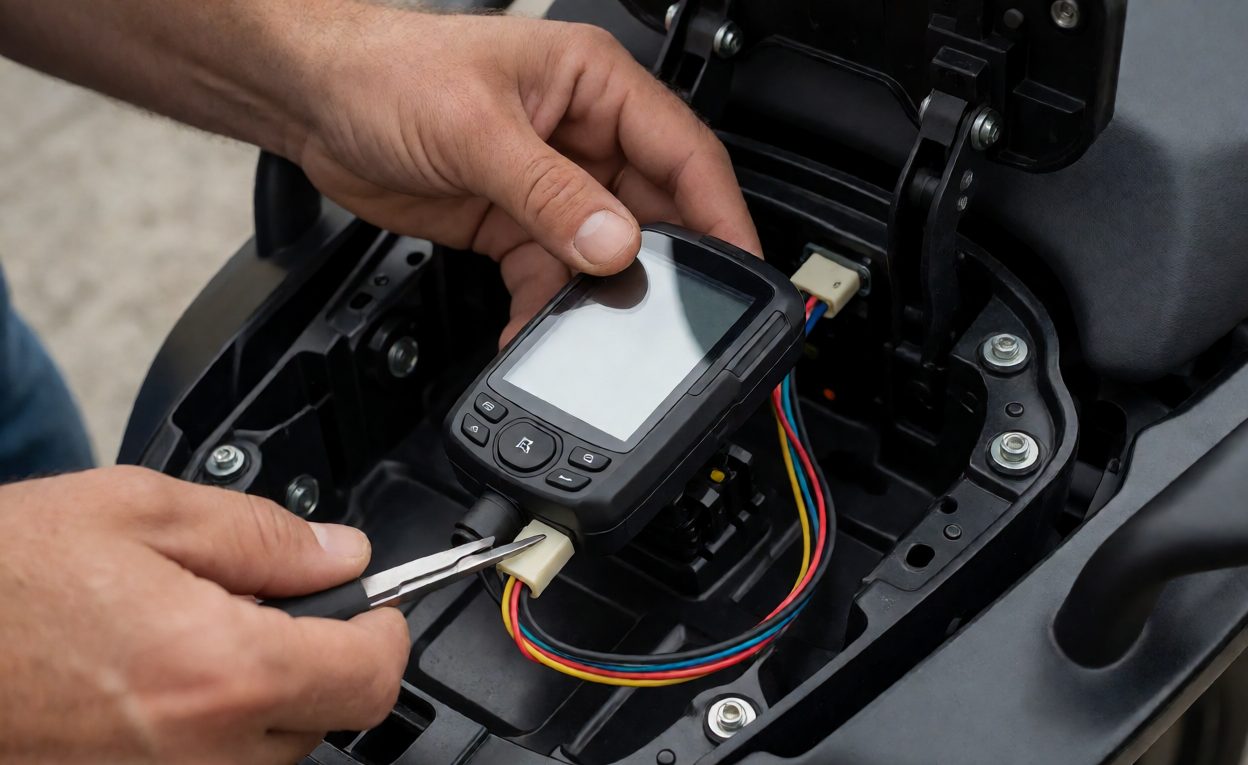
Hardware: What the Specification Must Cover
The device is the part that fails in the field, so the hardware section of the specification is the one to write most precisely.
- Positioning module: GNSS receiver with stated position accuracy and time-to-first-fix, not just “GPS”. Multi-constellation receivers hold a fix where single-system units lose it.
- Cellular connectivity: stated modem class and supported bands for the destination market, with a fallback network. A tracker that loses coverage in the operator’s own city is a decoration.
- Power and wiring: ignition-switched and constant power feeds, voltage range covering the fleet’s electrical system, and a defined behavior on main power loss.
- Environmental rating: ingress protection suited to mounting position – under-seat and behind-panel mounts face water, dust and vibration that a dashboard unit never sees.
- Interfaces: inputs for ignition and accessory states, and where the fleet needs it, an immobilizer interface with defined authorization behavior.
GPS tracking units vary widely in what they record when the network is unavailable, so the specification should state the buffer requirement explicitly: how many hours of positions the device stores offline and forwards when coverage returns. Fleets operating at the edge of coverage discover this requirement the expensive way.
Connectivity Reality in the Destination Market
Tracking performance is bounded by the worst network along the route, not the average one. The specification should require a coverage test on the actual operating area before rollout – a two-week pilot on a representative route does more than any datasheet. Telematics as a discipline assumes connectivity; motorcycle fleets operating in dense cities, rural routes or mixed terrain cannot, and the pilot is what converts the assumption into a verified number.
Software: Dashboards, Alerts and Reports
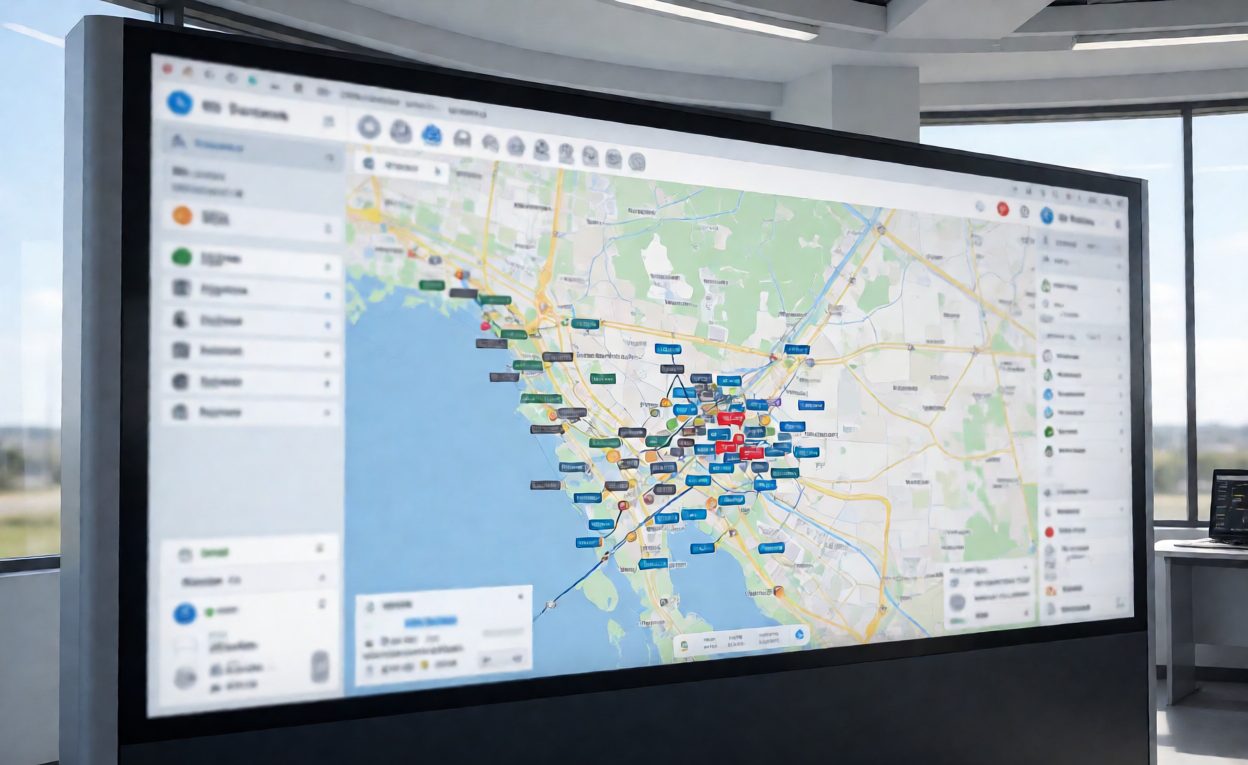
The platform is what the fleet manager actually uses, and its specification should be written in terms of jobs done, not features listed.
- Live position and history: current map view, and replay of any unit’s movement over a defined period.
- Geofencing: defined zones with entry and exit alerts, sized and named by the operator, not by the vendor.
- Alerting: overspeed, idling, power loss and maintenance-due alerts delivered to a phone or email, with per-user configuration.
- Reports: utilization, distance, driving behavior and stop time, exportable rather than trapped in the screen.
- Role access: owner, manager and technician views, because each consumes different information.
Fleet management systems live or die on report usability, and the acceptance test is simple: can the fleet manager produce yesterday’s utilization report for any unit in under two minutes without calling support?
Data Ownership, Export and Privacy
Three contractual points are routinely missed and always regretted. First, data ownership: the trip data belongs to the fleet operator, stated in the contract, so that changing platform vendors does not strand the history. Second, export: the specification should require CSV or API export of positions and reports, and a candidate vendor should demonstrate the export during evaluation. Third, privacy: where riders are identifiable, the operator needs a stated policy on location monitoring, informed consent and retention periods. In several markets this is a legal requirement rather than a courtesy, and retrofitting a policy after a rider complaint costs more than writing one before rollout.
Installation, Commissioning and Support
Hardware specified well still fails if installation is casual. The specification should define the installer standard, the wiring practice and the commissioning check per unit: position verified against a known location, ignition state reported correctly, alerts firing on test, and a photograph of the installed device filed against the vehicle record. A workshop that maintains the fleet anyway can absorb this work, and the distributor technician training programme is the natural place to certify installers alongside service technicians.
Support terms belong in the same document: SIM and platform subscription costs stated for the full contract period, response commitments for device failures, and the procedure for transferring a tracker between units as the fleet rotates.
Writing It Into the Tender and the Order
For a procurement built around a tender response, the telematics section should sit alongside the vehicle specification rather than after it, as the fleet tender and specification response guidance describes. Three structural points make it enforceable: acceptance criteria stated per line, a pilot phase before full rollout, and remedies – device replacement or subscription credit – for units that fail commissioning.

For electric fleets the specification interacts with the energy plan: charger availability, battery state reporting and range data are telematics features, and their weight in the evaluation rises with utilization. The electric fleet specification guide cubre los requisitos del lado del vehículo y la elección del modelo operativo entre intercambio y carga, establecido en battery swap versus charge – determines which telemetry fields the fleet cannot run without.
Preguntas Frecuentes
What should a telematics specification cover first?
Hardware: positioning module, cellular bands for the destination market, wiring, environmental rating and offline buffering.
Why run a connectivity pilot?
Tracking is bounded by the worst network on the route. A two-week pilot on a real route verifies coverage before full rollout.
What platform features matter most?
Live position, geofencing with alerts, and exportable reports the fleet manager can produce quickly without support.
Who owns the tracking data?
The fleet operator, stated in the contract, with CSV or API export required so history survives a platform change.
Do riders need to consent to tracking?
Where riders are identifiable, yes – a written policy on monitoring, consent and retention, which several markets require by law.
What does commissioning include?
Position verified, ignition state correct, alerts tested and the installation photographed against the vehicle record.
How does telematics differ for electric fleets?
Battery state, charging and range telemetry become core fields, weighted by the fleet’s swap-or-charge operating model.