
Планирование сезонных сервисных кампаний: руководство для дилеров мотоциклов
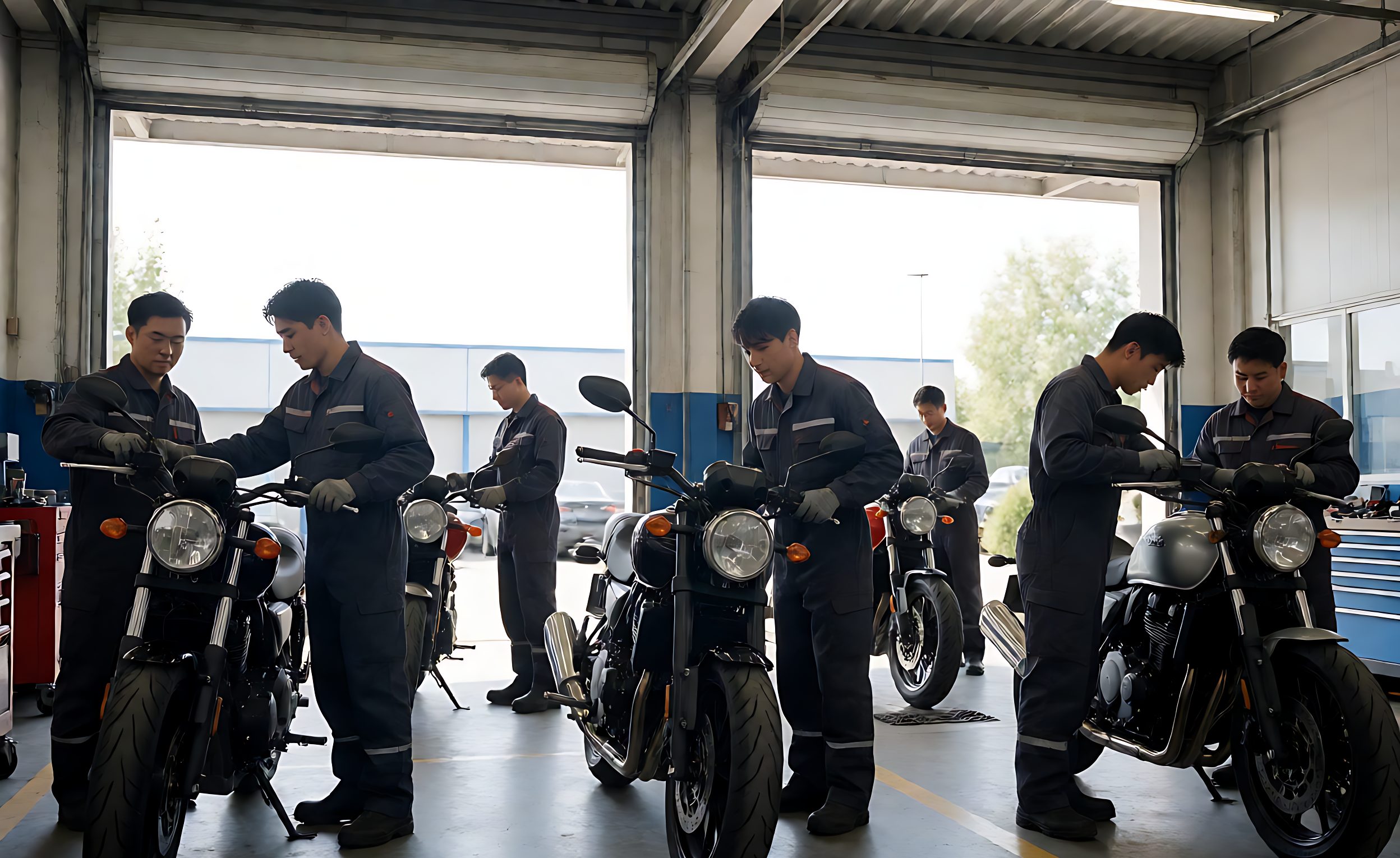
Склад, ожидающий случайных клиентов, зависит от погоды. Мотоциклы прибывают в первые недели сезона с мертвыми батареями, изношенными шинами и прогоревшим топливом, посты работают на 110% в течение месяца, а затем склад остается наполовину пустым в несезон. Сезонные сервисные кампании ломают эту схему: предварительное планирование спроса превращает кризис в лист бронирований, а простой в оплаченную работу.
Кампания также является наиболее дешевым инструментом удержания клиентов, которым владеет дилер. Владельцы, возвращающиеся дважды в год для структурированного обслуживания, обновляют закупку запчастей, рассматривают бренд при обмене и приводят соседей. Удержание клиентов Экономика в полной мере применяется в обслуживании мотоциклов, где склад обычно является единственным отделом, который посещает клиент между покупками.

Почему сезонные кампании работают
Ключевое поведение профилактическое обслуживание, и мотоциклы лучше большинства других машин подкрепляют этот тезис: они простаивают месяцами, их расходные материалы подвергаются воздействию погоды, а их типовые неисправности – батарея, шины, тормоза, топливная система – как раз те, что своевременно обнаруживаются при плановом осмотре. Пилот получает надежность; дилер получает предсказуемый спрос, а не эвакуатор.
Сезонность Разброс в использовании мотоциклов экстремален и предсказуем, что делает его планируемым. Дилер знает с точностью до нескольких недель, когда в регионе откроется сезон, и может построить год обслуживания отсроченно от этой даты – та же логика обратного календаря, которую импортеры применяют к заказам и которая описана в статье о сроках сезонных заказов , здесь примененная к рабочему времени и расходным материалам, а не к контейнерам.
Составление календаря кампаний
Четыре кампании покрывают год, и каждая имеет определенную дату запуска, чек-лист и комплект.
- Предсезонный осмотр: за три-шесть недель до открытия сезона. Тестирование нагрузки на батарею, шины, тормозные колодки и жидкость, цепь и звездочки, жидкости, фары, органы управления. Кампания по объему – назначьте привлекательную цену и обеспечьте персонал.
- Проверка безопасности в разгар сезона: в пиковый период использования. Быстрый, недорогой осмотр, который выявляет износ до того, как он приведет к поломке, и естественно открывает возможности для продаж запчастей в середине сезона.
- Обслуживание перед зимним хранением: стабилизация топлива, снятие или подзарядка батареи, защита от коррозии, повышение давления в шинах. В регионах с настоящей зимой это заполняет ноябрь и декабрь, а рекомендации по зимнему обслуживанию батарей обеспечивают техническую базу.
- Кампания по электрике и тормозам в сезон дождей: в регионах с муссонами опасен влажный сезон, и кампания фокусируется на электрике, шинах и тормозах, а не на хранении.
Каждая кампания должна следовать интервалам обслуживания, указанным производителем, которые сведены в справочниках, таких как полный график технического обслуживания, so the checklist reads as factory-endorsed rather than dealer-invented. That matters at the counter: owners accept a checklist tracing to the manufacturer far more readily than one tracing to the service department’s targets.
Sourcing Kits and Consumables for the Campaign
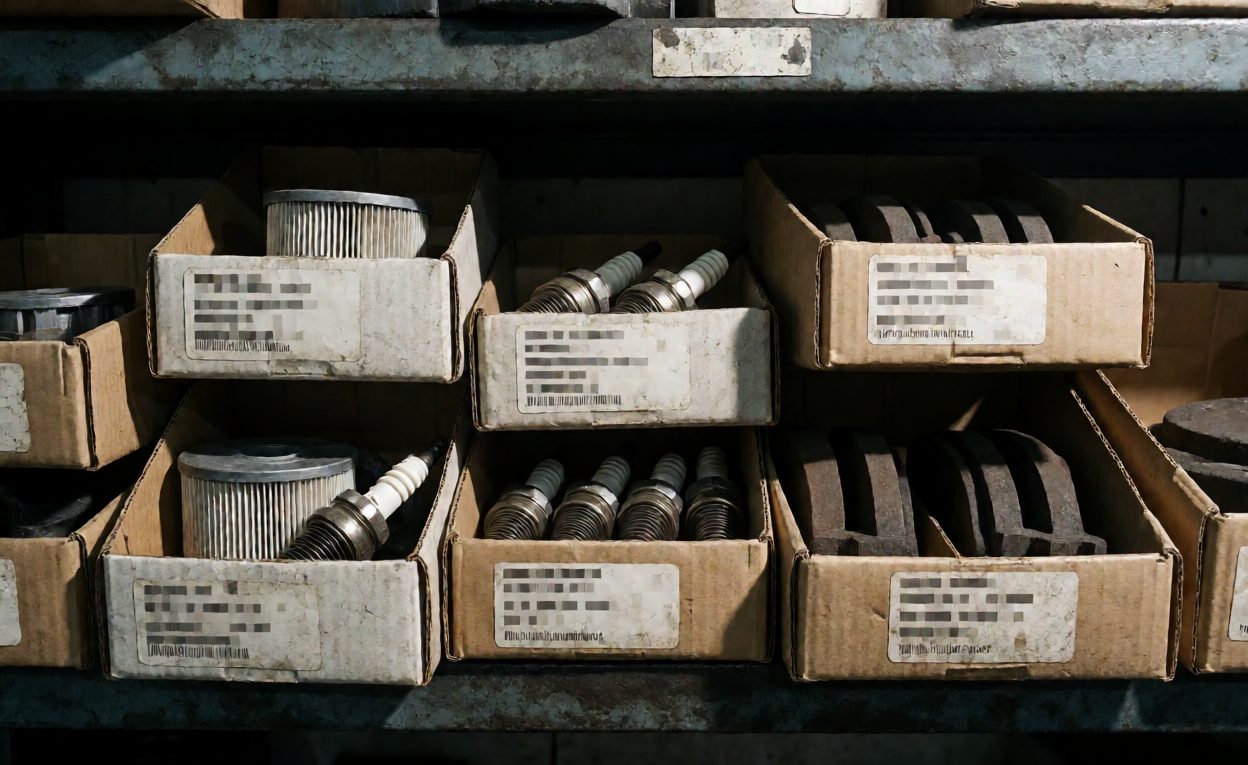
A campaign without parts behind it generates apologies instead of revenue. Kits must be on the shelf before the campaign opens, which places the ordering decision one container cycle earlier – the same backward planning that governs bike stock.
- Order campaign kits with the container: этот наборы запасных частей approach consolidates the filters, plugs, pads and cables each campaign consumes into packaged sets that ride in the bike container’s spare volume at near-zero freight.
- Stock to the booking forecast: expected bookings times kit consumption per booking, plus modest safety cover. Campaign demand is more forecastable than walk-in demand, so fill rate and backorder management can run tighter than usual.
- Pre-allocate per campaign: physically separate the stock reserved for the campaign window, so walk-in trade does not consume the campaign’s inventory in week two.
Pricing and Delivering the Menu
Campaigns convert when the offer is a fixed price, not an estimate. Publish a fixed-price menu per campaign – inspection plus common wear items at bundled rates – so the owner knows the maximum before booking. Fixed prices also fix the workshop’s economics: the advisor sells from a card, the technician works from a checklist, and the discounting conversation never starts.
- Book in slots: defined time slots convert unpredictable arrivals into a schedulable labor plan and let the workshop carry a normal headcount.
- Upsell from findings, not menus: the inspection is the legitimate selling moment, and anything beyond the fixed menu is quoted from a photographed finding – a worn pad shown to the owner sells itself.
- Train the staff who deliver it: campaigns run on technician consistency, and the программа обучения дистрибьютора и технических специалистов exists to standardize exactly this structured inspection work.

Measuring the Campaign
Each campaign should be reviewed against four numbers within a week of closing.
- Bookings versus capacity: whether the campaign filled the slots available, which tests the promotion rather than the market.
- Conversion to paid work: the share of inspections that generated parts or additional labor beyond the menu price. A healthy campaign converts 30 to 50 percent.
- Revenue per booked bike: menu price plus attached work – the number that decides whether the campaign was profitable at the discounted rate.
- Return behavior: how many campaign customers came back or bought parts afterward. This retention signal feeds the same quarterly review as the quarterly sales analysis, so service and sales performance are read on one calendar.
Two campaigns of data are enough to tune the third. Overflowing bookings say the price is too low or capacity too small; conversions below 20 percent say the checklist is finding nothing – usually a wrong interval or scope, not healthy bikes.
Run for a full year, the calendar reshapes workshop revenue: the pre-season peak becomes a planned production run instead of a scramble, the off season carries paid storage work, and the customer file gets two more touches per owner per year. None of it requires new equipment or staff – only that each campaign is planned when the previous one closes.
Часто задаваемые вопросы
What is a seasonal service campaign?
A scheduled, fixed-price inspection and service program tied to the riding calendar – pre-season, mid-season, storage and rainy-season editions.
When should the pre-season campaign open?
Three to six weeks before the riding season starts, so bookings fill before the walk-in rush arrives.
Why fixed prices instead of estimates?
Fixed menus convert bookings, prevent discounting conversations and make the workshop’s economics predictable.
When should campaign kits be ordered?
One container cycle ahead, riding in the spare volume of the bike order as consolidated parts kits.
What conversion rate indicates a healthy campaign?
30 to 50 percent of inspections generating additional parts or labor. Below 20 percent, revise the checklist or interval.
Which campaign suits markets without winter?
A rainy-season campaign focused on electrics, tires and brakes replaces the storage service in monsoon climates.
How is campaign success measured?
Bookings against capacity, conversion rate, revenue per booked bike and the return behavior of campaign customers.