
Seasonal Service Campaign Planning: A Playbook for Motorcycle Dealers
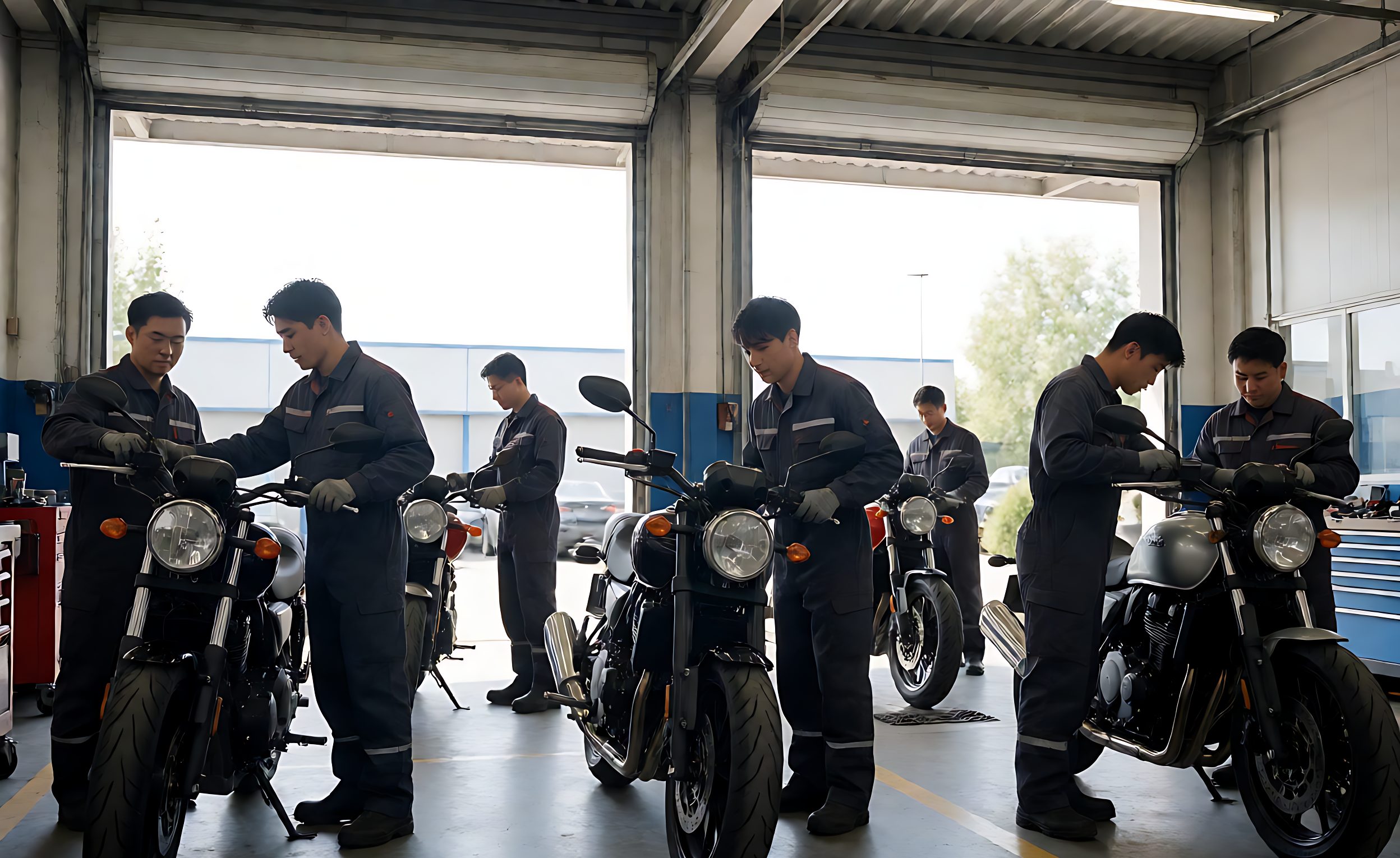
A workshop that waits for walk-ins inherits the weather. Bikes arrive in the first weeks of the season with dead batteries, flat-spotted tires and stale fuel, the bays run at 110 percent for a month, and then the workshop sits half-empty through the off season. Seasonal service campaigns break that pattern: scheduling demand in advance converts a crisis into a booking sheet and idle hours into paid work.
The campaign is also the cheapest retention tool a dealership owns. An owner who returns twice a year for a structured service renews parts purchases, considers the brand at trade-in and sends neighbors. Customer retention economics apply with full force in motorcycle service, where the workshop is usually the only department a customer visits between purchases.

Why Seasonal Campaigns Work
The underlying behavior is preventive maintenance, and motorcycles make the case better than most machines: they park for months, expose their consumables to weather, and their failure modes – battery, tires, brakes, fuel system – are precisely what a scheduled inspection catches cheaply. The rider gains reliability; the dealer gains demand that arrives on a plan instead of a tow truck.
Seasonality in motorcycle use is extreme and predictable, which makes it plannable. The dealer knows to within a few weeks when the season opens in a market, and can build the service year backward from that date – the same backward-calendar logic importers apply to ordering, described in the seasonal order timing article, applied here to labor and consumables instead of containers.
Building the Campaign Calendar
Four campaigns cover the year, and each has a defined trigger date, checklist and kit.
- Pre-season inspection: three to six weeks before the season opens. Battery load test, tires, brake pads and fluid, chain and sprockets, fluids, lights, controls. The volume campaign – price it attractively and staff for it.
- Mid-season safety check: at peak usage. A fast, low-cost inspection that catches wear before it becomes a breakdown, and naturally surfaces mid-season parts sales.
- End-of-season storage service: fuel stabilization, battery removal or maintenance charging, corrosion protection, raised tire pressures. In climates with a real winter this fills November and December, and the winter battery maintenance guidance supplies the technical content.
- Rainy-season electrical and brake campaign: in monsoon markets the dangerous season is the wet one, and the campaign focuses on electrics, tires and braking rather than storage.
Each campaign should follow the model-specific intervals the manufacturer publishes, consolidated in references such as the complete maintenance schedule, so the checklist reads as factory-endorsed rather than dealer-invented. That matters at the counter: owners accept a checklist tracing to the manufacturer far more readily than one tracing to the service department’s targets.
Sourcing Kits and Consumables for the Campaign
A campaign without parts behind it generates apologies instead of revenue. Kits must be on the shelf before the campaign opens, which places the ordering decision one container cycle earlier – the same backward planning that governs bike stock.
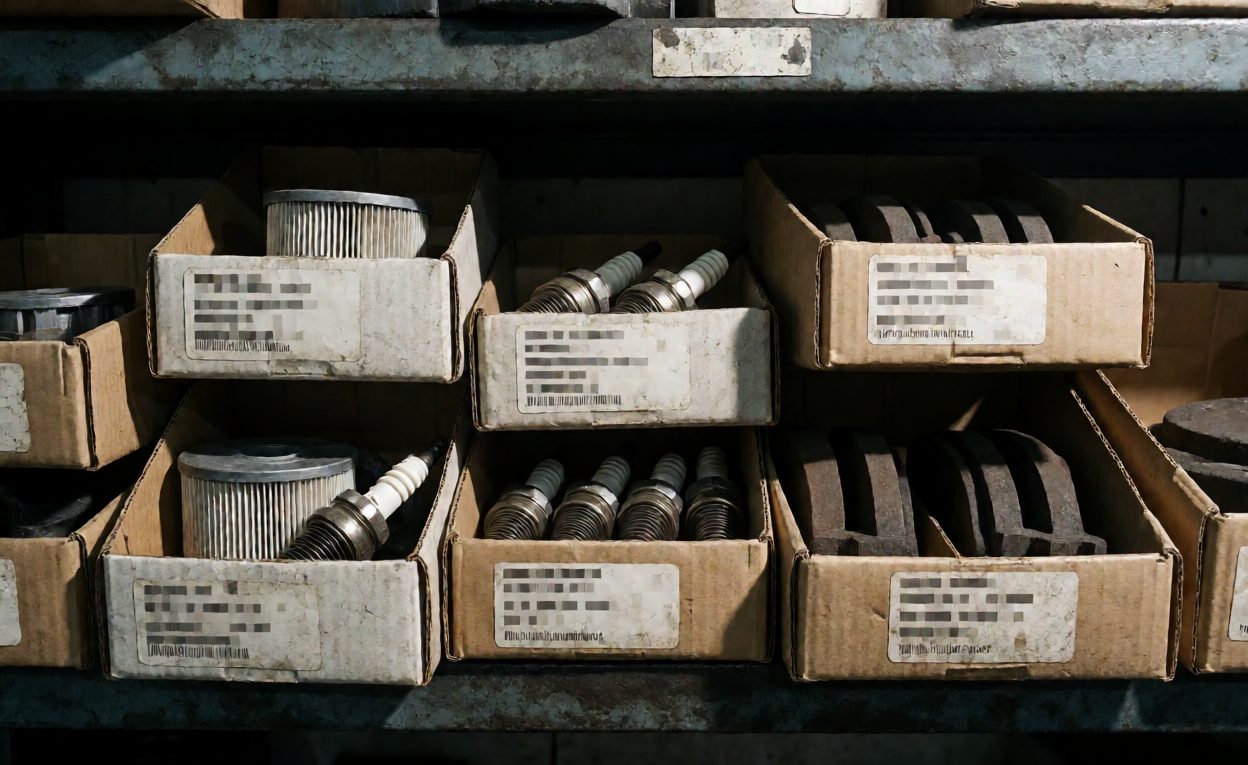
- Order campaign kits with the container: the spare parts kits approach consolidates the filters, plugs, pads and cables each campaign consumes into packaged sets that ride in the bike container’s spare volume at near-zero freight.
- Stock to the booking forecast: expected bookings times kit consumption per booking, plus modest safety cover. Campaign demand is more forecastable than walk-in demand, so fill rate and backorder management can run tighter than usual.
- Pre-allocate per campaign: physically separate the stock reserved for the campaign window, so walk-in trade does not consume the campaign’s inventory in week two.
Pricing and Delivering the Menu
Campaigns convert when the offer is a fixed price, not an estimate. Publish a fixed-price menu per campaign – inspection plus common wear items at bundled rates – so the owner knows the maximum before booking. Fixed prices also fix the workshop’s economics: the advisor sells from a card, the technician works from a checklist, and the discounting conversation never starts.
- Book in slots: defined time slots convert unpredictable arrivals into a schedulable labor plan and let the workshop carry a normal headcount.
- Upsell from findings, not menus: the inspection is the legitimate selling moment, and anything beyond the fixed menu is quoted from a photographed finding – a worn pad shown to the owner sells itself.
- Train the staff who deliver it: campaigns run on technician consistency, and the distributor technician training programme exists to standardize exactly this structured inspection work.

Measuring the Campaign
Each campaign should be reviewed against four numbers within a week of closing.
- Bookings versus capacity: whether the campaign filled the slots available, which tests the promotion rather than the market.
- Conversion to paid work: the share of inspections that generated parts or additional labor beyond the menu price. A healthy campaign converts 30 to 50 percent.
- Revenue per booked bike: menu price plus attached work – the number that decides whether the campaign was profitable at the discounted rate.
- Return behavior: how many campaign customers came back or bought parts afterward. This retention signal feeds the same quarterly review as the quarterly sales analysis, so service and sales performance are read on one calendar.
Two campaigns of data are enough to tune the third. Overflowing bookings say the price is too low or capacity too small; conversions below 20 percent say the checklist is finding nothing – usually a wrong interval or scope, not healthy bikes.
Run for a full year, the calendar reshapes workshop revenue: the pre-season peak becomes a planned production run instead of a scramble, the off season carries paid storage work, and the customer file gets two more touches per owner per year. None of it requires new equipment or staff – only that each campaign is planned when the previous one closes.
Frequently Asked Questions
What is a seasonal service campaign?
A scheduled, fixed-price inspection and service program tied to the riding calendar – pre-season, mid-season, storage and rainy-season editions.
When should the pre-season campaign open?
Three to six weeks before the riding season starts, so bookings fill before the walk-in rush arrives.
Why fixed prices instead of estimates?
Fixed menus convert bookings, prevent discounting conversations and make the workshop’s economics predictable.
When should campaign kits be ordered?
One container cycle ahead, riding in the spare volume of the bike order as consolidated parts kits.
What conversion rate indicates a healthy campaign?
30 to 50 percent of inspections generating additional parts or labor. Below 20 percent, revise the checklist or interval.
Which campaign suits markets without winter?
A rainy-season campaign focused on electrics, tires and brakes replaces the storage service in monsoon climates.
How is campaign success measured?
Bookings against capacity, conversion rate, revenue per booked bike and the return behavior of campaign customers.