
Elektrische vs. Benzin-Kommutermotorräder: Ein spezifikationsbasierter Vergleich für Importeure
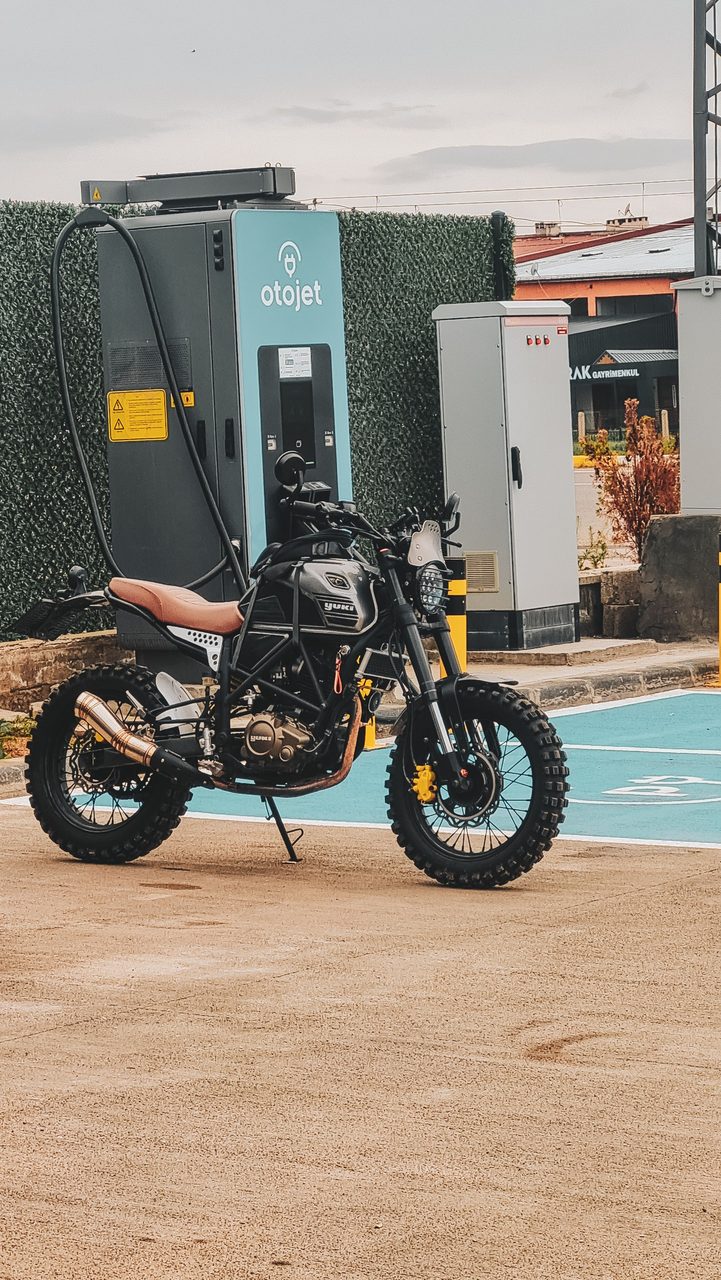
Jeder Importeur, der ein Commuter-Motorradprogramm aufbaut, sieht sich irgendwann vor der gleichen Zangenwahl: elektrische Bestände, Benzin-Bestände oder beides. Die Debatte wird meist mit Slogans geführt – “Elektrisch ist die Zukunft”, “Benzin ist, worauf der Markt vertraut” – und Slogans überleben keinen Kontakt mit einem Containerplan. Was überlebt, ist das Spezifikationsblatt.
Dieser Vergleich verwendet veröffentlichte Werte aus vier realen Zukida-Commuter-Modellen: zwei elektrische und zwei Benzin. Jede unten zitierte Zahl stammt aus diesen Blättern, und wenn ein Schluss abgeleitet und nicht angegeben ist, erfolgt er durch Arithmetik, die Sie überprüfen können.
Der Vergleich beginnt mit dem Lastprofil, nicht mit dem Kraftstoff
Bevor Antriebe verglichen werden, definieren Sie die Aufgabe. Zukidas eigene Positionierung für das elektrische Commuter-Segment ist explizit: Die E-Bike CG und E-Bike GN werden als gebaute für Last-Mile- und leise Flotten-Einsätze. beschrieben. In ihren Produkthinweisen werden Afrika, der Nahost-Raum und Südamerika als die Märkte genannt, in denen sie zu Klassikern geworden sind. Das Benzin-Commuter-Segment – der AX100 und der ARCH – wird in ähnlichen Ausdrücken als klassisch in Afrika und Lateinamerika, beschrieben, aber ohne den Rahmen von Leiselauf und Last-Mile.
Dieser Unterschied ist das gesamte Argument in Miniaturform. Elektrische Commuter gewinnen dort, wo Routen kurz, vorhersehbar sind und zu einem bekannten Ladepunkt zurückkehren: Lieferflotten, Campus- und kommunale Einsätze, städtische Kurierdienste, abgeschlossene Wohnanlagen. Benzin-Commuter gewinnen dort, wo die Route lang ist, das Gelände unbekannt ist und das Tanken überall möglich sein muss, wo ein Kanister verkauft wird. Ein Käufer, der elektrisch in ein ländliches Verteilungsnetz einlagert, wettet nicht auf Technologie; er macht einen Fehler in Bezug auf die Infrastruktur.
Leistung und Geschwindigkeit: Was die Spezifikationsblätter tatsächlich sagen
Setzt man die vier Modelle nebeneinander, ist die erste Überraschung, wie nah sie bei der Leistungsdaten-Übersicht beieinander liegen.
| Modell | Antriebsaggregat | Höchstgeschwindigkeit | Drehmoment | Gewicht | Beladung pro 40ft HQ |
|---|---|---|---|---|---|
| E-Bike CG (elektrisch) | 72 V Motor, 2000 W; optionale Leistung 1500–5000 W | 70 km/h (Eco 50–55 km/h) | 160 N max. | Nicht angegeben | 132 Stück |
| E-Bike GN (elektrisch) | 72 V Motor, 2000 W; optionale Leistung 1500–5000 W | 70 km/h (Eco 50–55 km/h) | 160 N max. | Nicht angegeben | 105 Stück (SKD) |
| AX100 (Benzin) | 98 cm³ Einzylinder, luftgekühlt, 2-Takt; 6,8 kW bei 7500 U/min | ≥85 km/h | 9,4 N·m bei 6500 U/min | 82 kg trocken | 144 Stück SKD (doppelte Verpackung) / 244 Sets CKD |
| ARCH125/150 (Benzin) | 124/150 cm³ Einzylinder, 4-Takt, luftgekühlt; 9,0 kW bei 7000 U/min | ≥90 km/h | 9,8 N·m bei 6500 U/min | 122 kg trocken | 105 Stück SKD / 175 Stück CKD |
Lesen Sie diese Tabelle genau, denn sie demontiert gleichzeitig zwei Annahmen. Erstens sind die elektrischen Modelle im Vergleich zu den Einsteiger-Benzinmodellen nicht langsam – 70 km/h gegenüber 85 und 90 km/h ist ein Abstand, den die meisten städtischen Lastprofile nie offenlegen werden. Zweitens, und nützlicher für den Vertrieb, veröffentlichen die elektrischen Modelle eine Maximale Drehmomentangabe von 160 N, was die Zahl ist, die steuert, wie ein beladenes Fahrrad losfährt oder einen Gradienten bewältigt. Die veröffentlichte Steigfähigkeit für beide elektrischen Modelle beträgt ≥25°. Für Stop-and-Go-Lieferdienste ist diese Anfahrcharakteristik wichtiger als die Höchstgeschwindigkeit.
Auch die Optionen für die Nennleistung sind beachtenswert: Beide E-Modelle werden mit 1500 W, 2000 W, 3000 W, 4000 W und 5000 W bei 72 V Nennspannung gelistet, ausgestattet mit einem 72 V 35H 2000 W Motor und einem 72 V 80 A Dreistufen-Controller mit Rückwärts- und Parkgang. In der Praxis bedeutet das, dass eine Plattform für verschiedene regulatorische oder kundenspezifische Leistungsstufen spezifiziert werden kann, ohne das gesamte Fahrzeug neu konstruieren zu müssen – wertvoll, wenn Ihr Markt die Leistung nach Lizenzkategorie begrenzt.
Energie: 6,2 Ladezeit gegenüber 2,2 Liter pro 100 Kilometer
Hier divergieren die beiden Technologien tatsächlich, und hier sind die Spezifikationsblätter am nützlichsten.
Die E-Modelle veröffentlichen einen maximalen Reichweitenbereich von 90–120 km, eine Ladezeit von 6,2 Stunden, einen Lithium-Ternär-Akku bei 72 V 30–50 Ah (Optionen) sowie ein Netzgerät, das AC 220 V oder 110 V akzeptiert. Die Ausgangsspannung des Ladegeräts des CG wird mit DC 84,2 V 3 A angegeben; das des GN mit DC 84 V 8 A. Beide bieten zwei Fahrmodi an, Comfort und Sport, über die ein Betreiber Reichweite gegen Leistung austauschen kann.
Die Benzinmodelle geben stattdessen den Kraftstoffverbrauch an: 2,2 l pro 100 km für den 98-cm³-AX100 und ≤2,8 l pro 100 km für den ARCH125/150. Der AX100 verfügt über einen 12-liter-Tank. Rechnet man mit diesen angegebenen Werten, entspricht ein 12-liter-Tank bei 2,2 l/100 km einem theoretischen Fahrweg von ungefähr 500 km bis zum nächsten Tanken – gegenüber 90–120 km vor einer 6,2-stündigen Ladung.
Das ist der ehrliche Tausch. Elektrisch gewinnt eindeutig bei den Energiekosten pro Kilometer und beim Lärm. Benzin gewinnt bei der Betankungszeit und bei der Reichweite pro Stopp, auf dem Papier um einen Faktor von etwa vier bis fünf. Wenn Ihre Kunden den ganzen Tag fahren und nicht sechs Stunden parken können, hat das Datenblatt Ihnen bereits die Antwort gegeben – Sie brauchen kein Pilotprogramm, um das herauszufinden.
Batterielebensdauer: Behandeln Sie sie als Verbrauchsgut mit einer angegebenen Zahl
Der häufigste geschäftliche Fehler beim Import von elektrischen Zweirädern besteht darin, den Batteriewechsel nicht zu preisen. Zukidas Tabellen sind dazu ungewöhnlich direkt: Die Zykellebensdauer ist mit 500 Ladezyklen bei 3C-Entladung angegeben, für ein Lithium-Ternärsystem in einer Ausführung von 72 V 30–50 Ah.
Multipliziert man diese angegebene Zykellebensdauer mit der angegebenen maximalen Reichweite, ergibt sich eine ungefähre Lebensdistanz im Bereich von 45.000 bis 60.000 km, abhängig davon, wie mit der Batterie umgegangen wird und welche Kapazität verbaut ist. Das ist keine Garantiezusage – es ist eine Berechnung auf Basis zweier angegebener Zahlen, und die Ergebnisse in der Praxis variieren je nach Hitze, Last, Entladerate und Ladedisziplin. Aber es reicht aus, um ein geschäftliches Gespräch zu strukturieren: für eine Flotte, die 100 km am Tag zurücklegt, sind 500 Zyklen eine Nutzungszeit von etwa einem bis anderthalb Jahren, bevor die Batterie zum übergeordneten Betriebskostenfaktor wird.
Daraus folgen drei praktische Konsequenzen. Erstens: Bieten Sie die Batterie getrennt vom Fahrzeug an, damit die Wechselkosten ab dem ersten Tag transparent sind. Zweitens: Fragen Sie nach Bedingungen für Batterieleasing oder Wechselzyklen, bevor Sie sich auf einen Flottenauftrag festlegen – in Zukidas eigenen Produktmerkblättern heißt es, dass Containermengen, gemischte Flottenbestellungen und Leasingkonfigurationen besprochen werden können. Drittens: Spezifizieren Sie die Ladestromspannung für Ihren Markt im Voraus; in den Tabellen ist AC 220 V mit 110 V als Option angegeben, genau die Art von Feld, das teure Nacharbeit verursacht, wenn niemand fragt.
Containereconomies: SKD und CKD ändern die Antwort
Die gelandete Kosten pro Einheit werden davon bestimmt, wie viele Einheiten in einen Container passen, und hier sind die beiden Antriebsstränge näher beieinander, als erwartet, wobei die Verpackungsart enorme Auswirkungen hat.
- E-Bike CG: 132 Einheiten pro 40-Fuß-HQ-Container.
- E-Bike GN: 105 Einheiten pro 40-Fuß-HQ-Container, SKD-Verpackung.
- AX100: 144 Einheiten pro 40-Fuß-HQ-Container in SKD-Doppelverpackung, oder 244 Sätze in CKD.
- ARCH125/150: 105 Einheiten in SKD, oder 175 Einheiten in CKD pro 40-Fuß-HQ-Container.
Der Sprung von SKD zu CKD ist der größte einzelne Hebel für die gelandeten Kosten in diesem Vergleich: Der AX100 steigt von 144 Einheiten auf 244 Sets, und der ARCH von 105 auf 175. Wenn Ihr Markt eine lokale Montagekapazität hat oder eine Zollstruktur, die Knock-Down-Sets begünstigt, kann die Verpackungsentscheidung für Ihre Marge wichtiger sein als die Antriebsstrangentscheidung. Unsere separate Erörterung von CBU-, CKD- und SKD-Importstrukturen deckt diese Wahl im Detail ab.
Beachten Sie auch, dass die beiden Elektromodelle sich bei nahezu identischen Antrieben um 27 Stück pro Container (132 gegenüber 105) unterscheiden – eine Funktion der Karosseriemabmessungen, die für den CG mit 2000 × 760 × 1080 mm und für den GN mit 2000 × 690 × 1050 mm angegeben sind. Kleine dimensionale Unterschiede vergrößern sich bei Containermengen von vierzig zu tatsächlichen Frachtkostenunterschieden.
Auswahl nach Markt und Aufbau einer gemischten Bestellung
Die veröffentlichten Markthinweise sind ein nützlicher Ausgangspunkt, und sie überlappen sich aufschlussreich: Elektrisch wird für Afrika, den Nahen Osten und Südamerika genannt; Benzin für Afrika und Lateinamerika. Afrika erscheint auf beiden Listen, was dem realistischen Bild entspricht – die meisten großen Märkte setzen nicht auf eine einzige Technologie.
Eine sinnvolle Bevorratungslogik ergibt sich aus den Spezifikationen, nicht aus der Ideologie:
- Urbane Zustellung und kommunale Flotten mit festen Depots und Nachtparkplätzen: priorisieren Sie den Elektroantrieb. Die Reichweite von 90–120 km und die 6,2-stündige Ladezeit passen in einen Nachtrhythmus; das Drehmoment von 160 Nm und die Steigfähigkeit von ≥25° bewältigen die Stop-and-Go-Arbeit unter Last.
- Ländlicher und überregionaler Transport wo Kraftstoff verfügbar und Laden nicht möglich ist: priorisieren Sie den Benziner. Der 12-Liter-Tank des AX100 und der Wert von 2,2 l/100 km, oder der des ARCH mit ≤2,8 l/100 km und ≥90 km/h, passen zu langen, unvorhersehbaren Routen.
- Regulierungsbetriften städtische Märkte mit Lärm- oder Emissionsregelungen in der Innenstadt: elektrisch, und prüfen Sie, welche der 1500–5000 W stark regulierten Optionen Ihre Lizenzkategorie zulässt.
- Märkte mit lokaler Montage oder Zollvorteilen: kalkulieren Sie beide Antriebe in CKD – 244 Sätze für den AX100, 175 Stück für den ARCH – und lassen Sie die Verpackungsmethode den Gewinnvorteil mit sich führen.
- Erstmalige Importeure: beginnen Sie mit einer Mischung. Ein Container, aufgeteilt zwischen dem E-Bike CG und einem Benzinmodell wie dem ARCH125/150, ermöglicht es Ihren Händlern, die Nachfrageteilung mit ihren eigenen Kunden herauszufinden, anstatt Ihrer Annahmen zu vertrauen.
Die Details der mechanischen Spezifikation verdienen ebenfalls einen Blick, bevor Sie sich festlegen. Der AX100 nutzt einen Zweithakt-98-cc-Motor mit Kickstarter und Trommelbremsen als Standard (Scheiben-/Trommelbremse als Option), was den Anschaffungspreis wettbewerbsfähig hält und die Wartung in Märkten, in denen Zweithakt-Expertise weit verbreitet ist, einfach macht. Der ARCH ist Viertakt mit Elektro- und Kickstarter, Alufelgen und Scheiben-/Trommelbremsen, mit 122 kg trockenes Gewicht. Das sind unterschiedliche Eigentumsangebote in unterschiedlichen Wartungsnetzen, nicht nur unterschiedliche Motoren.
Häufig gestellte Fragen
Wie weit kann der elektrische Pendler tatsächlich fahren?
Die veröffentlichte maximale Reichweite für beide E-Bike-Modelle, CG und GN, beträgt 90–120 km, mit einem Ökogeschwindigkeitsbereich von 50–55 km/h und einer Höchstgeschwindigkeit von 70 km/h. Die tatsächliche Reichweite hängt von Last, Gelände und Fahrmodus ab – beide Modelle bieten Komfort- und Sportmodi –, daher senden Sie für streckenbezogene Werte den Arbeitsszyklus an die Fabrik, statt sich auf die Kennzahl zu verlassen.
Wie lange dauert das Laden und welche Stromversorgung wird benötigt?
Die Ladedauer ist mit 6,2 Stunden angegeben. Das Ladegerät akzeptiert AC 220 V, mit AC 110 V als Option, und liefert DC 84,2 V 3 A beim CG und DC 84 V 8 A beim GN. Bitte prüfen Sie die Netzspannung Ihres Marktes bei der Bestellung; die Datenblätter listen beide auf, aber die Standardkonfiguration ist die, die versendet wird.
Wie lange hält der Akku?
Die Zyklenlebensdauer wird für das Lithium-Ni-Mn-Pack mit 3C-Entladung mit 500 Ladezyklen bei 72 V 30–50 Ah angegeben. Im Vergleich zur veröffentlichten Reichweite von 90–120 km ergibt sich durch einfache Multiplikation eine Gesamtleistungsleistung von ca. 45.000–60.000 km, wobei die tatsächlichen Ergebnisse je nach Hitze, Last und Ladepraxis variieren. Berechnen Sie den Austauschpack in jedem Fuhrparktender von Anfang an ein.
Welche Packs passen besser in einen Container?
Benzin, leicht, und CKD erheblich. Pro 40ft HQ: AX100 mit 144 Einheiten SKD Doppelverpackung oder 244 Sätze CKD; ARCH125/150 mit 105 SKD oder 175 CKD; E-Bike CG mit 132 Einheiten; E-Bike GN mit 105 Einheiten SKD. Der Sprung von SKD zu CKD ist der größere Hebel für die Landungs- als für die Antriebsauswahl.
Sind die elektrischen Modelle für den gewerblichen Einsatz untertrieben?
Nach veröffentlichten Werten: Nein. Beide haben einen 72 V 2000 W Motor mit Nennleistungsoptionen von 1500 W bis 5000 W, ein maximales Drehmoment von 160 N, eine Steigfähigkeit von ≥25° und eine Höchstgeschwindigkeit von 70 km/h. Das ist konkurrenzfähig mit Einsteiger-Benziner-Kommunalen für städtische Arbeiten, und die Drehmomentzahl ist das Entscheidende für das Anfahren unter Last.
Fazit: Lassen Sie die Route entscheiden
Es gibt keinen universellen Gewinner, und die Spezifikationen machen das klar, statt es zu verschleiern. Elektrische Kommunale bieten 160 N Drehmoment, ≥25° Steigfähigkeit, 90–120 km Reichweite und einen Bruchteil der Energiekosten, zum Preis von 6,2 Stunden pro Ladung und einer veröffentlichten 500-Zyklus-Akku-Lebensdauer, die als Verbrauchsgut eingeplant werden muss. Benzin-Kommunale bieten nach veröffentlichten Werten ungefähr vier- bis fünffache Reichweite pro Halt, fünfminütiges Tanken und CKD-Verpackung, die 244 AX100-Sätze in einen 40ft HQ bringt.
Die richtige Antwort ist die, die die Routen Ihrer Kunden vorgeben: Elektro für lagerbasierte urbane Flotten, Benzin für lange und unvorhersehbare ländliche Arbeit, und eine gemischte Erstbestellung, wo Sie sich noch nicht sicher sind. Für die vollständige mechanische Aufschlüsselung der 98-cc-Option, siehe die AX100-Spezifikation, und für die Elektrische-Plattform, das E-Bike CG Datenblatt enthält die vollständige elektrische Tabelle.