
Seasonal Order Timing for Motorcycle Importers: When to Place the Order

Selling seasons for motorcycles are set by weather, holidays and agricultural or school cycles, none of which move. Factory capacity and vessel schedules are set by quite different pressures, and all of them move. The importer’s job is to bridge the two, and the bridge is a calendar worked backwards from the date stock must be on the showroom floor.
Most stock-outs and most emergency air-freight decisions trace back to a plan that started from the factory’s quoted lead time rather than from the selling date.

Work Backwards From the Selling Date
Start at the date the bikes need to be sellable, and subtract each stage in turn.
- Selling date: when the season opens, or when a promotion starts.
- Dealer preparation: PDI, registration, and any local modification. Typically one to three weeks.
- Customs and inland delivery: clearance, port handling and onward transport. Frequently underestimated.
- Ocean transit: realistic rather than advertised, with allowance for transhipment.
- Factory production and pre-shipment inspection: the quoted lead time plus the inspection window described in Abnahmeprüfung vor Lieferung.
- Order confirmation and specification freeze: internal time, and often the largest controllable delay.
Add the stages, then compare the result with today’s date. If the order needs to be placed earlier than expected – it usually does – the decision is which stage to compress, and only two of them are genuinely compressible: the approval cycle and, at a cost, the freight mode.
The Calendar Points That Bind
Four recurring periods create congestion, and each one is predictable enough to plan around.
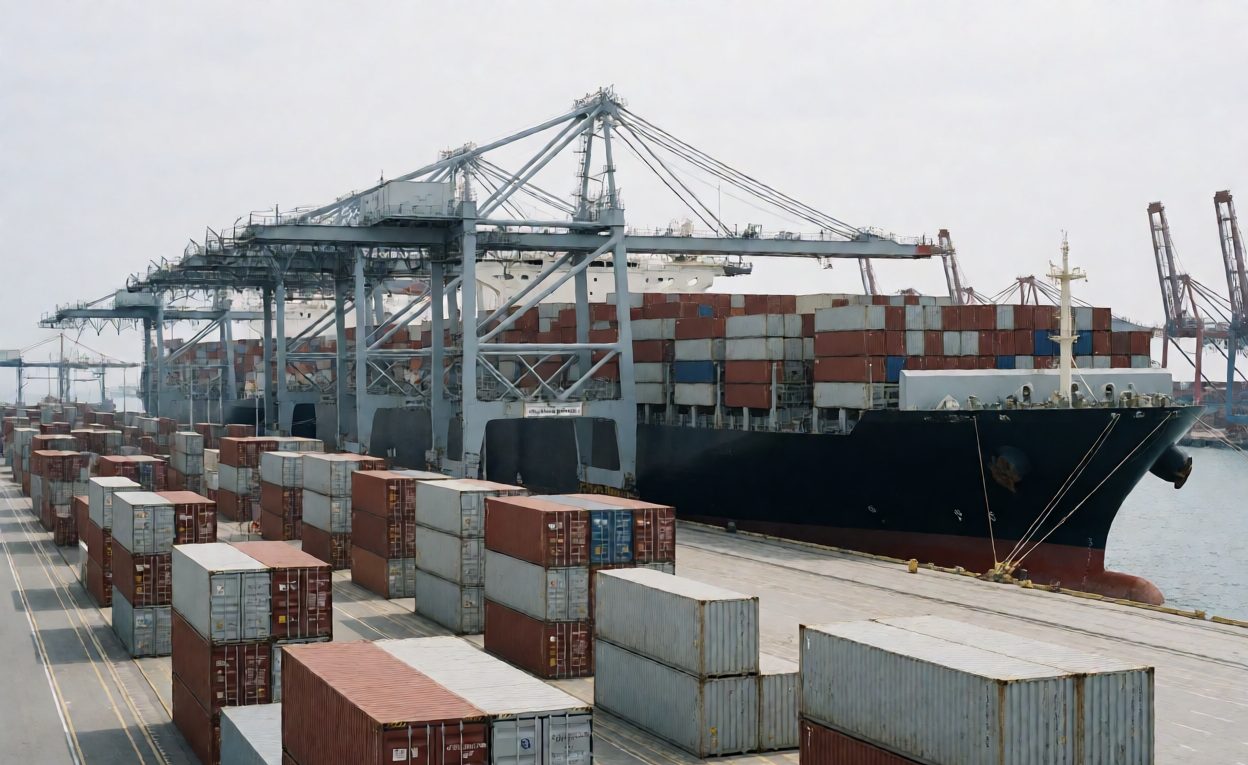
- Factory peak before major holidays: production and inland transport slow before and after extended plant closures, and orders placed in the run-up compete for capacity.
- Peak shipping season: vessel space tightens and rates rise. Booking earlier is cheaper than booking later, and the saving is frequently larger than the cost of holding the stock a few weeks longer.
- Destination holiday closures: customs and transport stop, and a container arriving two days before a week-long closure sits for ten days.
- Rainy or off season at destination: the natural window for building stock rather than for launching it.
The last point is the one importers use least well. The off season is when capacity is available and rates are low, which is exactly when stock for the next peak should be ordered – provided holding cost and model-year risk are acceptable.
Choosing Between One Large Order and Several
A single pre-season order gets the best unit price and the simplest logistics. Several smaller orders reduce inventory risk and improve cash flow. The right answer depends on how confident the demand forecast is.

- High confidence, stable model: one large order, placed early, shipped off-peak.
- Uncertain demand or a new model: a first order sized to the confident part of the forecast, with a follow-up placed once early sales data exists.
- Long transit: favours larger, less frequent orders, because the replenishment lead time makes small orders risky.
Where a follow-up order is planned, it should be planned as a real option rather than a hope: confirm in advance that production capacity will be available, and what the lead time would be. A second order that can only be delivered after the season has passed is not a plan.
What to Lock Early With the Supplier
Three commitments, obtained before the season starts, make the whole calendar workable:
- Production slot: a provisional allocation of capacity for the intended quantity and timing.
- Booking window: agreement on when vessel space will be booked, and by whom.
- Specification freeze date: the last date at which changes can be accepted without moving the delivery.
The third is the one that protects the plan. Changes after the freeze cascade: they move production, which moves inspection, which moves the booking, which can miss a vessel and cost two weeks. Importers who treat the freeze as real consistently hit their seasons.
Seasonality in consumer demand is well documented across categories, and motorcycle sales follow it strongly in most markets. Where the importer is also managing payment timing, the Export-Zahlungsbedingungen determine when cash leaves relative to when stock arrives, and the two calendars should be planned together rather than separately. Supply chain management at this level is mostly calendar management, and the most common error is planning from the supplier’s lead time rather than from the customer’s buying date.
Planning Payment and Stock Together
Order timing and cash timing are the same plan viewed from two directions. A shipment that arrives two months before it can be sold is not only a storage problem – it is capital committed earlier than necessary, and the cost of that capital belongs in the timing decision.
Where a deposit is required at order and the balance before shipment, cash leaves well before the stock arrives, which makes the holding period longer than the physical transit suggests. Importers who model both calendars together frequently choose a different order date from those who model only the supply chain. The Containerbeladung schedule also constrains when an order can realistically ship, so production readiness and vessel availability should be confirmed together rather than sequentially. Working capital is the constraint that most often forces a smaller or later order than the demand forecast suggests, and it should be stated explicitly in the plan rather than discovered at the payment date.
Häufig gestellte Fragen
When should a pre-season order be placed?
Work backwards from the selling date through dealer prep, customs, transit, production and approval, then add buffer at the stages that slip.
Which stages are compressible?
The approval cycle, and freight mode at a cost. Production and transit are largely fixed once booked.
Is one large order better than several?
For confident demand and a stable model, yes. For uncertain demand, size the first order to the confident part of the forecast.
Why does the off season matter?
Capacity is available and rates are lower, which is the best time to build stock for the next peak.
What is a specification freeze?
The last date changes can be accepted without moving delivery. Treating it as real protects the whole schedule.
Should a follow-up order be planned in advance?
Yes. Confirm capacity and lead time before the season, or the follow-up arrives too late to matter.
Do destination holidays affect timing?
Yes. A container arriving just before a closure can sit for ten days or more.