
Rider Training and Safety Programs: What a Dealership Gains From Teaching Customers to Ride
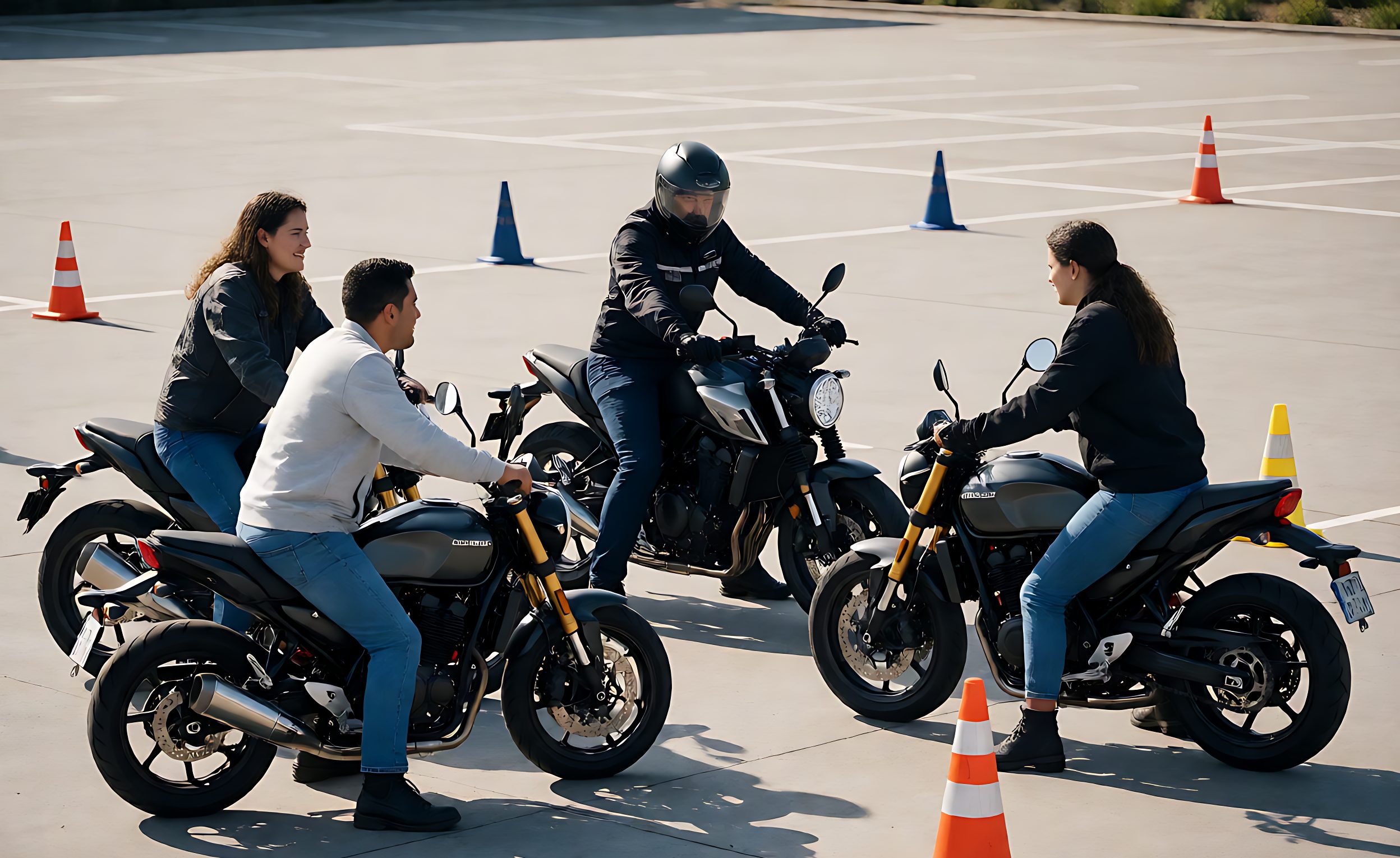
Most first-time buyers are not really buying a motorcycle. They are buying a decision they are not sure they can execute – whether they can balance it, stop it, ride it home and keep doing that safely. A dealership that helps a customer answer those questions sells more units, returns fewer of them, and acquires a customer whose next three years of parts, service and accessories are already attached to the showroom.
That is the commercial case for rider training. It is not charity and it is not marketing theatre; it is the removal of the last objection standing between an interested visitor and a signed order. Motorcycle safety education also happens to be the intervention with the clearest evidence base in the industry, which is why insurers, fleet operators and regulators are usually willing to help pay for it.
What a Dealership Training Program Contains
A usable program has three tiers, because the dealership meets riders at three different points.
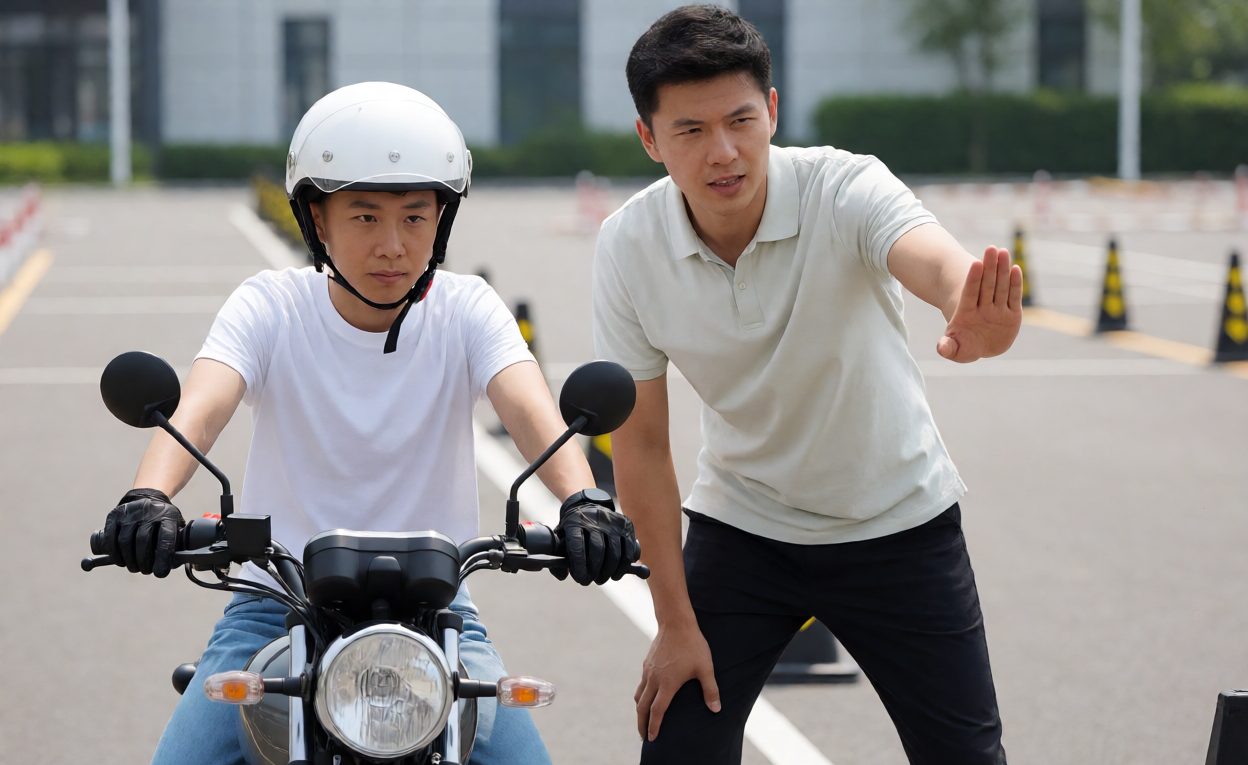
- New rider introduction: two to four hours covering controls, posture, starting and stopping, slow-speed balance and a supervised first ride. This is the tier that converts visitors into buyers.
- Returning rider refresher: a half day aimed at licence holders who have not ridden in years – the largest and most underserved group in most markets.
- Advanced and hazard training: braking, cornering, hazard perception and group riding for customers who already commute, which is where defensive driving content belongs.
Classroom content should stay short. The measurable improvement comes from range time, and the ratio that works is roughly one hour of briefing to three hours of supervised practice, with the fundamentals drawn from the same progression as essential skills for new riders.
Venue, Insurance and Waivers
The venue decides most of the operating cost, and it does not need to be permanent. A rented lot on a weekend, a driving school’s range, or a partnership with a local authority’s road safety program all work; the requirements are a flat paved surface, cone layout space, a defined boundary and toilet facilities. Several dealers share a venue and split the cost, which is often the difference between a program that runs monthly and one that runs twice a year.
Insurance is the non-negotiable item. Three documents should exist before the first session: liability cover naming the training activity specifically, participant accident cover, and a signed waiver and medical declaration per participant. Training motorcycles need their own cover and their own maintenance schedule, and participants should be required to bring or be loaned personal protective equipment – helmet, gloves, jacket, long trousers and closed footwear – with the helmet standard explained rather than assumed, as set out in helmet standards.
Instructors: Internal Staff or Contracted
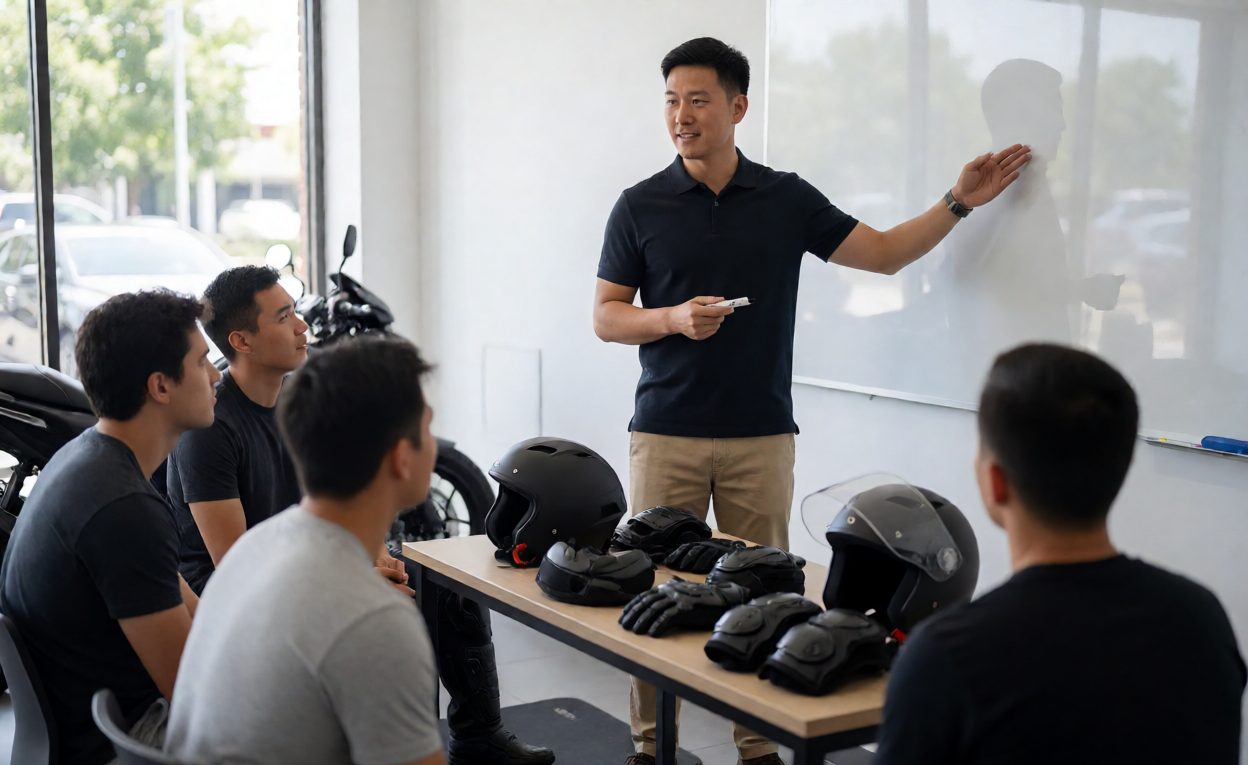
Two models work. Contracting certified instructors costs more per session and buys instant credibility, insurance comfort and a curriculum that already exists. Training an internal technician or sales manager costs less and keeps the program running on the dealership’s own schedule, at the price of a certification course and the discipline to keep the instructor off the sales floor during sessions.
- Contracted instructors: best for launching a program, for advanced tiers and for fleet contracts that require certification.
- Internal instructors: best for high-frequency new-rider sessions, because availability drives conversion more than instructor pedigree does.
- Hybrid: an internal instructor for tier one, contracted specialists for tiers two and three.
The internal route has a second advantage: a technician who teaches riding becomes the most effective service advisor in the building, and the technician training pathway is the natural place to add the communication skills that teaching requires.
Training Bikes and the Demo Fleet
The motorcycles used for training should be the models the dealership sells, in the entry displacement the market actually buys. Three to six units is enough for a session of eight to twelve participants rotating through exercises, and the fleet earns its keep twice: as training units and as the test-ride pool that the demo and test ride fleet article describes. Training units need more frequent inspection per operating hour than road units – dropped levers, bent bars, worn tires and clutch abuse – and a written post-session check is what keeps them safe.
Turning a Training Day Into Sales Without Pressure
The conversion mechanism is timing, not persuasion. A participant who has spent four hours successfully riding a 150cc motorcycle no longer needs to be convinced that they can ride; they need a price, a delivery date and a finance answer. Three practices capture that moment without turning the session into a sales floor: an instructor debrief that names the model the rider trained on, a follow-up contact within forty-eight hours, and a training graduate offer – first service included, or a gear bundle – with a stated expiry.
The follow-up is where most programs fail. A spreadsheet of participant names with no owner produces nothing; a named staff member with a forty-eight-hour contact target produces the majority of the program’s attributable sales.
Fleet and Commercial Rider Programs
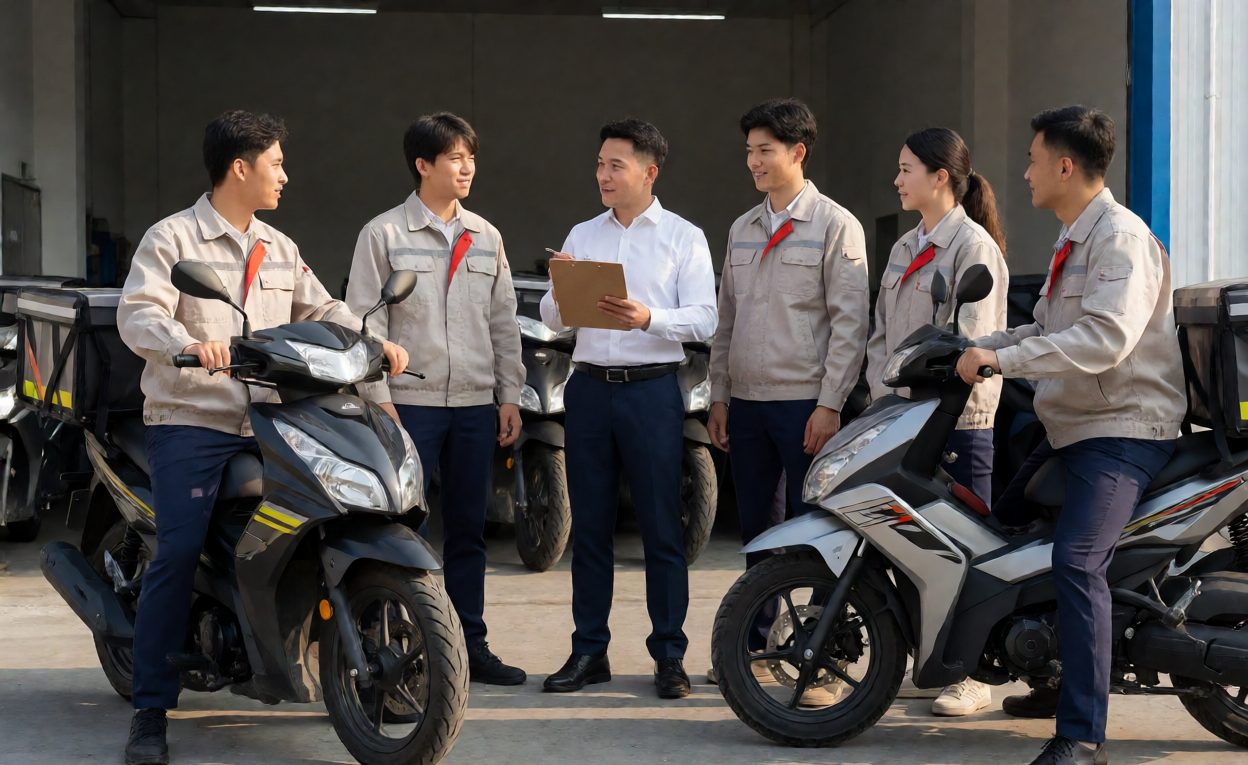
Fleet operators are the most valuable training customers a dealership has, and they buy for reasons that have nothing to do with conversion. A delivery operator measures training in accident rate, vehicle downtime and insurance premium, all of which improve measurably after even a single day of structured riding instruction. The sale is therefore made on the operator’s metrics, in the language of a tender response – the same discipline described in fleet tender responses – and priced as a per-rider program with a published syllabus.
Fleet programs also fit naturally into the dealer’s service calendar. Combining rider training with the seasonal service campaign means vehicles come in for maintenance and riders leave with instruction, and the operator gets one interruption instead of two.
Measuring Whether the Program Works
- Participants per session and sessions per quarter: the volume metric.
- Conversion to sale within ninety days: the number that justifies the budget.
- Attachment rate: gear and accessory sales per graduate, which usually exceeds the general showroom rate by a wide margin.
- Service retention at twelve months: graduates who were taught by the dealer return to the dealer.
- Incident rate in fleet contracts: the metric that renews commercial programs.
None of these require sophisticated systems. A register of participants, a sales log and a service history lookup cover all five, and reviewing them quarterly is enough to decide whether to expand the program, change the tier mix or move the schedule.
Preguntas Frecuentes
Why should a dealership run rider training?
It removes the last objection for first-time buyers, lowers returns and creates a customer base that buys parts and service for years.
How many program tiers are needed?
Three: a new rider introduction, a returning rider refresher, and advanced hazard and braking training.
What insurance and paperwork are required?
Liability cover for the training activity, participant accident cover, and a signed waiver and medical declaration per participant.
Should instructors be staff or contracted?
Contracted for launch and advanced tiers; trained internal staff for frequent entry-level sessions, where availability drives conversion.
What motorcycles should be used?
The entry models the market buys, three to six units, shared with the demo and test ride fleet and inspected after every session.
How does a session convert into sales?
Through timing: an instructor debrief, contact within forty-eight hours, and a graduate offer with a stated expiry.
What makes fleet operators buy training?
Their own metrics – accident rate, downtime and insurance premium – presented as a priced per-rider program with a published syllabus.