
Accessory Kit Bundling for Motorcycle Dealers: Turning Attach Rate Into Margin
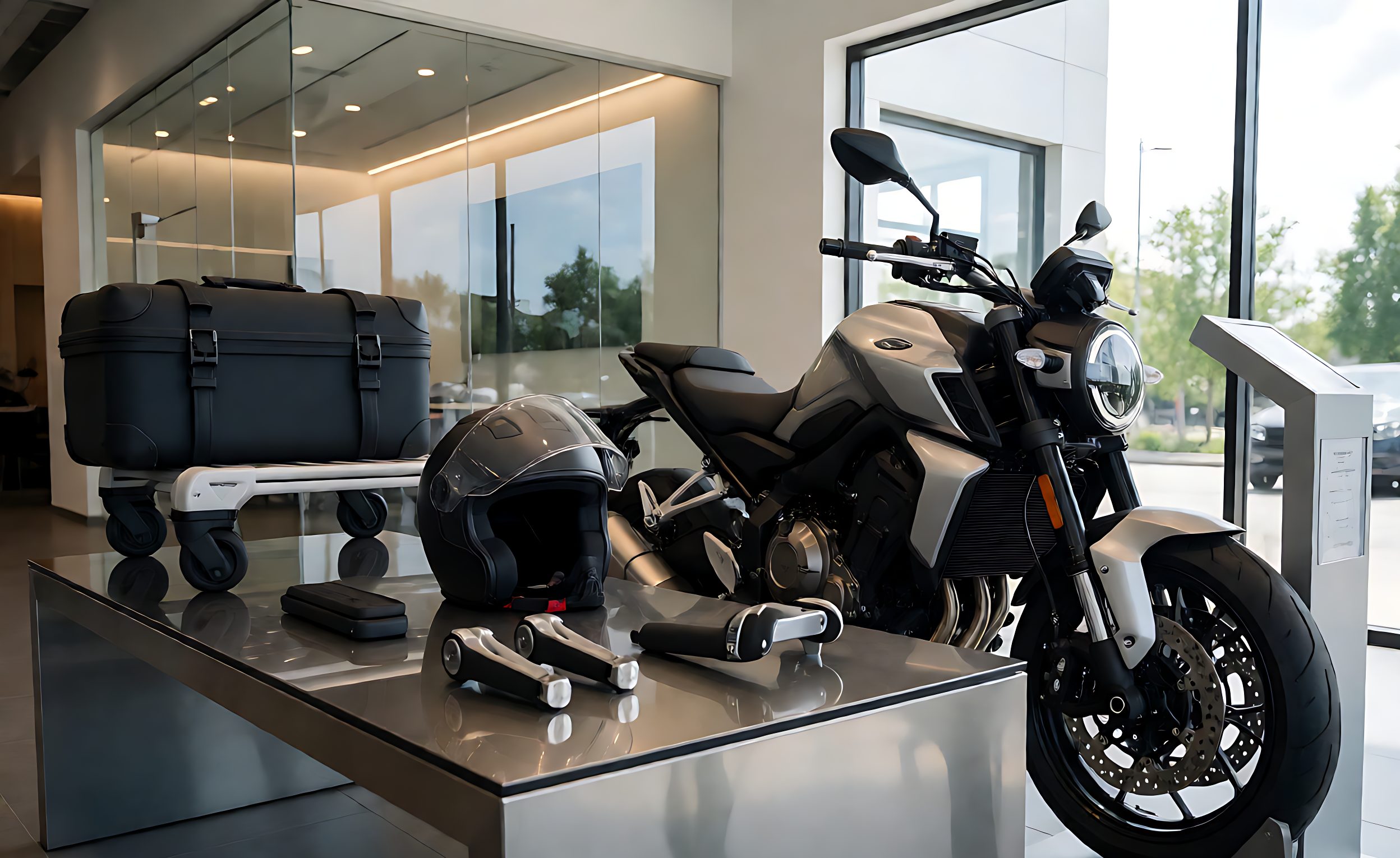
Two lines appear on every dealership’s profit statement, and they behave nothing like each other. The vehicle line is price-transparent: a commuter bike retailing at a known market price carries a single-digit margin. The accessory line is the opposite – buyers have no firm idea what levers or a luggage rack should cost, and margins of 40 to 60 percent are ordinary. The game of dealership profitability is moving revenue from the first line into the second.
Accessory kit bundling does it at scale. Selling accessories after the purchase decision produces modest attach rates. Presenting them as a bundled kit at purchase – one price, installed before delivery, one payment – converts a far larger share of buyers. Product bundling works in every retail category for the same reasons: it simplifies the decision, hides component prices that would otherwise be compared, and makes the extra spend feel like a feature rather than an upsell.

Why the Bundle Beats the Add-On
- Timing: at purchase the customer is committing capital and least price-sensitive about a small addition. A week later, the accessory competes with rent.
- Installation: fitting before delivery uses PDI time already scheduled; fitting afterwards means a second visit the customer rarely books.
- Perception: a kit priced as one package reads as a finished, ready-to-use motorcycle; itemized accessories read as costs added to an accepted price.
- Margin concentration: the vehicle margin funds the showroom; the kit margin funds the business. Shifting 10 percent of buyers into a kit lifts margin per unit more than any discount policy.
What Belongs in a Kit
Kits are built from what owners actually buy first; contents differ by motorcycle type.
- Commuter kit: top case or rack, phone mount, tank pad, chain and lock, first-service consumables. Modest cost, near-universal demand, highest attach rate of the three.
- Touring or recreation kit: windscreen, luggage set, crash protection, auxiliary lighting, comfort seat. Higher ticket, lower attach rate, far higher margin per conversion.
- Work and fleet kit: cargo racks, heavy-duty tires, tool roll, spare bulbs and levers, service consumables. Sold by the dozen per fleet order – a volume business of its own.
Sourcing Kits at the Point of Order
The margin in the kit is decided at order time. Assembling kits from retail-bought accessories pays retail for the dealer’s own margin; specifying kits in the container order pays wholesale all the way through.
- Define the kits before the order: two or three standard bundles per model with a fixed bill of materials, quoted as line items.
- Use the parts-kit logic: the spare parts kits approach works for accessories too – the supplier consolidates tedious small items into one packaged set at a fraction of the assembled cost.
- Respect the tier structure: the MOQ and price tiers reward consolidated quantities, and a kit specified at volume often reaches the next price break, which lands entirely in the kit margin.
- Ship them in the bike container: boxed kits ride in the spare volume alongside crated units as described in mixed container planning, so kit freight is close to zero.
- Verify fitment against the model: racks, levers and screens are model-specific. A kit that does not bolt onto the delivered unit is a return, not a margin.
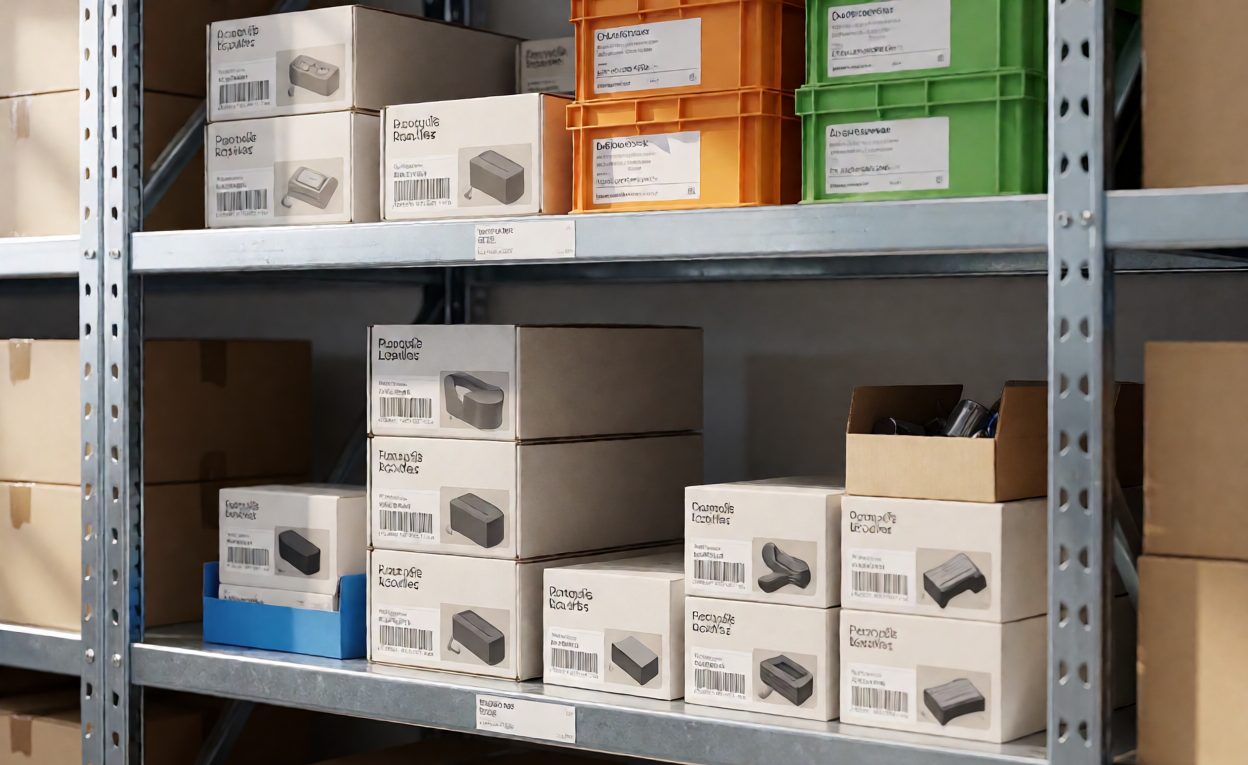
Fitment data is the least glamorous and most valuable thing a dealer keeps current: kits confirmed against the shipped variants install in minutes on delivery day, while improvised kits consume hours and generate complaints.
Pricing the Bundle
Bundle pricing is simple: a visible 15 to 25 percent saving against summed component retail, while wholesale sourcing keeps the kit margin above the vehicle margin. The customer sees a discount; the dealer books more absolute profit on the combined sale than on the bike alone.
Two errors recur. First, pricing the bundle so attractively that it cannibalizes full-price accessory sales – the bundle is a point-of-sale offer, not the standing price. Second, overloading it: a package beyond roughly 10 to 15 percent of the motorcycle’s retail price reads as a second purchase and attach rates fall. A full touring setup is best sold as two decisions – base kit at purchase, additions at the first service.

Measuring Attach Rate and Margin
The bundle program is managed with three numbers, reviewed monthly.
- Attach rate: share of new units delivered with a kit. A healthy program runs 25 to 40 percent on commuter models; below 15 percent, fix the offer or the training.
- Gross margin per delivered unit: vehicle, kit and first service combined – the number bundling exists to move, tracked per model, because a model with a weak accessory range will never bundle well.
- Kit stock cover: components sell at accessory velocity, not container velocity, so stock is governed by the stock turn and reorder plan rather than the bike cycle. One missing component stalls the whole kit, so fast movers deserve the counter discipline any gross margin driver gets.
Review the kit contents twice a year against what customers decline. Items refused repeatedly are wrongly specified or wrongly priced, and either finding improves the next container order. Items accepted on nearly every conversion belong on the next order’s options list – and may justify a factory-fitted option discussion that turns the bundle into a differentiated product.
The program compounds quietly: lifting attach rate from 15 to 35 percent on a commuter model typically adds more to annual gross profit than a bike price increase – without touching the retail price that wins the sale.
Frequently Asked Questions
Why bundle accessories instead of selling them individually?
Bundling captures the buyer at the moment of commitment, installs everything before delivery, and lifts gross margin per delivered unit far more than itemized sales do.
What attach rate should a kit program reach?
25 to 40 percent on commuter models is healthy. Below 15 percent, revise the offer, the pricing or the sales training.
What should the first kit contain?
The items owners buy first anyway: top case or rack, lock, phone mount, protection items, plus one consumable that brings them back to the counter.
How is the bundle priced?
At a visible 15 to 25 percent saving against summed component retail, while wholesale sourcing keeps the kit margin above the vehicle margin.
How large should a kit be priced?
Roughly 10 to 15 percent of the motorcycle’s retail price. Beyond that it reads as a second purchase and attach rates fall.
Should kits be sourced with the bike order?
Yes. Specifying kits as line items in the container order captures tier pricing and near-free freight in the spare container volume.
What is the key measurement?
Gross margin per delivered unit – vehicle, kit and first service combined – tracked per model against attach rate and kit stock cover.