
Motorcycle Fuel Quality and Altitude Effects on Specification
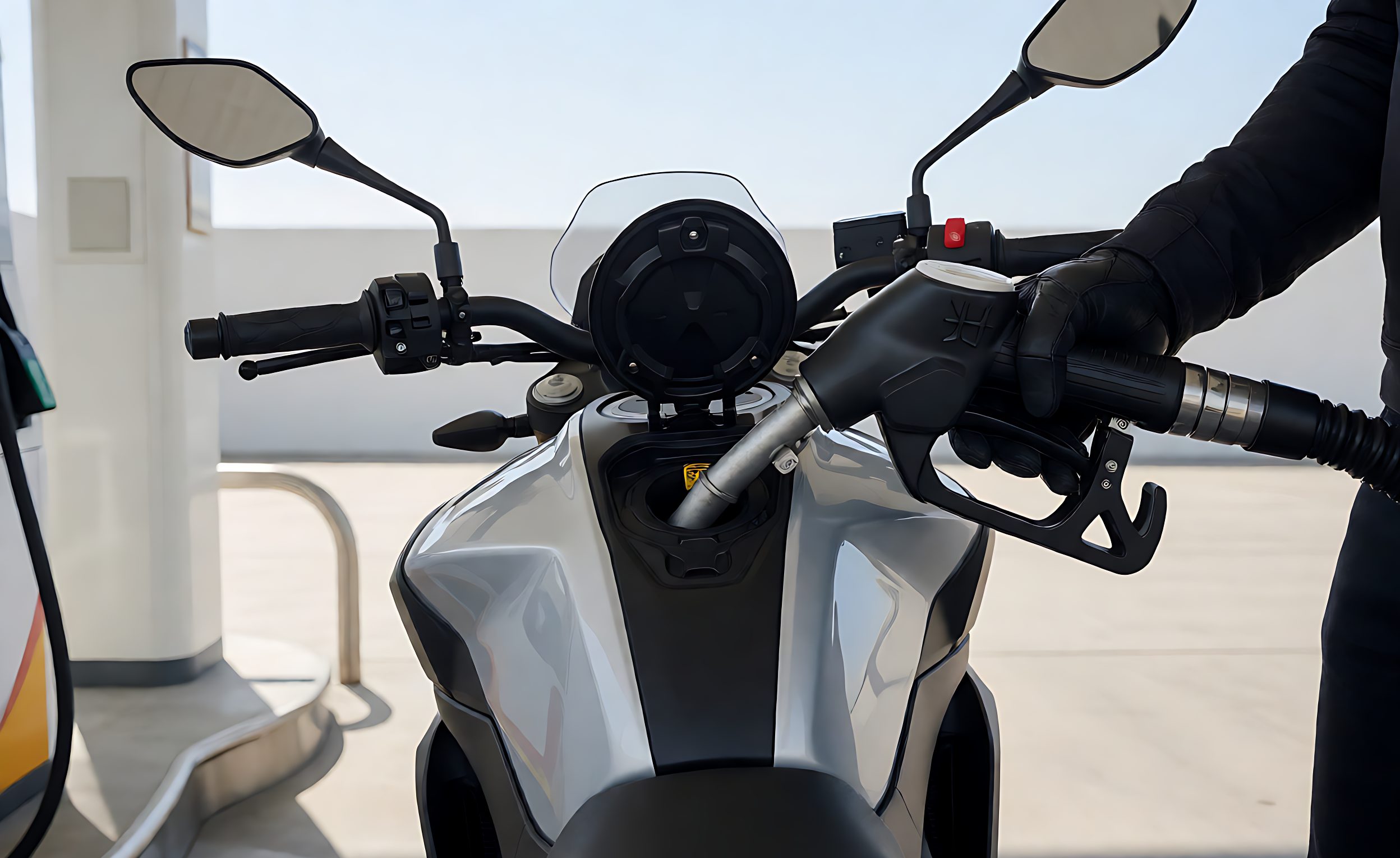
Two of the most expensive warranty arguments in motorcycle distribution have nothing to do with build quality: the fuel that actually goes into the tank and the altitude the bike actually rides at. A model tuned and validated in one environment can knock, detonate or run rich in another, and the buyer’s first instinct is to call the supplier. The supplier’s first instinct is to point at the fuel. Neither argument is winnable without a specification that says what fuelling range the engine was tuned for.
The practical position for an importer is to treat fuel quality and altitude as specification inputs, not afterthoughts. That means asking for the fuelling map’s assumed octane rating, asking what was done for the destination market, and documenting what happens when real fuel falls outside that range. It also means understanding what altitude does to air density, because a carburetted engine and an EFI engine respond very differently to thin air.
Octane, Contamination and the Warranty Line
Most distribution disputes turn on one question: was the engine tuned for the octane actually available? A knock-limited calibration tuned for 91 RON will behave badly on 87, and the symptoms – pinking under load, reduced power, occasionally worse – look like a defect to a rider who does not know what went in the tank. Specify the assumed octane, state whether the ECU or jetting has a market variant, and get it in writing.
- Contamination is the other axis – ethanol blends, water from storage tanks, and particulate from drum handling all change combustion behaviour; ethanol in particular can swell seals and lean out a carburettor.
- Storage at the dealer matters – fuel sitting in a tank for months loses its lighter fractions and can leave deposits that clog pilot circuits.
- Documentation – ask for the fuelling test data behind the tuning, not just a claim of market compliance.
None of this makes the supplier liable for bad fuel. It makes the boundary explicit, which is what keeps a warranty programme affordable over a ten-year horizon. A programme that never states the fuel range ends up paying for claims it never agreed to, or refusing claims it should have covered.
What Altitude Actually Changes
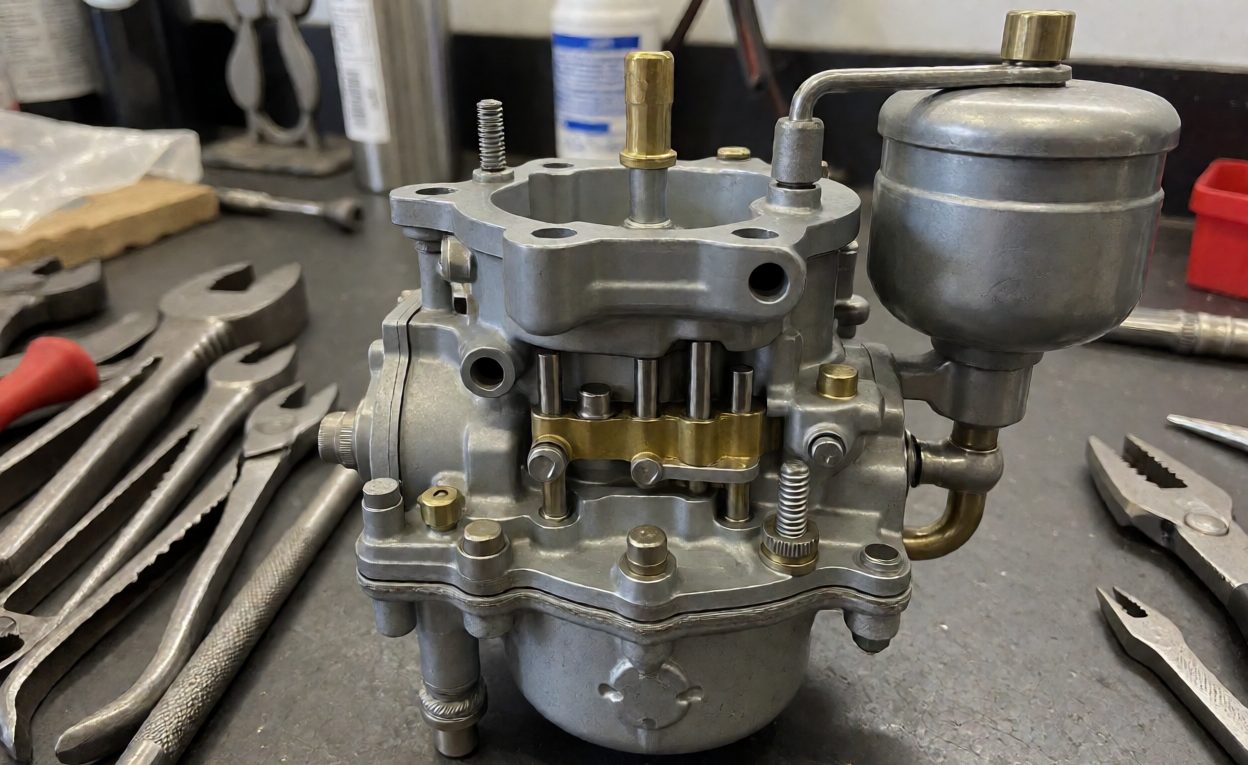
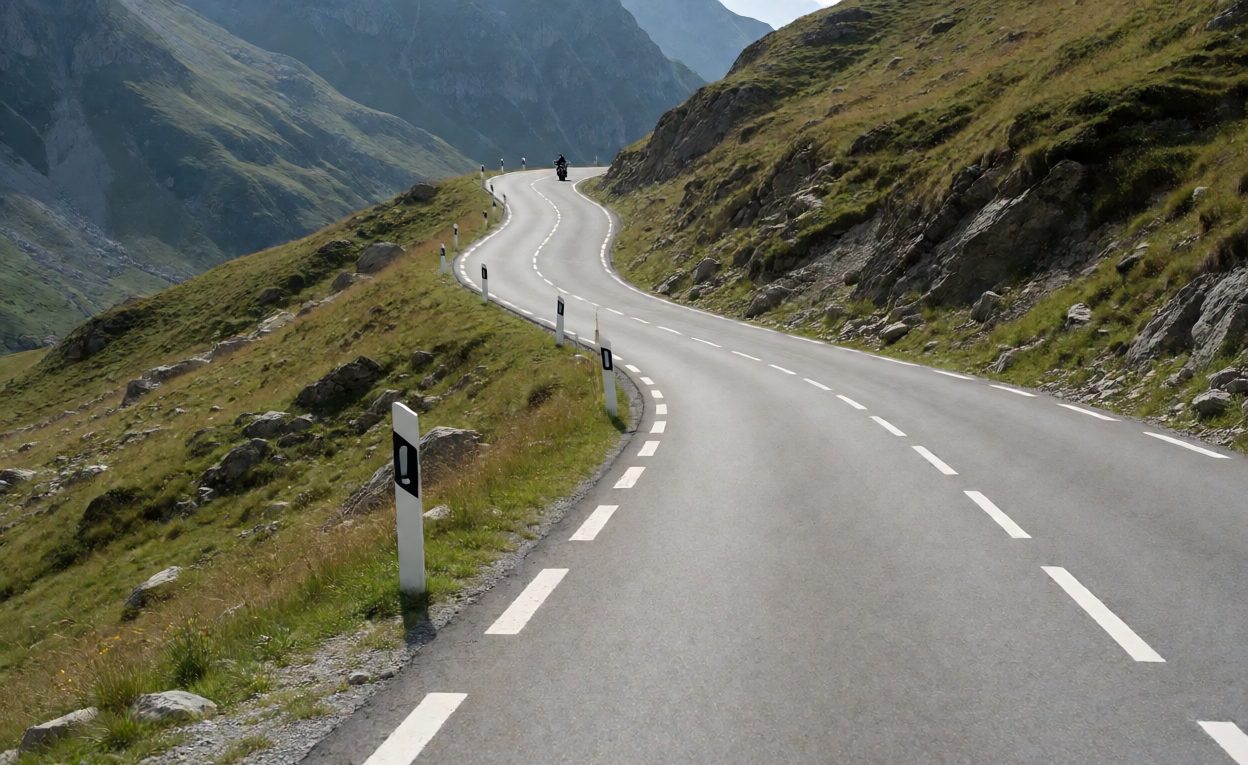
Altitude lowers air density, which lowers cylinder filling, which changes the mixture an engine wants. A carburetted engine naturally gets richer as altitude rises because the same jet passes the same volume of fuel into less air. An EFI engine with a closed-loop oxygen sensor will compensate within a range, then hit its limits. A bike validated only near sea level can run poorly in the Andes, the East African highlands or the Altiplano, and the fix is usually a jet or a calibration change.
The specification question is therefore where the bike will be used and at what altitude band. Importers distributing into high-altitude markets should ask for a high-altitude calibration or jetting variant, and confirm it with a fuelling curve rather than a verbal assurance. The cost is trivial at the factory; the cost of retrofitting a fleet is not.
What to Specify in the Order
Three lines in a purchase specification resolve most of this: the assumed fuel octane range, the maximum service altitude, and the variant or calibration applied to meet both. Add a clause covering what the supplier will and will not warrant when the market fuel falls outside the stated range, and what evidence the buyer must provide for a fuelling-related claim.
The evidence side is where most programmes fail. Require that dealers record fuel brand, grade and any observed abnormal combustion on a claim form, and keep sample bottles where contamination is suspected. A claim programme that captures this information resolves disputes in days; one that does not argues for months.
Reading the Fuelling Data
Fuelling curves are not intuitive, but a few landmarks help. A correctly tuned engine across the load range shows a mixture that leans out under cruise and enriches under full load, with a safety margin for octane variation. A tune that only works at one altitude and one fuel grade will show either a consistently rich or a consistently lean bias, and the symptoms change with both temperature and load. If the supplier cannot produce a curve, that is itself an answer about how the model was validated.
It is also worth asking which internal combustion engine variant the model uses, since fuelling architecture differs between carburetted and injected versions and the maintenance implications at the dealer differ accordingly. A dealer network trained only on carburettor tuning will struggle with an injected fleet.
A final note on documentation: keep the jetting or calibration matrix in the parts catalogue mapped to market rather than to model. It sounds administrative, but it is what lets a dealer order the right carburettor part from a part number instead of describing the problem to a parts clerk.
Related reading for buyers working through the same question: 125cc street motorcycle wholesale a technical guide to selecting a trusted supplier for global distribution, 125cc vs 150cc vs 250cc motorcycles how importers choose the right mix and 2024 motorcycle chain care guide pro techniques for peak performance cover the surrounding decisions this specification depends on.
Frequently Asked Questions
Can altitude damage an engine?
Running a carburetted engine too rich at altitude wastes fuel and fouls plugs, while an EFI engine hitting its compensation limits can lean out under load. Sustained detonation from low-octane fuel is the more serious risk to internals.
What octane should I specify?
Specify the lowest octane actually sold at retail in the destination market, not the premium grade. A tune that only works on premium excludes most of the addressable market and generates claims.
Is a high-altitude variant expensive?
For carburetted engines it is a jet change; for EFI it is a calibration variant. Both cost far less at the factory than retrofitting, and both can be ordered per destination market.
Does ethanol-blended fuel void warranty?
It depends on the model’s declared fuel compatibility. If the engine is rated to a blend percentage, using that blend is normal use; exceeding it is not, and the clause should say so explicitly.
How do I test fuel quality in the field?
Keep reference samples from each delivery, check for water haze and colour against a fresh reference, and send suspect batches to a local lab. Simple records resolve most contamination disputes without argument.
What should a dealer record on every fuelling claim?
Fuel grade and brand, tank age since fill, altitude of use, symptoms under load versus cruise, and any recent maintenance. These five fields decide most fuelling claims in either direction.
Can a supplier decline a claim over fuel alone?
Only if the specification stated a fuel range and the claim shows evidence of operating outside it. Without a stated range, the supplier is arguing from an assumption the buyer never accepted.
One practical note for distributors covering several altitude bands: keep a single jetting or calibration matrix in the parts catalogue, mapped to market rather than to model. It sounds administrative, but it is what lets a dealer order the right part from a part number instead of describing the problem.