
Экспорт мотоциклов: CBU vs SKD vs CKD: сравнение пошлин, фрахта и локальной сборки
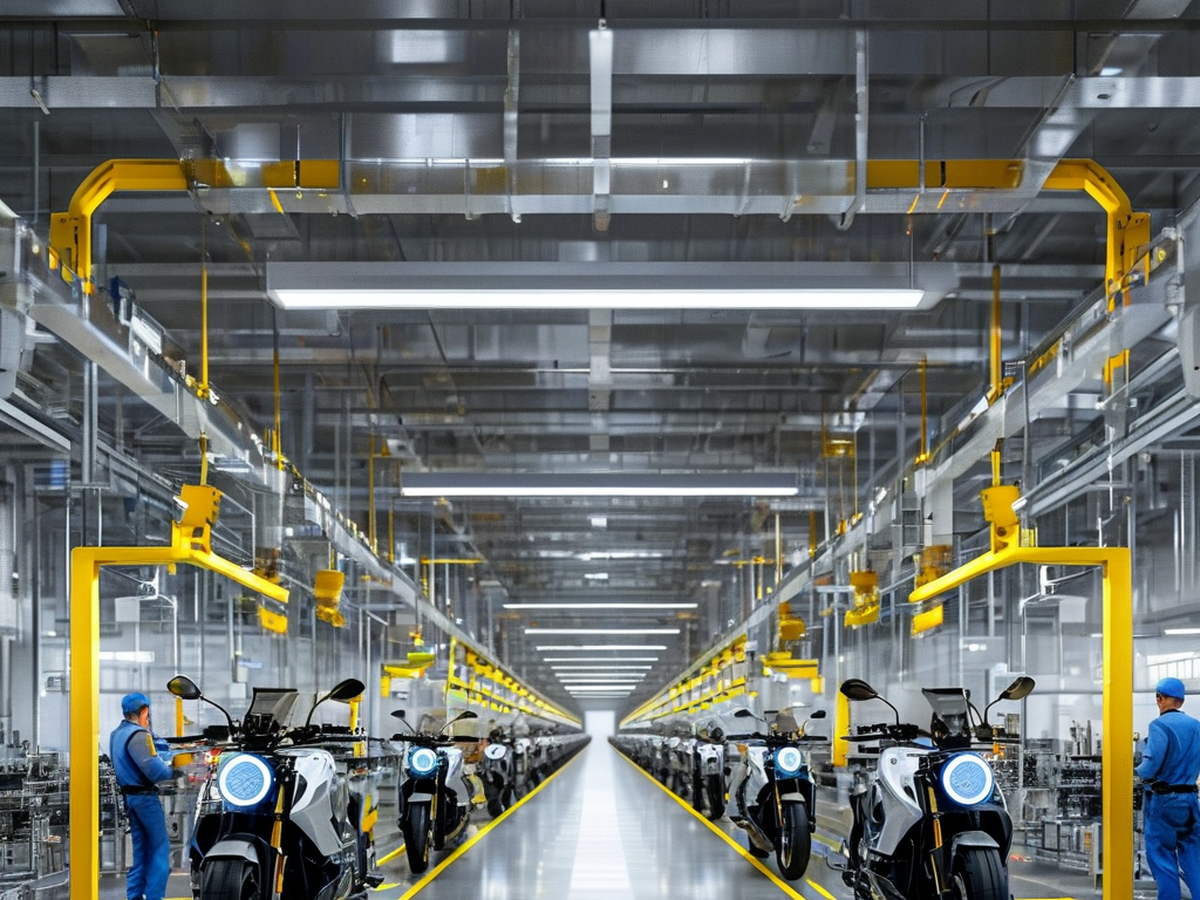
Вы оцениваете импорт мотоциклов из Китая, и первый коммерческий вопрос — как завод отправляет продукт: в готовом для эксплуатации виде, в частично собранном или в виде полного комплекта деталей. Выбор между CBU, SKD и CKD — это не просто логистическая деталь, это меняет вашу конечную стоимость, пошлину при ввозе, потребность в собственной сборочной линии и скорость, с которой вы можете предложить клиентам мотоцикл в состоянии, готовом к продаже.
Это руководство сравнивает три формы экспорта с условием упаковки, коммерческими и гарантийными условиями Мотоцикл Zukida действительно оперируются — таким образом, вы можете выбрать форму, которая соответствует политике вашего рынка, вашим сборочным возможностям и вашей денежной позиции, прежде чем вы обязуетесь к контейнеру.
Что на самом деле означают CBU, SKD и CKD
Три термина, три очень разных импорта проекта:
- CBU (полностью собранный блок) — мотоцикл отправляется полностью собранным и готовым к эксплуатации, защищенным для контейнерного транспорта. Покупатель может сразу перепродать, продемонстрировать или зарегистрировать его; со стороны импортёра сборочное предприятие не требуется.
- SKD (полу-разобранный) — большинство под-сборки отправляются полными, но финальное соединение, проводка и проверка качества остаются на стороне импортёра. В Zukida это упаковывается как стальной каркас с основными сборками в картонной коробке или в фанерном ящике, в зависимости от модели и рынка.
- CKD (completely knocked down — полностью разобранный) — мотоцикл отправляется как комплект деталей: двигатель в одной картонной коробке, детали кузова в отдельной картонной коробке или фанерном ящике. Импортёр выполняет 100% финальной сборки. Комплект CKD — стандартная форма для рынков, которые субсидируют местную сборку.
Форма, которую вы фактически имеете право импортировать, зависит от политики страны назначения. Многие развивающиеся рынки применяют самую низкую пошлину к CKD (и иногда SKD) и более высокую пошлину к полностью собранным CBU импорту, именно чтобы стимулировать местные сборочные рабочие места. Некоторые рынки добавляют обязательства по сборке или требования по содержанию местных компонентов к этой пошлинной выгоде. Прежде чем выбирать, запросите у поставщика код ТН ВЭД и основу объявленной стоимости, которые они будут использовать, и подтвердите со своим таможенным брокером, как ваша страна классифицирует каждую форму.
Упаковка: Как каждая форма действительно выглядит в контейнере
Стандартная упаковка Zukida для экспорта, указанная на Странице ЧАВ:
- СКД — стальной каркас + картонная коробка, или фанерный ящик
- ХБП — двигатель в 1 картонной коробке, детали кузова в 1 фанерном ящике; или двигатель в 1 картонной коробке, детали кузова в 1 картонной коробке
- ЦБУ — полностью собранный мотоцикл защищен для контейнерного транспорта
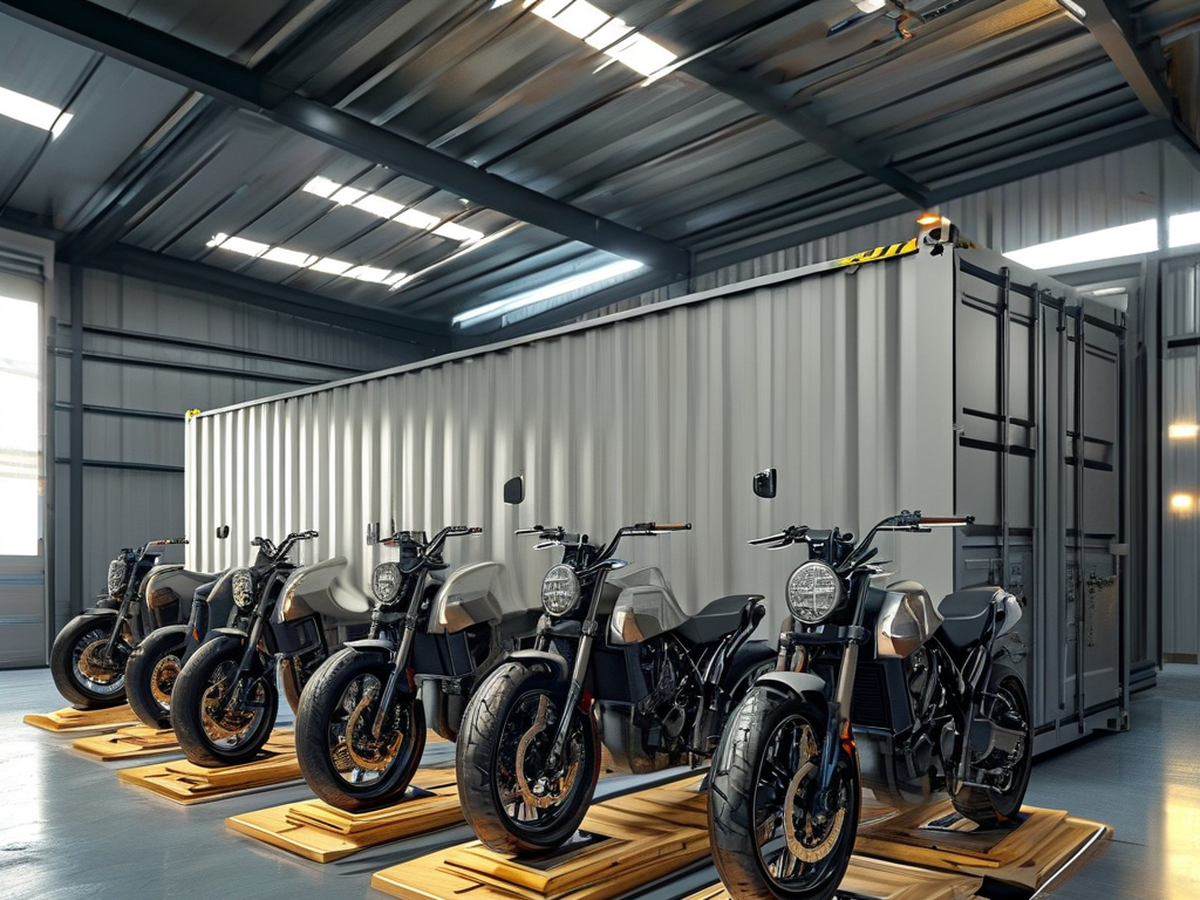
Стиль упаковки обсуждается в зависимости от покупателя и рынка, а конкретные количества загрузки контейнера зависят от точного микса моделей. Если вы планируете по количеству загрузки, запросите у отдела продаж письменный план загрузки для вашего микса моделей, прежде чем вы обязуетесь к отгрузке — количество единиц на 20′ или 40′ контейнер существенно отличается между CBU, SKD и CKD для той же модели.
Таможенная пошлина, фрахт и компромисс локальной сборки
Та же модель в трёх экспортных формах даёт вам три различные стоимости и операционные картины:
| Фактор | CBU (сборная) | SKD (полусборная) | CKD (набор деталей) |
|---|---|---|---|
| Состояние при прибытии | Готова к эксплуатации | Требуется финальная сборка | Требуется полная сборка |
| Типовой примениваемый тариф* | Выше (полностью собранный импорт) | Часто средний/низкий | Самый низкий на рынках, субсидирующих местную сборку |
| Фрахт на единицу | Самый высокий (полностью собранный, громоздкий) | Средний | Самый низкий (максимальная загрузка контейнера, самая плотная) |
| Риск при обработке на прибытии | Самая низкая | Средний | Самый высокий (больше деталей для управления) |
| Требуемые возможности покупателя | Только перепродажа / демонстрация | Цех финальной сборки, контроль качества | Сборочная линия, сварка, контроль качества, логистика запасных частей |
| Время до готового к продаже продукта | Немедленное | Дни | Недели, в зависимости от линии |
| Кастомизация / местное брендинг | Ограниченная | Умеренный | Самая высокая (вы владеете сборкой) |
* Tariff treatment varies by country; confirm with your customs broker before order. The pattern — CBU highest, CKD lowest — is the standard structure that makes local-assembly markets work, but the exact rates and any local-content rules are set by the destination country, not the supplier.
Two practical points that follow from the table:
- Freight economy favors CKD. A parts kit fills the container more densely than full bikes, so the cost per unit of freight goes down. That advantage only helps you if you can absorb the assembly work locally — the freight saving is real, but it does not pay for the assembly line by itself.
- Local assembly is a real investment, not just a tariff play. To run CKD (or SKD) you need your own assembly space, tooling, trained staff, a QC step, and a working spare-parts pipeline. If you do not have that capability yet, CBU is the safer first order even if the tariff is higher — it protects your cash flow and your reputation while you build the capability.
The Commercial Terms That Tie All Three Forms Together
Whatever form you pick, the same payment, production and warranty terms apply. From Zukida’s Часто задаваемые вопросы:
- Minimum order quantity (MOQ) — based on the loading capacity of a 20′ or 40′ container; the exact quantity is confirmed per model mix with the sales team.
- Payment terms — (1) Full T/T: 30% deposit by T/T, balance by T/T before shipment; or (2) T/T + L/C: 30% deposit by T/T, balance by irrevocable L/C at sight.
- Lead time — first order approximately 40 days after deposit or confirmed irrevocable L/C; from the second order approximately 30 days on the same basis.
- Гарантия — 1 year / 10,000 km on permanent parts (engine, chassis, muffler, carburetor, etc.) across all models, plus 100% post-assembly testing (power, speed, lights, emission, etc.) for each batch.
- OEM/ODM — оригинальное производство / оригинальный дизайн — OEM and ODM services are offered, and a spare-parts supply is available for all models. Confirm your specific customization scope (logo, colors, spec changes) with the factory before placing the order, since customization affects MOQ, lead time and price.
If you plan to combine forms in one order — for example CBU for your demo/retail line and SKD or CKD for your assembly-benefit line — say so up front in the inquiry. The loading plan, packing and per-form price differ by form, and the combined-quantity calculation depends on the exact model mix.
Which Form Should You Choose: A Practical Decision Check
Work through this before writing to any supplier — including Zukida:
- Does my destination country give a lower tariff to CKD or SKD for this motorcycle category? Confirm with a customs broker, and confirm the HS code the supplier will use. If the answer is “no tariff difference,” the local-assembly advantage disappears and CBU is usually simpler.
- Do I have (or can I fund) an assembly capability? If no — pick CBU for the first order, or SKD if a light final-join shop is realistic. Do not order CKD into a warehouse that cannot absorb it.
- What is my cash-flow position on inventory and freight? CKD has the best freight economy but the longest path to a sellable unit and the highest handling complexity. Match the form to how fast you need revenue back.
- Do I want to build local branding? CKD with your own assembly line and a local brand is the strongest path; CBU is the weakest path to local brand. Be clear about which strategy you are actually pursuing.
- What will my spare-parts pipeline look like? A CKD importer needs a working parts pipeline from day one of selling. Confirm with the supplier that parts are available for the exact models and revisions you will build, and price that pipeline into the order.
Bringing your answers to this checklist to the supplier means your inquiry is specific enough to get a real quote — a comparison across forms, a realistic MOQ, a lead time and payment terms you can plan around.
How to Write the Inquiry So You Get a Usable Answer
When you send your procurement request to a motorcycle manufacturer, include these eight fields — they are the minimum detail a factory needs to give you a comparable per-form quote:
- Destination market — country, and whether you are a dealer, an assembler or a distributor
- Preferred form — CBU / SKD / CKD, or “all three, with a landed-cost comparison”
- Model mix — the specific models you are considering (see the product catalog for current listings)
- Quantity — units or container count; note if you want a mix of forms across containers
- Customization scope — logo, colors, spec changes, or none
- Your assembly capability — if you are considering SKD or CKD
- Payment terms you can work with — T/T, L/C at sight, or both
- Target arrival date
With that level of detail, a manufacturer like Zukida can respond with a concrete per-form price comparison, a confirmed MOQ per your model mix, the expected lead time (around 40 days on a first order) and the packing/loading plan — which is everything you need to compare quotes across suppliers on the same basis.
Why This Matters for a First-Order Import
Most new importers lose money on the first order by picking the “wrong” form: ordering CKD without an assembly plan, or paying the full CBU tariff when their country’s tariff schedule clearly favors local assembly. The fix is to treat the form decision as part of the commercial negotiation, not a logistics afterthought. Get the tariff treatment confirmed first, then ask the supplier to quote all applicable forms on the same model mix so you can compare landed cost and capability requirement side by side.
If you are ready to start that comparison, send your model mix and destination market to Zukida’s sales team at export@zukidamotorcycle.com (phone: (+86) 13632216145), or use the contact page. The team will return a per-form quote with confirmed MOQ, lead time, packing and payment terms — no obligation to commit before you compare.
Часто задаваемые вопросы
What is the difference between SKD and CKD in motorcycle export?
SKD ships most sub-assemblies complete with final joining done by the importer; CKD ships everything as a parts kit and the importer handles 100% of assembly. SKD needs less local capability than CKD but usually does not get the deepest tariff benefit.
Does CBU shipping protect the bike better than CKD?
Yes. CBU ships assembled and protected for container transit, with the least handling risk at arrival. CKD has the most parts to manage, so it demands the most careful local warehouse and assembly management.
Can I order a mix of CBU and CKD in one container or one order?
Yes, provided you state the model mix and the form breakdown up front. The loading plan, per-form price and total quantity will be calculated on the specific mix you give.
Who pays for shipping in each form?
Shipping is a separate commercial line, not fixed by the export form. Negotiate Incoterms (FOB, CIF, etc.) explicitly with the supplier; this does not change the tariff structure, but it changes who pays the freight and at which port the risk transfers.
Are the payment terms the same for CBU, SKD and CKD orders?
At Zukida the payment terms are set at the order level, not the form level: 30% deposit by T/T with balance by T/T before shipment, or 30% deposit by T/T with balance by irrevocable L/C at sight, with a first-order lead time of around 40 days. Confirm the exact terms in writing with the sales team for your specific order.
What should a new importer choose first: CBU, SKD or CKD?
If you have no local assembly capability yet, start with CBU — it protects your cash flow and reputation while you build the capability. Move to SKD or CKD only once your assembly space, tooling, trained staff and spare-parts pipeline are in place, or when your destination market’s tariff structure makes the local-assembly benefit large enough to justify the investment.