

As the new year unfolds, motorcycle enthusiasts worldwide are preparing their rides for the upcoming season. Among the most critical aspects of motorcycle upkeep, chain maintenance remains paramount for ensuring optimal performance and longevity. This comprehensive guide delves into the latest techniques and best practices for motorcycle chain care in 2024, addressing everything from preventive measures to advanced diagnostic methods.
Understanding Modern Chain Systems and Material Innovations
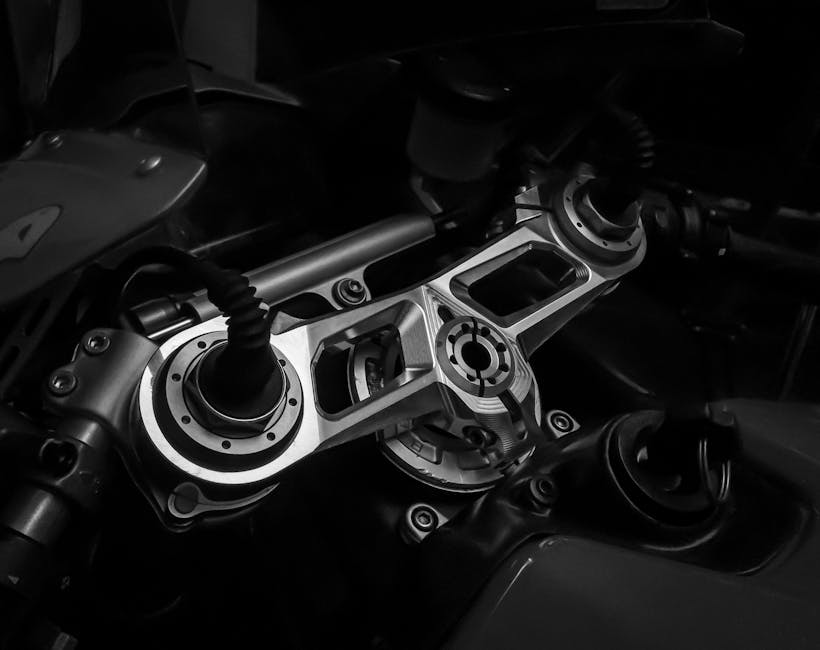
Contemporary motorcycle chains have evolved significantly from traditional designs, incorporating advanced materials and engineering precision. Modern chains utilize high-grade steel alloys, specialized coatings, and precision manufacturing techniques that enhance durability and reduce maintenance requirements. The 2024 models feature chains with improved tensile strength, corrosion resistance, and fatigue performance, designed to withstand increasingly demanding riding conditions.
Material science advances have introduced chains with enhanced wear resistance through surface treatments like chrome plating and ceramic coatings. These innovations not only extend chain life but also improve power transmission efficiency, reducing energy loss and enhancing overall motorcycle performance. The integration of computer-aided design in chain manufacturing ensures perfect alignment and uniform load distribution across all chain components.
Riders should understand that different chain types require specific maintenance protocols. Racing chains, street touring chains, and off-road chains each present unique challenges and maintenance requirements. The choice between O-ring, X-ring, and conventional chains affects lubrication frequency, cleaning procedures, and replacement intervals. For comprehensive maintenance protocols, refer to The Essential Motorcycle Maintenance Checklist for Every Rider.
Preventive Maintenance Scheduling and Inspection Protocols
Establishing a systematic maintenance schedule is fundamental to chain longevity and performance. The 2024 maintenance calendar recommends comprehensive inspections every 500-750 miles for regular riders, with more frequent checks for aggressive riding styles or harsh conditions. These inspections should include visual assessment of chain wear, tension evaluation, and lubrication status checks.
Advanced diagnostic tools now available in 2024 include chain wear indicators, tension gauges with digital readouts, and ultrasonic thickness measurement devices. These tools provide precise measurements beyond visual inspection, enabling early detection of wear patterns and potential failure points. Regular inspection protocols should also encompass sprocket condition assessment, as chain and sprocket wear are interdependent factors affecting overall drivetrain performance.
Preventive maintenance extends beyond routine checks to include seasonal preparations. Before major riding seasons, comprehensive chain system overhauls are recommended, involving complete chain replacement if wear exceeds manufacturer specifications. This proactive approach prevents catastrophic chain failure and ensures optimal performance throughout the riding season. For mastering fundamentals, see Mastering the Fundamentals: 7 Essential Skills for New Motorcycle Riders.
Lubrication Excellence: Advanced Formulations and Application Techniques
The 2024 lubrication landscape features specialized formulations designed for specific riding conditions and chain types. Synthetic chain lubricants now incorporate nanotechnology and advanced polymers that provide superior protection under extreme temperatures, high humidity, and dusty conditions. These formulations offer extended protection periods, reducing maintenance frequency while maintaining optimal chain performance.
Application techniques have evolved to maximize lubricant effectiveness. The 2024 industry standard recommends using minimal quantities of high-quality lubricant, applied to rotating chain links rather than static portions. This targeted approach ensures proper lubrication while preventing contamination of braking systems and other components. Professional-grade application tools now feature precision dispensing mechanisms that ensure consistent lubricant distribution.
Environmental considerations have driven the development of eco-friendly lubricant formulations that maintain performance while minimizing environmental impact. These biodegradable options meet industry standards for motorcycle chain lubrication, providing riders with sustainable maintenance options without compromising performance. For detailed maintenance guidance, check Motorcycle Maintenance 101: A Comprehensive Guide to Keep Your Bike in Peak Condition.
Tension Adjustment: Precision Engineering for Optimal Performance
Chain tension represents one of the most critical maintenance factors affecting motorcycle performance and component longevity. The 2024 precision adjustment protocols utilize digital tension gauges and laser measurement systems to achieve exact specifications for different motorcycle models. Proper tension ensures optimal power transfer, reduces component wear, and prevents chain derailment.
Adjustment procedures vary significantly between different motorcycle designs and chain configurations. Modern motorcycles often feature self-adjusting tension systems, while traditional designs require manual tension adjustment. The 2024 maintenance manuals provide detailed specifications for each model, ensuring proper tension settings that account for chain stretch, sprocket wear, and riding conditions.
Advanced tension monitoring systems now provide real-time chain tension data, enabling riders to maintain optimal settings throughout their riding experience. These systems alert riders when tension adjustments are required, preventing premature component wear and ensuring consistent performance. Professional tension adjustment services utilize precision tools and expertise to achieve exact specifications for each motorcycle model.
Chain Replacement Strategies: When to Replace and How to Select Proper Chains
Knowing when to replace motorcycle chains represents a critical decision that affects both performance and safety. The 2024 industry guidelines recommend chain replacement when wear exceeds 0.75mm at the link pin, or when the chain shows visible signs of elongation, stretching, or damaged components. Early replacement prevents accelerated sprocket wear and potential drivetrain failure.
Chain selection in 2024 requires careful consideration of motorcycle specifications, intended riding conditions, and performance requirements. Factors include chain pitch, plate width, pin diameter, and compatibility with existing sprockets. The latest chains feature improved manufacturing tolerances and enhanced component quality, ensuring optimal performance and longevity for specific motorcycle applications.
Replacement procedures involve careful attention to chain alignment, tension adjustment, and proper lubrication application. Professional chain replacement services include complete drivetrain inspection, ensuring all components work together harmoniously. Post-replacement monitoring protocols help identify any issues with the new chain system and ensure optimal performance.
Advanced Troubleshooting: Diagnosing Common Chain Issues
Chain system problems can significantly impact motorcycle performance and safety. The 2024 diagnostic approach begins with systematic problem identification, using advanced inspection tools and techniques to determine the root cause of issues. Common problems include excessive wear, improper tension, lubrication issues, and component damage.
Diagnostic protocols involve comprehensive chain system analysis, including tension measurement, wear assessment, and component inspection. Advanced diagnostic equipment can identify issues before they become critical, preventing potential failures and ensuring continued safe operation. Professional diagnostic services utilize specialized tools and expertise to provide accurate problem identification and appropriate solutions.
Problem-solving strategies in 2024 emphasize preventive measures and early intervention. Regular monitoring and maintenance protocols help identify potential issues before they develop into serious problems. When problems do occur, systematic troubleshooting approaches ensure efficient resolution and prevent recurrence.
Technology Integration: Smart Monitoring and Maintenance Systems
2024 technology integration has revolutionized motorcycle chain maintenance through smart monitoring systems and data-driven maintenance protocols. Advanced sensors now monitor chain tension, wear patterns, and lubrication status in real-time, providing riders with comprehensive maintenance insights and predictive maintenance alerts.
Smart maintenance systems utilize artificial intelligence and machine learning algorithms to analyze riding patterns, environmental conditions, and chain performance data. These systems provide personalized maintenance recommendations based on individual riding habits and conditions, optimizing maintenance schedules for maximum efficiency and chain longevity.
Connectivity features in modern maintenance systems enable remote diagnostics and professional support, allowing riders to receive expert maintenance advice and assistance when needed. These systems bridge the gap between amateur maintenance and professional service, providing riders with comprehensive support for their chain maintenance needs.
Professional Services: When to Seek Expert Maintenance
While basic chain maintenance can be performed by riders, professional services become essential for complex issues and specialized maintenance requirements. The 2024 professional maintenance industry offers comprehensive chain system services, from routine inspections to complete drivetrain overhauls.
Expert maintenance services provide specialized tools, equipment, and expertise that exceed what most riders can achieve at home. Professional technicians utilize precision instruments and advanced techniques to ensure optimal chain system performance and safety. These services include comprehensive diagnostics, precision adjustments, and expert recommendations for maintenance and component selection.
Choosing the right professional maintenance service requires evaluating expertise, equipment quality, and reputation. The 2024 market features certified technicians and specialized service centers that provide comprehensive chain maintenance services. Professional services ensure that chain systems perform optimally and safely throughout their intended lifespan.
Conclusion: Mastering 2024 Motorcycle Chain Care for Optimal Performance
Mastering motorcycle chain maintenance in 2024 requires understanding modern chain systems, implementing preventive maintenance protocols, utilizing advanced lubrication techniques, and employing precision adjustment methods. The integration of technology and professional expertise provides riders with comprehensive tools and support for optimal chain performance.
Regular maintenance, proper lubrication, precise tension adjustment, and timely component replacement ensure that motorcycle chains perform reliably and safely throughout their intended lifespan. By following the comprehensive maintenance protocols outlined in this guide, riders can maximize their motorcycle’s performance while minimizing maintenance costs and ensuring continued safe operation.
As motorcycle technology continues advancing, staying current with maintenance practices and industry developments ensures optimal performance and longevity. The 2024 chain maintenance landscape offers unprecedented tools and expertise for riders who want to keep their motorcycles in peak condition. For comprehensive motorcycle value insights, explore The Motorcycle Value Guide for Riders in 2025.