

Cafe racers motorcycles turn ordinary bikes into rolling sculpture. The cafe racers motorcycles scene runs on stripped frames, clip-on bars, and personal taste. This guide explains how cafe racers motorcycles are built and where to start. The cafe racer history is documented on Wikipedia.

What Makes Cafe Racers Motorcycles Different
These retro bikes borrow their shape from 1960s Britain: a slim tank, a humped seat, low bars, and short mufflers. Form follows speed between two cafes, even today.
The difference from a stock bike is intent. Every part either serves the look or gets removed. That discipline is why the style never ages. Our cafe racer buyer’s guide covers ready-built options.
Starting Your First Custom Build
Choose a donor bike with a simple frame and a healthy engine. A 125-200cc platform keeps costs and weight low, which suits city riders and first-time builders.
Budget in three parts: the bike, the kit, and the surprises. New riders underestimate the third. The Solo chopper platform adapts well to retro work.
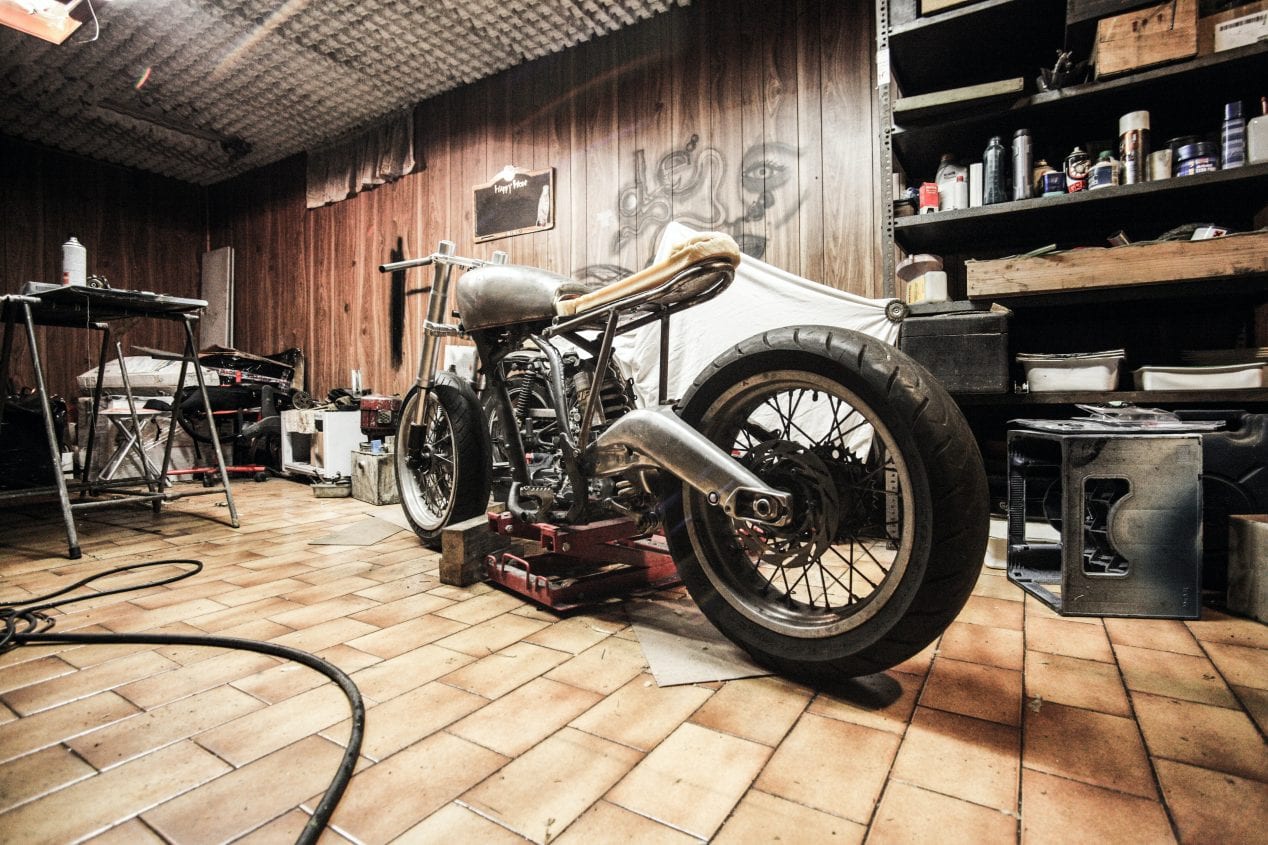
The Parts That Define the Look
A clip-on bar set, rear-set pegs, a stubby seat hump, and a rounded tank do most of the visual work. Lighting stays small and round to keep the line clean.
Exhaust length shapes both sound and stance. Short mufflers sound right but may fail noise rules, so check your local limits before cutting. The Phantom platform shows big-footrest proportions worth studying.
Café-styled builds vs Factory Retro Bikes
Factory café motorcycle models arrive certified, warranted, and insurable. A custom build is cheaper on paper but spends your weekends and may struggle at registration.
Many riders now buy a factory retro bike and restyle it lightly. That path keeps the plates and the personality. Our light-chopper engineering guide explores the shared retro language.
Common Build Mistakes
The classic error is lowering the bars past wrist comfort. Style should not cost control. The second is skipping brake upgrades while adding engine power.
Weight distribution matters more than shine. Keep mass central and low, and the bike will feel as good as it looks.
Where the Scene Is Heading
Electric conversions are entering the custom machines scene, with silent motors inside classic silhouettes. Purists argue; newcomers just ride.
Small factories now ship café-styled platforms ready for personalization, which cuts build time in half. Our supplier audit protocol helps you vet them.
Sourcing Parts Without Getting Scammed
Buy lighting, controls, and seats from sellers who publish fitment lists, not just photos. Universal parts rarely are.
Order critical items twice: one to fit, one to keep. Production runs change, and a spare switchgear saves a season of searching.
Selling or Insuring a Custom Build
Photograph the build in stages and keep receipts. Documentation doubles resale value and simplifies insurance assessments.
Some insurers classify heavy customs as modified vehicles, so disclose the work early rather than arguing after a claim.
Frequently Asked Questions
What makes a café motorcycle different from a standard bike?
The clip-on bars, humped seat, minimal trim, and forward-leaning stance; the mechanicals are usually shared with a standard model.
Can I build a cafe racer from any bike?
Most singles and twins can be converted, but simple air-cooled platforms with clean frames are the easiest first projects.
Are custom cafe racers street legal?
They can be, if lighting, mirrors, and noise meet local rules; factory-retro models avoid the paperwork entirely.
The style reward patience and taste more than money. Pick a simple donor, invest in comfort, and ride it often. Read our full motorcycle buying guide to choose your donor platform.
Related Guides
- Chinese Motorcycle Manufacturers List: Clusters, Names, and Shortlisting
- Cafe Racers Motorcycles: The 2026 Parts and Fitment Guide
- Inside a China Motorcycle Company: Structure, Strengths, and Vetting
Custom Cafe Racer — The Build Phases
A custom build succeeds in phases, not all at once. The table is the order that prevents rework.
| Phase | Do first |
|---|---|
| Plan | Define look + budget + donor |
| Mechanical | Engine, brakes, suspension |
| Strip | Remove excess, simplify |
| Cosmetic | Seat, bars, tank, paint |
| Tune | Carb/jet, final ride |
Frequently Asked Questions
Mechanical before cosmetic?
Always. A beautiful bike that does not run is a shelf item. Sort the running gear, then make it pretty.
How long does a custom build take?
A focused build is a few weekends; an open-ended one is never finished. Set a deadline and a budget cap.
Guides: budget build and style guide. Reference: café racer.