
Tropical Climate Corrosion Protection for Motorcycles
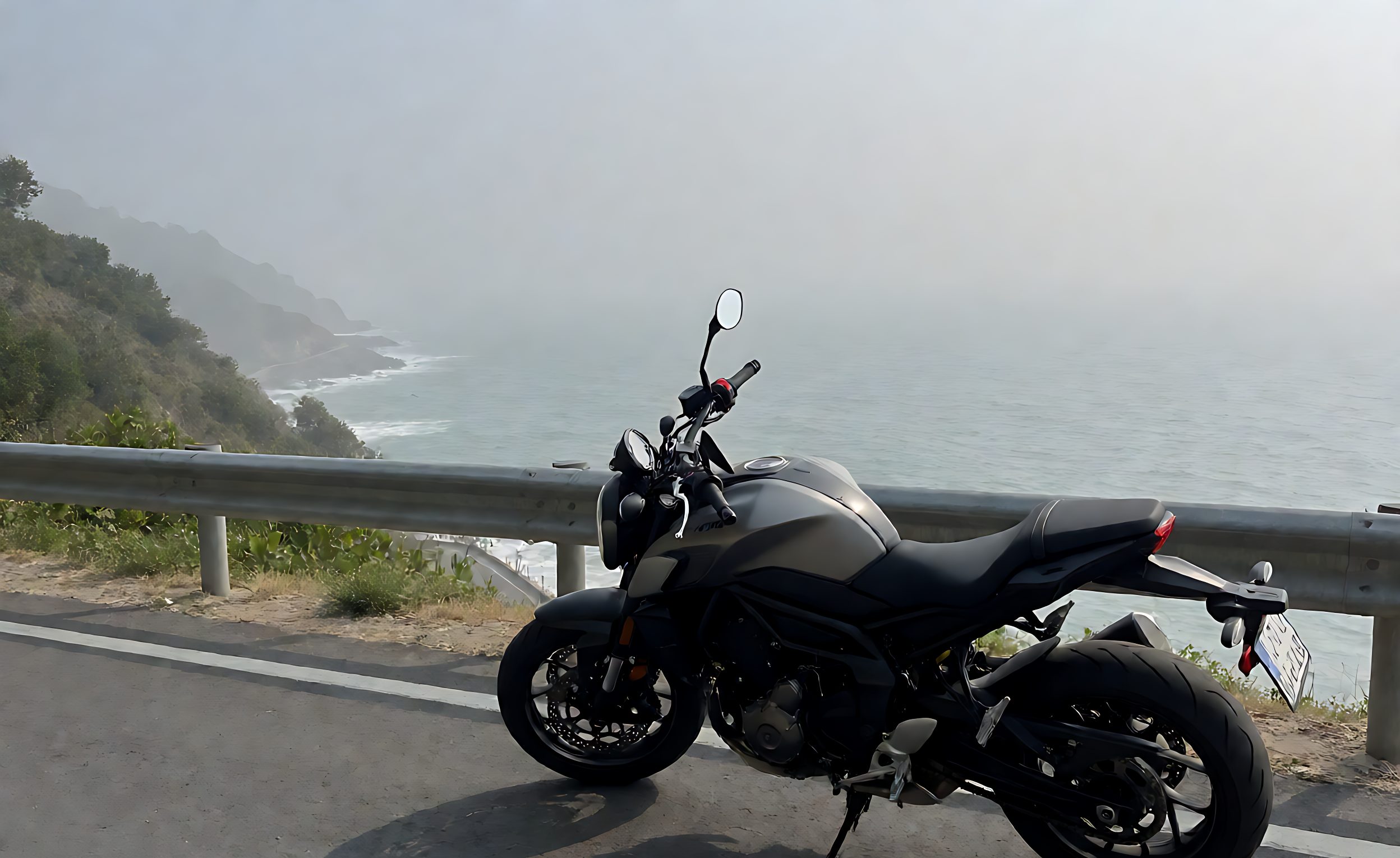
In coastal and equatorial markets, corrosion – not collision or wear – is the most common reason a motorcycle leaves service early. Salt-laden air attacks paintwork from pinholes outward, humidity keeps dissimilar metals damp for months, and high temperature accelerates the electrochemistry. A model with a strong reputation inland can develop a corrosion reputation within two years on an island fleet, and the root cause is usually a specification that never considered the environment.
Corrosion protection is one of the cheapest things to add at the factory and one of the most expensive to retrofit. It is also one of the few specification areas where a buyer can verify what they are getting with a simple test request, which makes it a natural place to be demanding.
Where Corrosion Starts
Corrosion rarely begins in the middle of a painted panel. It begins at fasteners, at cut edges, inside box sections, and wherever two dissimilar metals touch with a path for moisture. The three specification levers follow directly: fastener specification, edge and cavity treatment, and coating thickness and type on exposed areas.
- Fasteners – zinc-plated or stainless hardware in the exterior positions costs marginally more and delays the visible rust that customers associate with a worn-out bike.
- Cavities – wax or wax-based treatment inside frame tubing and box sections prevents internal rust that later vents through paint.
- Coatings – ask for the coating system and its tested salt spray test performance rather than a general claim of weather resistance.
The underside deserves separate attention because it sees salt, water and stone impact together, and it is where coating failures appear first on bikes that spend their life on coastal roads or travel on open decks.
Testing Before You Commit
Salt-spray testing is the standard proxy for coastal service, and asking for the result is a reasonable request on any fleet order. The number to request is hours to a defined failure on the finish system, along with what was tested – a full panel or a fastener sample. A supplier who has tested coastal variants will produce a number; one who has not will change the subject.
Ask also about the underside specifically. Coating systems that perform well on vertical panels often fail on the underside, where water sits and stones strike, and that is exactly where a coastal customer will notice first.

Storage and the First 90 Days
Coating quality determines the ceiling; storage determines how much of it survives to the customer. Units that sit for weeks in a humid, unventilated container or warehouse begin corroding before anyone rides them. Practical measures: ventilated storage, desiccant in containers, keeping units off damp floors, and avoiding long pre-sale storage in coastal yards.
The first 90 days after delivery matter most. A dealer handover that includes a basic wash-and-dry routine, plus a note about coastal care, prevents the early corrosion that later becomes a warranty argument the supplier will refuse to accept because it traces back to storage, not manufacture.
What to Write Into the Contract
A corrosion specification needs three things to be enforceable: the coating system and its tested performance, the fastener and cavity treatment requirements, and a definition of what constitutes corrosion failure versus cosmetic ageing. The third is the one most often missing, and it is what decides a borderline claim. Define it in measurable terms – surface area affected, depth, location – and the programme stops being a negotiation.
For distributors covering several climates, keep a single corrosion specification per market group rather than per model. It simplifies parts ordering, gives dealers one standard to communicate, and makes fleet-wide claims analysis possible.

For distributors covering several climates, keep a single corrosion specification per market group rather than per model. It simplifies parts ordering, gives dealers one standard to communicate, and makes fleet-wide corrosion claims analysis possible instead of anecdotal. The second half of that discipline is tracking which market group each failure came from, because a pattern concentrated in one group is a specification signal rather than a run of bad luck, and the galvanic corrosion mechanism at fastener joints explains most of what a fleet review will find.
Related reading for buyers working through the same question: 125cc street motorcycle wholesale a technical guide to selecting a trusted supplier for global distribution, 125cc vs 150cc vs 250cc motorcycles how importers choose the right mix and 2024 motorcycle chain care guide pro techniques for peak performance cover the surrounding decisions this specification depends on.
Frequently Asked Questions
How much does coastal-grade protection add to unit price?
Typically a small percentage of unit cost for fastener upgrades and cavity treatment. Against a fleet that loses years of service life to rust, it is the highest-return line in the specification.
Does stainless steel solve the problem?
It removes fastener rust, but galvanic corrosion shifts to the joint itself. Correct fastener material for the base metal plus proper isolation matters more than stainless everywhere.
How soon does coastal corrosion appear?
Surface bloom on plated parts can appear within months near surf; structural attack inside cavities takes longer and is usually discovered at service when fasteners no longer release.
Can corrosion damage be repaired?
Surface bloom is treatable with cleaning and touch-up; attack in cavities or at structural joints is not repairable and usually means panel or frame replacement rather than continued service.
What should a dealer do for coastal customers?
Wash and dry after coastal riding, keep the bike out of salt-laden overnight air where possible, and offer a periodic cavity and fastener check as a paid service.
Is salt spray testing realistic?
It is a proxy, not a simulation. It ranks coating systems reliably, which is what a buyer needs when comparing suppliers; real-world performance depends on use and care as well.
Who pays for corrosion claims in year two?
It depends on the contract definition. Without a stated definition, the supplier argues cosmetic ageing and the dealer argues defect; with one, the claim resolves on evidence.