
Chain vs Belt vs Shaft Drive: Picking a Final Drive
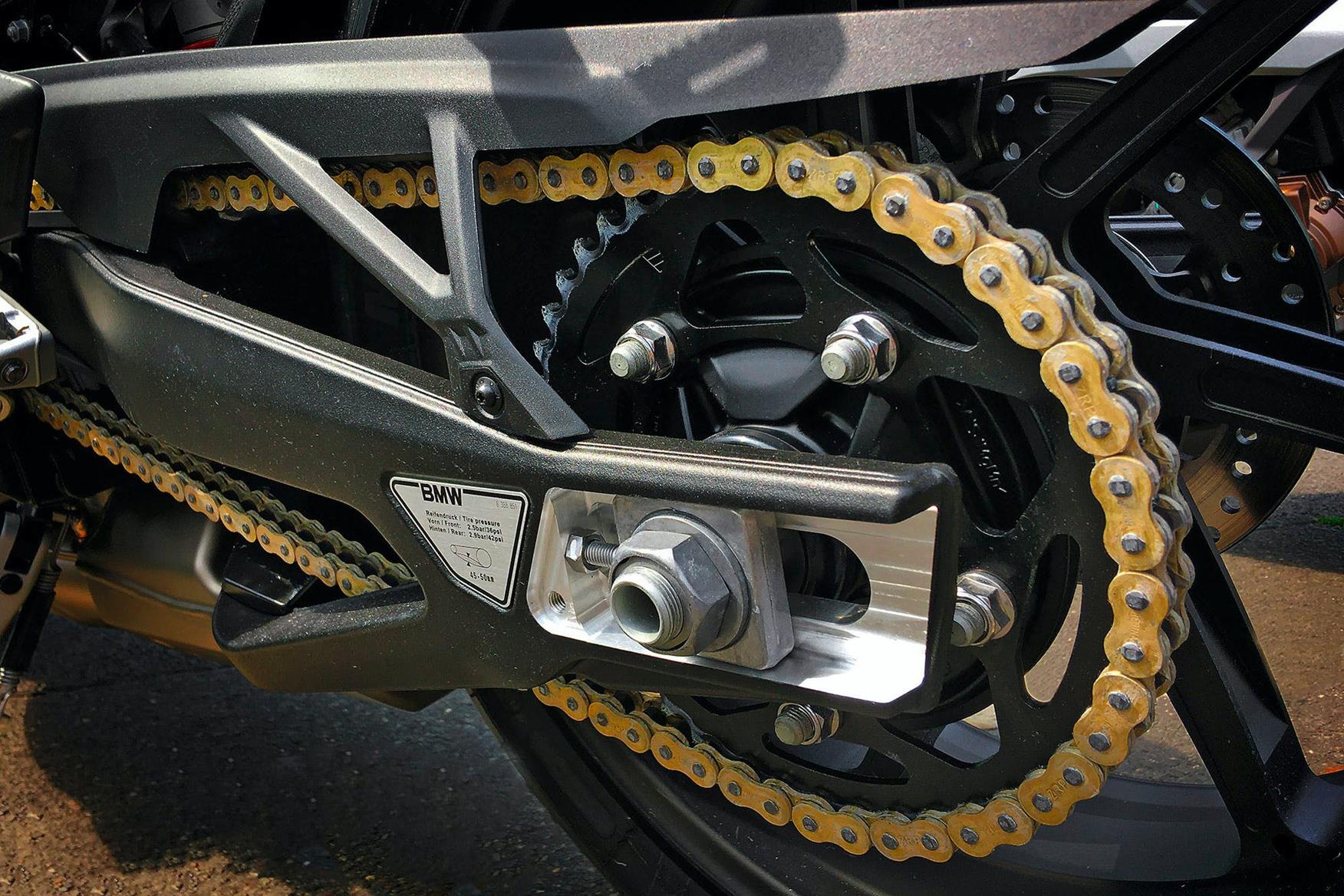
Chain drive is light and efficient but needs regular attention, belt drive is quiet and clean but finite-lived, and shaft drive is nearly maintenance-free but heavy and costly. There is no universal winner, so this guide compares chain vs belt vs shaft drive on how far you ride and how much servicing you accept.
Chain vs Belt vs Shaft Drive: The Comparison in One Table
| Factor | Chain | Belt | Shaft |
|---|---|---|---|
| Efficiency | Highest | High | Lower |
| Service interval | 500-1000 km lube | Inspect periodically | Oil change by schedule |
| Typical life | 15,000-25,000 km | 30,000-50,000 km | Very long |
| Weight / cost | Lightest, cheapest | Light, mid cost | Heaviest, costliest |
Those intervals are typical for road use in clean conditions; dust, rain, and aggressive throttle shorten chain life sharply. Our chain care guide shows the checks that extend it.
Chain: The Default for a Reason
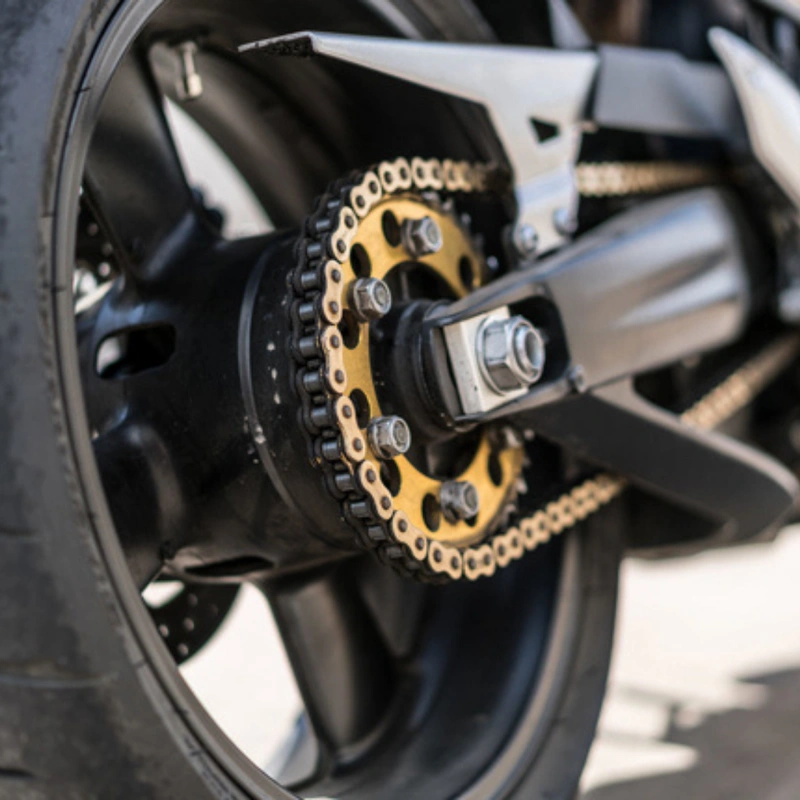
A chain loses the least power between gearbox and wheel, is the cheapest to make, and lets a rider change gearing with a sprocket swap. Almost every dirt bike and most street bikes use one.
The cost is attention: clean and lube every few hundred kilometres, check slack before rides, replace the set when it stretches. Skip that and the chain eats sprockets. The maintenance schedule sets the cadence.
Belt: Quiet and Clean
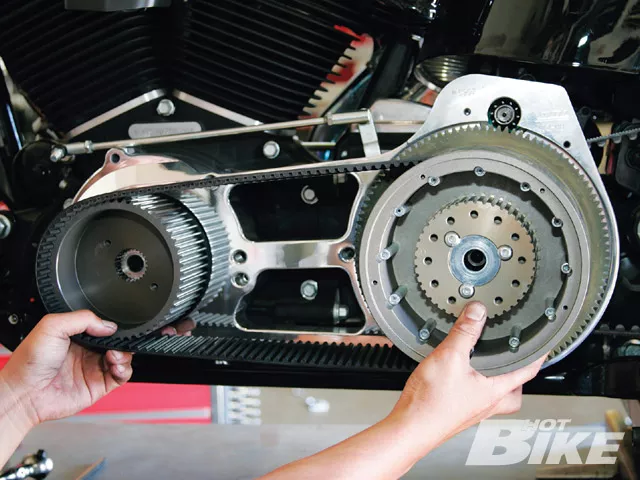
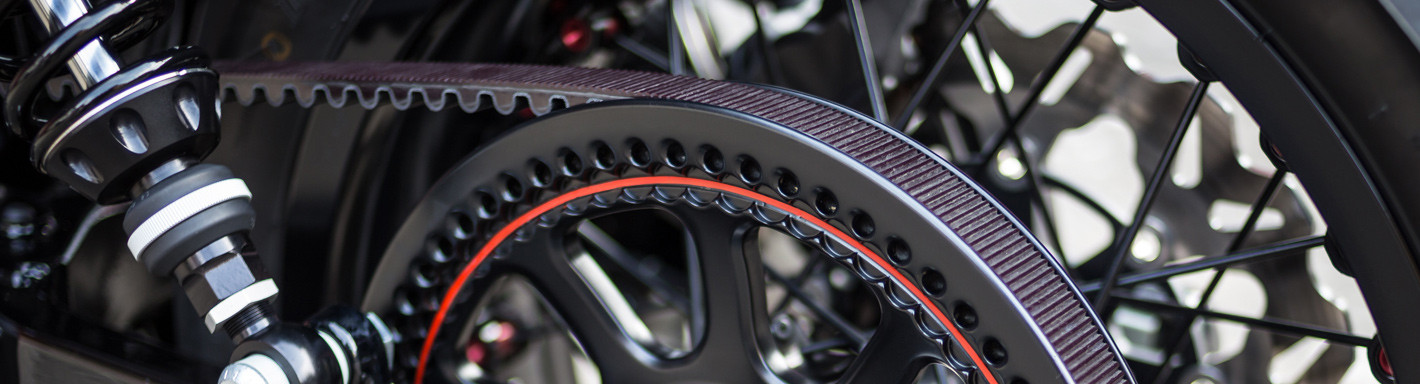
A toothed rubber belt needs no lubrication and runs almost silently, which suits cruisers and urban commuters. It also tolerates neglect far better than a chain.
It is a finite part with a replacement interval, and it dislikes debris — a stone caught between belt and pulley can end it. Carry a spare if you tour far from dealers.
Shaft: Fit and Forget
A shaft in an oil bath runs for years with scheduled oil changes, which is why touring machines and many fleet scooters use it. In bad weather and on bad roads it simply keeps working.
It is heavier, more expensive, and slightly less efficient, and a failure is a workshop job rather than a roadside fix. For high-mileage riders that trade is usually worth it.
Match the Drive to the Job
Dirt and performance: chain, no contest. Cruiser or city commuter: belt if offered. High-mileage touring and fleet duty: shaft. Mixed use with a modest budget: chain, maintained properly.
Fleets should cost the labour, not just the part — a shaft that saves an hour a month beats a chain that is cheaper to buy. The fleet guide models it.
Ordering for a fleet or a dealer batch? The container loading guide covers how many units ship per 20ft or 40ft HQ container.
Frequently Asked Questions
Which final drive lasts longest?
Shaft drive generally lasts longest with only scheduled oil changes, followed by belt at roughly 30,000-50,000 km, while chains typically run 15,000-25,000 km depending on care and conditions.
Are belt drives good for long-distance touring?
They are quiet, clean, and low-maintenance, but belts are finite parts that dislike debris, so long tours far from dealers argue for carrying a spare or choosing shaft drive.
Why do dirt bikes always use chains?
Chains are the lightest and most efficient option, tolerate the shock loads and grit of off-road riding, and allow quick gearing changes — all of which matter more than service intervals off-road.
Is shaft drive worth the extra weight?
For high-mileage touring or fleet use, usually yes: the near-zero maintenance and weather resistance outweigh the weight and efficiency penalty over tens of thousands of kilometres.
Choose the drive by miles and maintenance appetite, not by spec-sheet prestige. Tell us your annual distance, road conditions, and who does the servicing, and we will point you to the platform whose final drive matches how you actually ride.
Further Reading
For deeper background, see motorcycle overview on Wikipedia and China Economic Net for industry data.