
Common Symptoms Indicating Motorcycle Brake Rotor Wear and Maintenance Needs
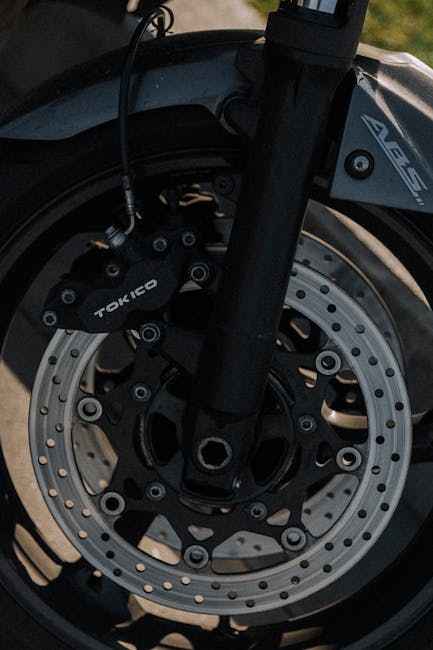
Proper brake rotor maintenance is fundamental to motorcycle safety and component longevity. Understanding the subtle indicators of rotor deterioration enables riders and mechanics to address potential issues before they compromise vehicle performance or endanger lives. This comprehensive guide explores the essential warning signs that signal the need for brake rotor inspection and maintenance, providing actionable insights for maintaining optimal braking performance. For in-depth technical insights into motorcycle components and maintenance strategies, explore our The Essential Motorcycle Maintenance Checklist for Every Rider, which provides comprehensive guidance on keeping your motorcycle in peak condition.
Visual Indicators of Brake Rotor Deterioration
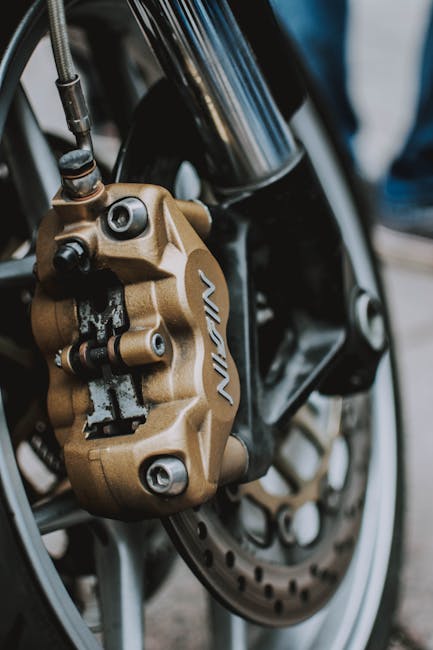
Surface scoring and grooving represent some of the most immediate visual cues requiring professional attention. Deep scratches or grooves etched into the rotor surface create uneven contact with brake pads, resulting in pulsating sensations during braking. These surface imperfections often develop gradually through repeated thermal cycling and abrasive contact with brake pads. Additionally, visible warping manifests as noticeable thickness variations across the rotor face, which can be detected through careful visual inspection or by running a straight edge across the surface. Warping typically occurs when rotors experience excessive heat during hard braking, causing differential thermal expansion that permanently alters the rotor’s flatness.
Color changes serve as another critical diagnostic indicator, with blue or purple staining indicating excessive temperatures exceeding 500 degrees Fahrenheit. This discoloration results from carbon transfer between brake pads and rotors under extreme thermal conditions. While some oxidation is normal, extensive color changes suggest improper brake system operation or excessive wear. Darkening of the rotor surface beyond normal patina may indicate insufficient heat dissipation or overcompensation by brake pads. Regular visual inspections should include checking for these color variations, as they often precede more severe mechanical damage. For detailed information on how to store your motorcycle and maximize its lifespan, including proper maintenance protocols, visit our comprehensive guide on How to Store Your Motorcycle and Maximize Its Lifespan.
Physical Symptoms Requiring Immediate Attention
Brake pedal pulsation or vibration during deceleration signals rotor thickness variations that create uneven braking force distribution. This phenomenon occurs when the rotor surface becomes irregular, causing the brake caliper pistons to move at different rates during the braking cycle. The resulting pulsation can be felt through the handlebars and transmitted throughout the motorcycle frame, indicating the need for professional rotor resurfacing or replacement. Riders experiencing this symptom should avoid aggressive braking until inspection occurs, as continued use may accelerate rotor damage.
Increased stopping distances represent a significant safety concern that often correlates with rotor thickness reduction. When rotors wear below minimum specifications, the effective braking surface area decreases, reducing the overall stopping power of the brake system. This reduction becomes particularly critical during emergency stops or when carrying additional weight. Regular stopping distance testing under controlled conditions helps identify when rotor replacement becomes necessary, as this metric provides quantifiable evidence of reduced braking performance. For comprehensive maintenance guidance, including specific techniques for brake system inspection, refer to our detailed resource on Motorcycle Maintenance 101: A Comprehensive Guide to Keep Your Bike in Peak Condition.
Unusual brake noise, including squealing or grinding sounds during braking, frequently indicates rotor surface deterioration or improper pad-to-rotor clearance. High-pitched squealing typically results from brake pad wear indicators contacting the rotor surface, while grinding sounds suggest metal-to-metal contact between pad backing plates and rotor. These sounds often precede complete brake pad failure and should never be ignored. Additionally, continuous brake engagement during normal riding may produce distinctive grinding noises that indicate rotor glazing or severe surface damage requiring immediate professional intervention.
Performance and Operational Changes
Brake lever feel variations, such as excessive travel or a spongy sensation, often correlate with brake rotor thermal expansion and contraction cycles. When rotors become warped or excessively thin, the brake caliper pistons must travel greater distances to achieve proper pad-to-rotor contact. This change in lever feel indicates rotor thickness reduction beyond safe operating parameters. Mechanics should measure rotor thickness during routine inspections to detect these changes before they affect braking performance.
Brake fluid temperature monitoring provides critical insight into rotor operating conditions and potential overheating issues. Excessive brake fluid temperatures above 250 degrees Fahrenheit indicate that rotors are experiencing thermal stress beyond normal operating ranges. This elevated temperature often correlates with aggressive riding or improper brake system maintenance. Regular brake fluid analysis should include temperature monitoring, as consistently high temperatures may indicate rotor surface damage or inadequate cooling system functionality. For technical insights into the engineering aspects of motorcycle performance and longevity, explore our analysis on The Lifespan of Motorcycle in Years: A Technical Analysis of Engineering and Longevity.
Brake pad wear patterns can reveal rotor condition issues through analysis of contact surface characteristics. Uneven pad wear patterns, particularly thickening on one side of the pad, suggest rotor surface irregularities that create uneven contact pressure. Additionally, pad material transfer to rotor surfaces indicates excessive thermal stress and potential rotor deterioration. Professional brake inspections should analyze both pad and rotor contact patterns to identify underlying rotor condition issues.
Maintenance Scheduling and Professional Inspection
Establishing a comprehensive brake rotor inspection schedule prevents progressive deterioration and ensures optimal safety performance. Professional mechanics recommend visual inspections every 3,000 miles or monthly for frequent riders, with thickness measurements conducted during every second inspection. These regular checks enable early detection of surface deterioration and thickness variations that may precede visible symptoms. Additionally, professional inspections should include brake fluid analysis and caliper functionality testing to ensure complete brake system health assessment.
Advanced diagnostic equipment provides precise measurements of rotor condition and remaining useful life, enabling data-driven maintenance decisions. Laser micrometers and thickness gauges measure rotor surface variations and remaining material thickness with precision beyond visual inspection capabilities. Additionally, thermal imaging equipment can identify hot spots and uneven heat distribution patterns that indicate rotor condition issues requiring immediate attention. Professional mechanics use these tools to establish baseline measurements and track rotor condition changes over time. For comprehensive maintenance scheduling strategies, visit our detailed guide on The Ultimate Motorcycle A-Z Guide: From First Ride to Expert Maintenance.
Manufacturer specifications and technical service bulletins provide critical information about rotor material properties and maintenance requirements specific to different motorcycle models. Each manufacturer establishes unique rotor thickness minimums, cooling requirements, and maintenance intervals based on engine performance characteristics and intended use conditions. Adhering to these specifications ensures optimal rotor performance and prevents premature failure. Professional mechanics maintain current service information and regularly update their diagnostic capabilities to address evolving rotor technology and materials.
Emergency Situations and Safety Protocols
Recognizing emergency rotor failure symptoms enables immediate safety response and prevents accidents. Complete rotor failure during braking creates catastrophic safety conditions requiring immediate vehicle stabilization and professional assistance. Emergency symptoms include complete brake lever free play, inability to maintain brake pressure, or sudden loss of braking function. Riders experiencing these symptoms should immediately pull over to a safe location and seek professional assistance rather than attempting continued operation.
Emergency brake system protocols establish standardized procedures for rotor failure situations, ensuring consistent safety responses across different motorcycle models and riding conditions. These protocols include immediate vehicle stabilization, hazard warning activation, and professional assistance request procedures. Professional mechanics implement these protocols during emergency brake inspections and provide training to riders on recognizing emergency conditions and appropriate response actions.
Regular emergency response training ensures that mechanics and riders maintain preparedness for rotor-related emergency situations. This training includes emergency brake system diagnosis, immediate safety response procedures, and professional assistance coordination. By maintaining emergency preparedness, the motorcycle community can respond effectively to rotor-related incidents and prevent accidents that could result from improper emergency handling.
Preventive Measures and Long-term Maintenance
Proper riding techniques significantly impact rotor longevity by reducing thermal stress and mechanical wear. Aggressive braking and high-speed deceleration create excessive heat and pressure that accelerate rotor deterioration. Progressive braking techniques and anticipatory braking practices help maintain optimal rotor operating conditions and extend component lifespan. Professional riding instruction should emphasize rotor-friendly riding practices and their long-term benefits for motorcycle safety and component performance.
Environmental factors, including humidity, temperature variations, and exposure to corrosive substances, affect rotor material properties and maintenance requirements. Marine environments, industrial areas, and regions with extreme temperature variations require specialized rotor maintenance protocols. Professional mechanics consider these environmental factors when establishing maintenance schedules and selecting appropriate rotor materials and coatings for specific operating conditions.
Quality rotor replacement parts and proper installation techniques ensure optimal brake system performance and component longevity. Original equipment manufacturer rotors provide precise specifications and materials that match the motorcycle’s intended performance characteristics. Professional installation includes proper torque specifications, rotor surface preparation, and complete brake system functionality testing to ensure safe operation. Regular maintenance of replacement rotors through professional inspections maintains the integrity of the entire brake system.
Understanding the comprehensive indicators of brake rotor wear and maintenance needs enables motorcycle owners and mechanics to maintain optimal safety standards and component longevity. Through regular inspection, proper maintenance scheduling, and emergency preparedness, the motorcycle community can ensure reliable brake performance and prevent accidents resulting from brake system failures. Professional guidance and ongoing education remain essential for maintaining the highest standards of motorcycle safety and brake system performance.
We go deeper on this in Pad Inspection Techniques for Motorcycle Safety.