
This comprehensive technical guide provides professional riders and motorcycle operators with precise tire pressure management strategies. Proper tire pressure optimization directly impacts vehicle handling, fuel efficiency, tire wear patterns, and overall riding safety across diverse operational conditions.
Tire Pressure Fundamentals and Technical Specifications
Motorcycle tire pressure measured in pounds per square inch (PSI) represents the air pressure exerted against tire walls. This pressure must balance multiple technical factors including load capacity, rolling resistance, traction, and tire deformation characteristics. Each motorcycle manufacturer specifies unique pressure requirements based on tire dimensions, load ratings, and intended riding applications.
The technical relationship between tire pressure and vehicle performance involves complex physics. Higher pressure reduces rolling resistance but decreases contact patch area, potentially compromising traction. Lower pressure increases contact patch but raises rolling resistance and sidewall flex, affecting handling precision. Professional riders must understand these trade-offs to optimize performance for specific riding conditions.
Manufacturers establish pressure specifications through rigorous testing protocols evaluating tire behavior under various loads, speeds, and environmental conditions. These specifications account for tire construction materials, tread compounds, and structural design elements. Riders should consult manufacturer guidelines or tire sidewall markings for precise pressure requirements.
Load Capacity Calculations and Safety Margins
Load capacity calculations determine maximum safe tire pressure by considering both static and dynamic load factors. Static load includes motorcycle curb weight distributed across all tires, while dynamic load accounts for additional rider weight, luggage, and acceleration forces. Professional racing applications require specific load calculations for maximum performance scenarios.
Safety margins in tire pressure settings prevent catastrophic failures from overloading. Industry standards recommend maintaining minimum pressure levels 10-15% above calculated requirements to accommodate unexpected loads and environmental variations. This margin becomes critical during high-speed cornering when centrifugal forces multiply effective load on tires.
Professional riders must understand that load capacity specifications represent maximum limits, not recommended operating pressures. Exceeding manufacturer-recommended pressures reduces tire life and compromises safety. Conversely, operating below specified pressures creates dangerous conditions including excessive heat buildup and potential tire blowouts.
Seasonal Adjustments and Environmental Factors
Temperature variations significantly impact tire pressure through the ideal gas law relationship. For every 10°F temperature change, tire pressure typically fluctuates by approximately 1 PSI. Professional riders must account for daily temperature swings and seasonal variations when setting and maintaining tire pressure.
Altitude considerations affect tire pressure due to reduced atmospheric pressure at higher elevations. Each 1,000 feet of elevation gain reduces ambient pressure by approximately 1 PSI, requiring correspondingly lower tire pressure to maintain proper operating pressure. This relationship becomes critical for professional riders traveling through mountainous terrain.
Humidity and moisture conditions also influence tire performance. High humidity can affect tire compound behavior and contact grip, while wet conditions require different pressure considerations than dry surfaces. Professional riders develop specific adjustment protocols for varying environmental conditions to maintain optimal tire performance.
Tire Wear Patterns and Pressure Optimization
Tire pressure directly correlates with wear pattern distribution across the tire tread. Properly inflated tires exhibit uniform wear patterns, while incorrect pressure creates uneven wear that shortens tire life and affects performance characteristics. Professional riders monitor wear patterns to diagnose pressure-related issues and optimize tire performance.
Underinflated tires experience excessive shoulder wear and reduced center tread contact, compromising straight-line stability and fuel efficiency. Overinflated tires concentrate wear on center tread areas, reducing overall traction and increasing vibration. Professional riders identify these wear patterns through regular inspection and adjust pressure settings accordingly.
Advanced tire analysis techniques help professional riders optimize pressure settings for specific riding applications. Track racing, touring, and daily commuting each require distinct pressure configurations to balance performance, comfort, and tire longevity. Riders develop systematic approaches to pressure optimization based on extensive testing and data analysis.
Professional Maintenance Procedures and Tools
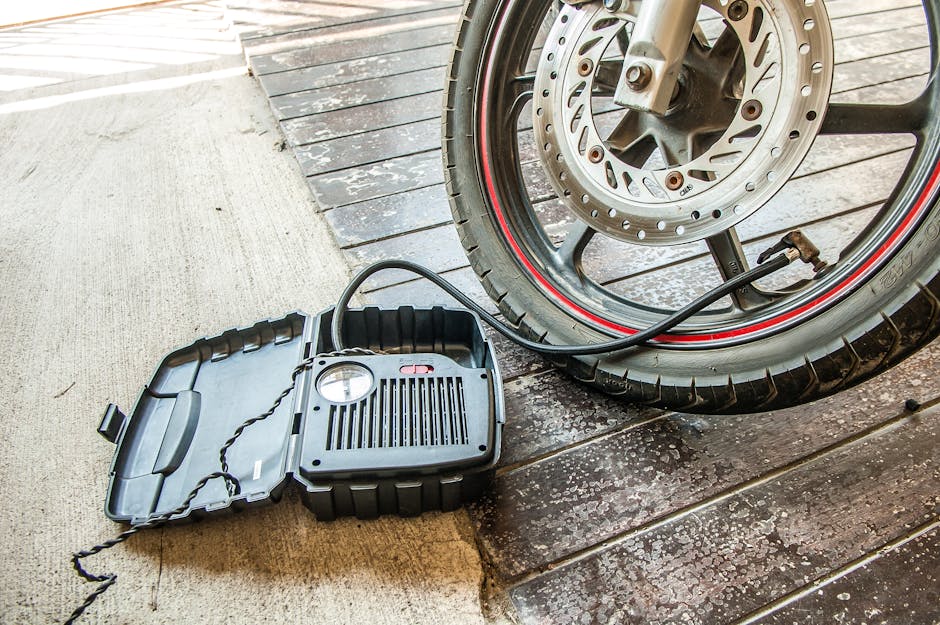
Professional tire pressure maintenance requires precision tools and systematic procedures. Digital pressure gauges with high accuracy and temperature compensation provide reliable measurements essential for professional applications. Calibration of pressure testing equipment ensures consistent, repeatable measurements across all maintenance operations.
Professional riders establish regular maintenance schedules based on riding frequency, conditions, and tire type. Daily inspection of pressure and tire condition becomes routine practice for professional operators. Automated tire pressure monitoring systems provide continuous data collection and alerting capabilities for high-performance applications.
Technical procedures for pressure adjustment include proper inflation techniques, safety protocols, and quality control measures. Professional maintenance involves systematic verification of pressure settings, tire condition assessment, and record keeping for performance analysis. These procedures ensure consistent tire performance and safety standards across all operations.
Advanced Performance Optimization Techniques
Professional riders employ sophisticated techniques for optimizing tire pressure based on specific performance requirements. Weight distribution analysis, aerodynamic considerations, and dynamic load calculations inform pressure settings for maximum performance. These techniques require advanced understanding of motorcycle dynamics and tire behavior.
Track-based pressure optimization involves precise calculations for specific racing circuits, weather conditions, and vehicle setups. Professional racing teams develop proprietary pressure protocols based on extensive testing and data analysis. These protocols account for track characteristics, weather patterns, and vehicle performance optimization strategies.
Endurance riding applications require pressure settings that balance performance with tire longevity. Professional endurance riders develop systematic approaches to pressure management that maintain consistent performance throughout extended riding periods while minimizing tire degradation.
Safety Considerations and Risk Management
Tire pressure safety represents critical risk management considerations for professional riders. Proper pressure maintenance prevents catastrophic failures, reduces accident risk, and ensures reliable vehicle operation under extreme conditions. Professional safety protocols emphasize systematic pressure monitoring and maintenance procedures.
Risk assessment for tire pressure includes evaluating environmental conditions, vehicle load, and riding style factors. Professional riders develop comprehensive risk management strategies that account for various operational scenarios and potential failure modes. These strategies incorporate redundancy, monitoring systems, and emergency protocols for extreme conditions.
Insurance and liability considerations influence professional tire pressure management protocols. Many professional riding operations require specific documentation and maintenance records for insurance coverage. Professional riders maintain detailed pressure records and maintenance logs to support safety protocols and regulatory compliance requirements.
Conclusion: Professional Tire Pressure Mastery
Mastering motorcycle tire pressure management represents essential technical competency for professional riders. This comprehensive approach to tire pressure optimization encompasses fundamental physics, advanced engineering principles, and practical application techniques. Professional riders develop systematic approaches to pressure management that balance performance, safety, and tire longevity requirements.
The integration of modern technology, advanced analytical techniques, and rigorous maintenance protocols enables professional riders to achieve optimal tire performance across diverse operating conditions. This mastery of tire pressure management contributes significantly to overall vehicle performance, rider safety, and operational efficiency in professional motorcycle applications.
Continuous learning and adaptation remain essential for professional tire pressure management. As tire technology advances and riding applications evolve, professional riders must stay current with new developments and refine their pressure management techniques accordingly. This commitment to excellence ensures continued safety, performance, and reliability in professional motorcycle operations.