
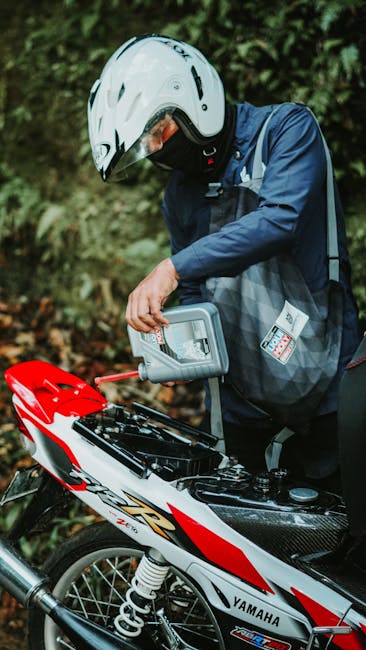
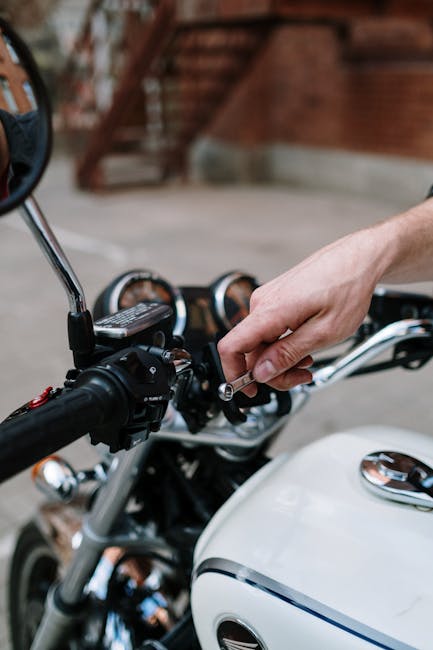
Regular monthly maintenance is the cornerstone of motorcycle ownership, directly impacting performance, safety, and the overall lifespan of your machine. This comprehensive guide outlines the critical tasks that should be performed each month to keep your motorcycle in peak condition, preventing costly repairs and ensuring reliable operation for years to come.
Engine Oil and Filter Inspection
Monthly oil checks are fundamental to maintaining engine health. Begin by checking the oil level using the dipstick, ensuring it sits within the recommended range. Low oil levels can lead to engine overheating and premature wear. If the oil appears dark or contaminated, consider changing it sooner than the manufacturer’s recommended interval. Additionally, inspect the oil filter for signs of damage or excessive debris, which may indicate underlying engine issues requiring professional attention.
Engine oil serves as the lifeblood of your motorcycle’s powertrain, providing lubrication, cooling, and cleaning functions. Regular oil analysis can reveal early signs of engine problems, including excessive wear particles or coolant contamination. Many modern motorcycles feature oil level sensors that alert riders when attention is needed, but manual checks remain essential for comprehensive maintenance.
For specific motorcycle models, the oil change interval may vary. For example, Harley-Davidson recommends oil changes every 3,000 miles or 3 months for their touring models, while Ducati suggests 10,000 kilometers or 6 months for their Panigale series. Always consult your owner’s manual for manufacturer-specific guidelines, as these can vary significantly between different engine types and riding conditions.
Oil contamination can occur from various sources, including water ingress, fuel dilution, or metal shavings from internal components. Water contamination is particularly common in motorcycles ridden in wet conditions, where condensation can form in the oil reservoir. Early detection through regular visual inspection and oil analysis can prevent catastrophic engine failure and save thousands in repair costs.
Tire Maintenance and Pressure Monitoring
Tire condition significantly affects handling, braking performance, and fuel efficiency. Monthly inspection should include checking tread depth using a penny test, examining sidewalls for cracks or bulges, and verifying proper inflation pressure. Tire pressure should be checked when tires are cold, typically before the first ride of the day, as temperature changes can affect pressure readings.
Tire maintenance extends beyond pressure checks to include rotation scheduling and alignment verification. Uneven tread wear patterns may indicate suspension misalignment or improper inflation, requiring professional inspection. Regular tire maintenance not only ensures safety but also maximizes the lifespan of expensive tire investments, providing better value over time.
Tire rotation should be performed every 2,000 to 3,000 miles to ensure even wear distribution. Front and rear tires experience different loads and stresses, making rotation essential for maximizing tire life. For example, sport touring motorcycles like BMW R1200GS typically require more frequent rotation due to their higher speeds and aggressive riding styles. Track-day motorcycles such as Yamaha R1, on the other hand, may need more frequent pressure monitoring due to the extreme forces exerted during racing conditions.
Seasonal tire maintenance is equally important. Winter tires should be installed on motorcycles when temperatures drop below freezing, providing better traction on icy roads. Summer tires are recommended for warmer months, offering superior performance in dry conditions. Some premium motorcycles like Moto Guzzi V7R and Triumph Tiger series come with tire pressure monitoring systems that alert riders to significant changes in pressure, helping prevent dangerous blowouts during high-speed riding.
Brake System Assessment
Monthly brake inspection is critical for safety and performance. Check brake pad thickness using the manufacturer’s specifications, typically requiring replacement when pads reach 3-4mm thickness. Examine brake rotors for scoring, warping, or excessive wear, which can cause vibration during braking. Test brake feel during gentle stops to identify any sponginess or unusual noises that may indicate air in the lines or hydraulic issues.
Brake fluid condition requires attention as well, with most manufacturers recommending replacement every 2-3 years or 20,000-30,000 miles. Contaminated brake fluid can compromise stopping ability and cause premature brake component wear. Professional brake bleeding may be necessary when fluid appears dark or when performance issues are detected.
Brake pad material varies significantly between manufacturers, affecting replacement intervals. Ceramic brake pads, commonly found on motorcycles like Honda Gold Wing and Kawasaki Z900RS, typically last longer than semi-metallic alternatives but may be more expensive to replace. Carbon-ceramic brake systems, found on high-performance models such as Ducati Panigale V2 and Aprilia RSV4, offer superior stopping power but require specialized maintenance procedures.
ABS system maintenance is increasingly critical as modern motorcycles feature electronic brake assistance systems. BMW’s Dynamic Brake Control and Yamaha’s Integrated Braking System require periodic software updates and component calibration. These systems can be checked through manufacturer-specific diagnostic tools, ensuring optimal performance and safety during emergency stops.
Chain and Sprocket Maintenance
Proper chain tension and lubrication are essential for efficient power transfer and component longevity. Monthly inspection should verify chain tension using the manufacturer’s recommended specifications, typically allowing 25-30mm of vertical movement at the center. Excessive slack can cause power loss and chain skipping, while too much tension creates premature wear on sprockets and bearings.
Chain lubrication is equally important, with wet lube suitable for wet conditions and dry lube recommended for dusty environments. Apply lubricant to the inner plates while rotating the rear wheel, allowing the chain to work through the lubrication. Regular cleaning removes dirt and grime that accelerate wear, extending both chain and sprocket life significantly.
Chain wear measurement is critical for maintaining proper bike performance. A chain stretch gauge can determine if the chain has stretched beyond acceptable limits, typically 1% of the total length for new chains. For motorcycles like Harley-Davidson Softail series and Indian Scout, chain maintenance is particularly important due to their high-torque engines that place additional stress on the drivetrain components.
Sprocket wear patterns can indicate improper chain tension or alignment issues. Worn sprockets often show hook-shaped teeth, indicating chain stretch and improper engagement. Replacement sprockets should match the original specifications exactly, as mismatched sprockets can cause premature wear on other drivetrain components and affect overall bike performance.
Electrical System Verification
Monthly electrical checks ensure reliable operation of lights, signals, and ignition systems. Test all lights including headlights, taillights, turn signals, and brake lights, noting any dimness or failure. Check battery terminals for corrosion and ensure proper connection tightness. Battery condition affects starting performance and electrical system reliability, particularly important during cold weather months.
Fuse inspection prevents unexpected electrical failures during rides. Replace any blown fuses with exact specifications, investigating underlying causes that may have led to the failure. Modern motorcycles feature sophisticated electrical systems with computer-controlled components, making regular testing essential for maintaining proper functionality and preventing expensive diagnostic issues.
Modern motorcycles like BMW S1000RR and Yamaha YZF-R1 feature complex electrical systems with multiple computer modules controlling engine performance, traction control, and ABS functionality. These systems require periodic software updates and diagnostic testing using manufacturer-specific tools. Professional electrical diagnostics can prevent costly component failures and ensure optimal performance of sophisticated electronic systems.
Battery maintenance is particularly critical for motorcycles with electronic features. Cold-weather battery performance drops significantly, with some batteries losing up to 40% of their capacity in temperatures below freezing. Motorcycle-specific batteries like those from Optima and DieHard offer better performance in extreme conditions compared to standard automotive batteries. Battery monitoring systems, found on premium models like Harley-Davidson Road King and Triumph Thunderbird, can alert riders to potential charging system issues before they cause complete battery failure.
Suspension and Steering Inspection
Suspension performance affects both comfort and handling, requiring monthly assessment for proper operation. Check for unusual noises, excessive travel, or harsh rebound when riding over bumps. Inspect suspension components for oil leaks, damage, or excessive wear on bushings and pivot points. Steering head bearing play can be checked by holding the front brake and rocking the handlebars side to side, feeling for any excessive movement.
Suspension settings may need adjustment based on riding conditions and load requirements. Air suspension systems require pressure monitoring, while coil springs need visual inspection for fatigue or damage. Proper suspension maintenance ensures better traction, reduces rider fatigue, and extends tire and brake component life through improved weight distribution.
Motorcycle suspension systems vary significantly between different models and riding styles. Sport motorcycles like Kawasaki Ninja ZX-14R feature adjustable suspension settings for different track conditions, while touring motorcycles such as Harley-Davidson Ultra Classic require different suspension tuning for carrying heavy loads. Air suspension systems found on premium models like BMW K1600GT offer electronic adjustment capabilities for different road conditions and rider preferences.
Steering geometry maintenance is crucial for motorcycle stability and handling. Proper wheel alignment prevents uneven tire wear and ensures predictable handling characteristics. Misaligned steering can cause excessive tire wear, poor handling response, and increased rider fatigue during long rides. Professional alignment services are recommended for motorcycles with significant mileage or after suspension component replacement.
Frame and Body Inspection
Regular frame inspection identifies potential structural issues before they become serious problems. Check for cracks, dents, or corrosion in frame tubes and mounting points, paying special attention to areas around engine mounts and swingarm pivot points. Frame damage can significantly affect handling and safety, requiring professional assessment and repair.
Body panels and fairings should be checked for loose fasteners, damage, or deterioration that may affect aerodynamics or weather protection. Corrosion in hidden areas can weaken structural integrity, making thorough visual inspection essential. Address minor damage promptly to prevent progression and maintain the motorcycle’s structural integrity and appearance.
Frame inspection techniques vary depending on motorcycle construction. Steel frames found on traditional models like Harley-Davidson Heritage Softail require different inspection methods compared to aluminum frames on modern sport bikes like Yamaha R1. Carbon fiber components, found on premium models like Ducati Multistrada and Triumph Street Triple, require specialized inspection techniques to detect internal damage that may not be visible on the surface.
Corrosion prevention is critical for motorcycle longevity, especially in harsh environments. Salt exposure from winter road treatments, humidity from tropical climates, and chemical exposure from industrial areas can all accelerate frame and body deterioration. Regular cleaning and protective treatments, such as those recommended for motorcycles used in marine environments like Yamaha Fazer and Honda CBR600RR, can significantly extend component life and maintain structural integrity.
Final Monthly Checklist and Documentation
Completing a comprehensive monthly checklist ensures no critical maintenance tasks are overlooked. Document completed tasks and any issues discovered for future reference, tracking patterns that may indicate developing problems. Many riders find value in maintaining a maintenance log, recording dates, mileage, and specific actions taken.
Scheduling regular maintenance appointments with qualified technicians ensures professional assessment of complex systems and components. Early detection of potential issues prevents minor problems from becoming major repairs, saving both time and money while maintaining motorcycle reliability. Consider seasonal maintenance adjustments, such as increased attention to cooling systems during warmer months or electrical systems during colder periods.
Proper monthly maintenance demonstrates responsible ownership and investment in your motorcycle’s longevity. Following these systematic checks ensures optimal performance, enhanced safety, and maximum return on your investment in quality motorcycle equipment.
Advanced maintenance tracking systems now available through smartphone apps can help riders maintain comprehensive maintenance records and receive automated reminders for upcoming service intervals. These systems can track oil changes, tire rotations, brake pad replacements, and other critical maintenance tasks, providing valuable data for optimizing motorcycle performance and resale value. Some premium motorcycles like Harley-Davidson LiveWire and Ducati Diavel feature built-in maintenance tracking systems that monitor component wear and recommend service intervals based on actual riding conditions rather than arbitrary mileage milestones.
Professional maintenance services offer additional benefits beyond routine checks, including component analysis, performance optimization, and predictive maintenance. Regular professional assessments can identify potential issues before they cause expensive repairs and ensure that all motorcycle systems are operating within optimal parameters. For high-mileage motorcycles like Harley-Davidson Ultra Classic models with 50,000+ miles or premium sport bikes such as Yamaha R1 with 100,000+ miles, professional maintenance becomes increasingly critical for maintaining reliability and safety.
| Maintenance Task | Frequency | Estimated Time | Tools Required | Cost Range |
|---|---|---|---|---|
| Oil and Filter Change | Monthly or 3,000 miles | 30-45 minutes | Oil filter wrench, socket set, funnel | $50-150 |
| Tire Inspection and Pressure Check | Monthly | 15-20 minutes | Tire pressure gauge, tread depth tool | $0-20 |
| Brake System Assessment | Monthly | 20-30 minutes | Brake pad gauge, socket set | $25-75 |
| Chain Maintenance | Monthly | 25-35 minutes | Chain tension gauge, degreaser, lubricant | $15-40 |
| Electrical System Check | Monthly | 15-25 minutes | Voltmeter, multimeter, flashlight | $0-30 |
- Engine oil level and condition inspection
- Tire pressure and tread wear assessment
- Brake pad and rotor condition check
- Chain tension and lubrication verification
- Battery terminal corrosion removal
- Suspension component inspection
- Frame and body structure examination
- Electrical system functionality test