
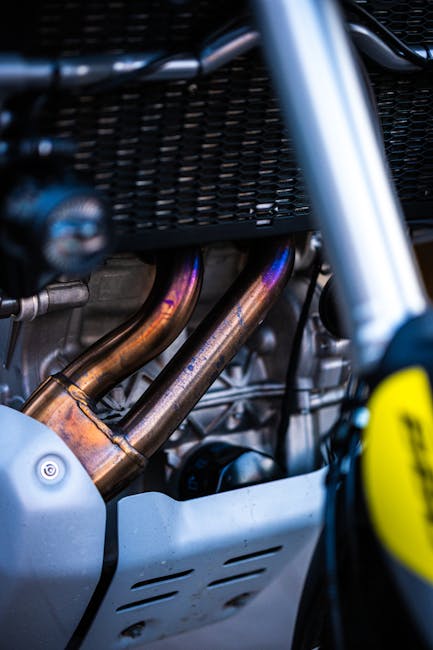
Motorcycle spare parts serve as the foundation for maintaining roadworthy vehicles and optimal performance. Beyond simple replacement, these components form the critical link between manufacturer engineering and rider safety, directly influencing everything from braking effectiveness to engine longevity. Understanding their role extends far beyond basic maintenance—it represents a comprehensive approach to vehicle reliability that protects both riders and their investments.
The Safety Imperative: Why Critical Components Must Never Be Compromised
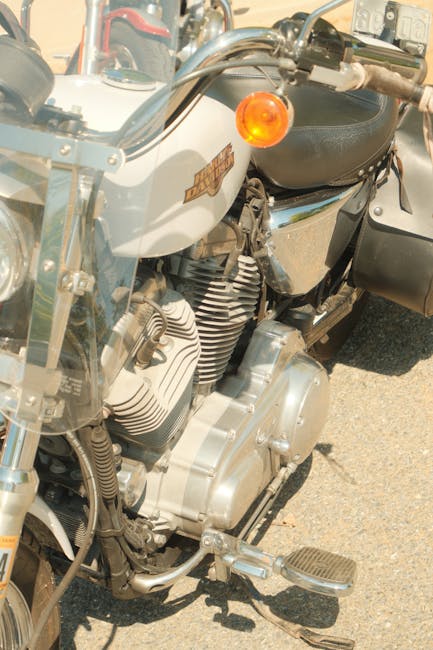
Brake systems represent the most critical safety component category, where even minor wear can result in catastrophic failure. Brake pads, rotors, and hydraulic components work in perfect synchronization to provide predictable stopping distances. When these parts degrade, the entire safety chain fails, making regular inspection and replacement non-negotiable. The engineering precision required for brake system performance means that generic or aftermarket parts may not meet original equipment specifications, potentially compromising rider safety.
Tire condition directly affects vehicle handling, traction, and overall stability. Motorcycle tires experience unique stress patterns due to the vehicle’s weight distribution and dynamic forces during cornering and acceleration. Proper tire selection based on riding conditions, load requirements, and intended use ensures optimal performance while maintaining safety standards. Tire degradation occurs gradually, making regular inspection essential for identifying issues before they become critical.
Performance Optimization Through Strategic Component Selection
Engine components form the heart of motorcycle performance, where precision manufacturing and material selection determine power output and efficiency. Piston rings, gaskets, and valve components must maintain tight tolerances to ensure optimal compression and combustion efficiency. When these components fail, performance degradation becomes immediately apparent through reduced acceleration, increased fuel consumption, and diminished top speed capabilities.
Electrical systems require equally careful attention to component quality, as modern motorcycles depend heavily on electronic controls for ignition timing, fuel delivery, and safety systems. Wiring harnesses, connectors, and electronic modules must withstand vibration, temperature variations, and moisture exposure while maintaining reliable electrical connections. Poor-quality electrical components can cause intermittent failures that compromise both performance and safety.
Cooling system components work in harmony to maintain optimal engine operating temperatures, where overheating can cause catastrophic damage. Radiators, thermostats, water pumps, and cooling fans must function together seamlessly to prevent thermal stress on engine components. Regular maintenance of these systems ensures consistent performance and prevents costly engine rebuilds that could have been avoided through proper component care.
Maintenance Scheduling: The Foundation of Long-Term Reliability
Establishing proper maintenance schedules based on manufacturer recommendations and riding conditions creates a systematic approach to component longevity. Oil changes, filter replacements, and fluid level checks form the backbone of preventive maintenance, while periodic inspection of critical components prevents minor issues from becoming major problems. Professional maintenance schedules consider factors such as mileage, riding conditions, and component wear rates to optimize replacement timing.
Component tracking through maintenance records provides valuable data for future replacement decisions and helps identify patterns in wear rates. Digital maintenance logs allow for precise tracking of component performance over time, enabling data-driven decisions about replacement timing and component selection. This systematic approach maximizes component lifespan while ensuring safety standards are consistently maintained.
Professional inspection protocols ensure that maintenance activities are performed correctly and safely. Certified technicians understand the specific requirements for different motorcycle models and can identify potential issues before they become critical. Proper training in maintenance procedures ensures that replacement components are installed correctly and that all safety systems function as intended.
The Economic Case for Quality Spare Parts
Initial cost considerations often drive decisions about spare parts selection, but the long-term economic impact reveals the true value of quality components. High-quality parts may cost more upfront, but they typically provide longer service life, better performance, and reduced maintenance costs over time. Poor-quality components may need replacement more frequently, creating hidden costs through additional labor and potential damage to other systems.
Component compatibility represents another critical economic factor, as mismatched parts can cause additional wear on related systems and reduce overall vehicle performance. Proper component selection ensures that replacement parts work harmoniously with existing systems, maintaining optimal performance and preventing accelerated wear on other components.
Warranty considerations and manufacturer support play significant roles in long-term economic decisions. Quality parts from reputable manufacturers often come with comprehensive warranty coverage and technical support, reducing the financial risk associated with component failure. This support network provides peace of mind and ensures that replacement parts can be obtained when needed.
Environmental and Sustainability Considerations
Sustainable maintenance practices consider the environmental impact of component replacement and disposal. Proper recycling of old components reduces environmental impact while ensuring that valuable materials are recovered. Many manufacturers now offer recycling programs for old parts, creating a more sustainable approach to motorcycle maintenance.
Component longevity and reliability contribute to overall vehicle sustainability by reducing the frequency of replacements and associated manufacturing impacts. Quality components that last longer require fewer resources for production and transportation, resulting in reduced environmental impact over the vehicle’s operational lifetime.
Modern maintenance practices increasingly focus on extending component life through proper care and maintenance rather than immediate replacement. This approach reduces waste while maintaining safety and performance standards. Educational programs for riders help promote sustainable maintenance practices that benefit both individual owners and the environment.
Technological Advancements in Spare Parts Technology
Advanced materials and manufacturing processes continue to improve spare parts performance and reliability. Ceramic components, carbon fiber parts, and specialized coatings provide enhanced durability and performance characteristics that traditional materials cannot match. These technological advances require proper understanding and application to ensure optimal performance.
Digital connectivity and monitoring systems now provide real-time data about component condition and performance, enabling predictive maintenance and optimal replacement timing. Smart sensors and data analytics help identify potential issues before they become critical, improving both safety and economic outcomes.
Manufacturing innovations such as 3D printing and precision machining allow for on-demand production of replacement parts, reducing inventory costs and improving availability. These technologies also enable rapid prototyping and testing of new component designs, accelerating the development of improved parts for future motorcycles.
Conclusion: The Critical Balance Between Safety and Performance
Motorcycle spare parts represent far more than simple replacement components—they form the essential foundation for maintaining safety, performance, and reliability throughout a motorcycle’s operational life. The careful selection, installation, and maintenance of these components directly impacts rider safety, vehicle performance, and long-term economic considerations. As motorcycles continue to evolve with increasingly sophisticated systems, the importance of quality spare parts becomes even more critical.
Professional maintenance practices, quality component selection, and proper installation procedures work together to ensure that motorcycles remain safe, reliable, and enjoyable to ride. The investment in quality spare parts and proper maintenance pays dividends in safety, performance, and peace of mind that extend far beyond the initial cost of replacement components.
By understanding the critical role that spare parts play in motorcycle safety and performance, riders and dealerships can make informed decisions that protect both human lives and financial investments while contributing to sustainable transportation practices for future generations.