
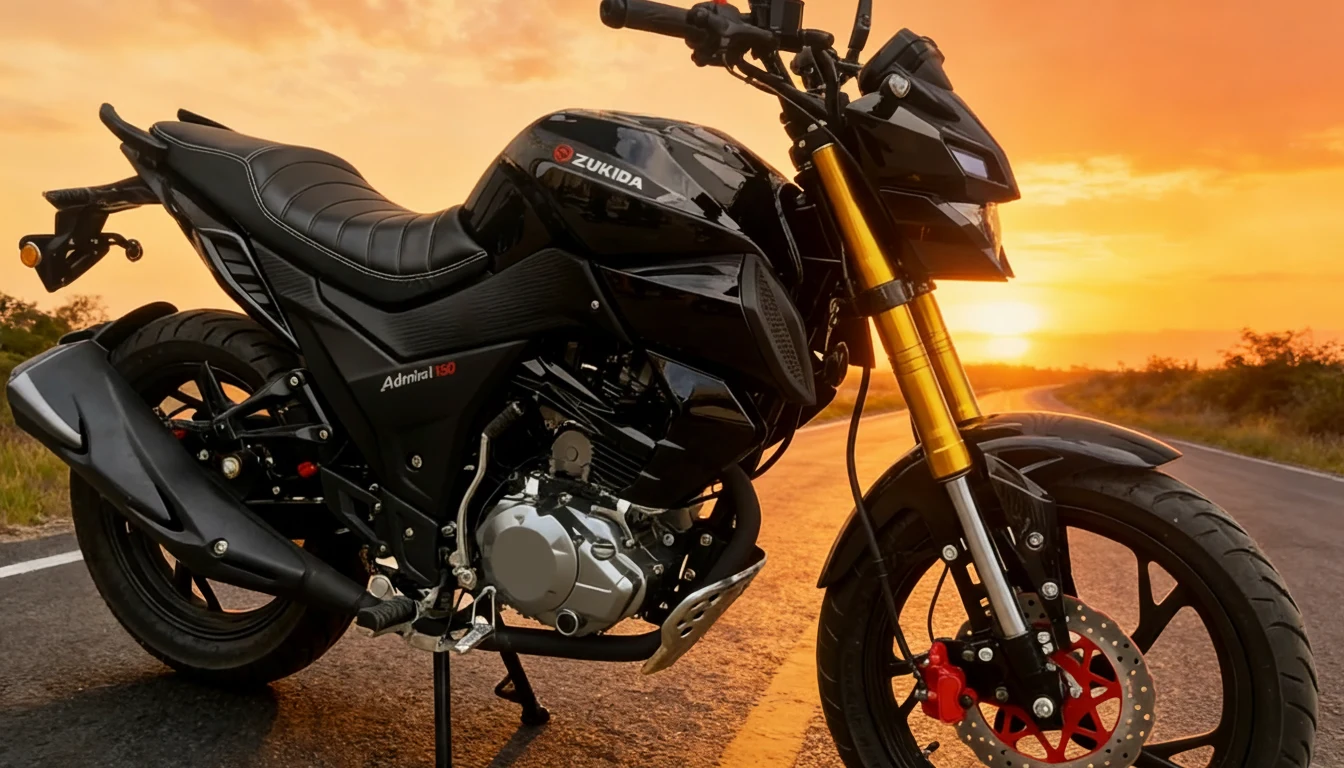
One of the most common questions we receive from new riders and dealers alike is: “How many miles can a motorcycle last?” It is a simple question with a complex answer. At Zukida Motorcycle Co., Ltd., we have been designing and manufacturing engines since 1997. We have seen bikes that look brand new after 50,000 miles, and others that are worn out by 10,000. The truth is, a modern motorcycle’s lifespan depends less on luck and more on engineering quality and owner discipline. Whether you are riding a rugged commuter like the CG125 or a high-performance sportbike, understanding what affects longevity will help you get the most out of your machine.
The Average Lifespan by Motorcycle Type
Not all engines are created equal. The stress placed on an engine varies significantly depending on the category of the motorcycle.
1. Small Displacement Commuters (125cc – 200cc)
These are the marathon runners of the motorcycle world. Bikes like our GN125 Series are designed with low-stress engines. They are built for daily transportation in developing nations where reliability is critical.
- Expected Range: With proper maintenance, these engines can easily exceed 50,000 to 80,000 miles (80,000 – 128,000 km).
- Why they last: Lower compression ratios and simpler designs mean less internal wear.
2. Scooters and Cubs
Scooters, such as the Windy 125, and Cubs like the Wave 110, are often ridden at full throttle in city traffic. While robust, their smaller engines work harder to maintain speed.
- Expected Range: Typically 20,000 to 40,000 miles before needing significant top-end work.
3. High-Performance and Off-Road Bikes
Machines built for adrenaline, like our Defender Dirt Bike or the Tekken 250, prioritize power and weight over infinite longevity. Off-road bikes are often measured in “operating hours” rather than miles due to the harsh terrain.
- Expected Range: Mileage is lower, often 15,000 to 30,000 miles, but this represents intense, hard usage.
The Electric Revolution: A New Definition of Longevity
As we expand our Electric Vehicles line, the question changes. Electric motors have very few moving parts compared to combustion engines. For models like the Lucas E-Bike, the limiting factor is the battery, not the motor. A high-quality lithium battery typically lasts for 500 to 1,000 charge cycles before capacity degrades significantly. This can equate to years of reliable service with virtually zero mechanical engine wear.
The Critical Factor: Maintenance
If you ask how many miles can a motorcycle last, you must also ask: “How well will I take care of it?” Manufacturing quality provides the potential; maintenance realizes it.
Oil Changes are Vital
Oil is the lifeblood of your engine. In small engines, oil capacity is low (often less than 1 liter). Skipping an oil change on a Power 150 can cause rapid overheating and friction damage. 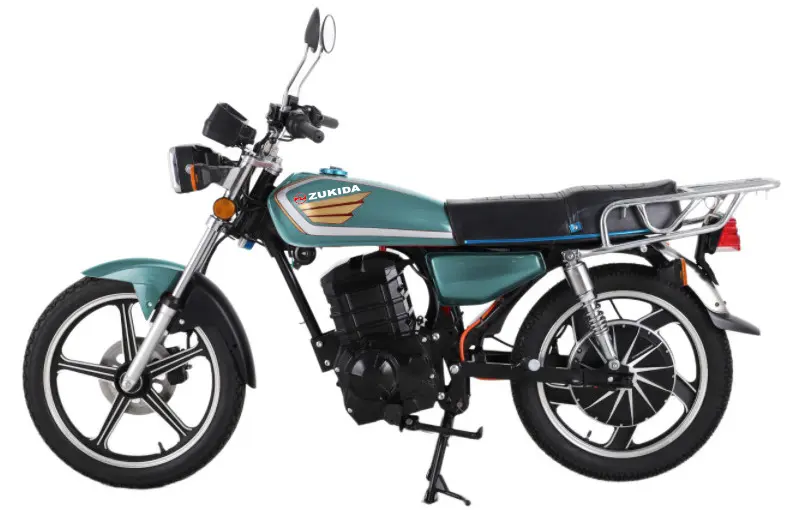
Valve Adjustments
As miles accumulate, valves can tighten or loosen. Ignoring this simple adjustment can lead to burnt valves or lost compression, effectively killing the engine prematurely.
Chain and Sprocket Care
The engine might be fine, but if the drivetrain fails, the bike stops. Regular cleaning and tensioning of the chain ensure smooth power delivery and reduce stress on the transmission output shaft.
Why Manufacturing Quality Matters
At Zukida, we employ over 500 skilled technicians and use fully automated production lines to minimize human error. Whether we are welding the frame of a heavy-duty tricycle or assembling the precision electronics of the Flamingo E-Bike, consistency is key. A well-manufactured bike starts its life with tight tolerances. This means:
- Less vibration (which loosens bolts and cracks plastic).
- Better oil sealing (preventing leaks).
- Smoother piston travel (reducing cylinder wear).
Typical Mileage by Motorcycle Type: The Numbers
The ranges below are what we see across export markets on machines that received ordinary, not obsessive, maintenance. Treat them as planning figures for dealers and fleet buyers, not as guarantees: two identical bikes can differ by a factor of three depending on riding style, climate and how often oil actually got changed on time.
| Motorcycle Type | Typical Engine Life (miles) | Typical Years of Service | The Variable That Decides It |
|---|---|---|---|
| Small-displacement commuter (125–200cc) | 30,000–50,000 | 8–15 | Air filter discipline and oil changes |
| Cubs and scooters | 20,000–40,000 | 6–12 | CVT belt / roller wear, short-trip cold starts |
| Mid-weight street (300–600cc) | 50,000–100,000 | 10–20 | Valve adjustments done on schedule |
| Large touring (1000cc+) | 100,000+ | 15–25 | Owner quality – these are usually the best-maintained bikes on the road |
| Off-road and motocross | 10,000–30,000 | 3–8 | Hours of full-throttle use and air-filter care |
| Electric motorcycles | 30,000–50,000 before notable capacity loss | 8–12 | Battery charge-cycle depth and storage temperature |
Notice what the table does not contain: a column for brand. That is not diplomacy. At equal maintenance, the spread between responsible manufacturers is far smaller than the spread between a cared-for bike and a neglected one. Where manufacturing quality genuinely shows up is in the middle of the curve – how much mileage the bike delivers when maintenance is only average.
What Counts as High Mileage on a Used Motorcycle?
This is the question every used-bike buyer asks and almost nobody answers honestly, because the answer depends on type. A useful rule of thumb is to judge mileage against the type average, not an absolute number:
- Under 5,000 miles: effectively new for any category, but verify it has not spent years unused – seals, fuel systems and batteries age with time, not just distance.
- 5,000–20,000 miles: normal for a commuter or scooter, low for a touring bike. This is where inspection matters more than the odometer.
- 20,000–50,000 miles: high for a small commuter or an off-road machine, unremarkable for a mid-weight street bike with a service history.
- Above 50,000 miles: expect visible wear items – suspension, bearings, charging system – regardless of how well the engine runs.
A bike with 40,000 documented miles and a stack of service records is usually a better purchase than a 12,000-mile bike whose owner cannot explain the gaps. Mileage is a measurement; maintenance history is evidence.
Engine Life and Motorcycle Life Are Not the Same Number
Buyers conflate them, and dealers lose credibility by not separating them. The engine is often the last thing to die on a motorcycle. What typically ends a bike’s service life first:
- Availability of parts – especially for imported models where the importer has stopped stocking spares.
- Corrosion – frame, fasteners and brake lines in coastal or winter-salt regions.
- Electrical ageing – wiring, connectors and the charging system.
- Economic write-off – a repair quote that exceeds the bike’s residual value, even when the repair is entirely feasible.
This is why our wholesale guidance to dealers always includes spare-parts stocking, not just bike selection. The dealers who keep consumables on the shelf get a second and third sale from the same customer; the ones who do not, train that customer to buy from someone else.
Frequently Asked Questions
How many miles can a motorcycle last on one tank?
Fuel range and engine life are different questions, and buyers often mean the first when they ask the second. A small commuter typically manages 150–250 miles per tank depending on tank size and how gently it is ridden; larger touring machines often exceed 200 miles comfortably. Range is a tank-size and tuning question, not a durability one.
Is 30,000 miles a lot for a motorcycle?
For a 125cc commuter or a motocross machine, yes – that is late middle age. For a 650cc street bike or a touring model with records, it is roughly the point where the bike is just getting sorted out. Always ask what kind of bike and what kind of owner before answering.
Do electric motorcycles last as long as petrol ones?
The drivetrain usually outlives a petrol engine because there is far less to wear. The limiting component is the battery, which degrades with charge cycles and with time. Practically, an electric bike’s service life is set by how long its battery stays useful for the rider’s real-world range needs, which is why storage conditions and charging habits matter more than mileage.
Final Verdict
So, how many miles can a motorcycle last? A high-quality motorcycle from a reputable manufacturer, if maintained correctly, can easily surpass 100,000 miles. We have customers riding our classic models from the early 2000s that are still on the road today. The secret is simple: Buy a quality machine, respect its limits, and maintain it religiously. If you do that, your Zukida motorcycle will be ready for the long haul.
This is covered in more detail in Lifespan of Motorcycle in Years.
Related reading: picking your next model? See our best off-road motorcycle picks for trail and adventure use, or check the full motorcycle specifications reference before comparing quotes.