
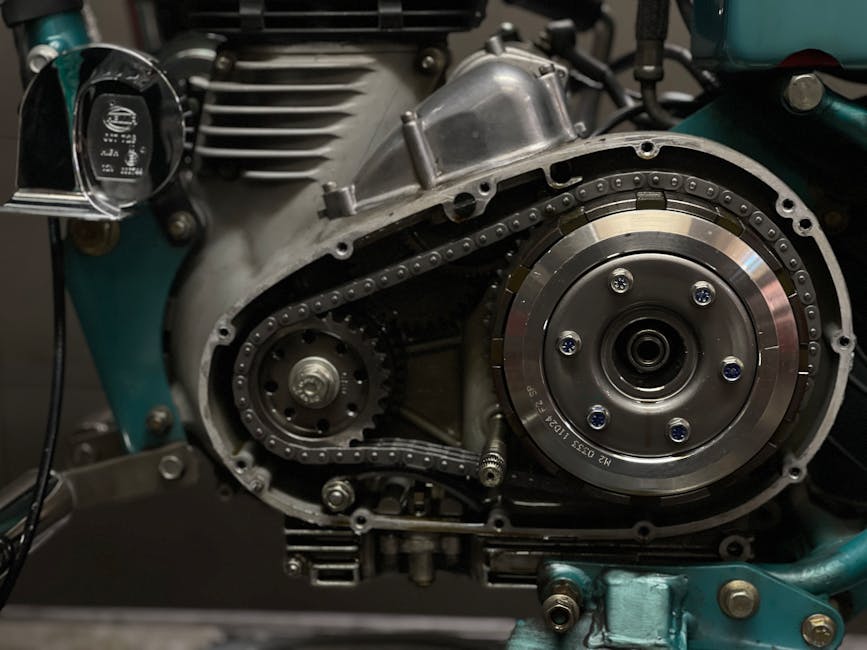
Proper motorcycle chain lubrication is fundamental to maintaining peak performance and ensuring long-term reliability. This comprehensive guide reveals the technical expertise required to apply the correct lubrication methods, select appropriate chain lubricants, and establish effective maintenance schedules that prevent premature wear and optimize power transfer efficiency.
Understanding Motorcycle Chain Dynamics and Wear Patterns
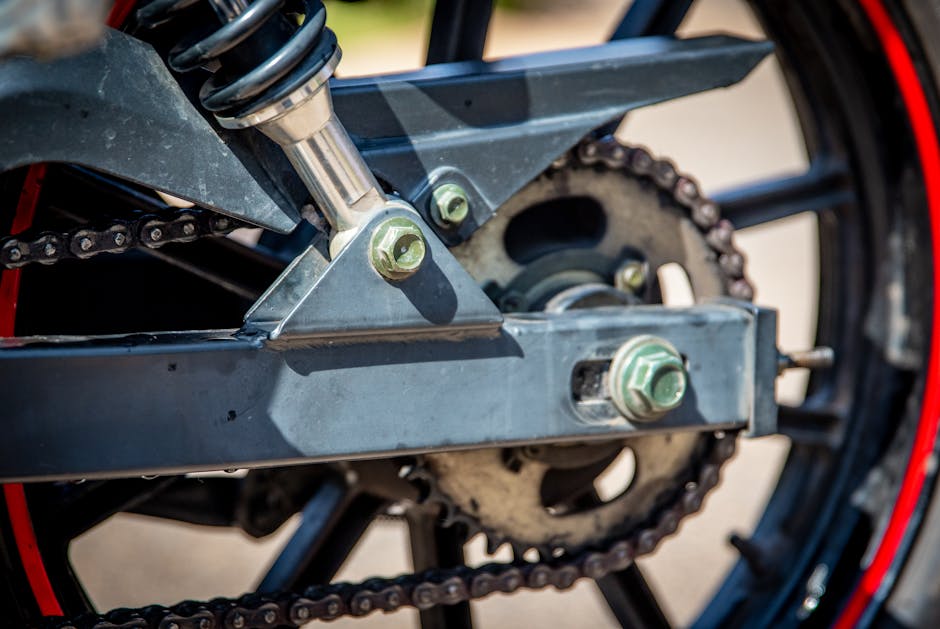
The motorcycle chain operates under extreme conditions, experiencing high loads, lateral forces, and exposure to environmental elements. Chain tension, sprocket engagement, and lubrication quality directly influence power transmission efficiency, with proper lubrication reducing friction losses by up to 30% compared to inadequately maintained chains. The interaction between chain links, pins, and bushings creates complex stress patterns that require specific lubrication approaches to prevent accelerated wear.
Chain elongation typically occurs at the pin-bushing interface, where insufficient lubrication leads to metal-to-metal contact and progressive wear. This wear pattern affects chain tracking, sprocket wear, and overall drivetrain efficiency. Understanding these mechanical relationships enables technicians to implement targeted lubrication strategies that address specific wear mechanisms and environmental challenges.
Chain Lubrication Fundamentals: Viscosity, Penetration, and Performance Requirements
Chain lubricant selection requires careful consideration of viscosity ratings, penetration characteristics, and environmental resistance. Multi-grade lubricants provide optimal performance across varying temperatures, maintaining adequate viscosity during cold starts when chains are most vulnerable to accelerated wear. The ideal lubricant must balance film strength for high-load conditions with low viscosity for proper penetration into chain link gaps.
Penetration testing reveals that effective chain lubricants should achieve minimum 0.4mm penetration depth within 30 seconds of application. This penetration capability ensures lubricant reaches critical wear points including pin-bushing interfaces and roller bushing contacts. Environmental factors such as humidity, temperature extremes, and road debris influence lubricant choice, requiring specialized formulations for racing applications versus street riding conditions.
Pre-Lubrication Chain Preparation and Cleaning Techniques
Effective chain lubrication begins with thorough cleaning and preparation. Degreaser application removes accumulated grime, oil residue, and corrosion products that impede lubricant penetration. Mechanical cleaning using brushes and wire wheels ensures complete removal of contaminants from chain link surfaces and sprocket teeth. Cleaning frequency depends on riding conditions, with high-mileage riders requiring monthly cleaning while casual riders may extend intervals to 2-3 months.
Post-cleaning inspection reveals wear patterns and damage that require immediate attention. Excessive pin wear, stretched links, and damaged rollers indicate the need for chain replacement or professional servicing. Cleaning also allows technicians to assess chain tension and alignment, ensuring proper installation before lubrication application. Proper chain preparation maximizes lubricant effectiveness and extends chain service intervals.
Application Techniques: Quantity, Distribution, and Penetration Optimization
Lubricant quantity and application technique directly impact chain performance and longevity. Professional technicians apply 2-3 drops of lubricant per chain link, focusing on the pin-bushing interface where wear initiates. Excessive lubrication attracts dirt and debris, creating abrasive compounds that accelerate wear. Strategic application through chain movement ensures proper distribution and penetration into critical wear points.
Application timing affects lubricant effectiveness, with optimal results achieved when chains are clean and slightly warm from operation. Warm chains expand slightly, creating temporary gaps that facilitate lubricant penetration. Post-application rotation through multiple gear cycles distributes lubricant evenly across the entire chain system. Final wipe-off removes excess lubricant that would attract contaminants, leaving only the necessary amount for effective operation.
Environmental Considerations and Specialized Lubrication Strategies
Environmental conditions require specialized lubrication approaches for optimal chain performance. Racing applications demand high-performance synthetic lubricants with enhanced thermal stability and extreme pressure additives. Wet lubricants provide extended protection in muddy conditions, while dry lubes excel in dusty environments where wet compounds attract abrasive particles.
Temperature variations influence lubricant selection and application frequency. Cold weather requires thinner lubricants for proper penetration, while hot conditions necessitate higher viscosity compounds for adequate film strength. Humid environments accelerate corrosion, requiring lubricants with superior rust inhibitors and water displacement properties. Seasonal lubrication strategies ensure optimal chain performance across varying environmental conditions.
Maintenance Scheduling and Performance Monitoring Systems
Establishing systematic maintenance schedules maximizes chain longevity and performance consistency. Monthly visual inspections during routine maintenance provide early warning of wear patterns and contamination issues. Performance monitoring through chain tension measurement, sprocket wear assessment, and lubrication effectiveness evaluation ensures optimal chain operation. Professional inspection intervals vary by riding style, with racing applications requiring weekly checks while street riding may extend intervals to 4-6 weeks.
Digital chain monitoring systems now provide real-time data on chain wear, tension, and lubrication effectiveness. These systems enable predictive maintenance, preventing catastrophic failures through early intervention. Data analysis reveals riding patterns and environmental factors affecting chain performance, allowing technicians to optimize lubrication strategies for specific riding conditions and motorcycle applications.
Advanced Chain Lubrication Technologies and Future Developments
Modern chain lubrication technology incorporates advanced synthetic formulations, nano-coatings, and environmentally friendly alternatives. Self-lubricating chain components and intelligent lubrication systems represent emerging technologies that could revolutionize chain maintenance practices. These innovations promise reduced maintenance requirements, improved performance, and environmental benefits while maintaining high reliability standards.
Research continues into biodegradable lubricant alternatives and extended-service chain systems that minimize maintenance frequency. Smart lubrication systems using sensors and predictive algorithms optimize lubrication timing and quantity based on real-time operating conditions. These technological advances will continue improving chain performance and reliability while reducing maintenance complexity for riders and professional technicians alike.
Frequently Asked Questions About Motorcycle Chain Lubrication
Proper chain lubrication addresses common concerns about maintenance frequency, lubricant selection, and performance optimization. Understanding these questions enables riders to maintain their motorcycle chains effectively and maximize performance and longevity.
How often should I lubricate my motorcycle chain?
For most riders, monthly lubrication provides optimal performance and longevity. Racing applications require weekly checks and lubrication, while casual street riding may extend intervals to 2-3 months. Environmental factors such as humidity, temperature extremes, and road conditions influence optimal lubrication frequency.
What type of lubricant should I use for my chain?
Multi-grade lubricants provide year-round performance across varying temperatures. Racing applications benefit from high-performance synthetic lubricants with enhanced thermal stability. Wet lubricants excel in muddy conditions, while dry lubes perform best in dusty environments where contamination is a primary concern.
Can I over-lubricate my chain?
Excessive lubrication attracts dirt and debris, creating abrasive compounds that accelerate wear. Professional technicians apply 2-3 drops per chain link, focusing on critical wear points. Post-application rotation and final wipe-off remove excess lubricant that would accumulate contaminants and reduce chain performance.
How do I know if my chain needs lubrication?
Visual inspection reveals chain wear patterns and lubrication effectiveness. Dry, cracked lubricant indicates insufficient application, while dirty, contaminated lubricant suggests environmental exposure without proper maintenance. Performance monitoring through chain tension measurement and sprocket wear assessment provides quantitative indicators of optimal lubrication timing.
Does chain lubrication affect performance?
Proper lubrication reduces friction losses by up to 30%, improving power transmission efficiency. Well-lubricated chains maintain optimal tension and alignment, reducing drivetrain losses and improving overall motorcycle performance. Inadequate lubrication creates unnecessary resistance that impacts acceleration, fuel efficiency, and component longevity.