
Motorcycle Battery Replacement: Match Voltage, Size and Charging System
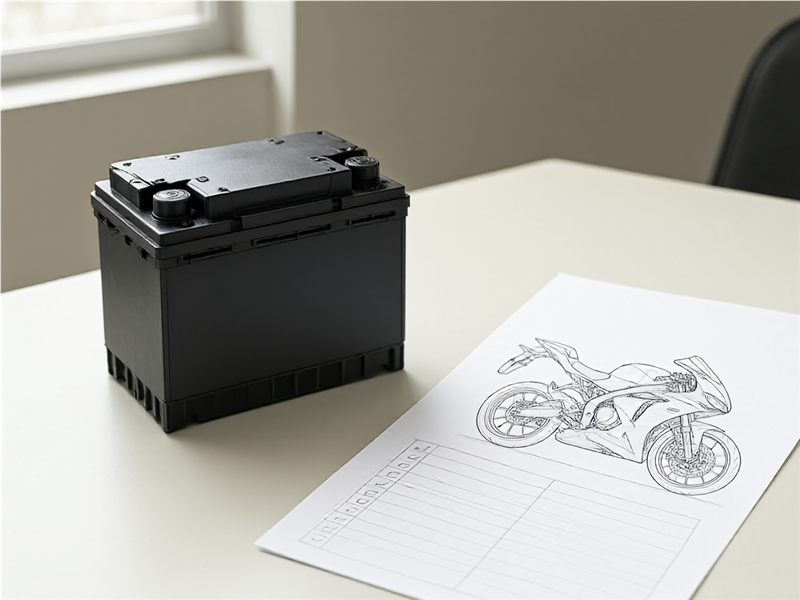
Quick answer: Choose a motorcycle battery replacement by exact model and year, terminal layout, case dimensions and charging-system compatibility.
Define the real use case
Start with the decision the buyer needs to make, then describe the actual environment for a replacement motorcycle battery selected for a specific model, electrical system and installation space. Record who uses it, how it is installed or handled, order pattern and destination. A broad search term such as “motorcycle battery replacement” helps people find the topic, but a quote needs a defined model, use case and configuration. Ask suppliers to answer the same brief so the comparison reflects the product rather than different assumptions. Write the record so a second supplier or new team member can understand the same configuration. Tie every open question to an owner and date; do not let an informal call replace the controlled drawing, service scope or product file.
Build a complete supplier brief
Give the supplier a dated package combining a drawing or workflow map, item identity, dimensions, options, quantities and acceptance method. For a replacement motorcycle battery selected for a specific model, electrical system and installation space, make model and year, original battery code, dimensions, terminal diagram, charging specification and installation check the reference record and state which revision controls the quote. Mark any unresolved input as open instead of letting a supplier silently choose it. This lets a later sample or service plan trace back to the original request. For this topic, a useful comparison includes battery chemistry, capacity, cold-start rating, case size, terminal position, venting and maintenance needs and states what is standard, optional or still unverified. Similar names or photographs do not establish mechanical fit, software behavior, service coverage or compliance.
Compare equivalent configurations
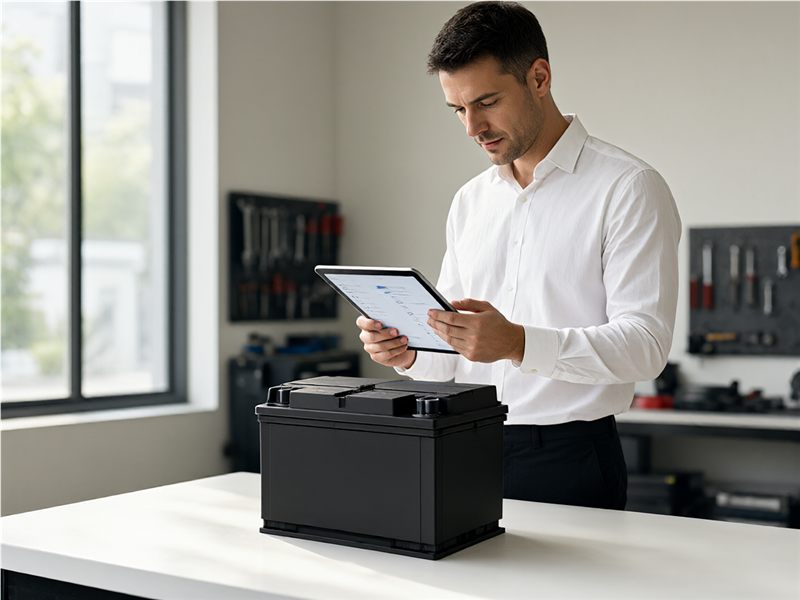
Compare battery chemistry, capacity, cold-start rating, case size, terminal position, venting and maintenance needs as separate, named configurations. Keep the base offer distinct from optional features and show how each choice changes fit, function, packaging, maintenance or delivered cost. A side-by-side scope is more useful than a headline price: note inclusions, exclusions, evidence and open questions so a partial offer is not mistaken for an equivalent one. Use model year, market variant, terminal orientation, charging system, storage or accessory load as the basis for choosing a sample and deciding what to measure. If the sample leaves out a difficult condition, state the limit of the result instead of presenting it as proof for all use cases.
Set measurable fit and acceptance points
Choose the features that control fit and performance, then mark measurement points on the drawing or acceptance sheet. State the datum, method, sample condition and tolerance source where applicable. For a replacement motorcycle battery selected for a specific model, electrical system and installation space, model year, market variant, terminal orientation, charging system, storage or accessory load can make a number misleading if teams measure different features. Review uncertain limits with the designer and manufacturer before tooling or production. A common failure mode is a battery with a matching label may differ in terminal layout, dimensions, chemistry or charging compatibility. Reduce it with a written check before release, plus a clear hold and escalation step when the check fails. The responsible owner should be able to find the evidence without relying on memory.
Review a representative sample
Ask for a sample that represents the intended production configuration, not a visually similar substitute. Record the model, material or revision, accessories, finish and temporary parts. Review it in the actual mating or operating environment. Define what counts as the selected battery fits the named motorcycle and works within the vehicle maker’s charging specification and who may approve a deviation; an unrecorded demonstration is not a controlled approval. A buyer can ask the supplier to return model and year, original battery code, dimensions, terminal diagram, charging specification and installation check with the quote or sample. That makes the response more useful than a broad capability statement and gives procurement, engineering and quality a shared starting point.
Separate evidence from assumptions
Request evidence that answers the question being asked. A drawing shows geometry, a material declaration identifies a formulation, and a test report supports only its stated conditions and scope. For a replacement motorcycle battery selected for a specific model, electrical system and installation space, distinguish supplier statements from independent evidence and buyer review. Do not infer certification, service life or market approval from a photo or sample. For a repeatable result, agree the selected battery fits the named motorcycle and works within the vehicle maker’s charging specification before the trial. Identify sample identity, measurement or operating method, record format and who signs off; if one condition changes, review the effect before reusing the approval.
Check destination requirements
List the destination, channel and user group before deciding which legal or standards review is needed. the vehicle classification, destination’s battery handling rules and model-specific service guidance may have rules that vary by classification, intended user, installation and sales channel. Identify the importer or project owner, ask which requirement version applies and retain approved evidence. Confirm uncertain applicability with a competent authority, lab or qualified local adviser. Plan vehicle identification, battery-code match, fit and terminal review, charging-system check and service handoff as connected gates. Each gate should have an input, owner and output so a sample, order or installation cannot move forward with an unresolved issue hidden in an email thread.
Include packaging and identification
Treat carton, labels, instructions and item identifiers as part of the specification. Record the finished pack, quantities, inserts, barcode owner, language, destination marks and approval file. A change can affect receiving, shelf presentation or traceability. Have the receiving or retail team check the complete pack against the approved list.
Compare total cost and change exposure
Compare total cost over the buying cycle, not only the unit quotation. Include tooling or setup, inspection, packaging, freight assumptions, spare parts, change approval and rework exposure. For a replacement motorcycle battery selected for a specific model, electrical system and installation space, ask the supplier to identify assumptions behind each line so finance and engineering can discuss the same configuration.
Use a controlled pilot
Use a pilot or trial quantity to check whether the approved process can be repeated. Select representative samples, record deviations and compare results with the signed plan. Define in advance whether a failure leads to containment, rework, replacement, retest or escalation. The pilot should generate evidence for a release decision.
Keep the revision traceable
Store the brief, sample approval, test records, packaging files, purchase order and change notices under one stable model or project ID. Name the owner and revision. When an alternate component, material or route is proposed, require an impact review before the next lot.
Close with a documented decision
Close with a concise decision table: required configuration, open questions, evidence due, sample owner, approval date and next gate. For a replacement motorcycle battery selected for a specific model, electrical system and installation space, explain why an option fits the stated use and what remains to verify. Avoid unsupported claims such as “best,” “certified” or “maintenance-free.”
See the related Zukida motorcycle product catalog for product and supplier details.
Primary references for market review
These primary references help frame the review. Confirm current local rules, product classification and contractual requirements for the actual application.
Questions buyers often ask
What should buyers verify when sourcing a replacement motorcycle battery selected for a specific model, electrical system and installation space?
Start with model and year, original battery code, dimensions, terminal diagram, charging specification and installation check. Match the record to the model or service revision, destination and intended use, then ask the responsible owner to approve any open requirement.
How should a buyer compare motorcycle battery replacement options?
Compare battery chemistry, capacity, cold-start rating, case size, terminal position, venting and maintenance needs on the same scope. Label included, optional and unverified items, then evaluate fit, evidence, service and total cost against the stated use case.
What evidence supports release?
Use a representative sample or workflow, the agreed acceptance method, traceable results and a named approval owner. Do not treat an unscoped demonstration as universal proof.
Do requirements vary by market or site?
Yes. the vehicle classification, destination’s battery handling rules and model-specific service guidance may change applicable rules, documentation, installation or customer claims. Confirm the current requirement with the importer, project owner or qualified local professional.