
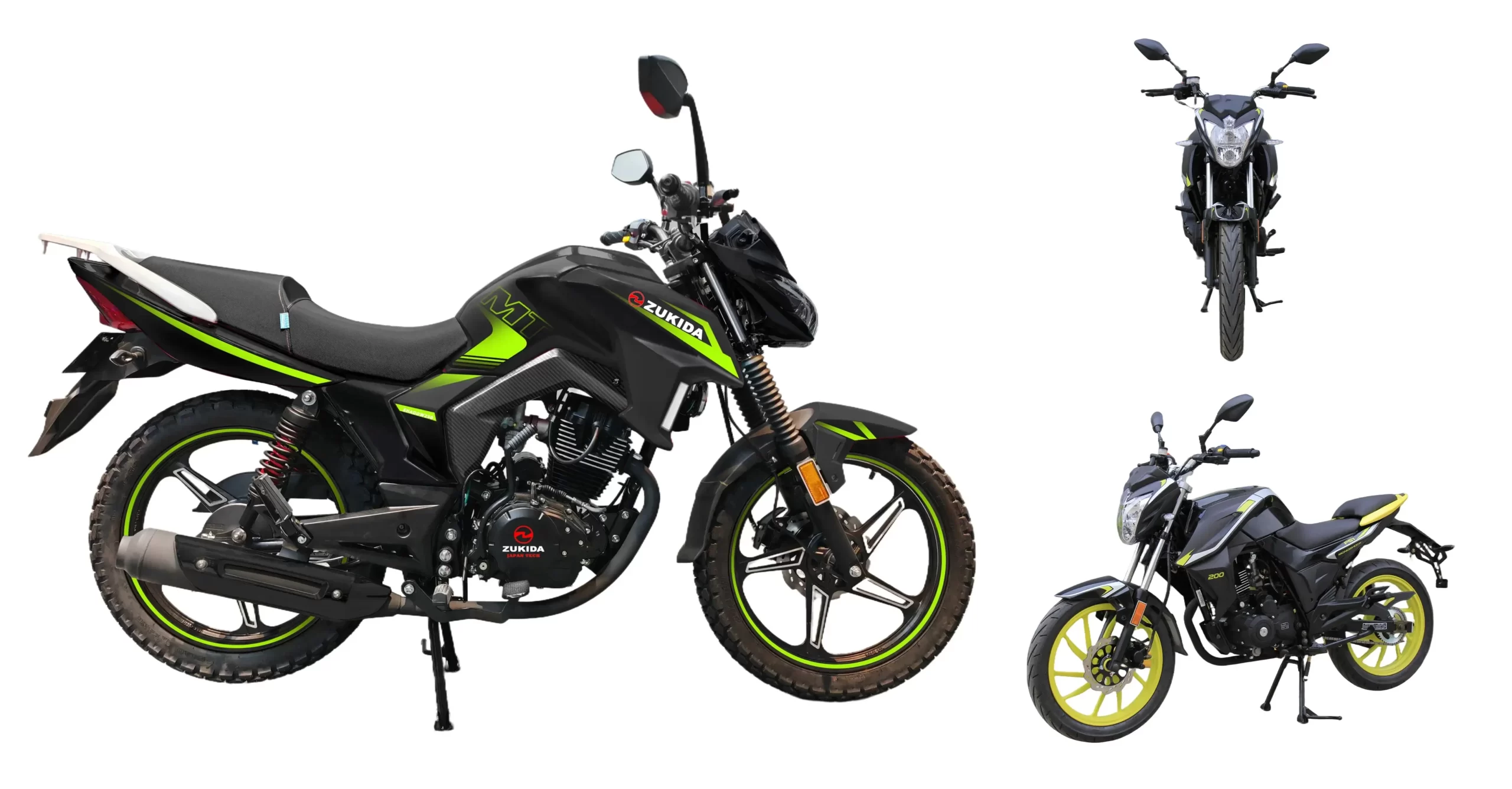
When you begin your search for the perfect motorcycle, you will immediately encounter a key specification: a number followed by “cc.” This simple figure is one of the most important factors in determining a motorcycle’s character, performance, and suitability for you as a rider. But what does motorcycle cc actually mean? And how do you choose the right size for your needs? This guide will demystify engine displacement and provide a clear breakdown of the different classes, from nimble 50cc scooters to powerful 1000cc superbikes. At ZUKIDA, we believe an informed rider is a happy rider, and our goal is to help you make a choice that brings you confidence and joy on the road.
1. What Exactly is “CC” in a Motorcycle Engine?
The term “cc” stands for cubic centimeters. It is a measurement of the engine’s displacement. Think of it as the total volume of the space inside the engine’s cylinders where the fuel and air mixture is combusted to create power. In the simplest terms:
- CC measures the size of the engine.
- A higher CC number generally means a larger, more powerful engine.
This power translates into faster acceleration and a higher top speed. However, more power is not always better, especially for new riders. The key is to match the engine’s performance to your skill level and intended riding style.
2. A Breakdown of Motorcycle Engine Classes
We can group motorcycle engines into several general classes based on their displacement. Each class offers a distinct riding experience and is suited for different purposes.
The Lightweight Class (50cc – 250cc): The Perfect Start
This category is the ideal entry point into the world of two-wheeled transportation. Motorcycles in this range are characterized by their light weight, ease of handling, and excellent fuel efficiency.
- 50cc: This is the domain of small scooters and mopeds. They are perfect for short-distance urban commuting, offering incredible fuel economy and effortless “twist-and-go” operation.
- 125cc – 150cc: This is arguably the best motorcycle for beginners. A 125cc motorcycle or a 150cc motorcycle offers a bit more power, making it capable of keeping up with city traffic while remaining incredibly unintimidating and easy to learn on.
- 200cc – 250cc: A 250cc motorcycle provides a noticeable step up in performance. It offers enough power for short highway trips, making it a more versatile option for riders who need to venture beyond city limits. Models like our Admiral provide a sporty feel in a manageable package.
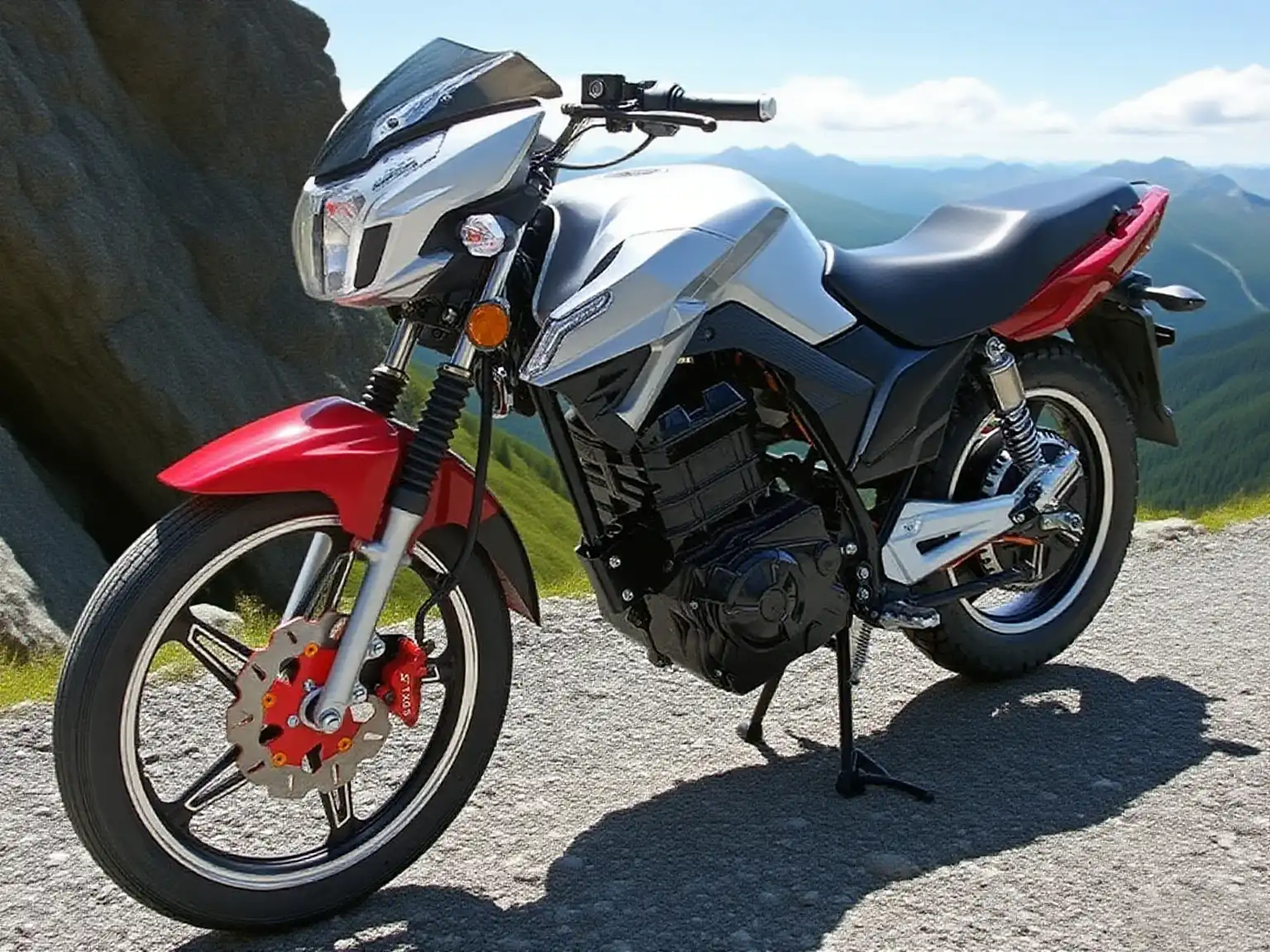 Best For: New riders, city commuters, and anyone prioritizing fuel economy and ease of use.
The Versatile Middleweights (300cc – 600cc): The All-Rounder’s Choice
This class represents the “sweet spot” for a huge number of riders. Middleweight bikes offer a fantastic blend of usable power, agile handling, and real-world versatility. They have enough performance to be exciting for experienced riders but are not so powerful that they overwhelm intermediates.
- 300cc – 500cc: A 300cc motorcycle or 500cc motorcycle is often considered the perfect “second bike.” They are comfortable on the highway, fun on winding roads, and still nimble enough for daily commuting.
- 600cc – 650cc: This segment is diverse. It includes user-friendly standard bikes and twin-cylinder sport models that are much more manageable than their four-cylinder “supersport” cousins. They offer substantial power for long-distance touring and spirited riding.
Best For: Intermediate riders, experienced commuters, and riders looking for one bike that can do it all.
The Heavyweight Class (600cc – 1000cc): The Realm of High Performance
We now enter the territory of high-performance machines. Motorcycles in this category demand respect and a high level of skill from the rider. Their power is immense, and their acceleration can be breathtaking.
- 600cc Supersport: It is crucial to distinguish a 600cc four-cylinder sport bike from other 600cc models. These are essentially race bikes for the street, with high-revving engines and aggressive riding positions. They are not suitable for beginners.
- 1000cc: A 1000cc motorcycle, especially in the sport bike category, represents the pinnacle of production motorcycle performance. Their power-to-weight ratio is on par with exotic supercars. This class also includes large cruisers and adventure bikes where the focus is on massive torque rather than top speed.
Best For: Highly experienced riders, track day enthusiasts, and long-distance tourers. 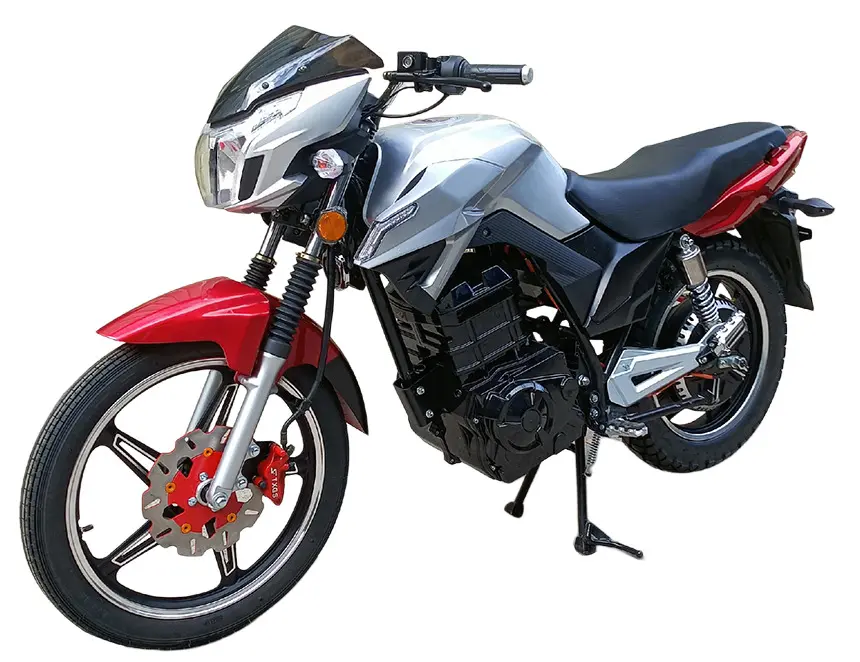
The Super Heavyweights (1000cc+): Kings of the Road
Beyond 1000cc, you’ll find the largest machines on two wheels. This class is dominated by grand touring bikes and massive cruisers. Their large engines are designed not for outright speed but for producing effortless torque, allowing them to carry a rider, a passenger, and a full load of luggage across continents with ease. Best For: Serious long-distance touring riders and those who want the ultimate in road presence.
3. How to Choose the Right CC for You: A Quick Guide
To find your perfect match, honestly assess your needs and experience.
- If you are a brand-new rider: Start small. Look in the 125cc to 400cc range. This will allow you to build fundamental skills and confidence on a forgiving machine.
- If you primarily ride in the city: Anything from 50cc to 500cc will be more than adequate. A smaller bike will be easier to filter through traffic and to park.
- If you need to ride on the highway frequently: A minimum of 300cc is recommended for comfortable highway cruising. A bike in the 500cc-650cc range will handle highway speeds with ease.
- If you are an experienced rider seeking thrills: The heavyweight class (600cc and up) offers the performance you are looking for.
CC Classes at a Glance
The table below compresses the classes above into the reference we give to dealers when a customer has described neither their experience nor their use case. It is deliberately coarse – real recommendations come from riding experience and local licensing rules, not from a table – but it answers the question customers actually ask first.
| Class | Displacement | Typical Use | Learner-Friendly | Highway Capability |
|---|---|---|---|---|
| Lightweight | 50–250cc | Commuting, learning, delivery fleets | Yes – usually the legal entry point | Limited; marginal at sustained highway speed |
| Middleweight | 300–600cc | Everything from commuting to weekend touring | Depends on jurisdiction | Comfortable |
| Heavyweight | 600–1000cc | Touring, two-up travel, performance riding | No | Effortless |
| Super heavyweight | 1000cc+ | Performance and long-distance flagship touring | No | Effortless, with fuel and tyre bills to match |
Why Two Bikes With the Same CC Can Feel Nothing Alike
Displacement measures swept volume. It says nothing about the shape of the power. Three engineering choices explain almost all of the difference customers feel between two machines of identical capacity:
- Bore and stroke ratio. Oversquare engines (wide bore, short stroke) rev quickly and make power high in the range; undersquare engines breathe more slowly and deliver torque low down. A 250cc commuter and a 250cc motocross bike can share a displacement figure and have almost nothing else in common.
- State of tune. The same displacement can be tuned for a broad, lazy torque curve or for a narrow, aggressive peak. The tuned-for-peak version looks better on a spec sheet and is worse to ride every day.
- Weight it has to move. Power-to-weight decides what a rider actually feels. A modest engine in a light frame outruns a bigger engine lugging a heavy one, which is why seat height and kerb weight belong in every recommendation conversation.
This is also why quoting displacement alone in a quotation is a disservice to the customer. Two numbers – displacement and kerb weight – predict the riding experience far better than either alone.
CC and Licensing: The Question That Decides the Sale
In many export markets, the class a rider is legally allowed to ride is set by displacement or by power output, and the thresholds are not intuitive. A 250cc machine may be the largest a new rider can legally operate in one country and a beginner-trivial choice in another. Dealers importing across borders should map their stock against the licence tiers of the destination market before placing the order, because the same container can be perfectly matched in one country and unsellable in the next.
Frequently Asked Questions
Does more CC mean more speed?
Usually, but not always, and never linearly. Displacement sets the ceiling for potential power; gearing, tuning, weight and aerodynamics decide how much of it reaches the road. Two bikes of the same displacement can differ enormously in real-world acceleration, and a lighter middleweight can out-accelerate a heavier litre-class machine in the conditions most riders actually encounter.
What CC should a beginner start on?
The smallest displacement that comfortably maintains local road speeds, not the largest one the licence allows. Riders who start big learn to manage power they cannot yet use, and the bike that intimidated them usually ends up for sale within a year. Progression is faster from a machine that builds confidence.
Is a higher CC engine less reliable?
Not inherently. Reliability tracks thermal and mechanical stress, not displacement. A large engine cruising at low load often wears less than a small engine held flat-out to achieve the same road speed. What shortens engine life is sustained operation near its limits, whatever the capacity.
Conclusion: Power with a Purpose
Choosing a motorcycle is about finding the right tool for the job. The biggest engine is rarely the best choice. A rider on a 250cc bike who is confident and in full control will have far more fun than a rider who is intimidated and struggling with a 1000cc machine. At ZUKIDA, our mission is to provide premium motorcycles that deliver an exceptional riding experience. That is why we offer a diverse range of engine sizes across our entire product lineup. We build high-quality, reliable, and accessible motorcycles to ensure that every rider, from the daily commuter to the weekend adventurer, can find the perfect fit for their journey. Choose wisely, ride safely, and enjoy the freedom of the road.
This is covered in more detail in Best Sports Motorcycles for Sale.