
Spare Parts Pricing and Margin Structure: Building a Price Book That Holds

Parts pricing is where a dealership’s profitability is decided quietly. The vehicle business gets the attention because it carries the big numbers, but parts carry the repeat trade, the higher percentage margins and the customer contact that decides whether the next motorcycle is bought from the same showroom. Most dealerships still price parts by habit: a markup applied once when the part is first listed, adjusted whenever somebody complains, and quietly eroded by freight, currency and counter discounting until nobody can say what the parts department actually earns.
A price book fixes that. It starts from landed cost rather than invoice cost, sets a margin band per demand class instead of one blanket markup, and defines what happens when a customer asks for a better price. The document is not complicated. The discipline is that it is written down, owned by one person and reviewed on a schedule.
Start From Landed Cost, Not Invoice Cost
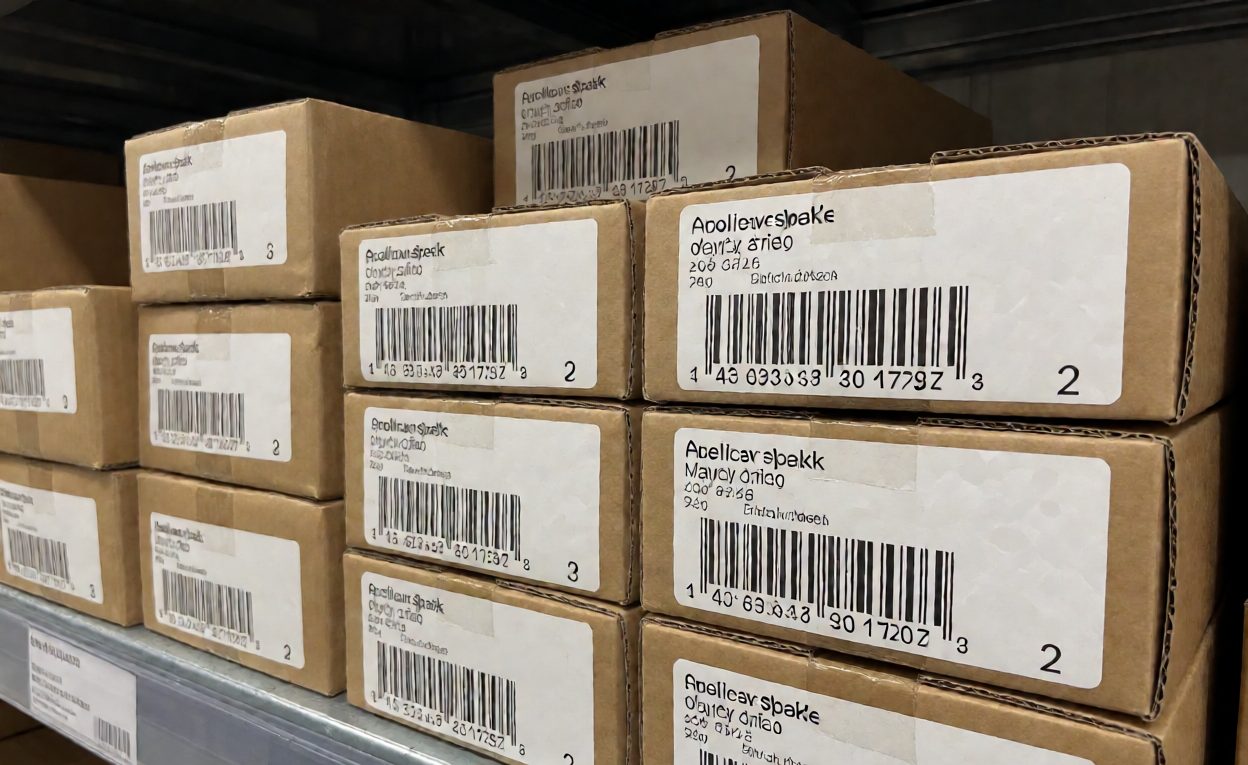
The most common error in parts pricing is pricing off the supplier’s invoice. By the time a carton of brake pads is on the shelf, its true cost includes freight, duty, handling, damaged stock and the capital tied up while it waits. Pricing off invoice cost and calling the difference margin means subsidising parts out of vehicle profit without ever noticing.
- Invoice cost: the supplier price converted at the rate that applied, with any quantity discount allocated at part level rather than averaged across the container.
- Freight and duty: when parts travel in a container with motorcycles, allocate the shared cost by volume or value instead of ignoring it – the mixed container planning logic applies here too.
- Shrinkage and obsolescence: a flat percentage loaded onto fast movers is wrong. Load it onto the slow tail, where the loss actually happens.
- Carrying cost: for parts held beyond a season, the same rule as the stock turn and reorder plan applies – slow stock has a daily price, and the price belongs in the cost base.
Three Margin Bands for Three Demand Classes
A single markup across the whole parts range is the second common error. A customer who needs an oil filter today is not comparison shopping; a fleet buyer ordering forty chains is. Charging both the same percentage leaves money on one and loses the sale on the other.
- Class A fast movers: the items that drive footfall – filters, plugs, chains, brake pads, cables, batteries, bulbs. Hold a firm but moderate margin. Volume and availability do the work, and the ABC classification tells you which numbers sit here.
- Class B steady items: a higher band is defensible because customers buy them less often and compare less.
- Class C slow tail: the highest band, because the real cost of these parts is holding them, not buying them. If a customer needs one, the convenience is worth paying for – and if nobody ever asks, the margin is irrelevant.
Expressed this way, the structure is ordinary gross margin management: margin is set per class against demonstrated demand behaviour, not applied uniformly out of habit.
Channel Pricing: Counter, Workshop and Wholesale

The same part number legitimately carries different prices in different channels, and the price book should say so rather than leaving it to whoever is on the desk.
- Retail counter: full list price. This is the price that sets the customer’s perception of the dealership.
- Workshop fitment: parts fitted during service are priced with the job, and the combined invoice is what the customer evaluates – which is why the seasonal service campaign pricing should be designed together with the parts margin.
- Wholesale to sub-dealers: a defined trade discount, published, with a minimum order value. Unpublished trade pricing leaks, and once a retail customer sees the wholesale number the retail margin is gone.
- Warranty and campaign work: priced at the recovery rate agreed with the supplier, not at list, and tracked separately so warranty work never flatters the parts margin.
Bundles, Kits and Service Attachments
Bundling is where parts margin and vehicle margin meet. A first-service kit, a consumables pack or an accessory bundle sells more parts per transaction and gives the customer a number that feels like a decision rather than a list. The pricing rule is straightforward: the bundle price should be below the sum of its parts and above the variable cost of the parts plus a target margin – a plain cost-plus pricing exercise, done once per kit rather than improvised at the counter.
The risk with bundles is that they hide margin leakage, because nobody re-costs them after the first season. The kit structures in accessory kit bundling should be costed the same way as parts: landed cost in, target margin out, reviewed when freight or currency moves.
Discount Discipline and Price Floors
Every parts desk discounts. The question is whether the discount is a policy or a reflex. A price floor per class – the lowest price any staff member may quote without a manager – is the cheapest control a dealership can install, and it prevents the slow bleed that turns a 35 percent parts department into a 22 percent one.
- Floors by class: Class A floors sit just above landed cost plus a small margin; Class C floors rarely need discounting at all.
- Authorised exceptions: fleet accounts, warranty goodwill and competitor-match situations, each with a named approver.
- No unpriced goodwill: a free filter given to keep a customer should be recorded as a cost, not quietly absorbed.
The counter argument for holding price is availability. A dealership that can supply the part today, fitted if needed, is selling something a cheaper competitor cannot, and price elasticity on an urgent consumable is far weaker than it looks. That availability is exactly what the fill rate and backorder discipline protects, and it is the reason the price book can hold.
Keeping the Price Book Current

A price book written once is a price book that is wrong within two quarters. Three triggers should force a review: a freight or currency move beyond a set threshold, a supplier price change, and the model-year changeover, because new models introduce part numbers with no cost history and old models convert fast movers into slow ones overnight. Re-costing on those triggers, rather than annually, keeps the margin visible while it can still be defended.
The output worth tracking is simple: parts gross margin as a percentage, average discount per transaction, and fill rate on Class A. Three numbers, reviewed monthly, tell a dealer whether the price book is working and whether the counter is following it.
Frequently Asked Questions
Should parts be priced off the supplier invoice?
No. Price off landed cost, which adds freight, duty, handling, shrinkage and carrying cost to the invoice price.
Why not use one markup for the whole parts range?
Because demand behaviour differs. Fast movers earn on volume, the slow tail earns on convenience, and one blanket markup misprices both.
How do channels differ on price?
Retail counter at list, workshop priced with the job, wholesale at a published trade discount, and warranty at the agreed recovery rate.
What is a price floor?
The lowest price any staff member may quote without a manager, set per demand class to stop slow margin leakage at the counter.
Are bundles good for parts margin?
Yes, if costed properly – below the sum of the parts, above variable cost plus target margin, and re-costed when freight or currency moves.
When should the price book be reviewed?
On three triggers: a freight or currency move past threshold, a supplier price change, and the model-year changeover.
Which numbers show whether pricing works?
Parts gross margin percentage, average discount per transaction, and Class A fill rate, reviewed monthly.