
Motorcycle oil changes are fundamental maintenance tasks that directly impact engine longevity and performance. This comprehensive guide provides professional techniques for safely executing oil changes at home while ensuring proper environmental compliance through responsible disposal methods.
Essential Tools and Equipment for Professional Oil Changes
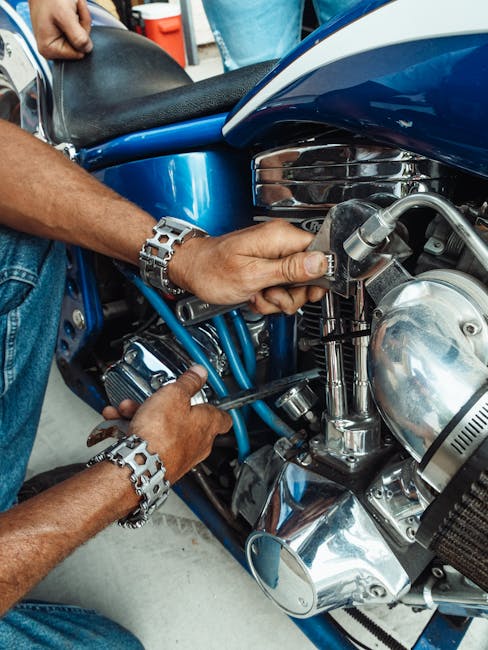
Successful oil changes require specific tools and equipment designed for motorcycle applications. The foundation begins with proper safety gear including gloves, safety glasses, and protective clothing to prevent oil exposure and burns.
A quality oil filter wrench serves as the primary tool for removing the old filter. The wrench must match the filter’s threading specifications precisely. For most motorcycles, this requires a 12mm or 14mm socket size, depending on the specific model and manufacturer specifications.
Drain plug tools represent another critical category of equipment. Specialized drain plug wrenches accommodate various drain plug geometries found across different motorcycle models. Some manufacturers utilize hexagonal, square, or specialized wrench flats that require specific tooling to prevent damage during removal.
Oil collection requires durable containers capable of handling the volume and temperature of used oil. Professional-grade oil catch cans with wide mouths and tight-fitting lids ensure minimal spillage during the draining process. The container must be rated for the specific volume of oil required for each motorcycle model.
Motorcycle-Specific Oil Selection and Specifications
Oil selection represents the most critical aspect of any oil change procedure. Motorcycle engines require specialized lubricants formulated for unique operating conditions including extreme temperature variations, high RPM operation, and specific gear oil requirements.
Viscosity ratings serve as the primary indicator of oil performance characteristics. Most motorcycles specify 10W-40 or 10W-50 viscosity ratings, with some models requiring 20W-50 for high-performance applications. The first number indicates cold-temperature flow properties, while the second number represents high-temperature viscosity.
API service classifications provide additional performance criteria. The latest motorcycle oils utilize API SN, SP, or higher service ratings, with some manufacturers specifying specific performance standards beyond standard API classifications.
Environmental considerations require selecting biodegradable or high-purity oil formulations. These specialized oils reduce environmental impact while maintaining superior performance characteristics for demanding motorcycle applications.
Step-by-Step Oil Change Procedure
Engine preparation begins with allowing the engine to warm to operating temperature. Warm oil drains more efficiently, removing contaminants more effectively than cold oil. The warming process typically requires 5-10 minutes of idle operation, though some manufacturers recommend specific warming procedures for their models.
Proper positioning ensures optimal drainage and safety during the oil change process. The motorcycle should be positioned on a stable stand or center stand, maintaining level stability throughout the procedure. This positioning prevents oil from pooling in unintended areas and ensures complete drainage.
Drain plug removal requires careful application of torque specifications. Most motorcycles specify 25-35 Newton meters for drain plug installation, requiring appropriate torque wrench application. Over-tightening can damage the drain plug threads, while under-tightening may result in oil leaks during operation.
Filter removal demands specific attention to mounting configurations. Some motorcycles utilize screw-on filters with specific threading patterns, while others require special filter removal tools. The filter removal process should be conducted slowly to prevent sudden oil release and potential burns.
Professional Disposal Methods for Used Motorcycle Oil
Environmental compliance represents the most critical aspect of any oil change procedure. Used motorcycle oil contains heavy metals and contaminants requiring professional disposal methods to prevent groundwater contamination and soil pollution.
Local recycling centers typically accept used oil for proper processing and re-refining. Many communities operate dedicated collection programs during specific seasons, requiring advance scheduling for optimal pickup services. These programs ensure proper oil processing while maintaining environmental standards.
Oil filter disposal requires additional consideration as these components contain residual oil and metal materials. Most oil filters can be processed through standard metal recycling programs, though some areas require specific handling procedures for oil-filter combinations.
Proper documentation ensures compliance with environmental regulations and provides records for future reference. Receipts from oil disposal services serve as legal documentation for environmental compliance and may be required for warranty verification.
Advanced Maintenance Techniques for Professional Results
Professional motorcycle maintenance extends beyond basic oil changes to include comprehensive system inspections. These inspections identify potential issues before they develop into costly repairs while ensuring optimal performance characteristics.
Oil level verification represents a critical final step requiring precise measurement techniques. Professional-grade dipsticks provide accurate readings, while some motorcycles utilize electronic oil level sensors for automated monitoring. Proper oil levels maintain optimal engine performance and prevent premature wear.
System pressure testing ensures complete functionality of the oil circulation system. This testing verifies proper oil pump operation, filter integrity, and drain system effectiveness. Any pressure irregularities indicate potential problems requiring immediate attention.
Professional maintenance records provide valuable insights into motorcycle performance trends and maintenance schedules. These records assist with warranty claims, resale value documentation, and predictive maintenance planning for optimal motorcycle longevity.
Troubleshooting Common Oil Change Issues
Oil leaks represent the most common issue encountered during oil changes, typically originating from improper drain plug installation or damaged gaskets. Professional inspection techniques identify leak sources through pressure testing and visual examination of all potential leakage points.
Contaminated oil samples require immediate attention as they indicate internal engine problems requiring professional diagnosis. Oil analysis testing provides detailed information about engine condition, contamination sources, and recommended maintenance schedules.
Oil consumption variations beyond manufacturer specifications indicate potential engine wear or system malfunction. Professional diagnostic procedures identify consumption sources through compression testing, leak-down testing, and oil analysis evaluation.
Temperature monitoring during oil change procedures ensures proper oil circulation and system functionality. Abnormal temperature readings indicate potential cooling system issues or oil system problems requiring immediate attention and professional repair.
Professional Maintenance Scheduling and Long-term Benefits
Professional maintenance scheduling maximizes motorcycle performance and longevity through systematic oil change intervals. Most manufacturers recommend oil changes every 3,000 to 5,000 miles or every six months, whichever occurs first, depending on riding conditions and oil type.
Extended oil change intervals may be appropriate for motorcycles operated under ideal conditions with synthetic oils and proper maintenance practices. However, these extended intervals require specific monitoring techniques and professional evaluation to ensure continued optimal performance.
Professional maintenance records provide comprehensive documentation of motorcycle service history, warranty claims, and resale value protection. These records ensure proper maintenance compliance and assist with professional valuation of motorcycle assets.
Long-term benefits of professional oil maintenance include enhanced engine performance, reduced maintenance costs, and extended motorcycle lifespan. Proper oil maintenance prevents premature engine failure while maintaining optimal performance characteristics for years of reliable operation.
Related Links
This is covered in more detail in Mastering Motorcycle Chain Lubrication.