
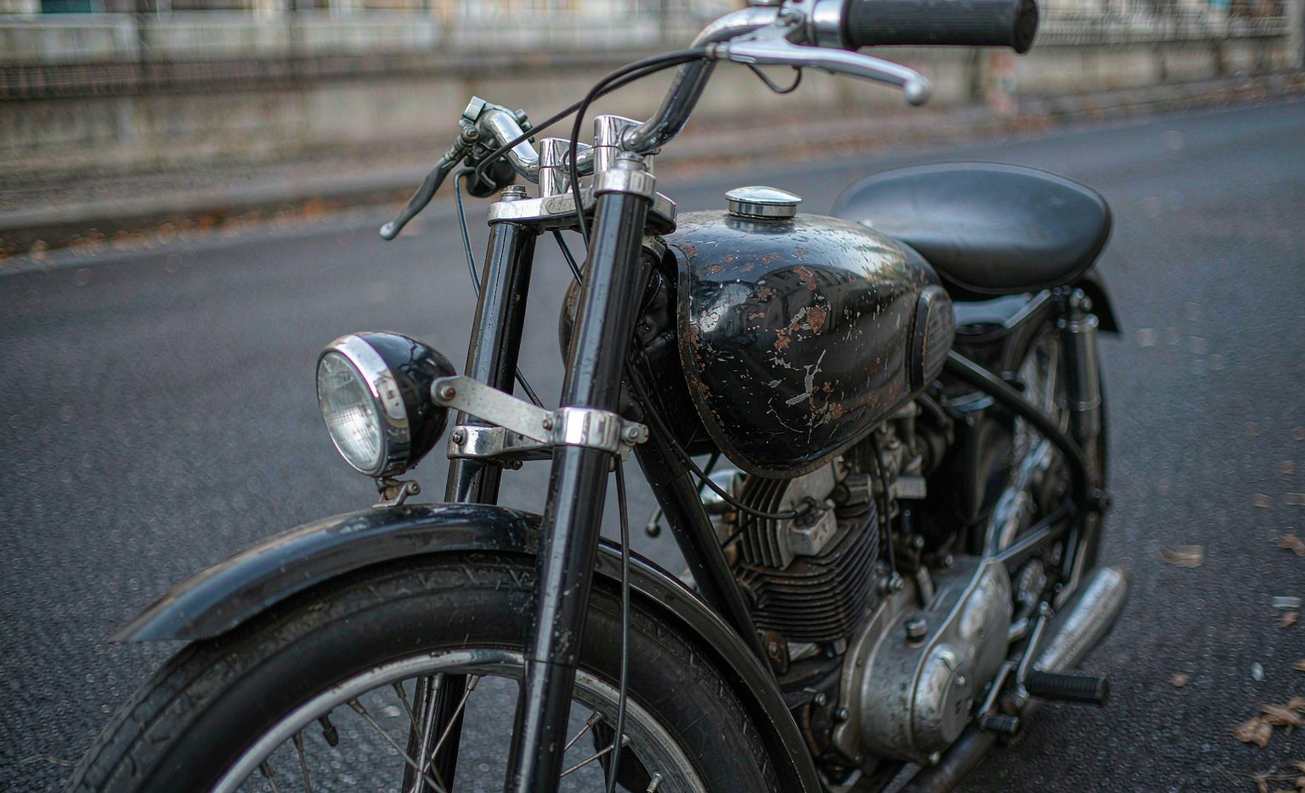
Кафе-ростер — это стиль, а не модель: набор доработок, превращающих стандартный мотоцикл в лёгкую, вертикальную, минималистичную машину в духе спортивных британских мотоциклов 1960-х. Понимание ключевых доработок и реальных нормативных ограничений помогает сборщику или покупателю честно специфицировать байк, особенно при заказе компонентов через поставщика OEM/ODM, а не при покупке готового мотоцикла.
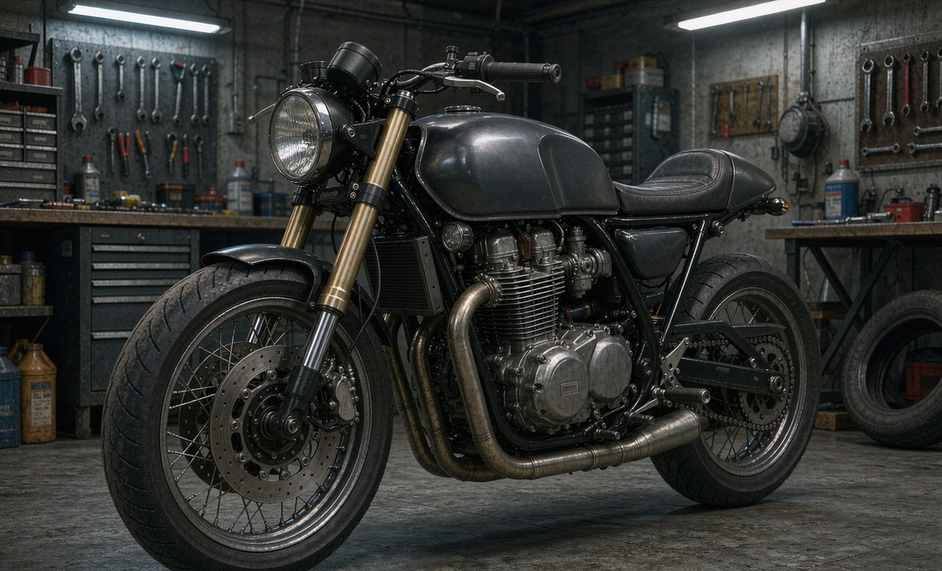
Ключевые доработки
| Доработка | Что она делает |
|---|---|
| Шток рукояток управления (clip-on) | Понижает и сужает позицию сидения для более спортивной посадки |
| Педали для заднего положения | Перемещает вес назад, освобождает пространство для выхлопа и хвоста |
| Одно место / обтекатель | Убирает пассажирское место, заужает заднюю часть |
| Свободный выхлоп | Меняет массу и звук; должно соответствовать нормам шума |
| Минимальный обвес | Убирает обтекатели и лишний вес |
Масса и посадка
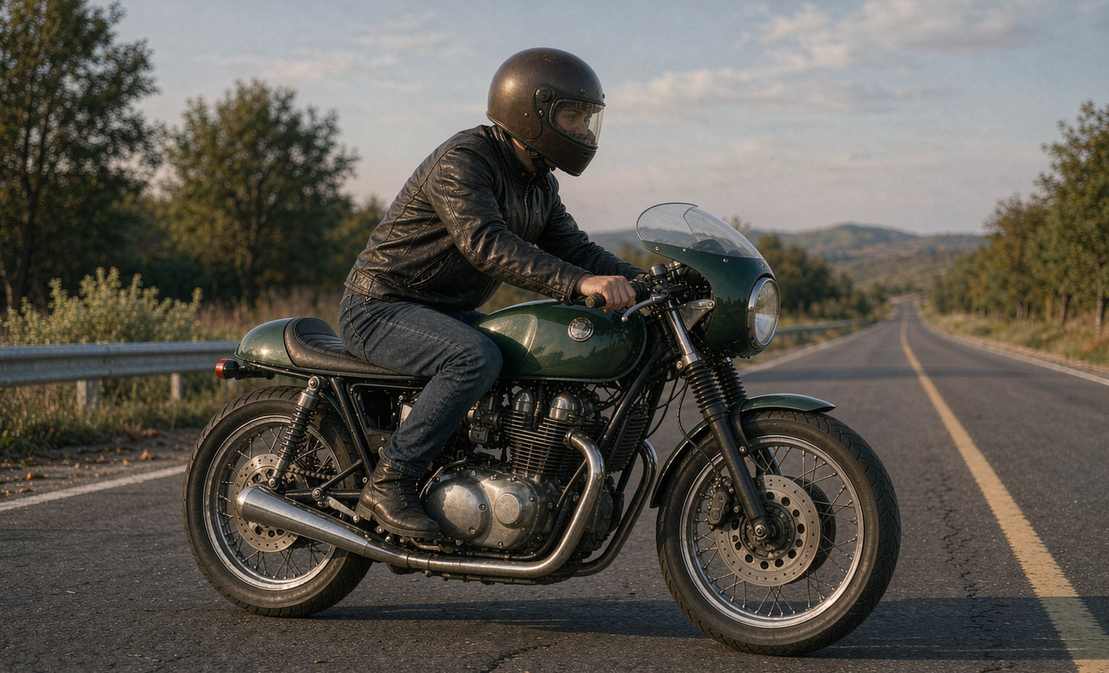
Эстетика строится на лёгкости: убрать пассажирское место, обтекатели и ненужные детали, и мотоцикл начинает выглядеть как созданная с целью гонок машина. Стоки и педали опускают райдера низко и вперёд, что выглядит по-спортивному, но также меняет эргономику — это компромисс комфорта ради посадки. Честная сборка это и признаёт, а не выдаёт себя за туринговый мотоцикл.
Выбросы и ABS не опциональны
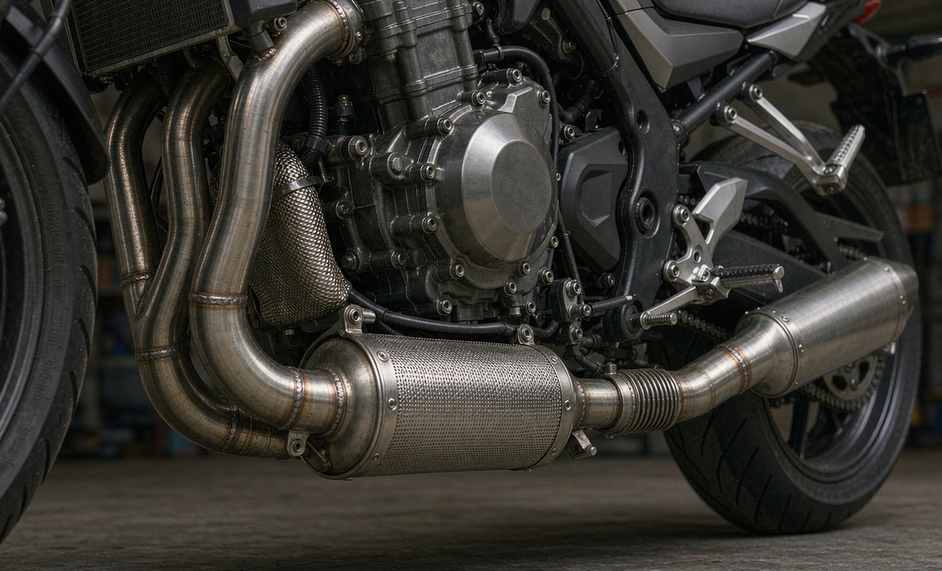
В ЕС мотоциклы для дорог должны соответствовать нормам выбросов Euro 4 / Euro 5 и ограничениям по шуму, а ABS является обязательным для мотоциклов с объёмом более 125 куб. см с 2016 года. “Свободный” выхлоп, удаляющий катализатор, или отключение ABS не легальны для дорог в этих рынках. Соответствующий норме кафе-ростер сохраняет катализатор и ABS и тюнит остальное — стиль не требует нарушения правил, и поставщик, отправляющий грузы в ЕС, должен их уважать.
OEM/ODM и готовые мотоциклы
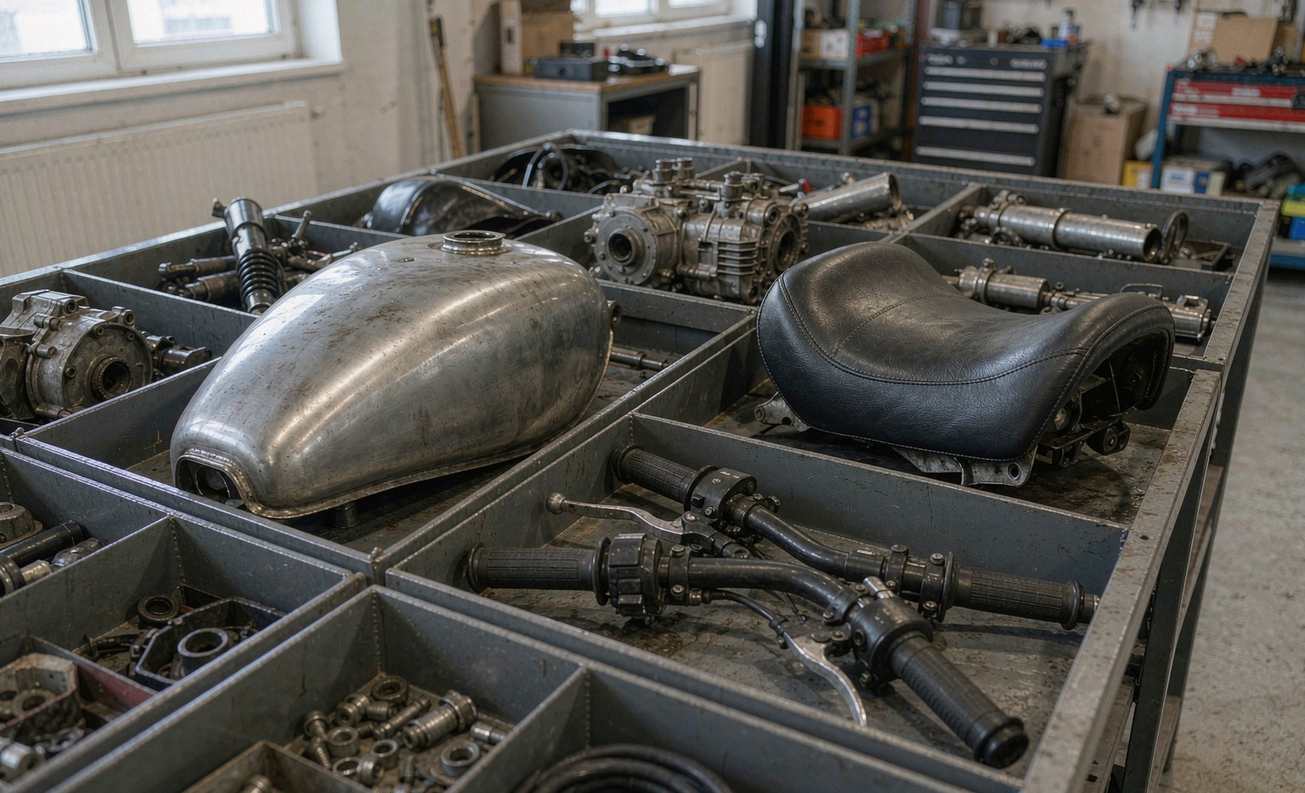
Многие покупатели подходят к кафе-ростеру как к программе комплектующих — баки, сиденья, рули, выхлоп, свет — закупаемых у производителя, затем устанавливаемых на донорский мотоцикл. Это легитимный путь OEM/ODM, но он должен описываться как custom-компоненты, а не как конкретная серийная модель, которую поставщик не производит. Честная спецификация избегает намёка на линейку моделей, которой не существует.
Что специфицировать
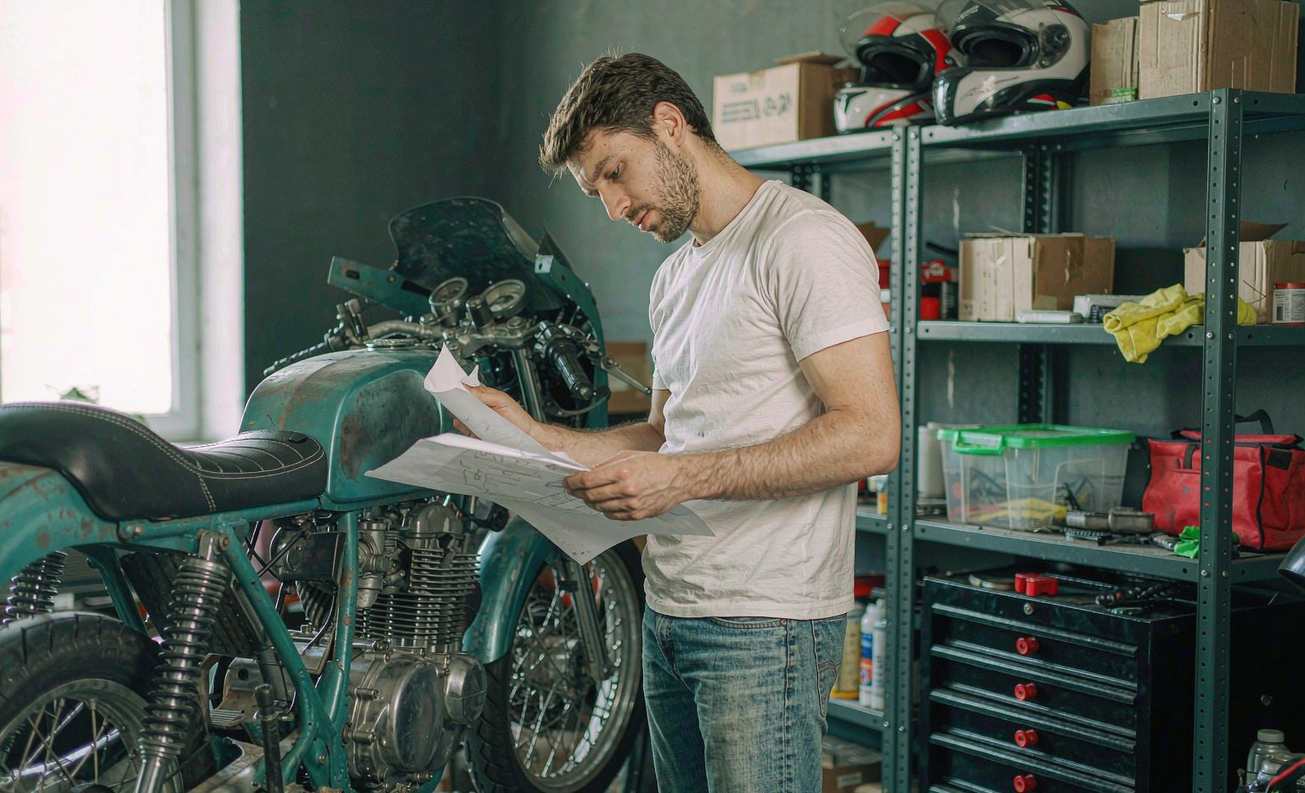
Укажите донорскую платформу, детали (бак, сиденье, руль, выхлоп, свет) и подтвердите соответствие эмиссиям/ABS для целевого рынка. Кафе-ростер — это цельный визуальный язык; сборка легитимна, когда соблюдаются нормы и детали описаны такими, какие они есть, а не выдаются за что-то другое.
Ценовые категории
Сборка кафе-ростера варьируется от болтовой конверсии — руль, сиденье и выхлоп на донорском мотоцикле — до полной переработки с кастомным баком и подрамником. Болтовой путь дешевле и обратим; полная сборка стоит в разы дороже и занимает месяцы. Большинство сборщиков начинают с болтового уровня, катаются на нём, затем решают, стоят ли более глубокие доработки денег и простоев.
Закупка деталей
Детали закупаются либо из каталога производителя (баки, сиденья, рули, освещение) для установки на донорскую платформу, либо изготавливаются индивидуально. Использование каталога обеспечивает предсказуемость посадки и простоту оформления документов; индивидуальное изготовление даёт уникальный результат, но требует замеров и примерки. В любом случае детали должны описываться как они есть — из каталога или индивидуальные — а не подаваться как заводская модель, которую поставщик не производит.
Частые ошибки
К типичным ошибкам сборщиков относятся чрезмерное понижение посадочной высоты, из-за которого мотоцикл задевает землю; установка глушителя, не отвечающего нормам по уровню шума; и игнорирование эргономики, из-за чего на мотоцикле неудобно ездить. Ещё одна ошибка — восприятие декоративных деталей как системы безопасности: рули, тормоза и шины важнее, чем краска. Качественная сборка ставит соответствие нормам и функциональность выше эстетики.
Документация и осмотр
Ведите спецификационный лист с указанием донорского мотоцикла, каждой изменённой детали и её статуса соответствия нормам, чтобы покупатель или инспектор могли проверить сборку. На рынках с периодическими техническими осмотрами не задокументированные модификации вызывают больше отказов, чем сами детали. Документирование сборки превращает хобби-проект в продаваемый и застраховываемый аппарат.
Уровни сборки в кратком виде
Определите масштаб проекта с учётом бюджета и времени простоя перед началом работ:
| Уровень | Типовые работы | Обратимо? |
|---|---|---|
| Модульная доработка | Рули, сиденье, глушитель, свет | Да |
| Средняя сборка | + бак, подрамник, подвеска | Частично |
| Полная сборка | Рама, двигатель, индивидуальный кузов | Нет |