
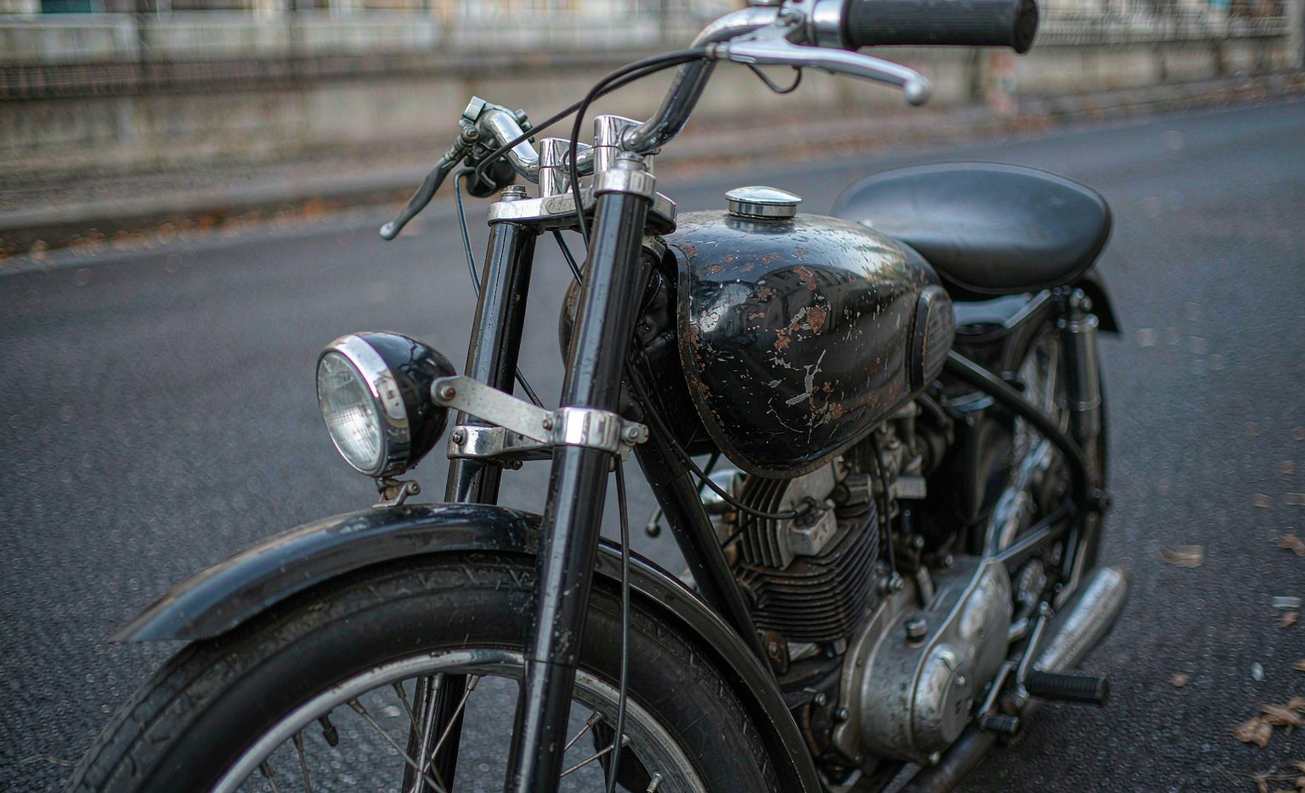
The café racer is a style, not a model — a set of modifications that turn a standard motorcycle into a light, upright, minimalist machine in the spirit of 1960s British sport bikes. Understanding the defining mods and the real regulatory limits helps a builder or buyer spec one honestly, especially when sourcing through an OEM/ODM parts supplier rather than buying a finished bike.
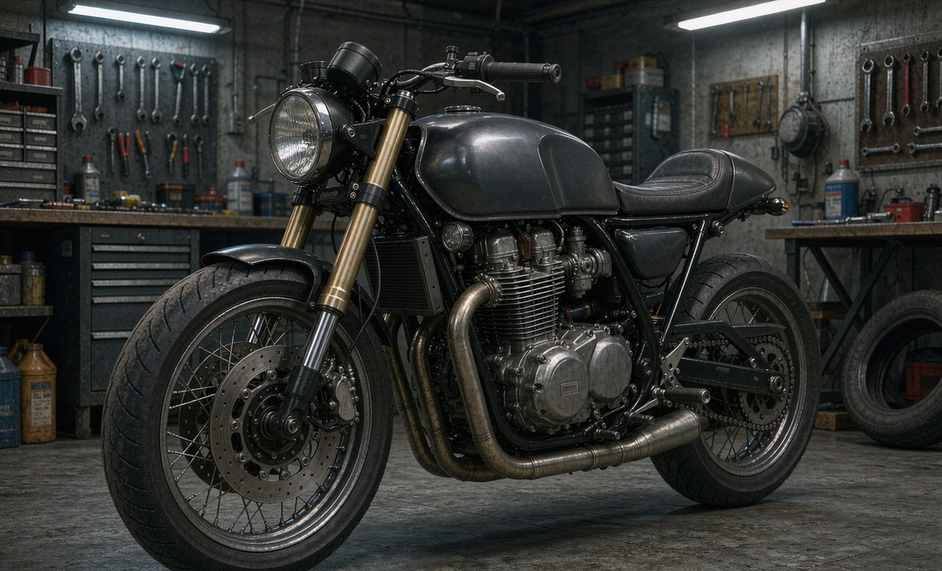
The defining modifications
| Mod | What it does |
|---|---|
| Clip-on bars | Lowers and narrows the riding position for a sportier stance |
| Rear-set footpegs | Moves weight back, opens up the exhaust and tail |
| Solo seat / cowl | Removes the pillion, tightens the tail |
| Free-flow exhaust | Weight and sound change; must meet noise limits |
| Minimal bodywork | Drops fairings and excess weight |
Weight and stance
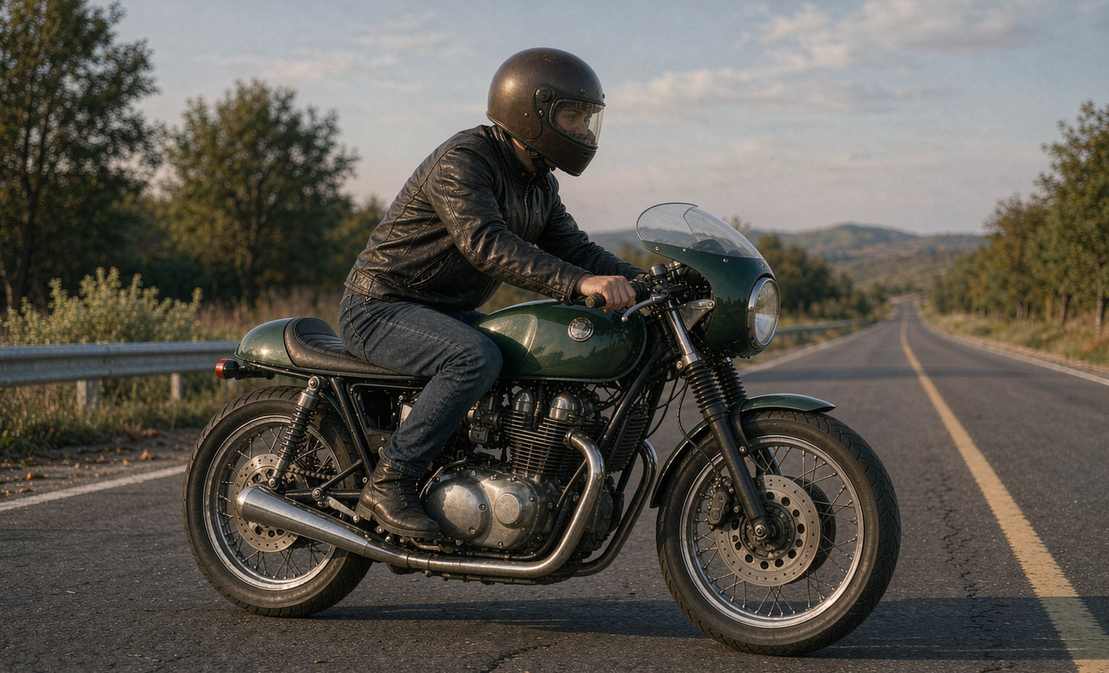
The aesthetic is built on lightness: remove the pillion, fairings and unnecessary trim, and the bike reads as a purpose-built runner. The clip-ons and rear sets put the rider low and forward, which looks the part but also changes ergonomics — it is a compromise of comfort for posture. A honest build states that, rather than implying a touring bike.
Emissions and ABS are not optional
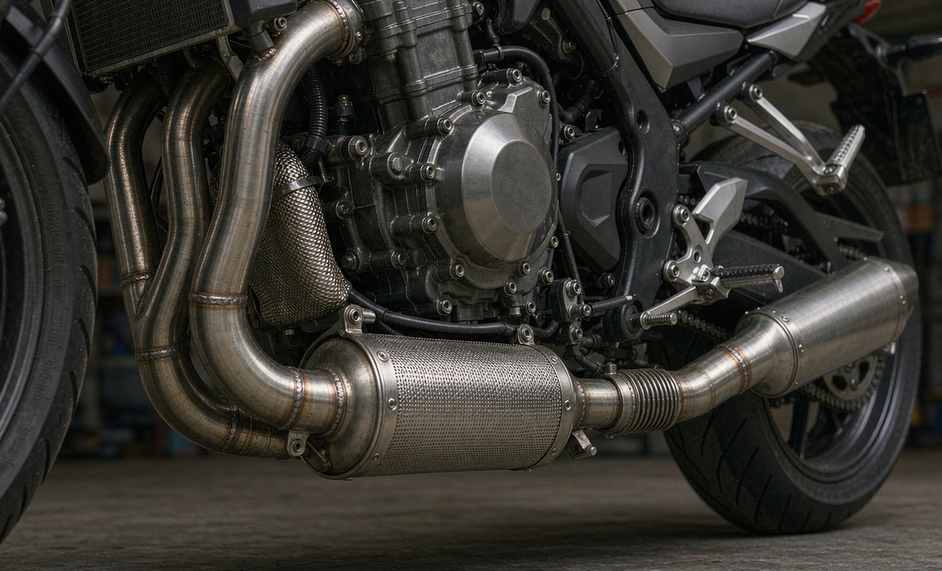
In the EU, on-road bikes must meet Euro 4 / Euro 5 emissions and noise limits, and ABS is mandated for machines above 125 cc since 2016. A “free-flow” exhaust that deletes the catalyst or an ABS defeat is not road-legal in those markets. A compliant café racer keeps the catalyst and ABS and tunes the rest — the style does not require breaking the rules, and a supplier shipping to the EU must respect them.
OEM/ODM versus finished bikes
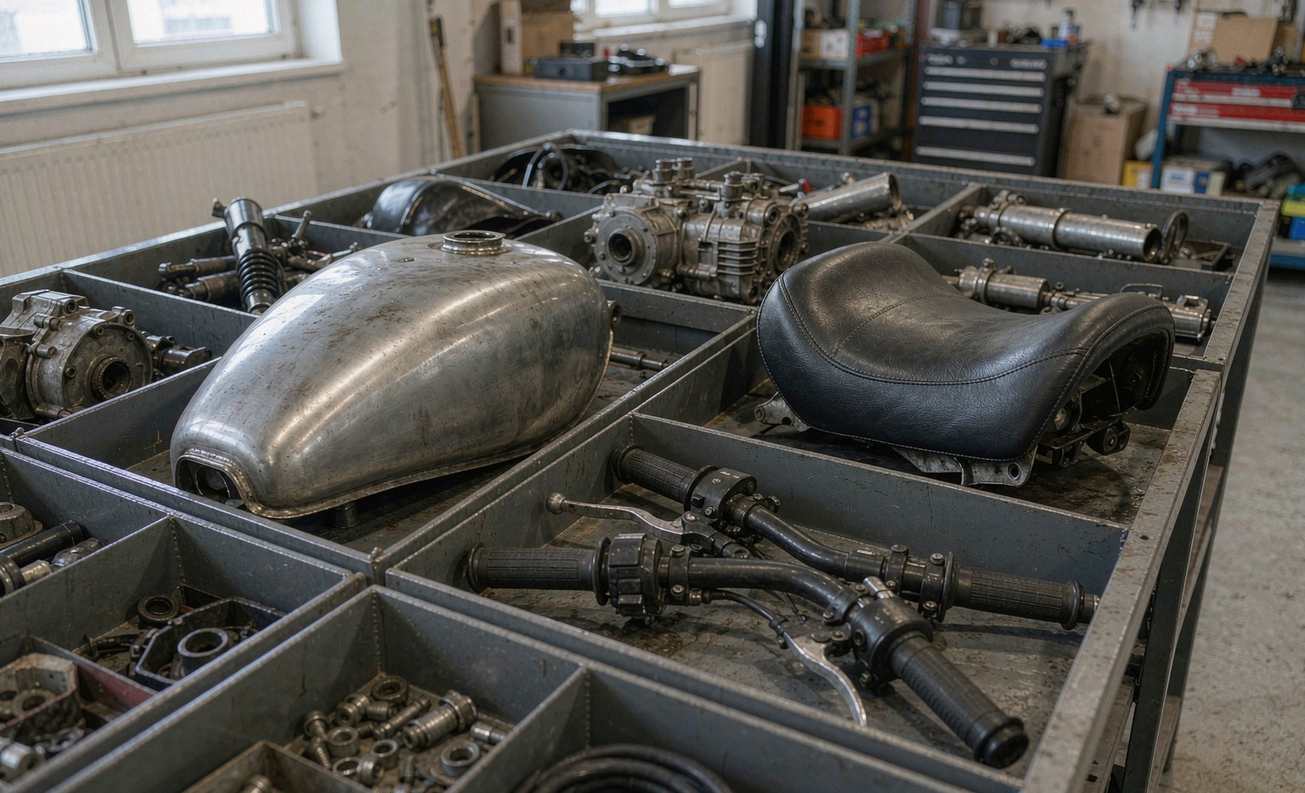
Many buyers approach a café racer as a parts program — tanks, seats, bars, exhausts, lighting — sourced from a manufacturer, then fitted to a donor bike. That is a legitimate OEM/ODM route, but it should be described as custom parts, not as a specific production model the supplier does not make. Honest specification avoids implying a model line that does not exist.
What to specify
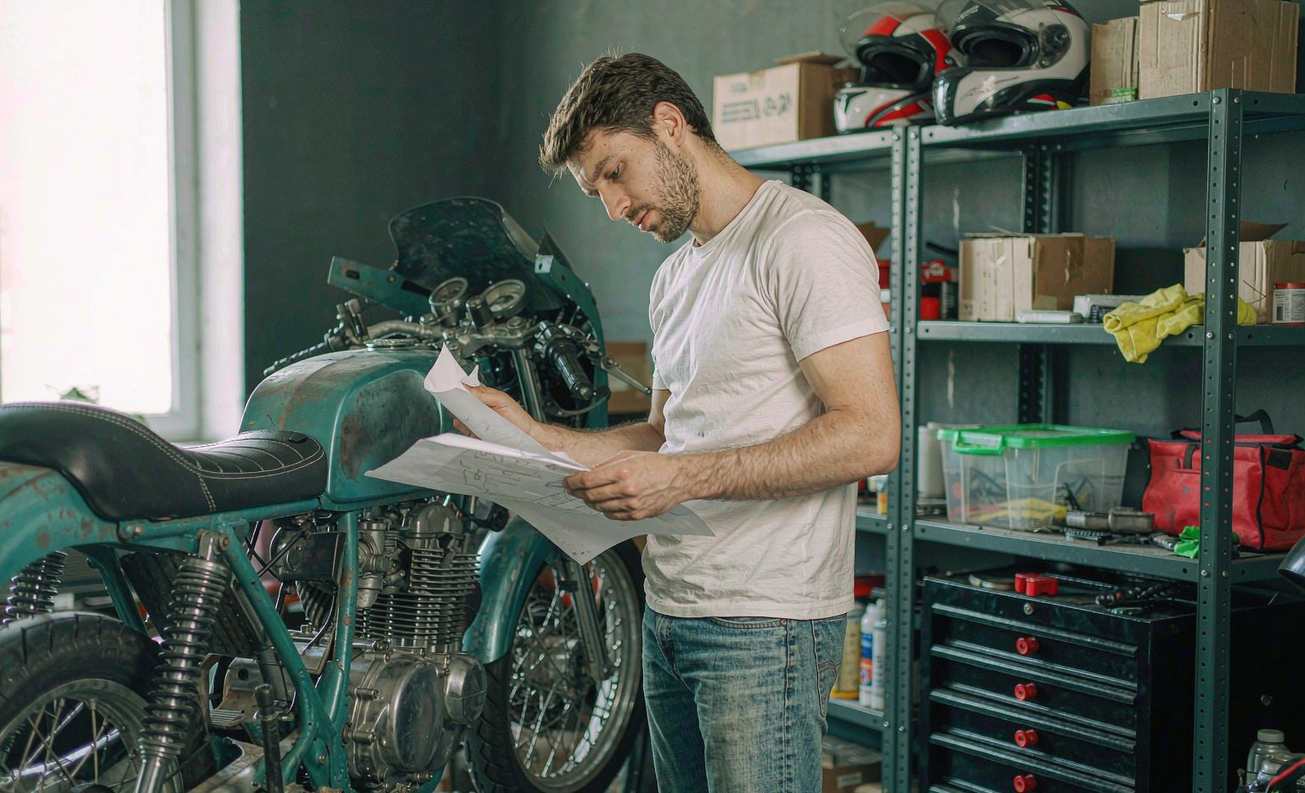
Specify the donor platform, the parts (tank, seat, bars, exhaust, lighting), and confirm emissions/ABS compliance for the target market. The café racer is a coherent visual language; the build is legit when the regulations are met and the parts are described for what they are, not dressed up as something they are not.
Budget tiers
A café racer build ranges from a bolt-on conversion — bars, seat and exhaust on a donor bike — to a full frame-up rebuild with a custom tank and subframe. The bolt-on route is cheaper and reversible; the full build costs multiples more and takes months. Most builders start with the bolt-on tier, ride it, then decide whether deeper modifications are worth the money and the downtime.
Sourcing parts
Parts are sourced either from a manufacturer’s catalog (tanks, seats, bars, lighting) fitted to a donor platform, or fabricated one-off. Using a catalog keeps fitment predictable and paperwork simple; custom fabrication gives a unique result but needs measurement and trial fitting. Either way, the parts should be described for what they are — catalog or custom — rather than presented as a factory model the supplier does not produce.
Common mistakes
The frequent builder errors are over-lowering the stance so the bike grounds out, fitting an exhaust that fails the noise limit, and ignoring the ergonomics so the bike is uncomfortable to actually ride. Another is treating cosmetic parts as a safety system: bars, brakes and tires matter more than the paint. A good build keeps compliance and function ahead of looks.
Documentation and inspection
Keep a specification sheet listing the donor bike, every changed part and its compliance status, so a buyer or inspector can verify the build. In markets with periodic roadworthiness checks, undocumented modifications cause more failures than the parts themselves. Documenting the build is what turns a hobby project into a sellable, insurable machine.
Build tiers at a glance
Scope the project against budget and downtime before starting:
| Tier | Typical work | Reversible? |
|---|---|---|
| Bolt-on | Bars, seat, exhaust, lights | Yes |
| Mid build | + tank, subframe, suspension | Partly |
| Full build | Frame, engine, custom bodywork | No |