
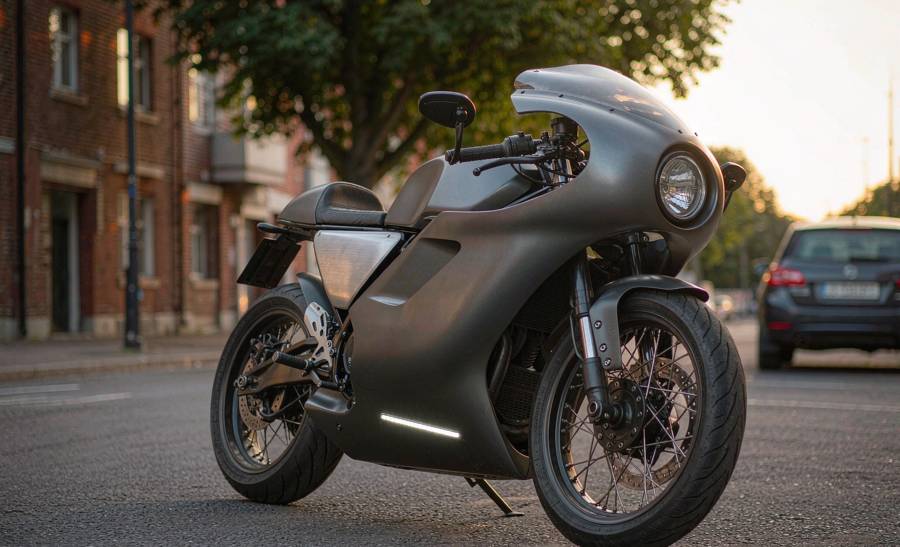
Кафе-рейсер — самый узнаваемый стиль в мире мотоциклов: облегчённая машина с низким рулем, одним сиденьем и без какого-либо оборудования, которое не делает её легче или быстрее. Внешний вид зародился в Лондоне 1950-х и 1960-х годов, где райдеры облегчали серийные мотоциклы для коротких и быстрых заездов между кафе-ресторанами транспорта — это стало источником культуры “тон-ап” (успешного прохождения маршрута за одну минуту) и ориентира на 100 миль/час. На самом деле то, что определяет, получите ли вы удовольствие от владения таким мотоциклом, — это не силуэт, а три практических момента: класс водительских прав, под который подпадает объём двигателя, эргономика, с которой можно жить, и оборудование, которое мотоцикл обязан иметь по закону.
Что делает мотоцикл кафе-рейсером
Четыре характеристики определяют стиль, и каждая из них является дизайнерским решением с последствиями для езды:
- Низкий или клип-он руль — вес переносится на запястья, а корпус наклоняется вперёд. Резче рулевое управление, большее напряжение на низкой скорости.
- Одно сиденье с задним выступом (хампом) — пассажирское место удалено, что экономит вес и укорачивает хвост.
- Минимальный обвес — нет обтекателей и ветрового стекла, поэтому райдер встречает ветер в лоб.
- Усиленный двигатель и тормоза по сравнению с базовым мотоциклом — исторически целью сборки была производительность, а не декор.
Таким образом, кафе-рейсер — это не просто “старый мотоцикл с плоским сиденьем”. Машину с прямым рулём, двуседельником и ветровым стеклом можно назвать стандартным или скрамблером, какой бы он ни был раскрашен.
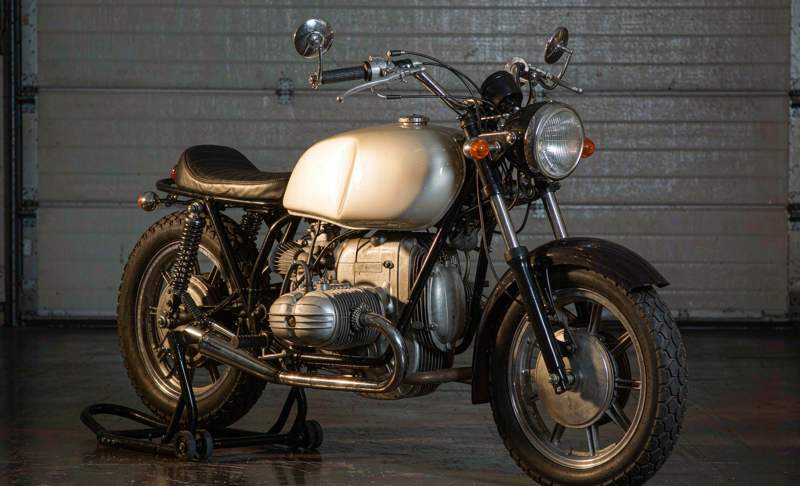
Рабочий объём двигателя определяет, какие права вам нужны
В ЕС категория водительских прав определяется ёмкостью цилиндров, мощностью и отношением мощности к весу, а не стилем мотоцикла, согласно Директиве 2006/126/EC. Это первый фильтр при отборе, потому что мотоцикл, на который у вас нет законного права на управление, не является кандидатом:
| Категория | Ограничение | Минимальный возраст | Типовая сборка кафе-рейсера |
|---|---|---|---|
| АМ | Мопед, максимальная конструктивная скорость 45 км/ч | 16 | Городской мопед, обычно не кандидат |
| А1 | ≤ 125 куб. см, ≤ 11 кВт, ≤ 0,1 кВт/кг | 16 | Лёгкий 125-кубовый кафе-рейсер, допустимый для обучения во многих рынках |
| А2 | ≤ 35 кВт, ≤ 0,2 кВт/кг, не модифицирован из мотоцикла с мощностью более чем вдвое выше | 18 | Класс двусековых или одноклассовых объёмом 300–500 куб. см |
| A | Без ограничений | 20 (после 2 лет с A2) или 24 сразу | Ретро и кастомы с большим рабочим объёмом |
Правило оотношения мощности к весу для A2 застигает покупателей врасплох: ограниченный мотоцикл большого объёма не должен быть модифицирован из машины, развивающей мощность более чем вдвое от 35 кВт, поэтому не каждый детюньтированный 650-кубовый мотоцикл может быть зарегистрирован как соответствующий категории A2.
Кафе-рейсер против скрамблера против стандарта
| Стиль | Позиция при езде | Дорожный просвет | Выбирать, когда |
|---|---|---|---|
| Кафе-рейсер | Вперёд, низкий руль | Низкая | Асфальтированные дороги, короткие энергичные поездки, стильный коммутинг |
| Скрамблер | Прямо | Высокая | Смешанные поверхности, более трудные дороги |
| Стандарт / нейкид | Прямо | Средняя | Универсальное использование, самые длинные дни в седле |
Если вы ездите ежедневно, и ваш маршрут включает транспортные потоки, стандартный мотоцикл — более удобный для жизни; кафе-рейсер вознаграждает более короткие поездки по хорошим покрытиям.
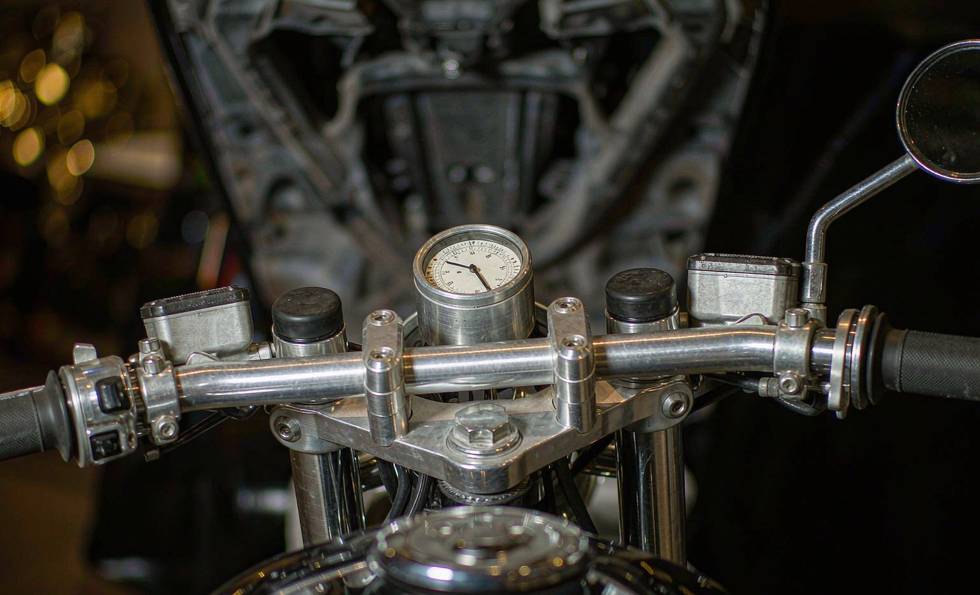
Что новый мотоцикл обязан иметь по закону (ЕС)
Согласно регламенту о type-approval категории L, Регламент (ЕС) № 168/2013, вступившая в силу с 1 января 2016 г., новые мотоциклы, продаваемые в ЕС, должны быть оснащены следующим образом:
- АБС (система антиблокировки колес) обязательна на новых мотоциклах объемом более 125 см³; АБС или интегрированная система торможения (CBS) для мотоциклов объемом 125 см³ и менее.
- Автоматическое включение фар (AHO) — освещение включается вместе с двигателем.
- Выбросы — Стандарты Euro 4 с 2016 г. и Euro 5 с 2020 г. для новых типов, с длительностью службы систем контроля выбросов 20 000 км (A1) и 35 000 км (A2/A3).
- OBD (система диагностики на борту) — поэтапно вводимые бортовые диагностические системы со стандартизированными портами доступа.
- Защита от вмешательства (анти-саботаж) меры на транспортных средствах мощностью до 35 кВт.
Два последствия для покупателя: подлинный мотоцикл с завода нового рынка представляет большую безопасность, чем машина до 2016 г., с точки зрения только торможения, а единичный кастомный экземпляр — это тот случай, когда данный список становится вашей проблемой, а не фабричной, — индивидуальное транспортное средство может быть сертифицировано по схемам малых серий или национальным процедурам, но именно вы должны соответствовать этим требованиям.
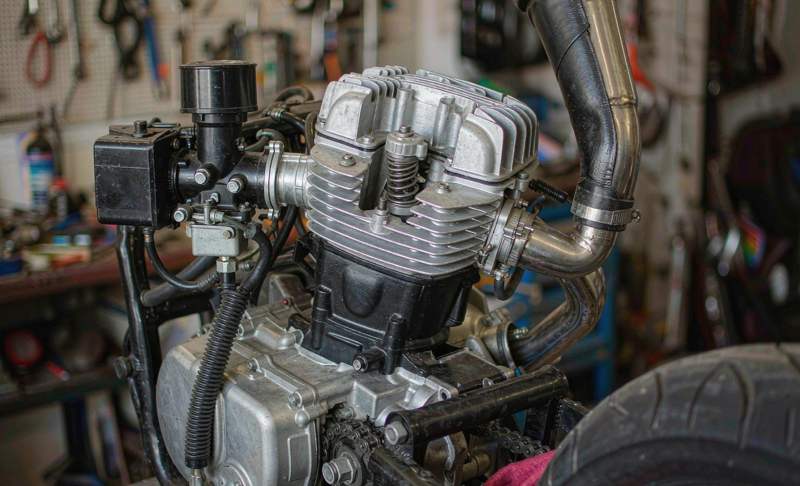
Характеристики, определяющие комфорт эксплуатации
| Спецификация | Проверьте | Почему это важно |
|---|---|---|
| Высота сиденья | Можно ли положить ногу на землю стоя? | Низкий руль снижает устойчивость на малых скоростях; низкое сиденье компенсирует это |
| Массовая техническая масса | Данные производителя, готовый к поездке вес | Легкие постройки легче маневрировать, парковаться и поднимать |
| Тормоза | Минимум передний диск; АБС согласно правилам выше | Самый значимый фактор безопасности на любом мотоцикле |
| Положение руля и подножек | Посидите на нем 20 минут, а не 2 | Нагрузка на запястья и колени становится усталостью при длительных поездках |
| Шины и колёса | Размеры, которые по-прежнему производятся | Восстановленные мотоциклы часто имеют устаревшие размеры, которые трудно заменить |
| Запас хода | Литры в баке × реалистичный расход | Небольшие баки кафе-рейсеров могут обеспечивать только 150 км запаса хода |
Новый, восстановленный или кастомный
| Вариант | Что вы получаете | Подводный камень |
|---|---|---|
| Новый с завода / сборка OEM | Известные спецификации, гарантия, запасные части, актуальное соответствие стандартам торможения и выбросов | Менее индивидуальный, чем единичный экземпляр |
| Восстановленная классика | Характер и растущая редкость | Состояние рамы, проводки и тормозов должно быть проверено; поиск запчастей — ваша задача |
| Единичный кастом | Уникальность и сборка, созданная под вас | Вся ответственность за поддержку, соответствие и риск перепродажи лежит на вас |
Поставка моделей в стиле кафе-рейсера в качестве импортёра
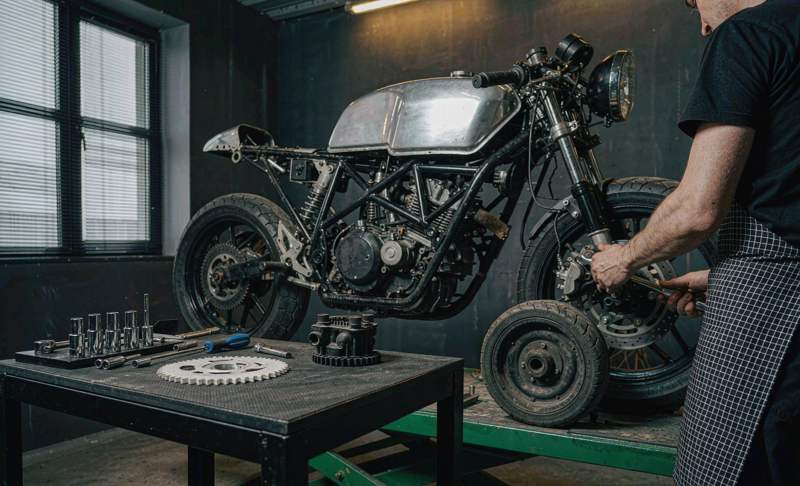
Для дилера или дистрибьютора практическим путем к модели в стиле кафе-рейсера является не поиск единичных кастомов, а разработка: стилистика кафе-рейсера представляет собой пакет обтекателей, сидения, руля и выхлопной системы, который может быть разработан на проверенной платформе для ежедневной поездок или одноцилиндровой, таким образом, механика, одобрение выбросов и цепочка поставок запчастей остаются стандартными.
Это модель OEM/ODM, с которой мы работаем в Zukida. Наши производственные корни восходят к 1997 году, а экспортный бренд Zukida был создан в 2020 году, мы поставляем бензиновые мотоциклы, скутеры и электровелосипеды клиентам в более чем 40 странах. На практике программа в стиле кафе-рейсера проходит следующие этапы: требования и целевой рынок → проект дизайна, балансирующий стилистику с соответствием базовой платформы → прототип для тестирования и одобрения → производство с контроль на этапах. Вы можете увидеть актуальный модельный ряд мотоциклов на которых обычно создаются эти программы, или прочитать о том, как мы работаем с партнёрами.
Прежде чем определиться с поставщиком, убедитесь в том, что является стандартным, а что — опциональным: базовая платформа и объём двигателя, установленная система торможения, освещение, размеры шин, которые всё ещё будут доступны через пять лет, и кто хранит документацию об одобрении типа для вашего рынка.
Чек-лист по покупке
- Сначала класс водительских прав — проверьте объём двигателя в кубических сантиметрах, мощность в киловаттах и соотношение мощности к массе против вашей категории, прежде чем влюбиться в фотографию.
- Тормозное оборудование — ABS (или CBS для объёма до 125 кубических сантиметров) на любом мотоцикле, продаваемом как новый в ЕС, и задокументированное техническое обслуживание тормозов на реставрированном мотоцикле.
- Посидите на нём 20 минут — доступность руля, положение подножек и высота сиденья определяют, будет ли поездка в удовольствие или в тягость.
- Взвесьте его — спросите о снаряженной массе, а не о сухой массе.
- Проверьте цепочку комплектующих — шины, тормозные колодки и расходные материалы в размерах, которые всё ещё выпускаются.
- Узнайте, кто его поддерживает — заводская или оригинальная сборка имеет гарантию и канал поставки запчастей; единственный экземпляр имеет то и другое.
Часто задаваемые вопросы
Подходит ли кафе-рейсер новичку?
Лёгкий мотоцикл класса A1 (до 125 кубических сантиметров, 11 кВт) может подойти уверенному новичку на асфальтированных дорогах, и он разрешён для обучения во многих рынках. Передняя позиция сидения и жёсткое одноместное сиденье менее прощают ошибок, чем стандартная, поэтому сопоставьте объём двигателя с вашим классом прав и привыкните к рулю, прежде чем выезжать в трафик.
Комфортны ли кафе-рейсеры на длинных дистанциях?
В целом, менее, чем стандарты или скрамблеры. Низкий руль нагружает запястья, а выступ на одноместном сиденье ограничивает движения, поэтому они лучше подходят для коротких быстрых поездок, чем для туринга в течение всего дня. Если в планах длинные поездки, выберите стандартный мотоцикл или модель в стиле кафе-рейсер, геометрия сиденья и положения руля на которой настроена на длинные дистанции.
Почему я не могу зарегистрировать ограниченный мощный мотоцикл на права категории A2?
Потому что правило категории A2 ограничивает как мощность, так и происхождение: мотоцик должен вырабатывать не более 35 кВт, оставаться в пределах 0,2 кВт/кг и не должен быть модифицирован из машины, вырабатывающей мощность более чем вдвое выше. Де-тюнингованный суперспидвей 100 кВт не проходит последнюю проверку, независимо от того, сколько мощности он вырабатывает сейчас.
Нужен ли ABS кастомному кафе-рейсеру?
Новые мотоциклы объёмом выше 125 кубических сантиметров, продаваемые в ЕС, должны быть оснащены ABS в соответствии с Регламентом (ЕС) № 168/2013. Отдельно собранные транспортные средства могут быть одобрены по схемам малых серий или национальным схемам, но ответственность за соблюдение применимых требований переходит к изготовителю или импортеру, — поэтому подтвердите позицию вашего регистрирующего органа перед началом сборки.
Связанная литература
- Электрические и бензиновые городские мотоциклы: сравнение характеристик для импортёров
- Условия оплаты экспорта мотоциклов: кто кого защищает
Если вы подбираете модель в стиле кафе-рейсер для конкретного рынка, самый быстрый путь — отправить нам целевой объём двигателя, класс водительских прав, на который вы ориентируетесь, и стилистическую参考 — наша команда вернётся с предложением, соответствующим платформе, и позицией по соответствию для вашего рынка.
Последнее обновление: сентябрь 2026 г. Категории прав следуют Директиве 2006/126/EC, а требования к транспортным средствам — Регламенту (ЕС) № 168/2013, опубликованному Европейским парламентом; всегда подтверждайте действующие национальные правила рынка, в котором вы будете регистрировать транспортное средство.