
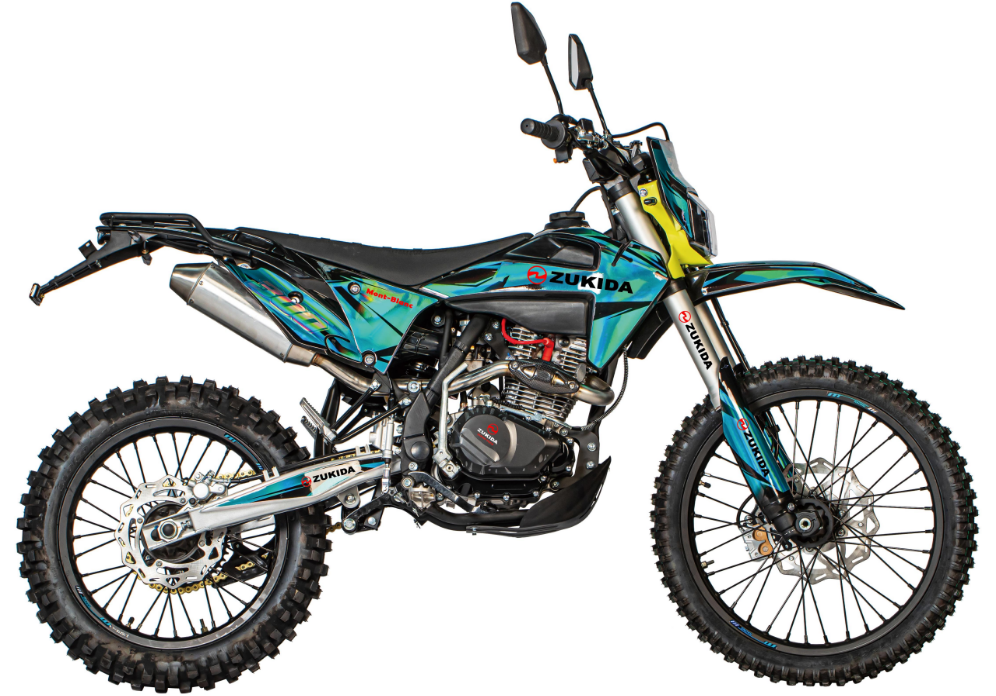
Buying an off road on road motorcycle is just the beginning. As a manufacturer, Zukida delivers a machine built to spec, but to truly unlock its potential for adventure, you need to dial it in. A bike that feels perfect on the highway might feel awkward on a rocky trail unless you adjust the setup.
Drawing from our experience designing the rugged Tekken Series and testing in harsh environments, here is the definitive guide to preparing your motorcycle for the dual demands of dirt and pavement.
1. Armor Up: Protecting the Vitals
In the showroom, a bike is pristine. On the trail, gravity is undefeated. When you take an off road on road motorcycle into the wild, you must assume it will tip over. You need to protect the unrepairable parts.
- Handguards: These are not just for wind protection. A sturdy aluminum-spine handguard protects your brake and clutch levers from snapping if the bike falls. If you break a clutch lever 50 miles from civilization, your ride is over.
- Skid Plate: The engine is the heart of your bike. On models like the Mont Blanc 300, rocks kicked up by the front wheel can crack the engine case. A proper skid plate is cheap insurance.
- Crash Bars: These protect the radiator and plastic fairings. They also provide a convenient grab handle to lift the bike when it falls.
2. The “Slack” Secret: Chain Tension
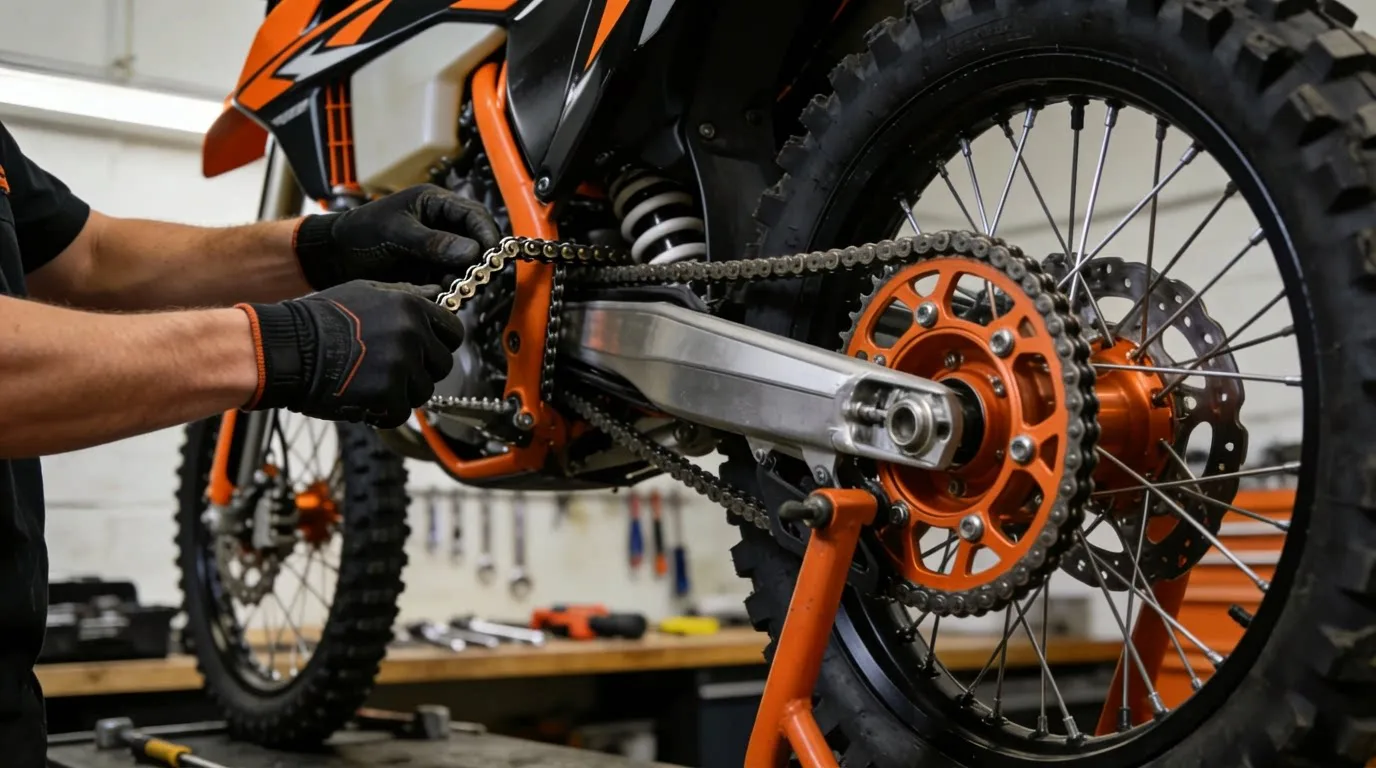
This is the most common mistake we see in our service centers. Riders set their chain tension to factory “street” specs, then go off-roading.
The Manufacturer’s Insight: When your rear suspension compresses fully (like when landing a jump or hitting a pothole), the distance between the front sprocket and rear axle increases. If your chain is too tight, it can snap or ruin the output shaft seal.
For an off road on road motorcycle, you generally need a slightly looser chain than a pure street bike. Always check tension with the rider’s weight on the bike.
3. Ergonomics: Standing vs. Sitting
We design bikes like the Jet 200 for seated comfort. However, dual-sport riding involves standing up.
Handlebar Position
If you feel hunched over when standing, you lose control. Rotating the handlebars forward slightly can open up the cockpit. For taller riders, installing handlebar risers (20-30mm) can transform the handling of a Defender Dirt Bike, giving you better leverage in technical terrain.
Foot Controls
Check your brake pedal and gear shifter height. If they are too low, you cannot reach them when standing. Adjusting these levers is a free modification that instantly improves safety.
4. Spoke Tension: The Silent Killer
Cast wheels (like on cars) are rigid. Spoked wheels (common on dual-sports) are flexible and strong, but they require maintenance. New bikes settle in.
After your first few off-road rides, take a wrench to your spokes. Tap them—they should “ping” like a musical instrument. If one sounds dull or “thuds,” it is loose. A loose spoke can lead to a warped wheel, which is dangerous at highway speeds.
5. Luggage: Keep it Low and Tight
Loading an off road on road motorcycle changes its center of gravity. Whether you choose hard aluminum panniers or soft waterproof bags, the rule is the same: Pack heavy items low and central.
Tools and spare parts should be at the bottom of your panniers. Lightweight items like sleeping bags go on top. A top-heavy bike is a nightmare to handle in sand or mud.
Conclusion
Your motorcycle is a tool. By spending a Saturday afternoon installing protection, adjusting ergonomics, and checking critical fasteners, you ensure that your tool works when you need it most. A well-setup Zukida isn’t just a vehicle; it’s a reliable partner for your journey.
This is covered in more detail in Off Road On Road Motorcycle.