
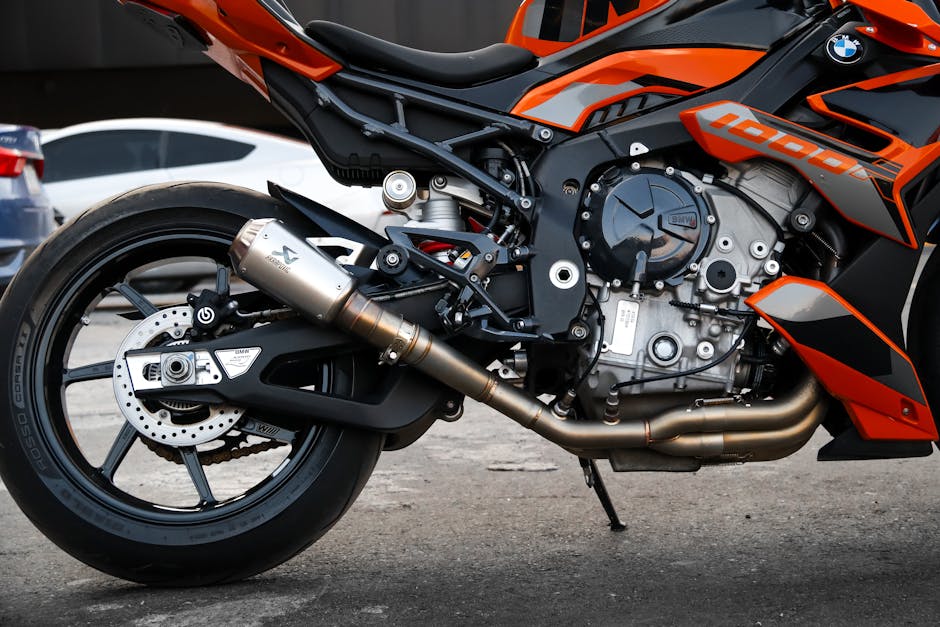
Proper motorcycle engine break-in represents one of the most critical phases in a bike’s lifecycle, directly influencing long-term performance, reliability, and engine lifespan. This comprehensive technical guide provides professional-grade protocols for both new riders and seasoned mechanics, covering everything from initial break-in oil selection to advanced break-in monitoring techniques. For riders new to motorcycle ownership, mastering the fundamentals of break-in is essential for establishing a strong foundation for long-term riding success. Mastering the Fundamentals: 7 Essential Skills for New Motorcycle Riders
Understanding Engine Break-In Fundamentals
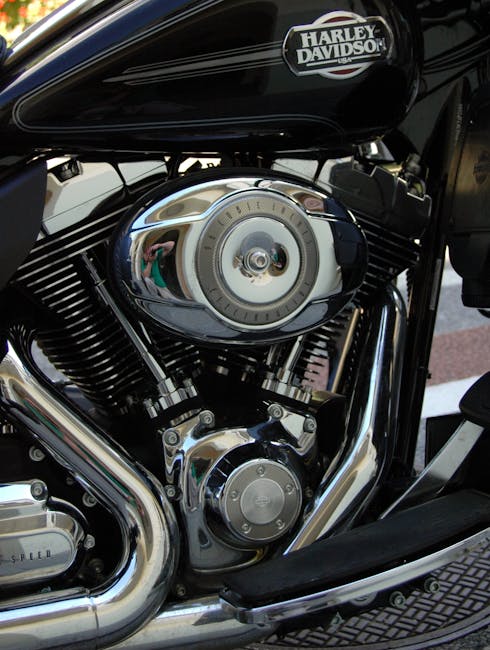
The engine break-in process involves micro-level surface interactions between pistons, rings, and cylinder walls that occur during the first 1,000 miles of operation. During this phase, metal surfaces undergo controlled wear and seizure, creating optimal surface finish and clearance specifications for maximum performance.
Manufacturers establish specific break-in protocols based on engine design characteristics, combustion chamber geometry, and material specifications. These protocols account for thermal expansion properties, lubrication requirements, and mechanical stress distributions unique to each engine configuration. The Motorcycle Value Guide for Riders in 2025 provides comprehensive insights into understanding the technical specifications and value factors that affect break-in requirements across different motorcycle models.
The break-in period typically lasts 1,000 miles or 100 hours of operation, whichever comes first. During this timeframe, engine components experience maximum surface contact pressure, requiring precise control of operating parameters to ensure proper seating and wear patterns.
Optimal RPM and Load Management During Break-In
Engine break-in requires careful RPM management to prevent excessive wear while ensuring proper surface conditioning. Manufacturers typically specify break-in RPM ranges between 2,500 and 5,000 RPM, with specific load requirements for each RPM band.
At 2,500-3,000 RPM, engines should operate at 50-70% load to allow proper ring seal development without excessive friction. This RPM range enables optimal piston ring wear patterns while maintaining reasonable oil temperatures and pressure levels.
Between 3,000-4,000 RPM, engines can handle 70-85% load, promoting proper cylinder wall surface conditioning through increased combustion pressure and ring pressure. This RPM band is critical for achieving optimal ring-to-cylinder contact and surface finish development.
At 4,000-5,000 RPM, engines should operate at maximum load (85-100%) to ensure complete ring seal development and optimal combustion chamber conditioning. This RPM range also helps identify any potential clearance issues or manufacturing variations that require attention.
Engine temperature monitoring during break-in is equally critical. Cylinder head temperatures should remain within 185-200°F (85-93°C) range, while oil temperatures should stay between 180-200°F (82-93°C). Excessive temperatures during break-in can cause premature wear and improper surface conditioning.
Break-In Oil Selection and Properties
Engine break-in oil selection requires careful consideration of oil viscosity, additive packages, and base oil properties. Manufacturers specify break-in oil viscosities typically 5-10 weight lower than normal operating oils to ensure proper circulation during break-in conditions.
Break-in oils contain specialized additive packages designed to provide enhanced wear protection during the initial break-in period. These include extreme pressure (EP) additives, anti-wear agents, and surface-active compounds that promote proper metal-to-metal contact and surface conditioning.
Oil change intervals during break-in are typically more frequent than normal operation, with recommended intervals of 100-200 miles for the first oil change. This ensures removal of break-in byproducts, metal particles, and contaminants that accumulate during the break-in process. Motorcycle Maintenance 101: A Comprehensive Guide to Keep Your Bike in Peak Condition offers detailed guidance on proper oil change intervals and maintenance schedules for optimal engine health.
Break-in oil analysis should include metal content testing, viscosity measurements, and additive depletion analysis. These tests help determine proper break-in completion and identify any potential issues requiring attention.
Break-In Monitoring and Data Collection
Effective break-in requires systematic monitoring and data collection to ensure proper break-in progression. Key parameters include oil pressure, oil temperature, exhaust temperature, and combustion chamber pressure measurements.
Oil pressure monitoring during break-in should maintain consistent readings within manufacturer specifications. Significant pressure variations during break-in may indicate improper ring seating or clearance issues requiring investigation.
Exhaust temperature monitoring provides critical information about combustion efficiency and engine condition during break-in. Normal break-in exhaust temperatures should remain within 50-70°F (28-39°C) above ambient temperature, with consistent readings across the break-in RPM range.
Advanced break-in monitoring systems can track combustion pressure, ring wear rates, and surface condition changes through specialized sensors and data acquisition systems. These systems provide real-time feedback for optimal break-in management and early problem detection.
Break-In Completion Indicators and Transition Protocols
Break-in completion occurs when proper ring seating, surface conditioning, and wear pattern development are achieved. Key completion indicators include consistent oil consumption rates, stable oil temperature readings, and normal oil pressure maintenance.
Manufacturers typically provide specific break-in completion checklists that verify proper ring seating, surface finish development, and mechanical clearance optimization. These checklists ensure complete break-in protocol adherence before transitioning to normal operating procedures.
Transition protocols from break-in to normal operation require gradual RPM and load increases to prevent sudden mechanical stress on properly conditioned components. This transition period typically lasts 100-200 miles and involves careful RPM and load progression.
Post-break-in maintenance schedules should follow manufacturer specifications for oil changes, filter replacements, and general engine inspection. These schedules ensure continued optimal engine performance and longevity beyond the break-in period.
Common Break-In Issues and Troubleshooting
Break-in periods commonly encounter issues including excessive oil consumption, abnormal oil temperature, and combustion chamber problems. Early detection and proper troubleshooting are essential for preventing long-term engine damage.
Excessive oil consumption during break-in typically indicates improper ring seating or manufacturing variations. Immediate investigation and corrective action prevent premature engine wear and potential catastrophic failure.
Abnormal oil temperature during break-in may result from improper lubrication, combustion chamber issues, or mechanical clearance problems. Systematic temperature monitoring and analysis help identify root causes and implement appropriate solutions.
Combustion chamber problems during break-in require immediate attention to prevent long-term performance degradation and potential engine damage. Professional diagnostic equipment and expertise ensure proper problem identification and resolution.
Professional Break-In Tools and Equipment
Professional break-in operations require specialized tools and equipment for accurate monitoring and data collection. These include high-precision oil pressure gauges, temperature monitoring systems, and combustion analysis equipment.
Break-in oil analysis equipment provides critical information about oil condition, metal content, and additive depletion rates. Regular oil analysis ensures proper break-in progression and early problem detection.
Advanced break-in monitoring systems can track multiple engine parameters simultaneously, providing comprehensive data for break-in optimization. These systems include data acquisition capabilities, real-time monitoring, and automated alert systems for optimal break-in management.
Break-In Best Practices for Different Engine Types
Break-in protocols vary significantly between different engine types, including single-cylinder, parallel twin, V-twin, and inline-four configurations. Each engine type requires specific break-in procedures based on combustion chamber geometry, mechanical design, and thermal characteristics.
Single-cylinder engines typically require more conservative break-in protocols due to higher combustion pressures and thermal loading. These engines benefit from gradual RPM and load progression to ensure proper break-in development.
Multi-cylinder engines require coordinated break-in management across all cylinders to ensure uniform wear patterns and proper mechanical balance. Synchronized break-in protocols prevent uneven wear and potential mechanical imbalances.
High-performance engines often require specialized break-in procedures due to advanced materials, manufacturing tolerances, and performance requirements. These engines may need extended break-in periods and specialized monitoring protocols.
Legal and Warranty Considerations
Proper break-in protocols are essential for maintaining manufacturer warranties and legal compliance. Most manufacturers specify break-in requirements in warranty documents, and failure to follow recommended break-in procedures may void warranties.
Professional break-in documentation provides evidence of proper break-in completion and warranty compliance. This documentation includes oil analysis reports, temperature logs, and completion checklists that verify adherence to manufacturer specifications.
Legal requirements for break-in procedures vary by jurisdiction and engine type. Professional break-in operations should comply with all applicable regulations and standards to ensure legal compliance and warranty validity.
Conclusion: The Foundation for Long-Term Engine Performance
Proper motorcycle engine break-in represents the foundation for long-term engine performance, reliability, and longevity. Through careful adherence to manufacturer specifications, systematic monitoring, and professional execution, riders and mechanics can ensure optimal engine development and prevent future mechanical issues.
The investment in proper break-in protocols pays dividends through extended engine life, improved performance, and reduced maintenance costs. Professional break-in operations require specialized knowledge, equipment, and attention to detail that ensures optimal results and warranty compliance.
By following the comprehensive break-in protocols outlined in this guide, motorcycle owners can establish the foundation for decades of reliable performance and enjoyment. The technical precision required for proper break-in demonstrates the complexity and sophistication of modern motorcycle engineering.