
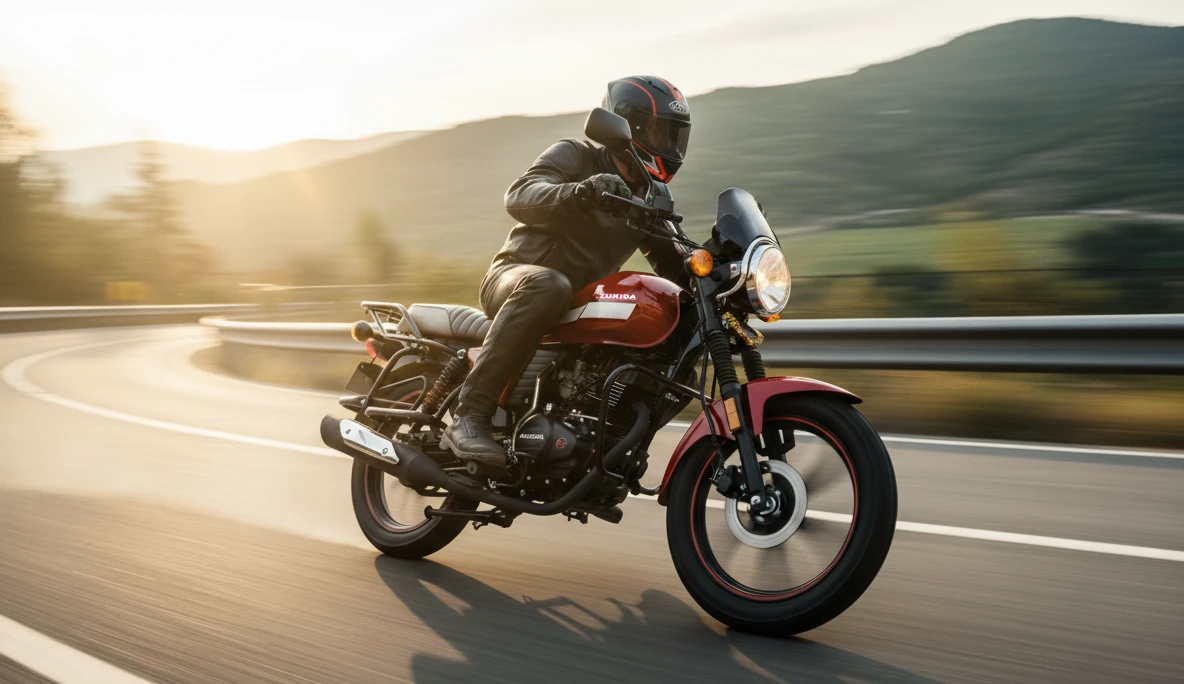
The true essence of motorcycling extends beyond simply riding; it involves a deeper connection with and understanding of your machine. While routine maintenance like oil changes and chain cleaning forms the bedrock of responsible ownership, there is another layer of practical knowledge that can transform you from a simple rider into a confident, self-reliant motorcyclist. These are the troubleshooting skills that can save you from being stranded and deepen your appreciation for the engineering at work. At ZUKIDA, we build our motorcycles to be exceptionally reliable, but we also believe in empowering our riders with the knowledge to handle common situations on the road.
This handbook will cover essential, practical skills that every rider should know, from verifying your bike’s identity to bringing it back to life when the battery fails.
1. The Motorcycle’s Identity: How to Check a VIN
The Vehicle Identification Number (VIN) is your motorcycle’s unique fingerprint. This 17-character alphanumeric code is essential for a variety of reasons, including registration, insurance, checking a vehicle’s history, and ordering the correct parts. Knowing where to find and how to check it is a fundamental skill.
- Why is the VIN Important? It allows you to verify that the motorcycle’s title matches the actual vehicle, check for a history of theft or major accidents (through online services), and ensure you are buying the correct parts for your specific model.
- Where to Find the VIN:
- The Steering Head: The most common location is on the steering head, the part of the frame where the front forks attach. You will likely need to turn the handlebars to one side to see the number stamped into the metal.
- Frame Label: There is also typically a compliance label, often a sticker, located on the frame (usually on a downtube) that also displays the VIN.
- What to Do: When inspecting a motorcycle for purchase, always ensure the VIN stamped on the frame matches the VIN on the title document perfectly. Any discrepancy is a major red flag.
2. Bringing Your Bike Back to Life: Battery Solutions
A dead battery is one of the most common issues that can leave a rider stranded. Fortunately, there are two primary methods for starting a bike with a dead battery if you don’t have a charger handy. Knowing how to perform them safely is crucial.
Method 1: How to Jump-Start a Motorcycle
This method uses jumper cables and a power source (like a car or another motorcycle) to start your bike. Safety is paramount when dealing with batteries.
- Preparation: Ensure the donor vehicle (the car) is turned off. A running car’s alternator can be too powerful and may damage your motorcycle’s delicate electrical system.
- Connect the Positive Cable: Attach one end of the positive (red) jumper cable to the positive (+) terminal of your motorcycle’s dead battery. Connect the other red end to the positive (+) terminal of the donor battery.
- Connect the Negative Cable: Attach one end of the negative (black) cable to the negative (-) terminal of the donor battery.
- Ground the Final Connection: This is a critical safety step. Attach the other end of the negative (black) cable to an unpainted metal surface on your motorcycle’s frame or engine block, away from the battery. Do NOT connect it to the negative terminal of the dead battery, as this can create a spark and potentially ignite battery gases.
- Start the Motorcycle: With the cables securely connected, start your motorcycle. Once it is running, let it idle for a few moments.
- Remove Cables Safely: Disconnect the cables in the reverse order you connected them: black from the frame, black from the donor, red from the donor, and finally red from your motorcycle battery.
Method 2: How to Bump-Start a Motorcycle
Bump-starting (or push-starting) is a classic technique that uses the momentum of the rolling bike to turn over the engine. It requires a bit of physical effort but no extra equipment.
- Find a Safe Space: You will need a clear, open area, preferably with a slight downhill slope to help you gain speed.
- Prepare the Bike: Turn the ignition on. Put the motorcycle into second gear (second gear is smoother and less jerky than first for this purpose).
- Clutch and Push: Pull the clutch lever in completely. Begin pushing the motorcycle to get it rolling at a brisk walking or jogging pace.
- Pop the Clutch: Once you have some momentum, quickly and decisively release (or “pop”) the clutch lever. You may need to sit on the bike abruptly as you do this to give the rear tire more traction. This action engages the engine, and the wheel’s momentum should force it to turn over and start.
- Ride On: As soon as the engine starts, immediately pull the clutch back in and use the throttle to keep it running. Let the bike run for at least 15-20 minutes to allow the alternator to put some charge back into the battery.
3. Knowing Your Limits: When to Call Professional Motorcycle Mechanics
While DIY skills are valuable, it is equally important to recognize when a problem is beyond your expertise. Attempting complex motorcycle repairing tasks without the proper tools and knowledge can cause more damage and compromise your safety. You should always seek professional motorcycle service for:
- Internal engine or transmission work.
- Complex electrical diagnostics and repairs.
- Suspension rebuilding and major brake system overhauls.
- Tire mounting and balancing.
- Any repair you do not feel 100% confident in completing safely and correctly.
Conclusion: The Confident and Competent Rider
Being a motorcyclist is a continuous learning process. Mastering these practical skills builds a new level of confidence, transforming you from a passive operator into an active, knowledgeable owner. This competence not only prepares you for unexpected challenges but also enhances your overall riding experience. At ZUKIDA, we are proud to provide a solid foundation of reliable engineering across our diverse range of gasoline vehicles. By complementing that reliability with your own practical knowledge, you create a partnership with your machine that is ready for any journey the road has to offer.
8 thoughts on “The Practical Rider’s Handbook: Essential Skills Beyond the Basics”
The feedback from our end-users regarding topic has been 100% positive. No warranty claims so far. Highly recommended for other importers.
Thanks for posting about topic. Looking forward to the next update.
We appreciate Zukida sharing knowledge about topic. It builds trust for long-term cooperation.
Very informative post on topic. Keep up the good work with the blog content.
Good read about topic. Do you have more detailed specs or PDFs available for download?
Sample order of topic arrived. Quality is good, just discussing the logo placement options with your team now.
Finally, a clear explanation of topic. It’s crucial for importers to understand these technical details.
Solid information. topic is often overlooked by new buyers, glad you covered it. Best regards from our team.