
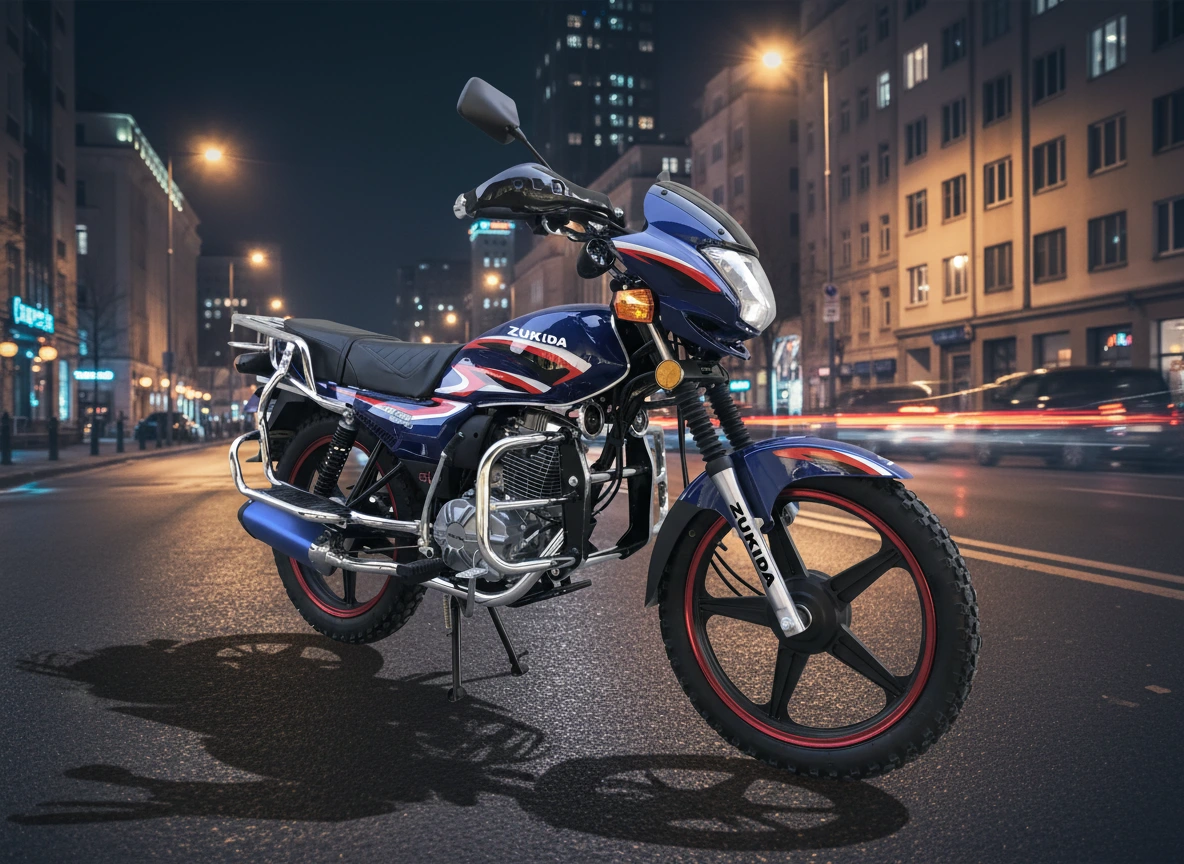
Embarking on the journey into the world of motorcycling is to step into a realm of unparalleled freedom, community, and mechanical connection. It is a pursuit that transcends mere transportation, evolving into a passion and a lifestyle for millions around the globe. Yet, for the uninitiated, this world can seem vast and intimidating, filled with unfamiliar terminology, a dizzying array of machinery, and a steep learning curve. The path from curious dreamer to confident rider requires knowledge, preparation, and a trusted guide. This comprehensive A-Z guide is designed to be that resource, a definitive roadmap covering every essential aspect of the motorcycling experience. As a professional motorcycle manufacturer with a heritage of quality and innovation dating back to 1997, we at ZUKIDA are not just builders of machines; we are enablers of journeys. We are proud to share our decades of expertise to help you navigate this exciting world with confidence and start your adventure on the right footing.
Part 1: The Rider’s Journey Begins – Choosing Your First Motorcycle
The single most important decision in a rider’s journey is the selection of their first motorcycle. The right bike will serve as a patient teacher, building confidence and fostering a lifelong passion. The wrong bike can be an intimidating and discouraging experience. This section is dedicated to helping you make an informed choice.
What Makes a Great Starter Motorcycle?
The quest for the best novice motorcycle is not about finding the fastest or most stylish machine, but the most suitable one for learning. A great starter motorcycle is defined by a combination of forgiving characteristics that make the learning process safe and enjoyable.
- Manageable Power Delivery: A beginner’s bike should have a smooth and predictable throttle response. An engine that is too powerful or “peaky” can easily overwhelm a new rider’s inputs, leading to dangerous situations. The focus should be on learning clutch control and throttle finesse without the intimidation of explosive acceleration.
- Low Seat Height and Light Weight: Confidence is paramount. A low seat height allows a new rider to plant both feet firmly on the ground when stopped, providing a sense of stability and control that cannot be overstated. A lighter motorcycle is significantly easier to handle at low speeds, in parking lots, and during the inevitable “oops” moments. How heavy is a motorcycle? A good starter bike should feel manageable, not like you’re wrestling an alligator.
- Neutral and Upright Ergonomics: An upright riding position with mid-set foot controls and a comfortable reach to the handlebars is ideal. This posture provides excellent visibility in traffic, reduces physical strain, and gives the rider a feeling of being in control, as opposed to the aggressive, committed posture of a sport motorcycle.
- Affordability and Reliability: Your first bike is a tool for learning, and it will likely endure a few bumps and scrapes. An affordable machine reduces the financial stress of a potential tip-over. More importantly, it should be reliable. At ZUKIDA, we specialize in producing high-quality, dependable motorcycles that offer exceptional value, making them an ideal platform for new riders to begin their journey.
New vs. Used: Making the Right Financial Choice
This is a significant decision with compelling arguments on both sides. Your budget and risk tolerance will be the deciding factors.
The Case for a New Motorcycle
Purchasing a new motorcycle offers the ultimate peace of mind. You are the first owner, and the bike is in pristine condition.
- Manufacturer’s Warranty: This is the biggest advantage. A new ZUKIDA motorcycle comes with a comprehensive warranty, meaning any covered mechanical issues are resolved without cost to you.
- Pristine Condition & Known History: There are no hidden surprises. You know the bike has been maintained perfectly because you’re the one doing it from day one.
- Latest Technology: New bikes come with modern features like fuel injection for reliability and, often, crucial safety features like an Anti-lock Braking System (ABS).
The Case for a Used Motorcycle
A used bike can be an incredibly smart choice, especially for a first-time rider.
- Lower Initial Cost: The most obvious benefit. Browsing a motorcycle bike trader or private seller listings will reveal that you can often get a more powerful or feature-rich bike for the same money as a new entry-level model.
- Reduced Depreciation: A new vehicle’s value drops most significantly in its first couple of years. A used bike has already taken this financial hit.
- Less Worry: The first scratch or tip-over is inevitable. On a used bike, it’s a learning experience; on a brand-new bike, it can be heartbreaking. This can make the learning process less stressful. The search for a reliable cheap motorcycle that fits your needs can be a rewarding experience in itself.
Where Can I Buy a Motorcycle?
Once you’ve decided on new or used, you need to know where to look. Both options have their pros and cons.
- Authorized Motorcycle Dealers: This is the primary destination for new motorcycles. Dealers provide financing options, handle all the necessary paperwork, and offer professional advice. They are also a great source for high-quality, inspected used bikes. A good dealer is a partner in your riding journey.
- Private Sellers: This is the most common way to buy a used motorcycle. You can often find the best prices, but the onus is on you to inspect the bike thoroughly, handle the payment securely, and manage all the title and registration paperwork yourself.
- Online Marketplaces: Websites dedicated to vehicle sales offer a vast selection but require caution. Always arrange to see the motorcycle in person before any money changes hands and be wary of deals that seem too good to be true.
Part 2: Understanding the Machine – A Deep Dive into Motorcycle Types
The world of motorcycling is beautifully diverse, with a specialized machine for nearly every purpose and personality. Understanding the different types of motorcycles is the key to matching a bike to your intended lifestyle.
Standard Motorcycles: The Versatile All-Rounder
Often called “naked bikes” due to their exposed engines and minimal bodywork, standard motorcycles are the quintessential do-it-all machines. They are defined by their comfortable, upright ergonomics and predictable performance, making them a fantastic choice for commuting, weekend trips, and especially for new riders.
ZUKIDA Spotlight: Our Street Motorcycle lineup, featuring models like the reliable Xplore, embodies the spirit of the standard bike—a perfect blend of practicality and fun.
Cruiser Motorcycles: The Spirit of the Open Road
Cruiser motorcycles are all about a relaxed, laid-back riding experience. Characterized by low seats, forward-mounted foot controls, and high, swept-back handlebars, they are designed for comfortable, long-distance travel on open highways. Their engines are typically tuned for low-end torque, providing a satisfying rumble and effortless acceleration from a stop.
ZUKIDA Spotlight: Our range of classic choppers, such as the stylish Solo and the commanding Phantom, deliver timeless cruiser style with modern engineering and reliability.
Sport Motorcycles: The Apex of Performance
Born from the racetrack, sport motorcycles are the pinnacle of two-wheeled performance. They are built with a single-minded focus on speed, agility, and precision handling. Featuring aggressive, forward-leaning ergonomics, lightweight materials, powerful high-revving engines, and advanced braking systems, these machines are for the adrenaline-focused rider. The full bodywork, known as motorcycle fairings, is designed for aerodynamics at high speed.
ZUKIDA Spotlight: Models like our Shark Racing Motorcycle demonstrate our commitment to performance, offering a thrilling experience for the aspiring track enthusiast.
Adventure (ADV) & Dual-Sport Bikes: The Path Less Traveled
For the rider who sees a gravel road not as an obstacle but as an invitation, there are adventure motorcycles. These are the Swiss Army knives of the motorcycle world, built to be equally capable on paved roads and off-road trails. They are defined by long-travel suspension, durable construction, and an upright riding position that gives a commanding view of the terrain ahead. A best dual sport motorcycle is typically lighter and more dirt-focused, while an ADV bike is larger and more suited for long-distance, multi-terrain touring.
ZUKIDA Spotlight: The rugged and capable Kilimanjaro is engineered for the explorer, providing a reliable platform to conquer any path you choose.
Scooters & Cubs: The Urban Mobility Solution
For navigating congested city streets, the practicality of a motorcycle scooter is unmatched. With their step-through design, automatic transmission, and built-in storage, they are incredibly easy to ride and highly efficient. They remove the complexities of learning a clutch and shifter, making them a perfect entry point for urban commuters.
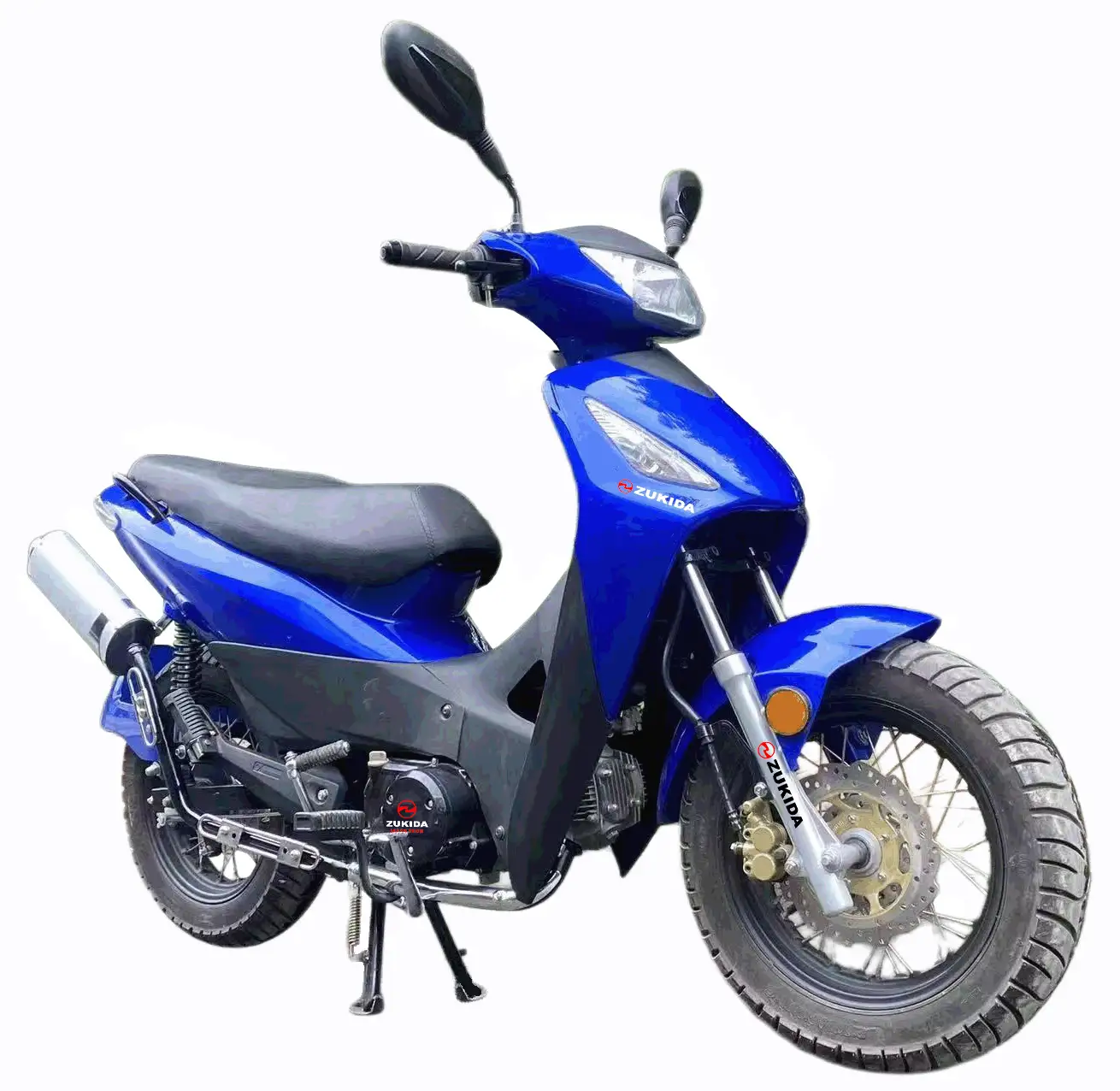
ZUKIDA Spotlight: Our extensive range of Scooters and nimble Cubs offers stylish and dependable solutions for modern city living.
The Electric Revolution: The Future of Riding
The future of motorcycling is quiet, clean, and incredibly powerful. The best electric motorcycles offer a unique riding experience defined by instant torque and seamless acceleration. With no oil changes, no exhaust, and minimal maintenance, an electric motorcycle for adults is an increasingly popular choice for the eco-conscious and tech-savvy rider. Understanding how electric motorcycles work is simple: a large battery powers an electric motor, providing instant and silent propulsion.
ZUKIDA Spotlight: ZUKIDA is at the forefront of this evolution with innovative models like the powerful Off-Road E-Bike Supermach, proving that electric power can be both practical and thrilling.
Three-Wheel Motorcycles: A New Dimension of Stability
A three-wheel motorcycle offers a unique blend of open-air freedom and enhanced stability. By eliminating the need to balance, these machines make motorcycling accessible to a wider range of riders, including those with physical limitations or those who are intimidated by the balancing act of a two-wheeler. They are exceptionally comfortable and often feature large amounts of storage, making them fantastic touring vehicles.
ZUKIDA Spotlight: Our robust line of Tricycles is built on a foundation of utility and reliability, serving as indispensable tools for both commercial and personal transport.
Part 3: The Heart of the Bike – Decoding Engine Size (CC)
One of the most prominent specifications you will encounter is a number followed by “cc.” This simple figure is a critical indicator of a motorcycle’s power and character. Understanding it is essential to choosing the right bike.
What Does Motorcycle CC Mean?
The term “cc” stands for cubic centimeters. It is a measurement of the engine’s displacement, which is the total volume of its cylinders. In simple terms, what is the cc of a motorcycle refers to the size of its engine. A higher cc number almost always corresponds to a more powerful engine that produces more horsepower and torque, resulting in faster acceleration and a higher top speed.
A Guide to Displacement Classes
50cc – 250cc: The Entry Point
This is the lightweight class, perfect for learning and urban mobility.
- A 50cc motorcycle or scooter is ideal for short, low-speed city trips.
- A 125cc motorcycle or 150cc motorcycle is a fantastic starting point for learning to ride a manual bike, offering enough power to keep up with city traffic without being intimidating.
- A 200cc motorcycle or a 250cc motorcycle provides a significant step up, offering more versatility and the ability to handle short highway journeys. How fast does a 250cc motorcycle go? Typically, they can reach speeds of 80-95 mph (129-153 km/h), making them very capable machines. The 250cc motorcycle dirt bike is a legendary category for off-road fun.
300cc – 600cc: The All-Rounder’s Sweet Spot
This is the versatile middleweight class, offering a fantastic blend of power and handling.
- A 300cc motorcycle or 500cc motorcycle is often considered the perfect “do-it-all” bike, comfortable for commuting, fun on winding roads, and capable on the highway.
- The 600cc motorcycle class is diverse. It includes user-friendly twin-cylinder bikes and high-performance four-cylinder supersports (which are not for beginners). The legendary 636 motorcycle displacement is an icon in the sport bike world.
700cc – 1000cc+: The Realm of High Performance
This is heavyweight territory, demanding a high level of skill and experience.
- A 1000cc motorcycle represents the pinnacle of performance in the sport bike world, with power-to-weight ratios comparable to supercars. This class also includes large cruisers and touring bikes where the massive engine is tuned for effortless torque and cross-country hauling power.
Part 4: The Responsible Rider – Essential Maintenance and Care
Owning a motorcycle is a commitment to its upkeep. Regular, diligent maintenance is the key to safety, reliability, and performance. This is where the partnership between rider and machine is truly forged.
How Many Miles Can a Motorcycle Last? The Myth and the Reality
This is a common question with a variable answer. A modern, well-built motorcycle from a quality manufacturer like ZUKIDA, when properly cared for, can comfortably last for over 100,000 miles. The key phrase is “properly cared for.” The lifespan of a motorcycle is determined not by a fixed number, but by its maintenance history and how it was ridden. Diligent care is the secret to a long and healthy service life.
Your Routine Maintenance Checklist
- Engine Oil: The Lifeblood of Your Machine: Engine oil lubricates, cleans, and cools the engine. How often to change motorcycle oil? A general rule is every 3,000-5,000 miles, or at least once a year. Always follow the manufacturer’s specific recommendation.
- Chain, Brakes, and Tires: Learn how to clean your motorcycle chain and lubricate it regularly. Visually inspect your brake pads for wear and check your tire pressure before every ride. How long do motorcycle tyres last? They wear much faster than car tires, often needing replacement every 5,000-15,000 miles depending on the type and riding style.
- Battery Care and Charging: How long do motorcycle batteries last? Typically 3-5 years. During long periods of storage, a battery tender is essential for maintaining its health. Knowing how to charge a motorcycle battery with a charger is a vital skill. A fully charged battery should read around 12.6 volts; this is how many volts a motorcycle battery is typically.
How to Properly Wash Your Motorcycle
Regular washing is more than cosmetic; it’s a maintenance task. It prevents corrosive materials from damaging your bike’s finish and provides an opportunity to inspect for loose bolts or other issues. Learn how to clean your motorcycle using dedicated motorcycle-specific soaps that won’t strip wax or damage sensitive components. Always ensure the bike is cool before washing and use a gentle stream of water, not a high-pressure jet.
Long-Term Storage: How to Winterize Your Motorcycle
If you’re storing your bike for several months, you need to winterize your motorcycle. This involves filling the fuel tank and adding a stabilizer, changing the oil, connecting the battery to a tender, inflating the tires to their maximum pressure, and covering the bike with a breathable cover. This prevents fuel system gum-up, internal engine corrosion, and battery death.
Knowing Your Limits: When to Call a Motorcycle Mechanic
While DIY maintenance is rewarding, it’s crucial to know when a job is beyond your skill set. Complex tasks involving internal engine work, suspension rebuilding, or advanced electrical diagnostics should be left to professional motorcycle mechanics. A trusted partner for motorcycle repairing and motorcycle service is an invaluable asset.
Part 5: Mastering the Skills – From Novice to Confident Rider
The journey of a motorcyclist is one of continuous learning. Mastering the fundamental skills is the key to a safe and enjoyable riding life.
Is it Hard to Ride a Motorcycle?
The initial learning curve can be challenging, as it requires coordinating the clutch, throttle, shifter, and brakes. However, with proper training from a certified course and practice on a suitable beginner bike, millions of people learn to ride safely and confidently. It is a skill that, once learned, becomes second nature.
The Mechanical Dance: How to Shift Gears
Learning how to shift gears on a motorcycle is a core skill. The process involves a coordinated sequence: roll off the throttle, pull in the clutch lever, use your foot to shift the gear lever (typically one down for first, then up for the rest), and smoothly release the clutch while gently rolling the throttle back on. Smoothness is the goal and comes with practice.
Essential Safety Gear: Your Most Important Investment
Your gear is your only protection. The philosophy of “All The Gear, All The Time” is a life-saving principle.
- Motorcycle Helmets: The single most important piece of gear. How to size a motorcycle helmet is critical: measure your head, consult the brand’s chart, and ensure a snug fit without pressure points.
- Jackets, Gloves, Pants, and Boots: These items are designed with abrasion-resistant materials and impact armor to protect you in a fall. Standard clothing offers virtually no protection.
Part 6: The Broader World of Motorcycling
The motorcycling experience is rich with culture, technology, and a unique language. Understanding these elements deepens your appreciation for the lifestyle.
Understanding Key Terminology
- What is ABS in a motorcycle? ABS stands for Anti-lock Braking System. It is a safety feature that prevents the wheels from locking up during hard braking, allowing the rider to maintain steering control.
- What are motorcycle fairings? Fairings are the plastic or fiberglass shells that cover the frame and engine, primarily on sport and touring bikes. They improve aerodynamics and protect the rider from wind and weather.
The Pursuit of Speed: What is the Fastest Motorcycle in the World?
This is a question that fascinates many. While many production motorcycles are electronically limited to 186 mph (299 km/h), specialized, track-only machines like the supercharged Kawasaki Ninja H2R have reached speeds well over 200 mph, showcasing the pinnacle of motorcycle engineering.
ZUKIDA’s Role in the Global Motorcycle Industry
As a global leader in motorcycle manufacturing, ZUKIDA’s impact extends far beyond our own branded products. Our mission, “To design and manufacture premium motorcycles that deliver exceptional performance, reliability, and riding experience,” drives everything we do. We offer flexible OEM (Original Equipment Manufacturer) and ODM (Original Design Manufacturer) services, serving as the manufacturing backbone for numerous international brands. Our state-of-the-art facilities, experienced R&D team, and rigorous quality assurance systems allow our partners to bring unique, high-quality products to their markets with confidence. This commitment to building strong global business partnerships is central to our vision of becoming the most respected motorcycle brand globally, known for innovation, quality, and customer satisfaction.
Conclusion: Your Journey on Two (or Three) Wheels Begins
What is motorcycling? It is far more than the sum of its parts. It is a form of transport, but it is also a sport, a community, a therapy, and a declaration of independence. It is a commitment to a life of heightened awareness and unfiltered experience. This guide has provided you with a comprehensive map, but the journey itself is yours to live. By starting with the right knowledge, choosing the right machine, and committing to a culture of safety and responsibility, you are paving the way for a lifetime of incredible adventures. At ZUKIDA, we are honored to be a part of that journey, offering a diverse range of reliable and accessible motorcycles that serve as the perfect key to unlock this amazing world. Your adventure awaits.
10 thoughts on “The Ultimate A-Z Guide to the World of Motorcycling”
Finally, a clear explanation of topic. It’s crucial for importers to understand these technical details. Looking forward to the next update.
We’ve been discussing topic in our dealership recently. This post clarifies a lot of questions.
Very informative post on topic. Keep up the good work with the blog content. Ride safe.
The points you raised about topic are valid. The motorcycle industry needs more transparency like this.
This analysis of topic aligns perfectly with what we are seeing in the Southeast Asian market. Ride safe.
Interesting take on topic. We usually suggest our customers pay attention to maintenance intervals as well.
Thanks for the update on topic. Will this be applied to the new models next quarter? Best regards from our team.
Excellent write-up. topic is indeed a major factor when clients choose a supplier. Cheers.
We appreciate Zukida sharing knowledge about topic. It builds trust for long-term cooperation.
Great insight regarding topic. I’ll be sharing this guide with my sales team for training purposes.