
125cc vs 150cc vs 250cc Motorcycles: How Importers Choose the Right Mix
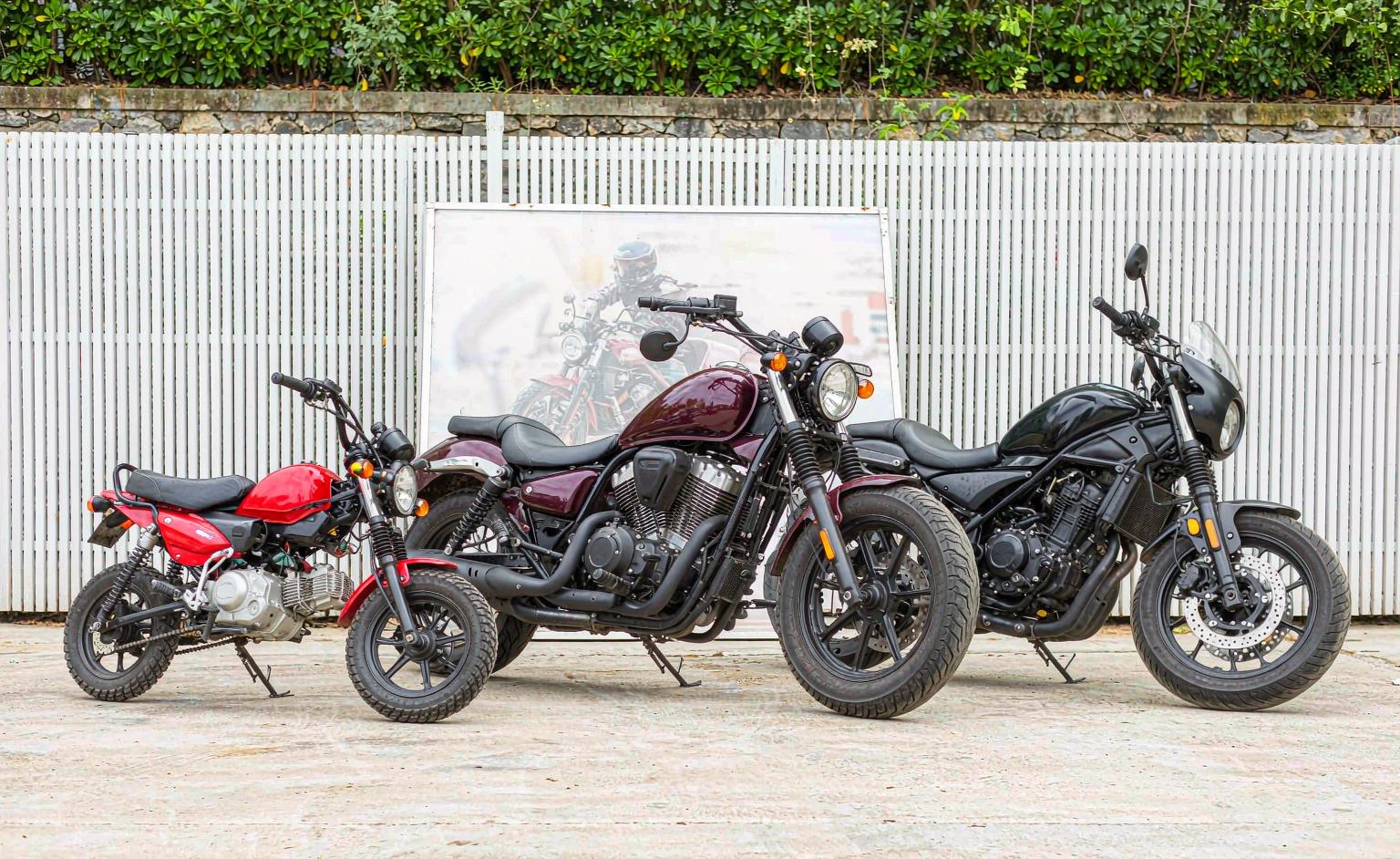
Displacement is the first number on every quotation and the first commercial decision an importer makes. It is also the decision most often made on assumption rather than on market evidence. The 125, 150 and 250 cc classes serve genuinely different customers, and a range built on the wrong mix produces fast-selling models alongside stock that never moves. This guide compares the three classes by market and shows how to think about the mix.
Key Takeaways
- Each displacement class serves a different customer and use case; they are not interchangeable.
- Licence categories and local regulation constrain which class you can sell, independently of demand.
- 125 cc is the commuter and entry class; 150 cc the versatile middle; 250 cc the performance and load class.
- A balanced range concentrates volume on one class and uses the others to cover adjacent demand.
- Confirm the market’s licence rules before committing to a mix.
What Each Class Is Actually For
The three classes differ in intended use, and the use case predicts which sells in which market.
| Class | Primary use | Typical buyer |
|---|---|---|
| 125 cc | Urban commuting, delivery, entry-level | Cost-sensitive riders, often licence-restricted |
| 150 cc | Versatile commuting and light rural use | Riders wanting more performance without a big step up |
| 250 cc | Highway, rural, pillion and cargo work | Riders needing speed, load capacity or highway capability |
The engineering differences behind these use cases — torque character, gearing and weight — are explained in our motorcycle specifications guide.
Market and Regulatory Fit
Demand is only half the constraint; licensing and regulation decide which class can be sold at all.
| Consideration | What to check | Why it decides the mix |
|---|---|---|
| Licence categories | Which displacement a rider may legally operate | Can eliminate a class regardless of demand |
| Urban density | Whether the market is city commuting or rural | City markets skew small; rural markets skew larger |
| Road and terrain | Highway availability and road quality | Determines whether 250 cc capability is usable |
| Emissions and homologation | Which classes are certifiable for the market | Constrains the importable range |
| Price sensitivity | Entry price the market supports | Sets which class carries volume |
The licence row is the one to check first. Several markets restrict riders to a displacement ceiling, which makes the 125 cc class the only viable volume segment regardless of what riders say they want. The homologation requirements are covered in our Chinese motorcycle export overview.
Building the Mix
A workable range concentrates volume on one class and uses the others to cover adjacent demand.
| Role in the range | Class | Commercial logic |
|---|---|---|
| Volume anchor | The class the market’s licence and price point allow | Carries the majority of units and the inventory turns |
| Step-up | The next class up | Captures riders who outgrow the anchor class |
| Entry | The class below | Price-led volume where the market allows |
| Specialty | Off-road, cafe racer or cargo variants | Margin and differentiation rather than volume |
Concentrating volume matters more than covering every class, because SKU count drives minimums and inventory risk. A range with three well-supported classes outperforms one with six thinly stocked classes. The commercial terms that determine how much you can concentrate are covered in our dealer program guide.
Confirming Before Ordering
Three checks before the order: the market’s licence rules and which classes they permit, the emissions and homologation status of each class for that market, and the price points the market supports. These three determine the mix far more reliably than a general sense of demand.
For importers who want a specification of their own rather than a catalogue model, the OEM route and what it involves are described in our OEM manufacturing guide. And where the market evidence is thin, a smaller first order across two classes tells you more than a large order across five.
Frequently Asked Questions
Which displacement sells best?
It depends on the market’s licence rules and price point. Where riders are restricted to a displacement ceiling, the smaller class carries volume regardless of stated preference.
What is the difference between 125cc and 150cc?
Power and therefore capability. The 150 cc class offers more performance for commuting and light rural use while remaining close to the 125 cc class in running cost.
When does 250cc make sense?
For highway use, pillion and cargo work, and rural markets with longer distances. It is the class where speed and load capacity become usable.
Does licensing affect which class I can sell?
Yes, and it is the first thing to check. Several markets restrict riders to a displacement ceiling, which can eliminate a class from your range regardless of demand.
How many displacement classes should I stock?
Fewer than you think. SKU count drives minimums and inventory risk, so concentrating volume on one or two classes usually outperforms a wide, thinly stocked range.
What should I confirm before ordering a mix?
The market’s licence rules, the homologation status of each class for that market, and the price points the market supports.
Can I specify my own displacement configuration?
Yes, through the OEM route. What that involves, and how it differs from buying catalogue models, is covered in our OEM manufacturing guide.
Technical background: engine displacement, motorcycles and licensing categories explain the technical and regulatory framework referenced above.