
Motorcycle End-of-Life Recycling and Compliance
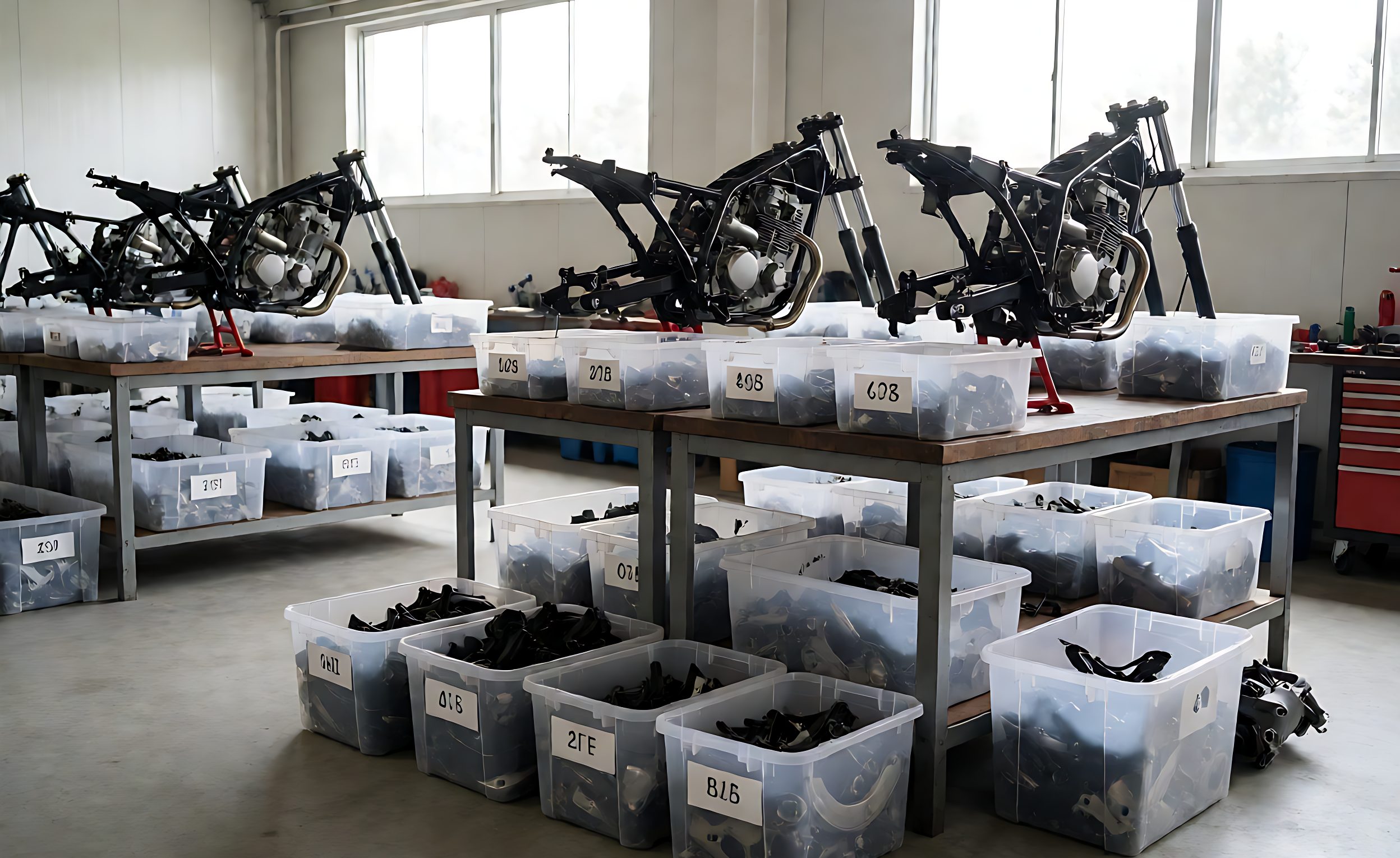
End-of-life obligations for vehicles have been tightening for years in Europe and are spreading to other markets, and motorcycles are not exempt. The direction of travel is consistent: producers and importers carry increasing responsibility for what happens to a vehicle at the end of its life, with batteries and fluids as the highest-risk streams. Dealers who wait for the rules to arrive in their market usually discover that the infrastructure to comply is not in place.
For an importer, the question is not whether to prepare but how much. A modest process – documented collection routes for batteries, fluids and tyres, plus records that survive an audit – satisfies most current regimes and positions the network for the stricter ones.
What the Rules Typically Cover
End-of-life regimes generally target the recovery of materials and the safe handling of hazardous components. For motorcycles the practical streams are the battery, used fluids, tyres, and metal recovery from the frame. The obligation usually sits with whoever places the vehicle on the market, which in a distribution structure means the importer, with dealers acting as collection points.
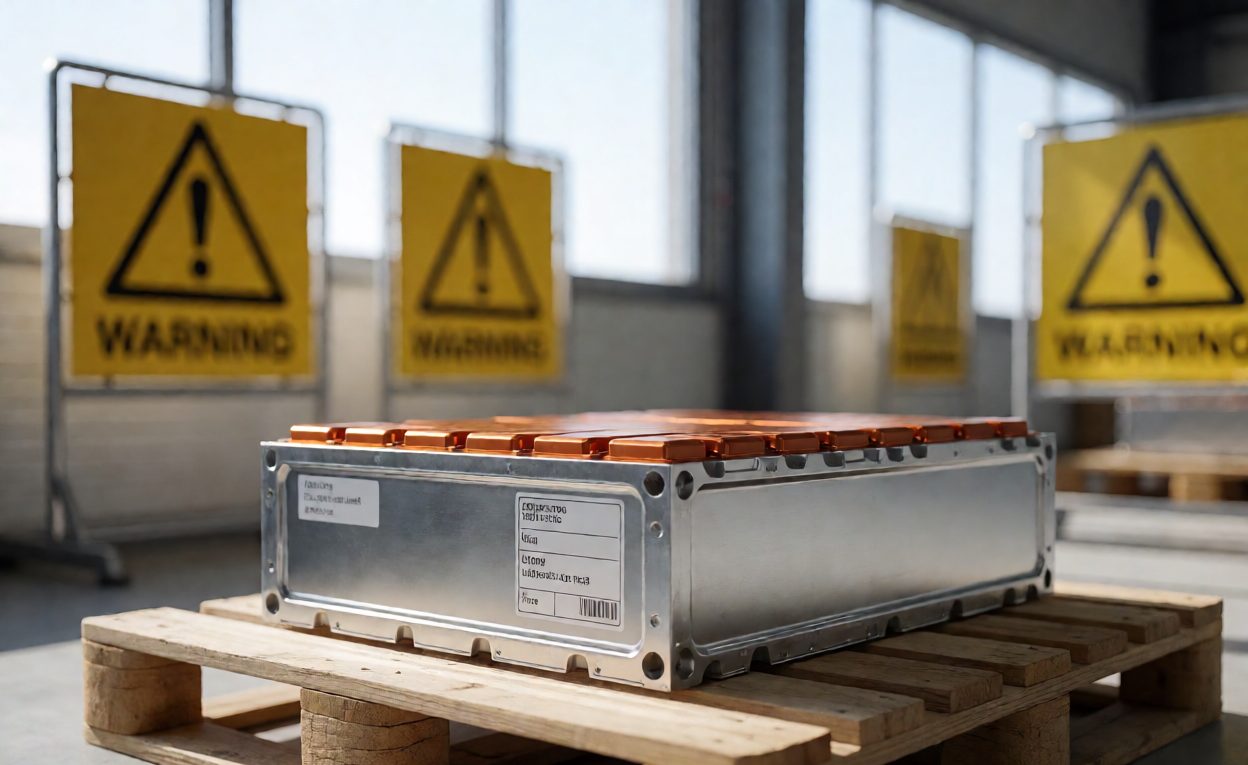
- Batteries – lithium chemistries carry the highest risk and the tightest handling rules; lead-acid is well established and recyclable.
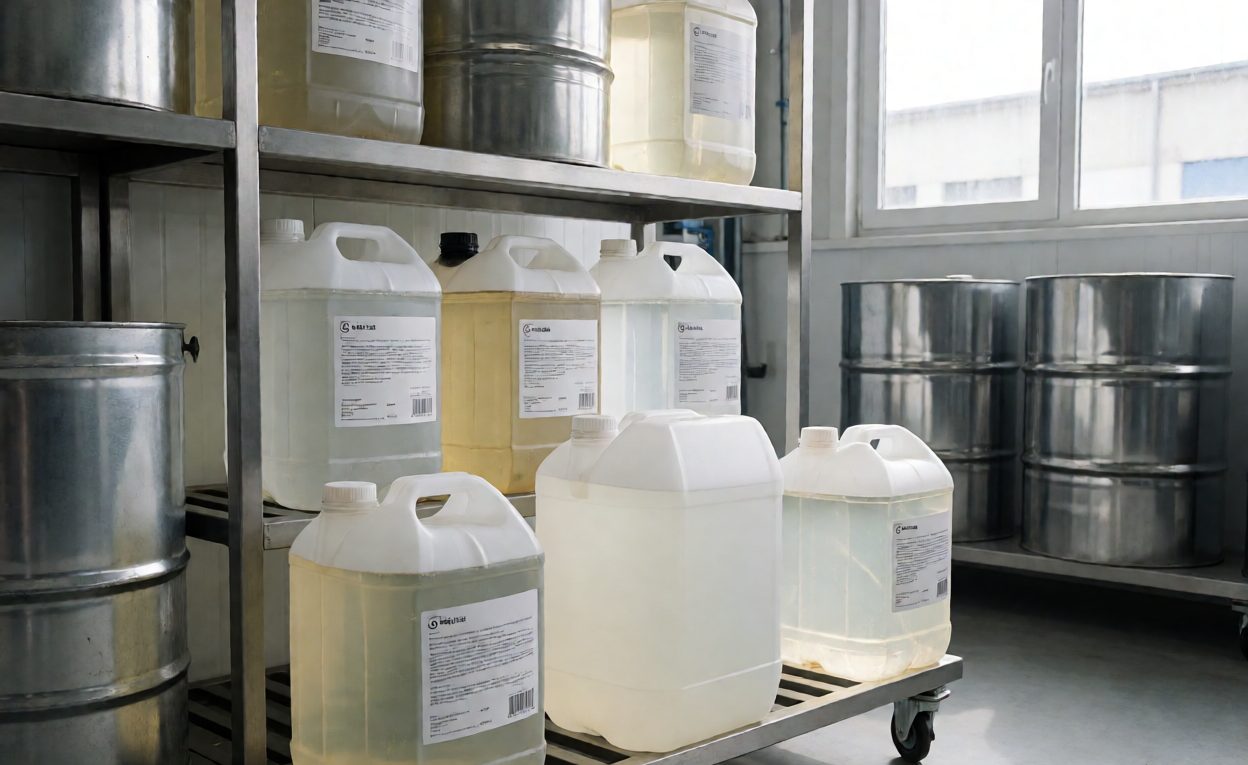
- Fluids – engine oil, coolant and brake fluid need a documented collection route rather than disposal in general waste.
- Tyres and metals – established recycling routes exist in most markets; the obligation is to use them and keep the record.
Building a Take-Back Process
The minimum viable process has three parts: a collection point at each dealer, a documented route for each stream to a licensed processor, and records that tie each collection to a processor receipt. That last part is what an audit asks for, and it is the part most networks lack. The waste hierarchy framing is useful here: prevention and reuse first, then recycling, then recovery, then disposal – and the documentation should show which route each stream took.
Start with the batteries. They are the stream most likely to attract regulatory attention first, the one with the worst consequences if mishandled, and the one where a dealer-level collection point is easiest to justify commercially.
Working With Licensed Processors
The choice of processor matters more than the paperwork. A licensed processor for batteries will issue receipts that satisfy an audit and will handle transport compliance; an unlicensed one will issue receipts that do not. For fluids, ask for the processor’s licence and the destination of the recovered material, because both are auditable and both vary between providers.
Volume matters in negotiation. A network collecting batteries across dozens of dealers has leverage with a regional processor that a single dealer does not, which is another reason the importer should coordinate rather than delegate entirely.
Preparing for Stricter Rules
Regimes tend to tighten by extending scope and raising recovery targets. The preparation that pays off is record-keeping discipline: a per-dealer, per-stream record of what was collected, where it went and when. Networks that start that discipline early find later compliance incremental; those that start late find it a project.
One further preparation point concerns the fleet customer channel. Institutional buyers increasingly ask for end-of-life commitments in tenders, and a dealer network that can describe its take-back process wins bids that a network without one loses. The commitment does not need to be elaborate; it needs to be documented and true. Recycling commitments that are written down and evidenced are also easier to defend if a regime arrives earlier than expected.
Finally, treat end-of-life as a parts-availability question as well as an environmental one. The period during which a dealer must supply parts for a model is regulated in several markets, and that period effectively defines the tail of the model’s support obligation. Planning parts production runs to cover the required support period, and documenting the plan, protects the dealer network from supplying a model whose parts cannot be sourced. Extended producer responsibility is the framework most of these obligations sit inside, and its direction is consistently towards more obligation rather than less.
One practical detail worth stating: collection point signage. A dealer who displays what is collected, where it goes and how it is recorded signals a compliant operation to customers and to inspectors, and the same signage answers most of the questions a customer asks about the process.
A related point: keep the collection records at dealer level rather than consolidating only at importer level. An audit that asks a single dealer for a year of records should find them complete at that dealer, and consolidation afterwards is far easier than reconstruction.
Related reading for buyers working through the same question: 125cc street motorcycle wholesale a technical guide to selecting a trusted supplier for global distribution, 125cc vs 150cc vs 250cc motorcycles how importers choose the right mix and 2024 motorcycle chain care guide pro techniques for peak performance cover the surrounding decisions this specification depends on.
Frequently Asked Questions
Do end-of-life rules apply to motorcycles?
In markets with vehicle end-of-life regimes, yes, though scope and thresholds vary. Check the local regime rather than assuming an exemption.
Who holds the obligation – importer or dealer?
Usually whoever places the vehicle on the market, which is typically the importer, with dealers acting as collection points under agreement.
What is the highest-risk stream?
Lithium batteries. They carry the tightest handling and transport rules and the worst consequences if mishandled, so they should be the first stream organised.
Do I need a licensed processor?
Yes, for batteries and fluids at minimum. The processor’s licence and destination records are what an audit examines, not the dealer’s intention.
How should dealers store collected batteries?
In a dedicated, ventilated, fire-separated area with terminals protected, and never mixed with general waste. Storage rules vary by chemistry, so confirm locally.
Is there a commercial case for take-back?
Yes. Batteries and metals have recovery value, and a documented take-back process is increasingly a condition of supplying institutional and fleet customers.
What records should be kept?
Per dealer and per stream: what was collected, the processor, the date and the receipt. Those four fields satisfy most audit questions.