
250 cc Motor Bike: What the Class Covers in 2026

A 250 cc motor bike search mixes three very different machines: off-road dirt bikes, street commuters, and maxi-scooters. They share displacement and little else. This guide maps the 250 cc motor bike class so you order the right platform for your market or your garage.

The Off-Road 250 cc Motor Bike
Dirt-focused 250s run knobby tires, long-travel suspension, and 21/18-inch wheels. They are the lightest of the class and the only choice for trail or motocross use.
Build quality varies more here than in street models. Our 250cc dirt bike guide walks the hardware differences platform by platform.
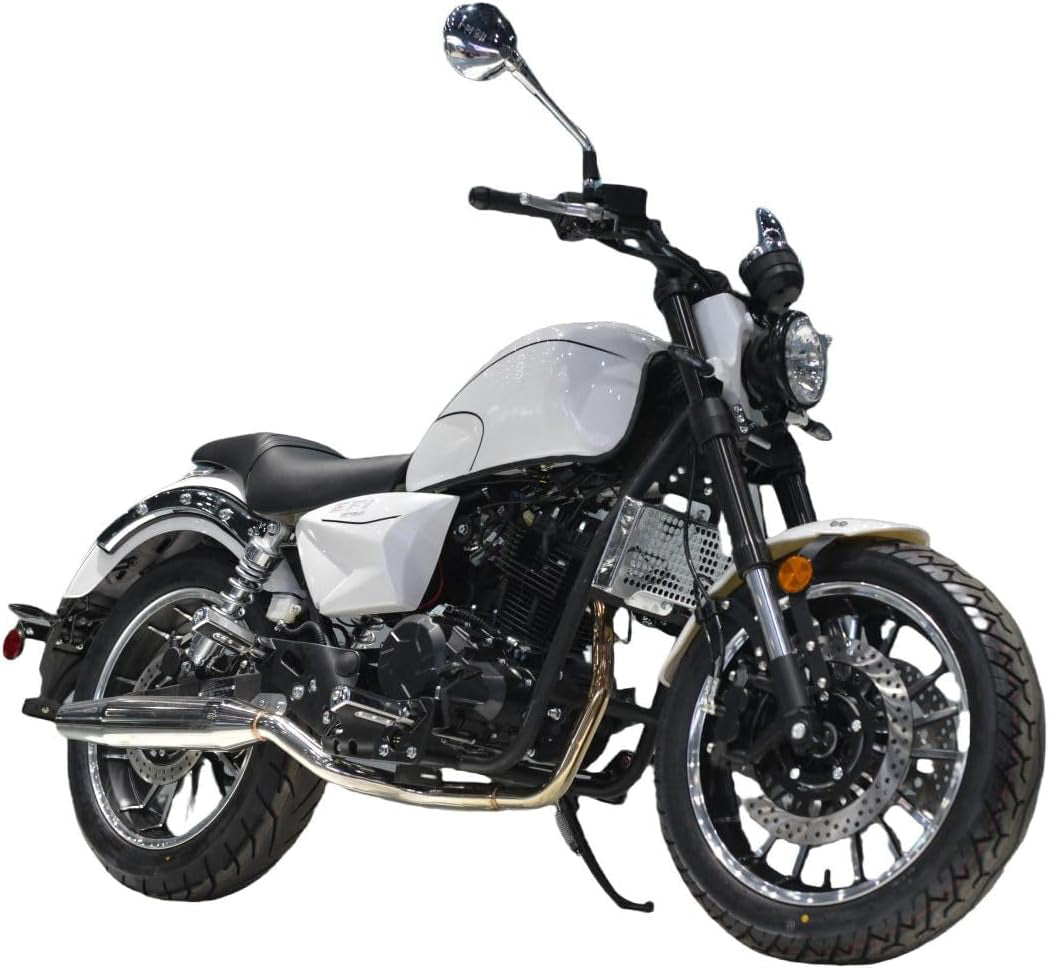
The Street this class
Street 250s prioritize comfort: cast wheels, road-focused rubber, and a seat built for an hour at a time. They cruise at 70 mph and return outstanding fuel economy.
For delivery fleets and city commuters this is the sweet spot of the class. Our modern commuter roundup compares the leading platforms.
The 250 cc Scooter Segment
Maxi-scooters add automatic CVT transmission and under-seat storage. They dominate urban delivery work because anyone can ride one after five minutes of practice.
Maintenance is simpler too: no clutch adjustments and belt changes every 8,000 km. Fleets reward that predictability. Our fleet purchase guide runs the numbers.
Choosing by Rider and Use
Match the 250 cc motor bike type to the job: trails take the dirt platform, commuting takes the street bike, deliveries take the scooter. Mixed-use buyers should pick the street bike and accept mild compromises off pavement.
Rider size matters within each type. Taller riders fit the dirt bikes; shorter riders often prefer scooter floorboards. Our sizing guide covers fit in detail.
Import Notes for the 250 Class
Chinese factories build all three types at scale, and 250cc-plus exports grew 25.87 percent last year. Certification is the fork in the road: Euro 5 for Europe, EPA for the US.
Order type-specific paperwork early. Our China manufacturing guide explains who builds what and where.
Frequently Asked Questions
Is a the machine good for beginners?
Yes; the class has gentle power with enough reserve to keep up with traffic, which is why many riding schools use 250s for training.
What is the fuel economy of a a 250 platform?
Street and scooter variants typically return 90-110 mpg; dirt models with aggressive tuning run 60-80 mpg depending on throttle discipline.
Can a the bike carry a passenger?
Street and scooter 250s handle passengers within their load rating; dirt bikes are single-rider machines by design and geometry.
The this displacement class splits into dirt, street, and scooter platforms, each excellent at its job. Define the use, then buy the type that matches it. Our top-10 model roundup shortlists proven platforms in every type.
Related Guides
- 200cc Dirtbike for Sale: Reading the Middle Class Right
- 150cc Motorcycles: The 2026 Buyer’s Guide to the Smart Middle Class
- Chinese Motorcycle Manufacturers: A 2026 Sourcing Guide for Importers
250cc Motorcycle — What the Number Means
The 250cc class is the bridge from learner to “real” motorcycle. The table places it against its neighbours.
| Class | Power feel | Typical use |
|---|---|---|
| 150cc | Mild | Commute, learner |
| 200cc | Moderate | Trail + commute |
| 250cc | Brisk | Dual-sport, light touring |
| 400cc+ | Strong | Touring, highway |
Frequently Asked Questions
Is 250cc enough for highways?
On many roads, yes — a 250 holds 90–100 km/h comfortably. Sustained high-speed motorway is where 400cc+ becomes safer and calmer.
License class?
In much of the world 250cc sits at the upper learner or standard tier, which is why it is a popular first “real” bike. Confirm local rules.
Compare: 250cc compared and 250cc buying checklist. Context: motorcycle.