
250cc Dirtbikes Compared: The Choices That Matter in 2026

Shopping 250cc dirtbikes in 2026 means sorting engines, suspension tiers, and wildly different price bands. Two bikes that look alike on a showroom floor can differ by 300 dollars of real hardware. This comparison walks the choices that actually change how 250cc dirtbikes ride.

Engine Layouts Across 250cc Dirtbikes
Air-cooled four-stroke engines power most entry 250cc dirtbikes: simple, torquey, and cheap to service anywhere. Liquid-cooled heads add cost but hold power through long climbs.
Ask which family a bike belongs to before comparing prices. A liquid-cooled these machines platform at a slightly higher quote is usually the better buy. Our engine-size guide puts 250 in context.
Suspension Tiers Explained
Entry suspension uses plain telescopic forks with spring preload only. Mid-tier adds rebound adjustment, and performance forks add compression damping that keeps the front wheel calm on rocky descents.
Ride the same trail on both tiers once and the difference is obvious. Most riders who jump or ride fast recover the extra cost in confidence alone.
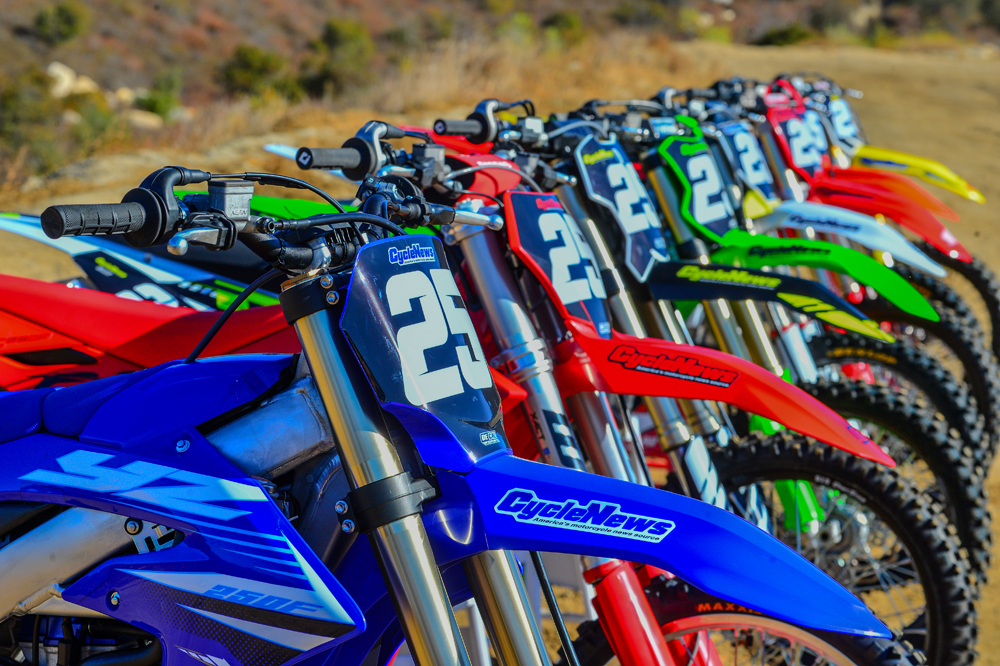
Wheels, Brakes, and Bits
Full-size the bikes roll 21-inch front and 18-inch rear wheels that glide over roots. Budget builds sometimes ship 19-inch rear wheels that pinch flat sooner.
Front disc size is a tell: 270mm stops hard, 240mm fades on long descents. Our anatomy guide shows every part worth checking at handover.
Price Bands in 2026
FOB prices for the 250 class cluster in three bands: under 1,200 dollars for air-cooled commuters with off-road styling, 1,200-1,800 for genuine trail hardware, and above 2,000 for liquid-cooled race replicas.
Quotes far below a band usually hide a smaller real engine or steel-only frames. Our cheap-250 guide explains how to verify what is actually in the crate.
Which this segment Fit Which Rider
Weekend trail families do best in the mid band with electric start and soft stock gearing. Racers should shortlist liquid-cooled platforms with adjustable suspension from the start.
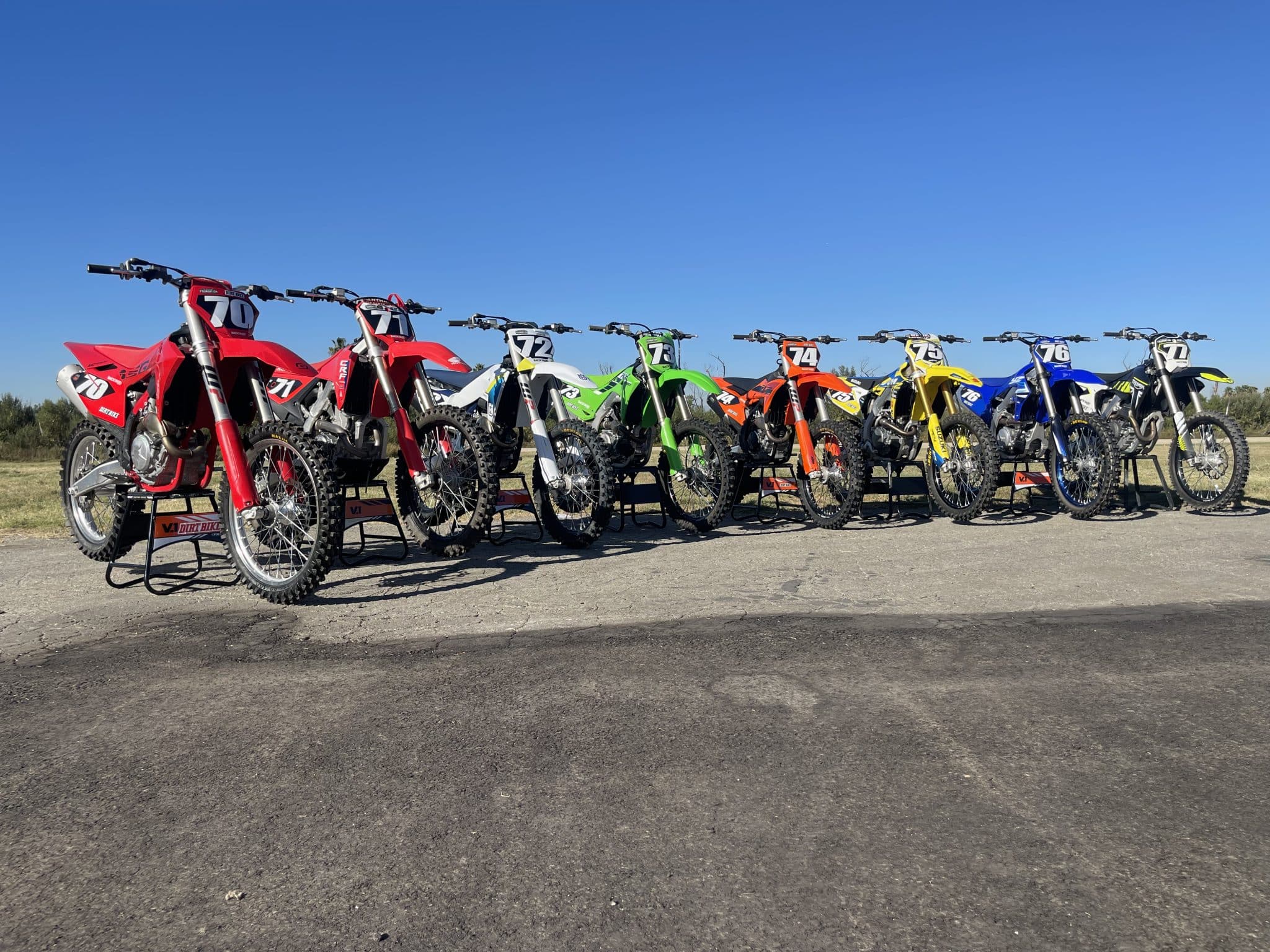
Importers stocking mixed customers often carry one model per band. The Defender 250 anchors the mid band for many export programs.
Frequently Asked Questions
Are these models too heavy for teenagers?
Full-size 250s weigh 115-125 kg and suit riders over about 70 kg; lighter teens should start with a 150cc and move up within a season.
Is electric start worth the extra cost on the platform?
Yes for trail and family use; a stalled bike restarts with a thumb button instead of a hillside kick, which beginners especially appreciate.
What is the main advantage of liquid cooling?
Consistent power on long climbs and in hot weather, plus tighter engine tolerances that extend service life under hard use.
Comparing these machines comes down to cooling, suspension tier, and honest price bands. Match the hardware to your terrain, verify what is in the crate, and buy from builders who publish real specs. The complete dirt bike buyer’s guide covers every size class in depth.
Related Guides
- Dirtbikes 250cc: Buying Tips From a Thousand Deals
- Dirt Bikes 150 cc Compared: The Hardware That Matters
- Dirt Bikes for Adults 250cc: Sizing, Specs, and Street-Legal Options
250cc Dirt Bikes Compared
The 250cc class has the most choice — and the most confusion. The table sets the axes.
| Axis | Two-stroke | Four-stroke |
|---|---|---|
| Weight | Lighter | Heavier |
| Power | Snappy | Broad, usable |
| Service | Frequent | Less frequent |
| Rider | Experienced | Beginner–mid |
Frequently Asked Questions
Which 250 for a returning rider?
Four-stroke trail 250 — forgiving, broad power, lower maintenance. Save the two-stroke for when you want to work for it.
Compare by seat height or power?
Fit first, power second. A 250 you cannot control is slower than a 150 you can.
Checklist: 250cc checklist and buying tips. Reference: dirt bike.