

Chinese motorcycle manufacturers now build roughly one in every three motorcycles on the planet. In 2025 the industry produced 22.11 million units and exported 13.37 million of them — a 21.33% jump in volume and a 26.78% jump in value, according to figures released by the China Motorcycle Chamber of Commerce. For importers, that combination of sheer scale and rising unit value changes the sourcing maths. China is no longer only the cheap option; it is increasingly the only supply base with the capacity, tooling depth and displacement range to fill a container programme end to end.
This guide explains how the supply base is structured, what the 2025 export data actually tells you, and how to audit a factory before you wire a deposit. It also covers the red flags that separate a real manufacturer from a trading company with a good website.
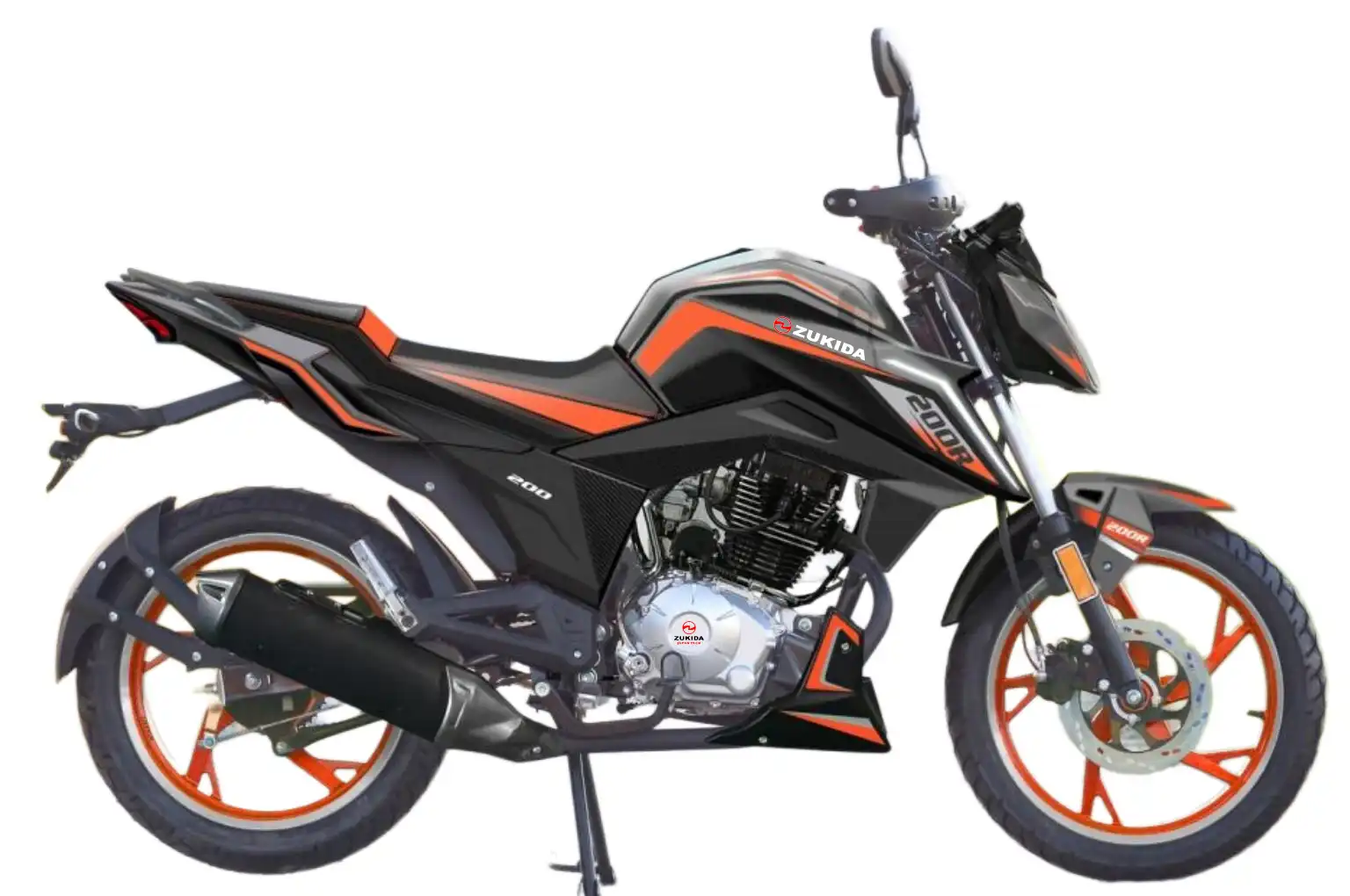
Why Chinese Motorcycle Manufacturers Dominate Global Supply
Scale is the obvious answer, but it is not the whole answer. Three structural advantages keep Chinese motorcycle manufacturers ahead of competing sourcing regions:
- Cluster density. Chongqing alone produced 7.86 million units in 2025, about 23.5% of national output, and exported 6.11 million — more than a third of all Chinese motorcycle exports. Jiangmen in Guangdong added another 5.43 million units. In these clusters, a frame supplier, an engine plant and a wiring-harness shop can be within a 30-minute drive, which compresses prototyping from months to weeks.
- Displacement breadth. The same factory that ships a 110cc underbone to West Africa can ship a 250cc sport model to Latin America. Export volumes concentrate in the 125cc (4.39 million units), 150cc (3.72 million), 110cc (1.67 million) and 200cc (1.34 million) series, which together account for over 93% of two-wheeler exports.
- Rising engineering input. Leading firms now spend more than 6% of revenue on R&D, and the sector holds over 2,000 active granted patents. Average export unit price has climbed from roughly USD 200 in the early 2000s to about USD 662 in 2025.
2026 Market Data: What the Numbers Actually Say
Before you shortlist suppliers, understand where the volume is moving. The table below condenses the 2025 full-year export picture.
| Segment / Region | 2025 Result | Year-on-year | What it means for importers |
|---|---|---|---|
| Total production | 22.11 million units | +10.69% | Capacity is ample; lead times are negotiable. |
| Complete-vehicle exports | 13.37 million units | +21.33% | Export now absorbs 61% of all output. |
| Export value | USD 8.85 billion | +26.78% | Value is growing faster than volume — prices are rising. |
| Latin America | 6.69 million units | +10.78% | Largest destination; mature, competitive, margin-thin. |
| Africa | 5.96 million units | +59.09% | Fastest-growing market; after-sales is the differentiator. |
| Europe | USD 1.68 billion | +38.72% | Highest growth by value; homologation is the barrier. |
| 250cc and above | 953,700 units | +25.87% | Leisure segment is outgrowing the industry average. |
Two trends matter most. First, Africa grew nearly 59% in volume while Latin America grew about 11% — if you sell into Africa, securing capacity early is now a real constraint. Second, Europe grew fastest by value, which tells you Chinese suppliers are moving upmarket, not just shipping more units. Industry analysts tracking the sector note the same shift, with Chinese brands gaining share in mid-to-large displacement segments globally. Independent market analysis of Chinese motorcycle exports puts global 2025 sales at roughly 65.2 million units, implying China produces about a third of the world total.
How to Audit Chinese Motorcycle Manufacturers: A 7-Step Protocol
A factory tour and a nice showroom prove nothing. Use this protocol instead — it is the same sequence we apply when qualifying a new supply partner.
Step 1 — Verify the business licence and export record
Ask for the business licence (营业执照) and check that the registered scope includes manufacturing, not just trading. Then request customs export records for the last 24 months. A genuine factory ships consistently; a trading company shows erratic volumes and a blurry ownership picture.
Step 2 — Audit the production line, not the showroom
Insist on walking the assembly line, the engine test cell and the QC bay. Count stations, check whether torque tools are calibrated, and ask to see the rejection log. A plant that cannot produce a rejection log is not controlling quality.
Step 3 — Confirm homologation for your specific market
Certification is where most first-time importers lose money. Euro 5, EPA, and the CE machinery directives all demand different documentation, and an E-mark held by another buyer does not cover you. We covered the technical detail in our guide to electric motorcycle CE certification and R136 safety directives.
Step 4 — Tear down a pre-production sample
Order one sample and strip it. Check weld penetration on the frame, bearing grades, wiring loom routing and fastener quality. Photograph everything. This single step catches more problems than any document review.
Step 5 — Negotiate MOQ, tooling and IP ownership
Clarify three things in writing: the minimum order quantity per colourway, who owns the tooling you pay for, and who owns the moulds for any custom fairing. The commercial trade-offs are analysed in depth in our OEM vs ODM motorcycle ROI analysis.
Step 6 — Lock spare parts and after-sales before the first container
Agree a spare-parts kit as a percentage of order value, and fix a warranty claim procedure with response times. In Africa especially, parts availability — not price — decides whether you get a second order.
Step 7 — Structure payment and inspection terms
Standard practice is 30% deposit, 70% against bill of lading, with a third-party pre-shipment inspection. Never pay 100% up front. Our breakdown of the China motorcycle export process and shipping protocols covers the documentation sequence.
OEM vs ODM: Which Model Fits Your Market?
If you already own a brand and a dealer network, ODM gets you to market fastest — you re-skin an existing homologated platform and skip two years of validation. If you are building long-term equity, OEM with shared tooling investment gives you control of geometry, gearing and cosmetics. Most serious importers start ODM, then migrate their top-selling two or three models to OEM once volume justifies tooling.
Electric Is Now a Default Question, Not a Niche One
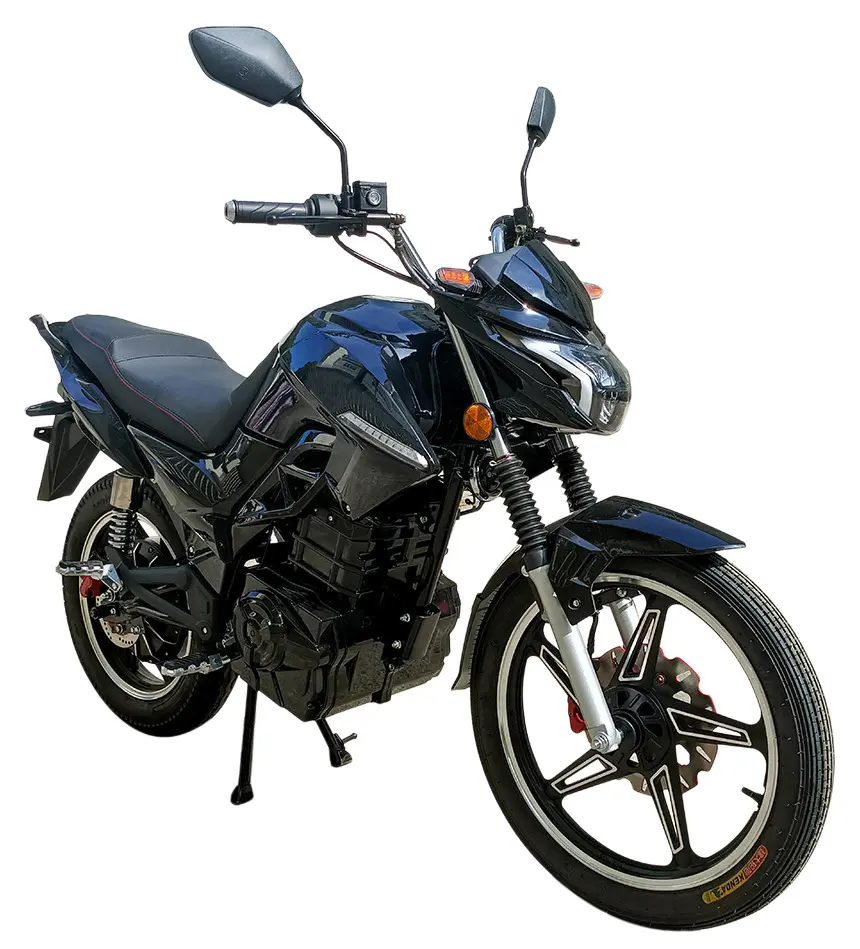
Electric motorcycles reached 361,200 units of production in 2025, up 6.03%, and the segment is recovering after a flat 2024. For importers, the decision is rarely “electric or petrol” — it is which mix suits your grid reliability, import duty structure and service capability. Economies with cheap electricity and short daily trips are shifting fastest.
Red Flags When Shortlisting Chinese Motorcycle Manufacturers
Watch for these during evaluation. Any single one deserves a hard conversation; two together should end the discussion.
- No export licence of their own. They are brokering your order to someone else, and you will never control quality.
- Refusal to allow an unannounced line visit. Real factories are proud of their lines.
- Certificates that cannot be verified. Ask for the certificate number and check it with the issuing body.
- Prices far below the cluster average. In 2025 the average export unit price was about USD 662. A quote of USD 200 means corner-cutting somewhere — usually in bearings, brakes or frame gauge.
- Vague answers on spare parts. If they cannot quote a parts kit, they will not support you after the sale.
- Pressure for 100% payment up front. Legitimate exporters accept deposit-plus-balance terms.
There are also macro-level constraints worth pricing in. Around 170 Chinese cities still impose some form of motorcycle restriction, which keeps domestic demand suppressed and pushes factories to prioritise export customers — good for your use. However, the sector still depends on imported high-end EFI systems, automotive-grade MCUs and precision inertial sensors, so supply-chain shocks can affect lead times. Industry reporting also notes ongoing concern about low-price dumping by pure-trading operators damaging the reputation of Chinese manufacturing overall. The China Motorcycle Chamber of Commerce’s 2025 industry review discusses both issues openly.
Where Zukida Fits
Zukida is a Chinese motorcycle manufacturer supplying importers and distributors across Africa, Latin America, the Middle East and Southeast Asia. Our range covers 110cc underbone commuters, 150–250cc sports and street platforms, scooters, off-road models and an expanding electric line — with OEM and ODM programmes, CE and E-mark documentation support, and container-load consolidation so you can mix displacements in a single shipment.
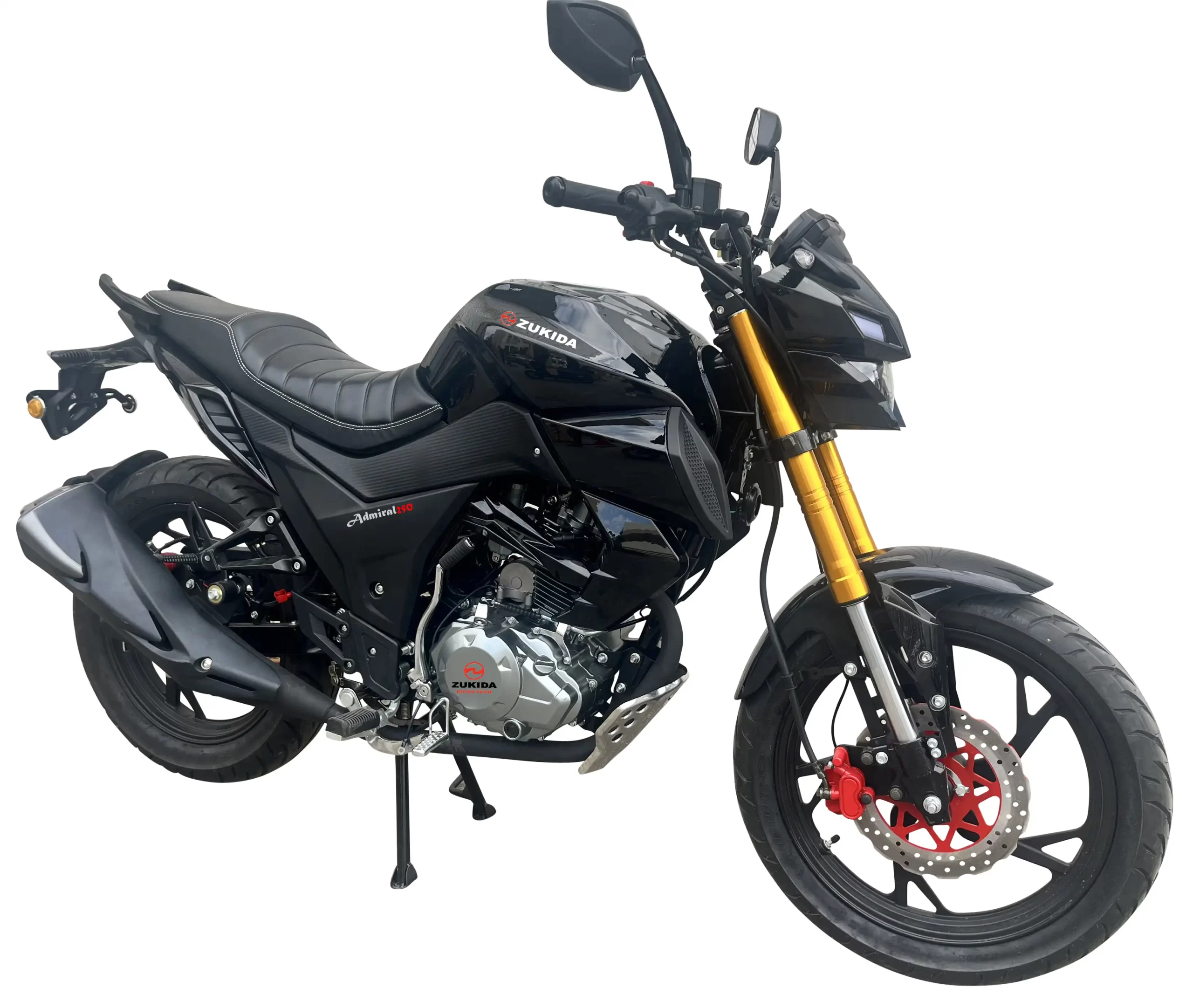
Representative platforms include the VIGOR 150/200cc sports motorcycle, the ADMIRAL 200/250cc, the FLAMINGO electric model and the Adventure 150/180cc scooter. If you are comparing suppliers, our 2026 technical audit protocol for finding a reliable supplier in China pairs directly with the seven steps above.
Frequently Asked Questions
How do I verify Chinese motorcycle manufacturers are real factories?
Check the business licence for a manufacturing scope, request 24 months of customs export records, and insist on a line visit including the engine test cell and QC bay. Cross-check the registered address against the factory you are shown.
What is a realistic MOQ when working with Chinese motorcycle manufacturers?
For an existing ODM platform, typically one 40HQ container per model, often mixable across colourways. Fully custom OEM work with new tooling usually starts higher because tooling amortisation has to be recovered.
Which certifications should I ask for?
It depends on destination: E-mark and Euro 5 for Europe, EPA and DOT for the United States, and CCC or local type approval plus a certificate of conformity for many African and Latin American markets. Always verify the certificate number with the issuing body.
Are Chinese motorcycle manufacturers reliable for spare parts supply?
The serious ones are, but you must contract for it. Agree a spare-parts kit as a percentage of order value and fix warranty response times in writing before the first container ships.
Is it better to source electric or petrol models in 2026?
Most importers run a mix. Petrol still dominates in rural and long-distance use; electric wins where daily trips are short and electricity is cheap. Review your duty structure and service capability before committing.
Next Steps
Choosing among Chinese motorcycle manufacturers comes down to three things you can verify: a real production line, homologation for your specific market, and a contracted commitment to spare parts. Get those right and the price conversation takes care of itself.
Send us your target displacement, monthly volume and destination market, and we will return a specification sheet, a landed-cost estimate and a sample timeline. Compare our engineering and export stability against other leading suppliers before you decide.