

Café racer history starts with working-class riders in 1960s London racing between cafés, and ends on factory showroom floors worldwide. Understanding café racer history explains why the style still sells: it is the rare look that came from riders, not marketing departments.

Where Café Racer History Began
Post-war Britain gave young riders light bikes, no money, and the new rock-and-roll records playing at transport cafés. A record’s single length became the race distance — hence café racer.
The Ace Café on London’s North Circular became the movement’s headquarters. Cafe racer history credits the Ton-Up Boys with the first hundred-mile-per-hour runs on tuned twins.
The Look That Defined an Era
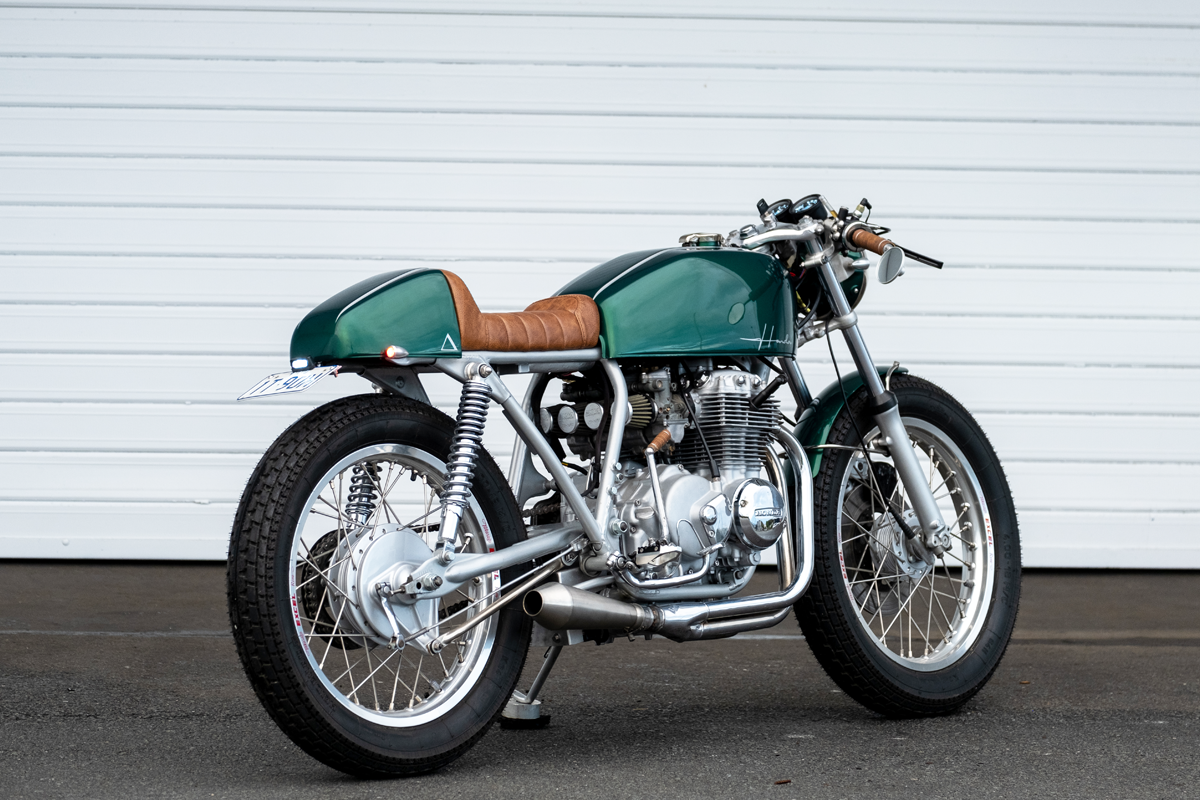
Low bars, a solo seat with hump, swept exhausts, and minimal bodywork: the retro bike history wrote the recipe riders still follow. The parts existed to go faster, and the look followed function.
Leather jackets and jeans were protection before they were fashion. Our style guide translates each element for modern roads.
Why the Style Survived
The classic history survived because the formula is cheap: a simple bike, five bolt-on parts, and owner labor. Every generation rediscovers it when budgets are tight.
The 2008 recession restarted the modern wave, and factories noticed. By 2026 every major brand sells a factory the café-style machine — the rebellion fully merchandised, and still beloved.
From London to China’s Factories
The latest chapter of this style history is being written in Chongqing and Guangdong, where factories build retro platforms for the world at working-class prices again. Our market guide profiles the shift.
That return to affordability completes the circle: the custom build history began with cheap bikes made special by owners, not expensive bikes made precious by brands.
Riding the History Today
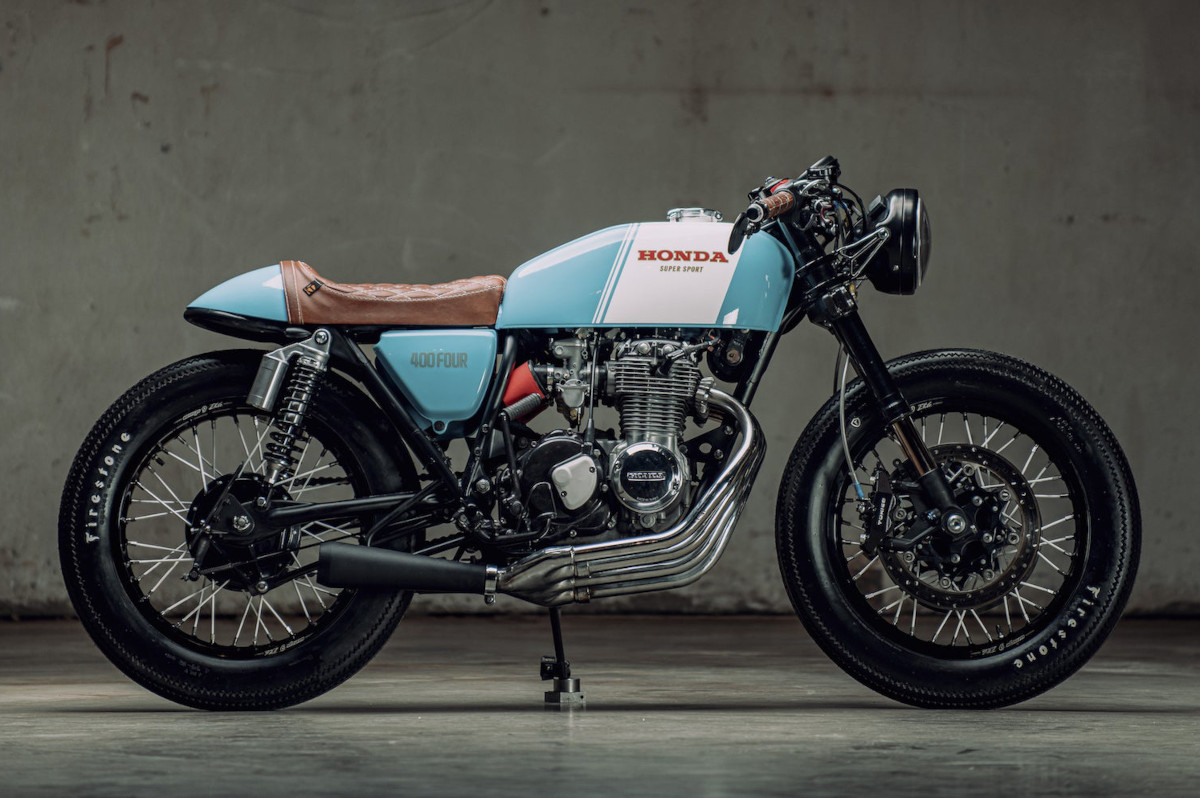
Modern cafe racers keep the stance and add reliability: fuel injection, disc brakes, and five-speed boxes. You get 1965’s silhouette with 2026’s manners.
The etiquette survives too — short runs, good company, and the café as destination. Our custom scene guide finds the gatherings.
Frequently Asked Questions
What does the term cafe racer actually mean?
It began as a joke about riders who raced between cafés faster than they raced on tracks; the bikes built for those sprints became the style’s definition.
What was the original cafe racer bike?
British parallel twins, especially the Triumph Bonneville and Triton hybrids, defined the original template of clip-ons, humped seats, and swept pipes.
Is a modern cafe racer still authentic?
If it keeps the light weight, low bars, and solo-hump seat, yes; authenticity in this style history has always been about stance and intent, not engine age.
The custom build history is a loop: cheap bikes, owner creativity, then factory adoption, then another affordable wave. We are in the affordable wave now, and the style is more accessible than at any point since London. Our dream-build guide starts yours.
Related Guides
- Café Racer Build on a Budget: The 2026 Blueprint
- The Ultimate A-Z Guide to the World of Motorcycling
- A Guide to the World of Three-Wheel Motorcycles: Stability, Comfort, and a Unique Riding Experience
A Short Cafe Racer Timeline
The cafe racer is a revival style with a clear lineage. The table marks the phases that still shape what buyers want today.
| Era | What happened | Legacy today |
|---|---|---|
| 1960s UK | Mods/Rockers stripped road bikes | Low bars, solo seat, clip-ons |
| 1970s | Japanese UJMs become donors | Reliable, cheap bases |
| 1990s revival | Bolt-on kits appear | Accessible conversions |
| 2010s–now | OEM cafe models | Factory-styled production |
Frequently Asked Questions
Why did the style come back?
It is the cheapest way to own something that looks bespoke. A few bolt-on parts turn a commuter into a personal statement, which is why the look sells across markets.
Authentic vs modern OEM?
Authentic builds keep the period donor; modern OEM cafe models deliver the look with warranty and emissions compliance. Pick by whether your buyer values story or convenience.
Build practicalities: budget build guide and style guide. History: café racer.