
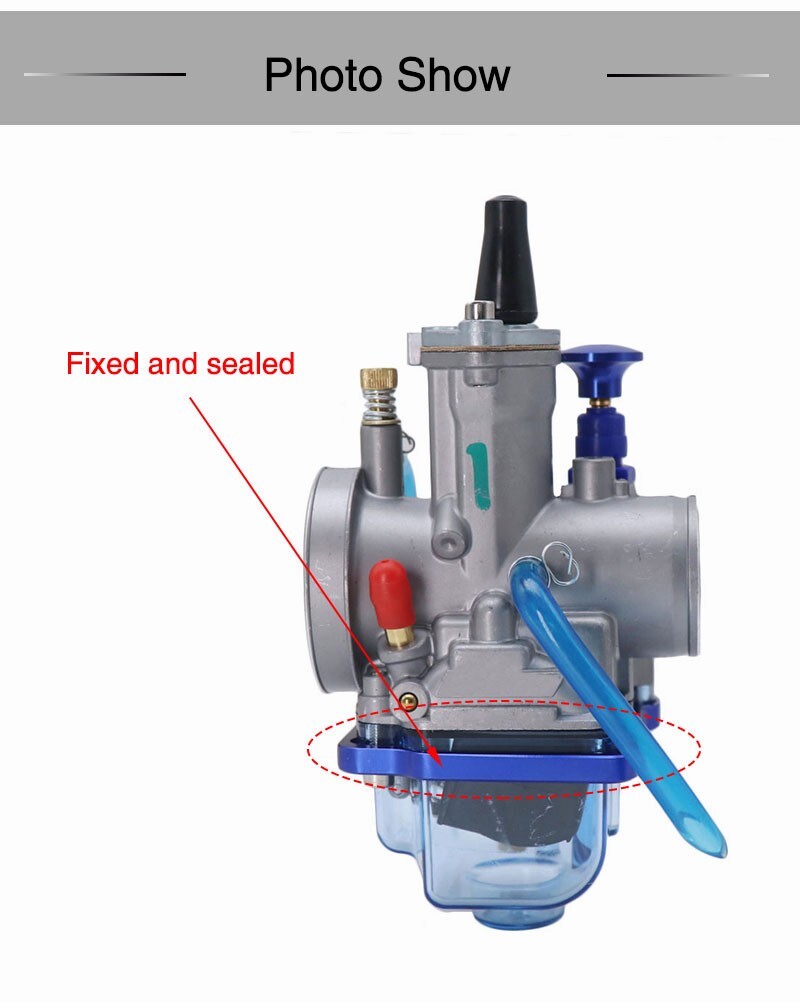
Fuel injection meters fuel electronically and carburetors do it with airflow and jets. For most riders in 2026 the decision is already made by emissions rules, but where both exist, the differences show up in cold starts, altitude, and who can fix it. This guide compares carburetor vs fuel injection on the six things riders actually notice.
The Short Version
| Factor | Carburetor | Fuel injection |
|---|---|---|
| Cold start | Choke, sometimes fussy | One button, no choke |
| Altitude | Needs re-jetting | Compensates automatically |
| Fuel use | Good when tuned | Consistently better |
| Field repair | Possible roadside | Needs a scan tool |
| Cost | Lower | Higher |
If you ride at sea level, service your own bike, and want the cheapest machine, a carburetor still makes sense. Everything else points to injection.
Cold Starts and Daily Manners
Injection reads air and engine temperature and sets the mixture each start. A carburetor needs a choke and a rider who knows how long to leave it on, and a cold engine that is jetted slightly lean will stall at the first junction.
For fleet and delivery use, this alone justifies injection: fewer restarts, less rider training, less fuel wasted on a rich warm-up. Our commuter roundup compares both types in city duty.
Altitude and Temperature
Air gets thinner as you climb, so a fixed jetting runs rich and loses power. A carbureted bike needs a jet change for a mountain trip; an injected one adjusts within seconds.
If your market spans coastal cities and highland regions, injection removes a whole category of complaints. Our 200cc buying guide notes which platforms ship with EFI.
Servicing and Repair Reality
A carburetor can be cleaned with a screwdriver, a can of cleaner, and patience, anywhere on earth. An injection fault usually needs a diagnostic tool and a trained technician.
That is the honest trade: injection is better every day and harder on the rare bad day. Buy spare parts accordingly. Our maintenance schedule guide lists the service items for both.
Emissions Rules May Decide for You
Euro 5 and equivalent standards are far easier to meet with injection, and several markets effectively require it for new registrations. Electric and injected models dominate the growth segments for this reason.
Check your local registration rules before choosing on price alone. Our compliance guide explains the certification path. Export data shows where the mix is heading.
Frequently Asked Questions
Is fuel injection worth the extra cost on a motorcycle?
Usually yes for daily riding: easier cold starts, automatic altitude compensation, and better fuel consistency, though carburetors remain cheaper and easier to repair in remote areas.
Can I convert a carbureted motorcycle to fuel injection?
Technically possible but rarely economical; the cost of the throttle body, ECU, wiring, and sensors usually exceeds the price difference of buying an injected model.
Do injected motorcycles need less maintenance?
They need less routine adjustment — no jetting or choke tuning — but faults require diagnostic equipment, so routine maintenance is simpler while repairs are more specialised.
Why do some markets still sell carbureted bikes?
Lower purchase price, easier field repair, and less stringent local emissions rules keep carburetors viable in price-sensitive markets without Euro 5-type requirements.
Pick injection unless you have a specific reason not to: remote servicing, tightest budget, or a market where carbureted models still register cleanly. Tell us your market altitude range and service capability, and we will recommend which of our platforms fits — with the reasoning, not just a part number.
Further Reading
For deeper background, see motorcycle overview on Wikipedia and China Economic Net for industry data.