

Motorcycle batteries face unique challenges during freezing temperatures, where cold weather can significantly impact performance and longevity. This comprehensive guide provides professional-grade strategies for maintaining battery health during winter months, covering everything from preventive measures to advanced monitoring techniques.
Understanding Battery Chemistry Under Cold Conditions
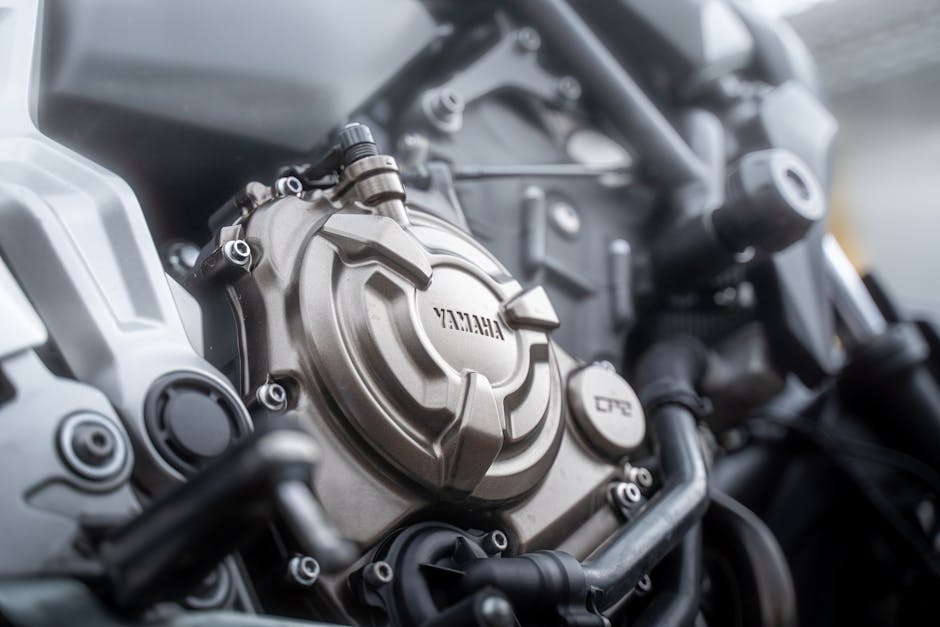
Motorcycle batteries operate on lead-acid chemistry, where the electrolyte solution becomes more viscous in freezing temperatures. This increased resistance reduces the battery’s ability to deliver starting current. The chemical reaction rate slows down dramatically below 32°F (0°C), leading to sulfation on battery plates and permanent capacity loss if left unattended.
Professional technicians emphasize that cold weather affects battery performance by approximately 30-50%, depending on the specific temperature and battery age. This reduction occurs because the lead plates cannot generate the same chemical energy when chilled, making proper winter preparation crucial for reliable operation. For more detailed information on motorcycle maintenance, refer to our Motorcycle Maintenance 101: A Comprehensive Guide to Keep Your Bike in Peak Condition.
Preventive Battery Maintenance Strategies
Winter battery preparation begins with thorough inspection before cold weather arrives. Check battery terminals for corrosion buildup, which can increase electrical resistance and impede current flow. Professional mechanics recommend using a multimeter to verify battery voltage, ideally maintaining readings above 12.6 volts for optimal cold-weather performance.
Proper battery installation requires secure mounting to prevent vibration damage during cold starts. Cold temperatures cause metal components to contract, potentially loosening battery hold-downs. Use appropriate battery trays and ensure all connections are tight and corrosion-free for maximum reliability.
Professional motorcycle maintenance schedules suggest periodic battery charging during winter storage. Even when not in use, batteries naturally discharge over time, with cold temperatures accelerating this process. Installing a quality battery tender or trickle charger maintains optimal voltage levels and prevents sulfation damage that occurs during extended periods of low charge. Learn more about motorcycle storage solutions in our How to Store Your Motorcycle and Maximize Its Lifespan guide.
Advanced Cold-Weather Monitoring Techniques
Professional-grade battery monitoring systems provide real-time data on voltage, temperature, and charge levels during cold weather conditions. These systems can alert riders to potential problems before they become critical, allowing for proactive maintenance rather than reactive repairs.
Temperature compensation is essential for accurate battery monitoring in freezing conditions. Most advanced battery monitors automatically adjust readings based on ambient temperature, providing more reliable performance data. This technology helps prevent false alarms and ensures proper charging cycles are maintained throughout the winter months.
Professional mechanics recommend establishing baseline performance metrics before winter arrives. Recording normal voltage readings, cranking amperage, and charging patterns creates a reference point for detecting gradual performance degradation. This systematic approach enables early identification of potential battery issues that could worsen during extreme cold. For comprehensive guidance on motorcycle maintenance, see our The Essential Motorcycle Maintenance Checklist for Every Rider.
Storage Solutions for Winter Motorcycle Batteries
Proper winter storage is critical for battery longevity during freezing temperatures. Remove the battery from the motorcycle when storing for extended periods, as this eliminates parasitic drain from electrical systems and prevents damage from moisture and temperature fluctuations.
Professional storage recommendations include using battery boxes with temperature control features or storing batteries in heated areas when possible. Cold storage temperatures below 32°F (0°C) significantly increase sulfation risk, making temperature management essential for battery health preservation.
When storing batteries during winter, maintain them at approximately 80% charge using appropriate chargers. Professional battery storage systems can automatically adjust charging rates based on storage duration and temperature conditions, ensuring optimal battery condition throughout the winter months.
Emergency Cold-Weather Battery Solutions
Professional motorcycle owners should maintain emergency battery boost kits for cold-weather situations. These kits typically include portable jump starters, battery warmers, and quick-connect cables designed for cold-weather use. Cold temperatures increase cable resistance, making proper connections essential for effective battery boosting.
Emergency battery solutions require pre-planning and regular maintenance. Professional mechanics recommend testing emergency equipment monthly and replacing dead batteries before winter storage. This proactive approach eliminates the stress of equipment failure during critical cold-weather operations.
Professional cold-weather riding techniques include warming up the battery before attempting starts. Cold batteries require more cranking amperage than warm ones, and attempting multiple cold starts can drain the battery quickly. Professional riders develop techniques for warming battery packs before extended cold-weather riding periods. For guidance on choosing the right motorcycle for your needs, check out our Your First Ride: How to Choose the Best Motorcycle for a Beginner.
Professional Battery Testing and Diagnostics
Professional motorcycle maintenance facilities use sophisticated battery testing equipment to assess cold-weather performance capabilities. These tests include cold cranking amp (CCA) measurements, load testing, and specific gravity analysis to determine battery health under winter conditions.
Advanced diagnostic equipment can predict battery failure before it occurs, allowing for timely replacement rather than emergency repairs during critical winter operations. Professional technicians recommend annual battery testing before winter storage, ensuring reliable operation throughout the cold-weather months.
Professional battery replacement decisions consider not only current performance but also expected winter usage patterns. High-mileage riders or those in extremely cold climates may need to replace batteries earlier than standard maintenance schedules suggest, prioritizing safety over equipment longevity.
Cost-Effective Battery Care Strategies
Professional cost analysis reveals that preventive battery care during winter months typically costs less than emergency repairs or replacements. Regular maintenance and proper storage create significant long-term savings by extending battery life and preventing unexpected failures that could result in expensive towing or emergency services.
Professional motorcycle maintenance budgets should include winter battery preparation as a regular expense. This proactive approach prevents costly emergency situations and ensures reliable operation during critical cold-weather periods when vehicle failures are most problematic.
Cost-effective battery care strategies also consider the total cost of ownership, including battery replacement frequency, maintenance requirements, and winter-related emergency costs. Professional mechanics develop long-term battery care plans that balance initial costs with long-term reliability benefits.
Conclusion: Winter Battery Success
Professional winter battery care requires systematic attention to cold-weather challenges, combining preventive maintenance with advanced monitoring techniques. Success depends on understanding battery chemistry under freezing conditions, implementing proper storage solutions, and maintaining emergency preparedness. By following professional-grade battery care strategies, motorcycle owners can ensure reliable operation throughout harsh winter months while extending battery lifespan and reducing long-term costs.
Regular battery maintenance during winter months represents a critical investment in motorcycle reliability and safety. Professional attention to cold-weather battery care prevents the stress and expense of emergency repairs while ensuring dependable operation when it matters most.
Related reading: Professional Motorcycle Engine Cleaning.