
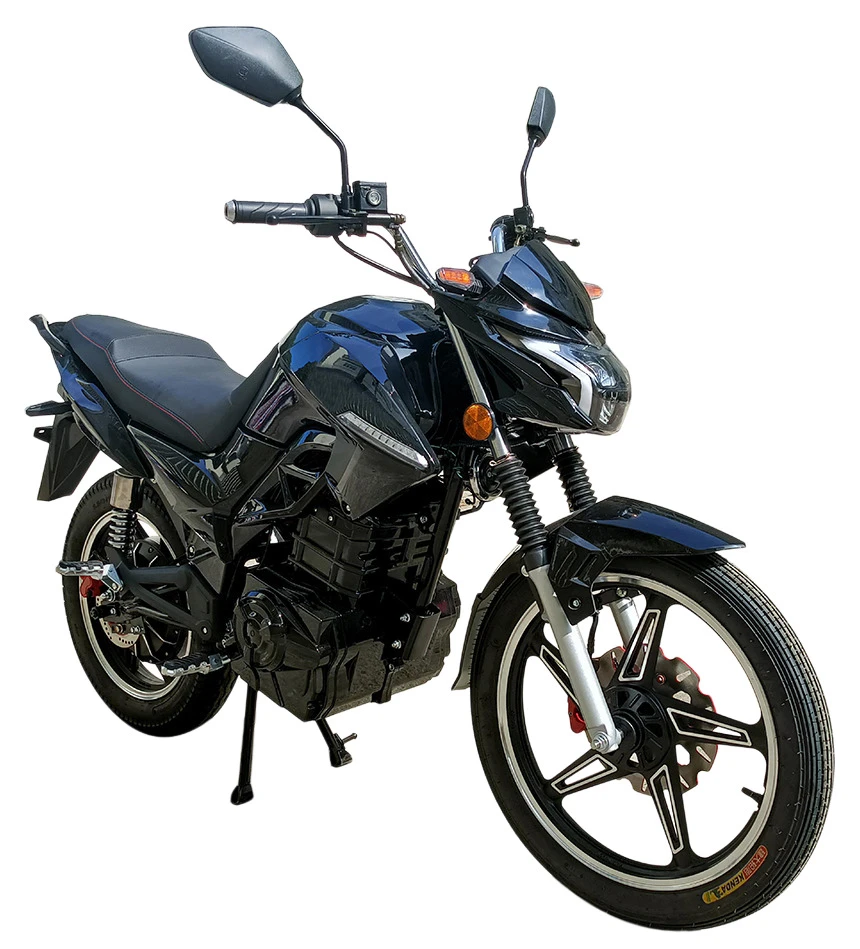
For many riders, the joy of motorcycling is a seasonal pleasure, dictated by weather and climate. When the riding season comes to an end, the question of how to properly store your motorcycle becomes paramount. Proper storage is more than just parking your bike in a corner; it is a critical maintenance procedure that protects your investment, prevents costly damage, and ensures your machine is ready to ride the moment the season returns. Furthermore, this practice is a key factor in answering one of the most common long-term questions: “how many miles can a motorcycle last?” At ZUKIDA, we engineer our motorcycles for durability, but their ultimate longevity is a partnership between our manufacturing quality and your diligent care.
This comprehensive guide will walk you through the essential steps of long-term motorcycle storage and explain how these practices contribute to a long and healthy life for your bike.
1. The Core Question: How Many Miles Can a Motorcycle Last?
Riders often wonder about the potential lifespan of their machines. The truth is, there is no single answer. A modern, well-built motorcycle that receives meticulous care can comfortably exceed 100,000 miles. Some dedicated owners have documented even higher mileages. However, a neglected bike may show signs of serious wear in as little as 20,000 miles. The primary factors that influence a motorcycle’s lifespan are:
- Build Quality: The foundation of longevity is a well-engineered machine. ZUKIDA’s commitment to cutting-edge manufacturing and rigorous quality control ensures every bike starts with a durable and reliable base.
- Regular Maintenance: Adhering to the manufacturer’s recommended service intervals for oil changes, valve adjustments, and other routine tasks is non-negotiable.
- Riding Style: An aggressive riding style with constant high-RPM operation will cause more wear on engine and drivetrain components than a smooth, relaxed style.
- Proper Storage: This is the often-overlooked factor. A motorcycle that is improperly stored for several months can suffer more damage than one that is ridden regularly. Corrosion, fuel system blockages, and battery failure are common issues.
2. The Step-by-Step Guide to Motorcycle Storage (Winterization)
Whether you’re storing your bike for the winter or for any extended period, following these steps will safeguard its mechanical and cosmetic condition. This process is often called “winterizing.”
Step 1: Choose the Right Location
The ideal storage location is a dry, secure, and temperature-stable environment. A garage, a climate-controlled shed, or a dedicated motorcycle storage unit are all excellent choices. Avoid storing your motorcycle outdoors under a simple cover, as it will be exposed to extreme temperature fluctuations and moisture, which accelerate corrosion.
Step 2: The Fuel System – Prevent Internal Damage
This is arguably the most critical step. Modern fuel can degrade in as little as a few months, leaving behind gummy deposits that can clog fuel injectors or carburetor jets, leading to expensive and complex repairs.
- Fill the Tank: Fill the fuel tank to about 90% of its capacity. A full tank leaves less room for air, which minimizes the risk of condensation and rust forming on the tank’s inner walls.
- Add Fuel Stabilizer: Purchase a quality fuel stabilizer and add the correct amount to the tank (follow the instructions on the bottle). Fuel stabilizer prevents the fuel from breaking down and forming varnish.
- Circulate the Stabilized Fuel: Start the motorcycle and let it run for 5-10 minutes. This is crucial as it circulates the treated fuel through the entire system, including the fuel lines, fuel pump, and injectors or carburetors, protecting them from gumming up.
Step 3: Oil and Filter Change – Remove Corrosive Contaminants
It is always best to change the engine oil and filter *before* long-term storage. Used oil contains contaminants and acids from the combustion process. If left to sit for months, these corrosive elements can slowly eat away at sensitive internal engine components like bearings and seals.
Step 4: Battery Care – The Key to a Spring Start-Up
A motorcycle battery will slowly lose its charge over time, even when not in use. A fully discharged battery can be permanently damaged.
- What is a Battery Tender? A battery tender (or smart charger) is a device that monitors your battery’s charge. It will automatically apply a slow, low-amperage charge when the voltage drops and shut off when the battery is full. This is different from a standard “trickle charger,” which can overcharge and damage a battery.
- The Process: You have two options. The easiest is to leave the battery in the motorcycle and connect a battery tender. Alternatively, you can remove the battery, bring it indoors to a cool, dry place (off of a concrete floor), and connect it to a tender there. This ensures your battery remains healthy and ready to go.
Step 5: Tires and Suspension – Avoid Flat Spots and Seal Wear
A motorcycle’s weight resting on the same spot on the tires for months can create “flat spots.” Additionally, leaving the suspension compressed can put long-term stress on seals.
- Clean and Inflate: Thoroughly clean the tires and inflate them to the maximum pressure recommended on the tire’s sidewall. This helps the tires maintain their shape.
- Elevate the Bike (Best Practice): The ideal solution is to use front and rear paddock stands to lift both wheels completely off the ground. This takes all weight off the tires and allows the suspension to fully extend, relieving pressure on the fork and shock seals.
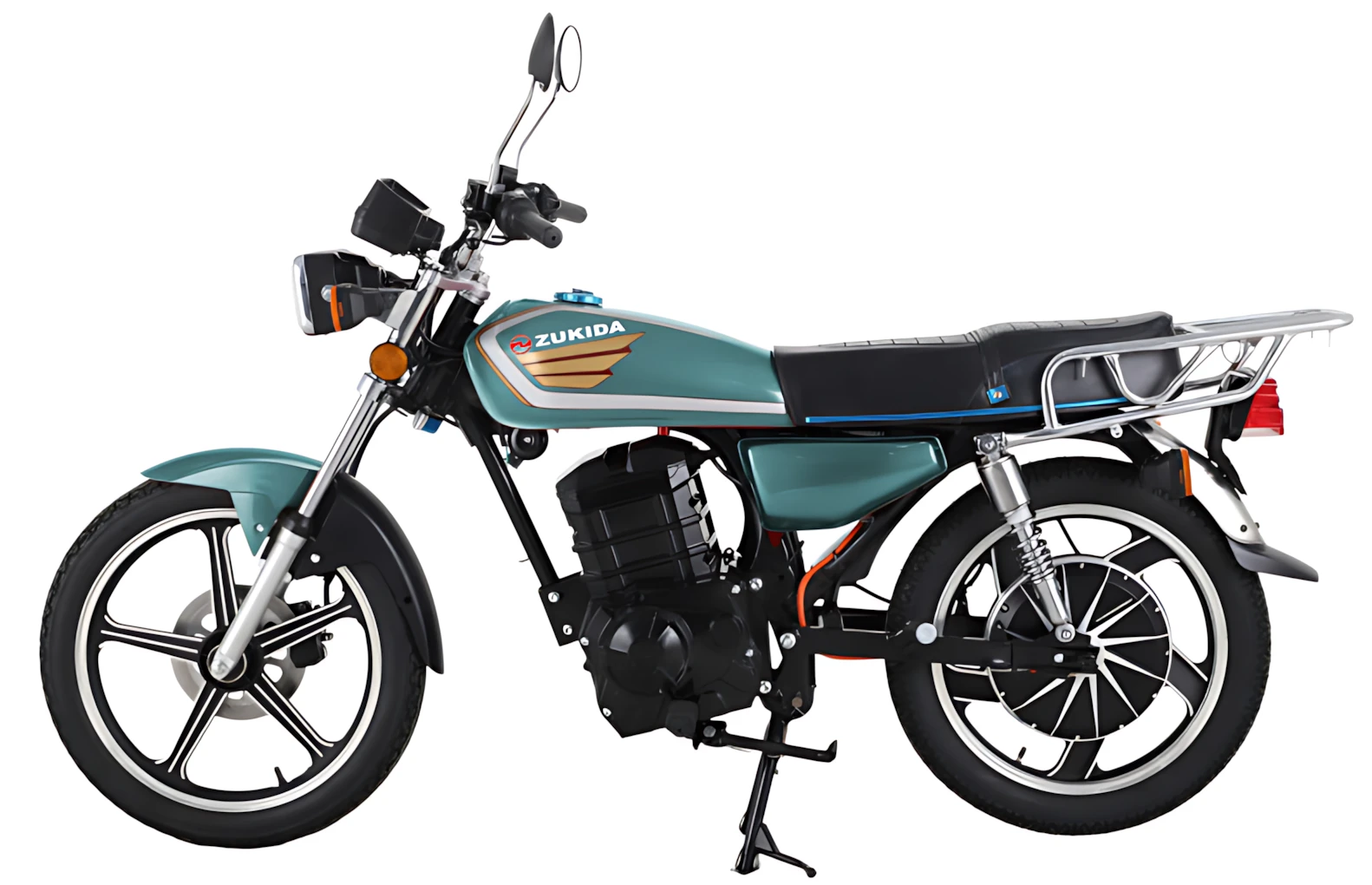
Step 6: A Thorough Cleaning – Prevent Corrosion and Pests
Storing a dirty bike is a recipe for long-term damage. Dirt, moisture, and dead insects can all contain acidic elements that will eat away at your bike’s paint and metal finishes over time.
- Wash and Wax: Give your motorcycle a detailed wash and ensure it is completely dry. Apply a high-quality wax to all painted surfaces to create a protective barrier.
- Lubricate: Clean and lubricate the chain to prevent it from rusting.
- Pest Control: Small rodents often see a motorcycle’s airbox and exhaust pipes as an inviting place to build a nest. Gently plug the exhaust outlets with a piece of steel wool or a dedicated exhaust plug. Crucially, attach a bright, highly visible “Remove Before Starting” tag to your handlebars or key as a reminder.
Step 7: The Final Touch – The Right Cover
Do not use a simple plastic tarp. These materials are not breathable and will trap moisture against your motorcycle, creating a perfect environment for rust and corrosion. Invest in a high-quality, breathable motorcycle cover. This will protect your bike from dust, scratches, and condensation while allowing any moisture to escape.
Waking Your Motorcycle from Hibernation
When the new season arrives, follow these simple steps to bring your bike back to life safely:
- Remove the cover and any exhaust plugs.
- Reconnect or reinstall the battery if you removed it.
- Check the tire pressure and adjust it back to the normal operating levels recommended in your owner’s manual.
- Perform a thorough pre-ride inspection (T-CLOCS). Check the brakes, lights, controls, and look for any leaks.
- Start the bike and enjoy the ride!
Conclusion: An Investment in Your Bike’s Future
Proper storage is not a chore; it is an investment in the future of your motorcycle. By taking these steps, you are actively preserving its condition, ensuring its reliability, and significantly contributing to its overall lifespan. It ensures that when you are ready to ride, your machine is just as ready as you are. At ZUKIDA, we take immense pride in building motorcycles—from our versatile Cubs to our powerful Street Bikes—that are built to last. By adopting these best practices for care and storage, you honor that quality and pave the way for many thousands of miles of future adventures.
8 thoughts on “How to Store Your Motorcycle and Maximize Its Lifespan”
Detailed guide on topic. A video tutorial would be a great addition for our mechanics.
The points you raised about topic are valid. The motorcycle industry needs more transparency like this. Cheers.
Very informative post on topic. Keep up the good work with the blog content. Keep the updates coming.
This article on topic is spot on. As a distributor, we encounter these exact market trends daily.
Finally, a clear explanation of topic. It’s crucial for importers to understand these technical details.
Regarding topic, have you considered how this affects the upcoming Euro 5 regulations? Great job Zukida team.
Bookmarked this page. topic is important. Looking forward to the next update.
Thanks for the update on topic. Will this be applied to the new models next quarter?