
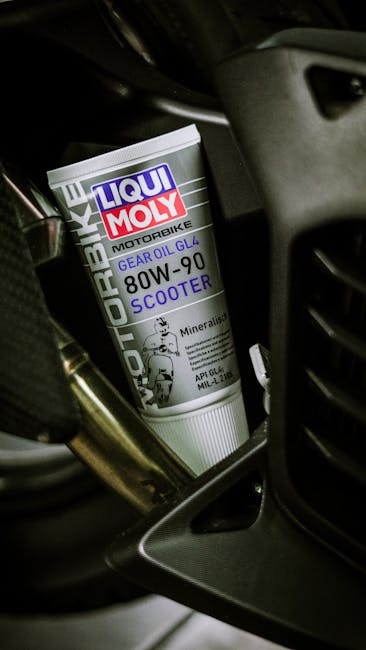
Motorcycle oil maintenance is a fundamental aspect of keeping your bike running smoothly and extending its lifespan. For new riders, understanding how to change motorcycle oil properly can seem daunting, but with the right guidance and tools, it becomes a straightforward task that saves money and ensures optimal engine performance. This comprehensive guide will walk you through every step of the oil change process, from preparation to completion. For beginners looking to understand the basics of motorcycle operation, How to Ride a Motorcycle: A Step-by-Step Guide for Beginners provides essential foundational knowledge.
Preparation and Safety Checklist
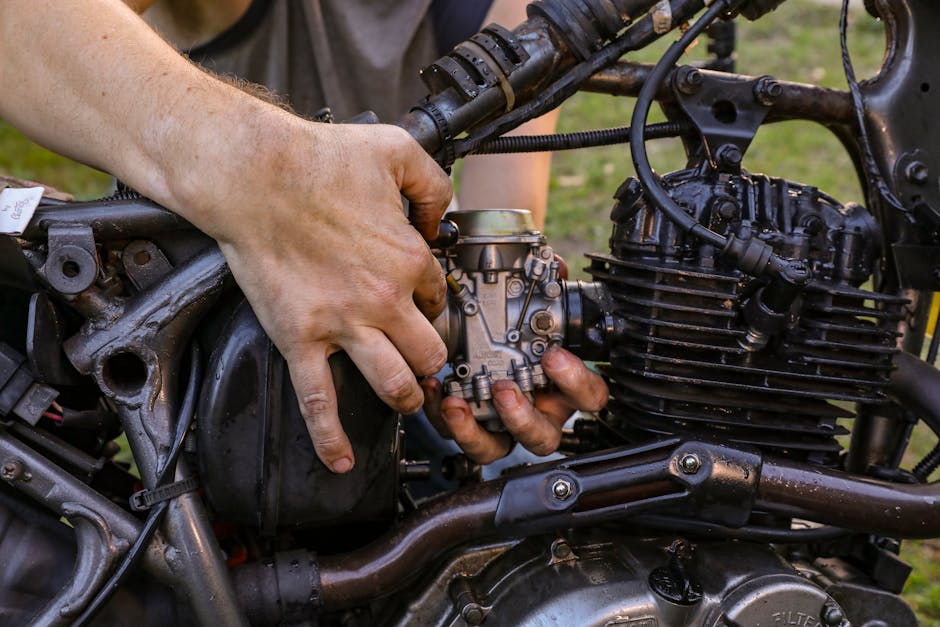
Before beginning any oil change procedure, safety must be your top priority. Ensure your motorcycle is stable on a level surface using proper stands or a center stand. Disconnect the battery by removing the negative terminal first to prevent accidental electrical activation. Gather all necessary tools and materials including the correct oil type and capacity for your specific motorcycle model. Check your owner’s manual for the recommended oil specifications and quantities, as these vary significantly between different engine types and manufacturers.
Position your work area with adequate lighting and ventilation. Place a drain pan directly under the oil drain plug, and have a fresh oil filter ready for replacement. Check that you have the appropriate socket sizes and wrenches for your motorcycle’s specific oil drain plug configuration. Some modern motorcycles feature metric or SAE threading, so verify the correct tool before beginning the process.
Never attempt an oil change in wet conditions or on unstable ground. The risk of injury from a falling motorcycle or slipping on oil is significant. If working in an outdoor environment, protect your motorcycle from dust and debris by covering it with a clean tarp or sheet.
Draining the Old Oil
Locate the oil drain plug positioned at the lowest point of the engine oil pan. The exact location varies by motorcycle model but is typically found on the side of the engine or transmission housing. Remove the oil drain plug using the appropriate wrench, allowing the old oil to drain completely into the prepared container. The draining process typically takes 3-5 minutes, depending on the oil’s viscosity and engine temperature.
Allow the oil to drain completely before proceeding. Residual oil in the pan will mix with the new oil and reduce the effectiveness of the change. If you notice oil still draining after several minutes, check that the drain plug was fully removed and the oil level is not too low. Some motorcycles feature oil drain valves that require turning rather than removal, so consult your manual for the correct procedure.
Once drainage is complete, clean the area around the drain plug and oil filter housing. Remove any old gasket material or debris that may have accumulated during previous oil changes. This prevents contaminants from entering the new oil system and ensures proper sealing when reinstalling components.
Replacing the Oil Filter
Remove the old oil filter using an appropriate filter wrench. Some filters require turning counterclockwise while others may have specific removal procedures. Be prepared for oil to spill from the filter opening, so have a clean rag or container ready. Apply a thin layer of new oil to the rubber gasket of the replacement filter to ensure proper sealing and prevent leaks.
Install the new filter by hand-tightening it to the proper position. Most manufacturers specify torque specifications for oil filters, typically between 25-40 foot-pounds. Over-tightening can damage the filter housing, while under-tightening may cause oil leaks. If your motorcycle has a filter wrench with torque adjustment capabilities, use it to achieve the correct specification.
Check the filter housing threads for any damage or debris before installing the new filter. Clean the mounting surface thoroughly with a clean cloth to remove any old gasket material or particles that could compromise the seal.
Adding New Oil
Locate the oil filler cap on the engine, typically found on the right side of the engine case or on the oil filter housing. Remove the cap and check the current oil level by inserting a clean dipstick or using the sight glass indicator. Add oil gradually, checking the level frequently to avoid overfilling.
Use the correct oil type specified in your owner’s manual. Factors affecting oil selection include engine displacement, intended use (street or racing), and climate conditions. Synthetic oils generally provide better protection and performance but may be more expensive than conventional oils. Some motorcycles require specific oil grades for optimal performance.
Fill the oil reservoir to the recommended level, typically indicated by minimum and maximum marks on the dipstick or sight glass. The exact level depends on your motorcycle’s specific design and oil capacity. Overfilling can cause excessive pressure and oil leaks, while underfilling may lead to insufficient lubrication and engine damage.
Start the engine and let it run for 3-5 minutes to circulate the new oil. Check for any leaks around the drain plug and oil filter. Allow the engine to warm up to normal operating temperature before checking the oil level again, as oil expands when heated and may appear to be overfilled when cold.
Final Inspection and Testing
After the engine has reached normal operating temperature, turn it off and wait at least 5 minutes before checking the oil level. This allows oil to drain back into the pan for an accurate reading. Check the oil level using the dipstick or sight glass and add more oil if necessary to reach the proper level.
Perform a visual inspection of the oil change area for any signs of leaks or spills. Clean up any oil residue with a degreaser and absorbent materials. Check that all tools and materials have been removed from the work area to prevent damage to moving parts.
Test ride the motorcycle briefly to ensure proper operation and check for any unusual sounds or vibrations. Monitor the oil level after the test ride, as some motorcycles may require additional oil adjustment. If you notice any oil leaks during operation, stop the motorcycle safely and address the issue before continuing.
Record the oil change date and mileage in your maintenance log. This information is crucial for tracking maintenance schedules and diagnosing potential engine issues. Most manufacturers recommend oil changes every 3,000-5,000 miles for street motorcycles, though some modern engines may require longer intervals.
Troubleshooting Common Issues
If you experience difficulty removing the oil drain plug, try loosening it slightly before the engine heats up, as heat expansion can make threaded components tighter. For stubborn plugs, use penetrating oil and allow it to soak for several minutes before attempting removal.
Oil leaks during or after the oil change typically indicate improper installation of the drain plug or oil filter. Check that both components are properly torqued to manufacturer specifications. If leaks persist, replace the drain plug gasket and ensure proper seating of the oil filter.
Some motorcycles may require specific procedures for oil level checking, such as running the engine briefly before checking or waiting for the oil to settle. Consult your owner’s manual for the correct procedure specific to your motorcycle model.
Excessive oil consumption during the first few oil changes may be normal for new motorcycles as they break in. However, sustained high oil consumption requires investigation of potential engine wear or seal issues. Monitor oil levels regularly and address any unusual patterns promptly.
Professional Maintenance Tips
Consider changing your oil filter every other oil change to maintain optimal filtration performance. Some mechanics recommend changing the filter more frequently if you ride in dusty conditions or at high speeds, as contaminants can accumulate faster in the filter.
Keep spare oil and filters on hand for emergency changes, especially if you ride frequently or travel long distances. Having supplies readily available prevents unexpected breakdowns and ensures you can maintain proper maintenance schedules.
Document your maintenance history with precise dates, mileage, and oil specifications used. This information is valuable for future maintenance, resale value, and troubleshooting engine issues. Professional mechanics often require this information to provide accurate service recommendations.
For complex motorcycles or those with limited access to maintenance facilities, consider having a professional mechanic inspect your work after completion. This ensures proper installation and provides peace of mind for critical components like oil systems.
Motorcycle maintenance is an ongoing commitment that requires regular attention and proper care. For riders looking to understand the broader context of motorcycle ownership and maintenance, Motorcycle Maintenance 101: A Comprehensive Guide to Keep Your Bike in Peak Condition offers in-depth knowledge on all aspects of motorcycle care. Mastering the motorcycle oil change procedure is an essential skill for every rider. With proper preparation, attention to detail, and adherence to manufacturer specifications, you can perform this maintenance task safely and effectively. Regular oil changes significantly extend your motorcycle’s lifespan and ensure optimal engine performance for years to come.