
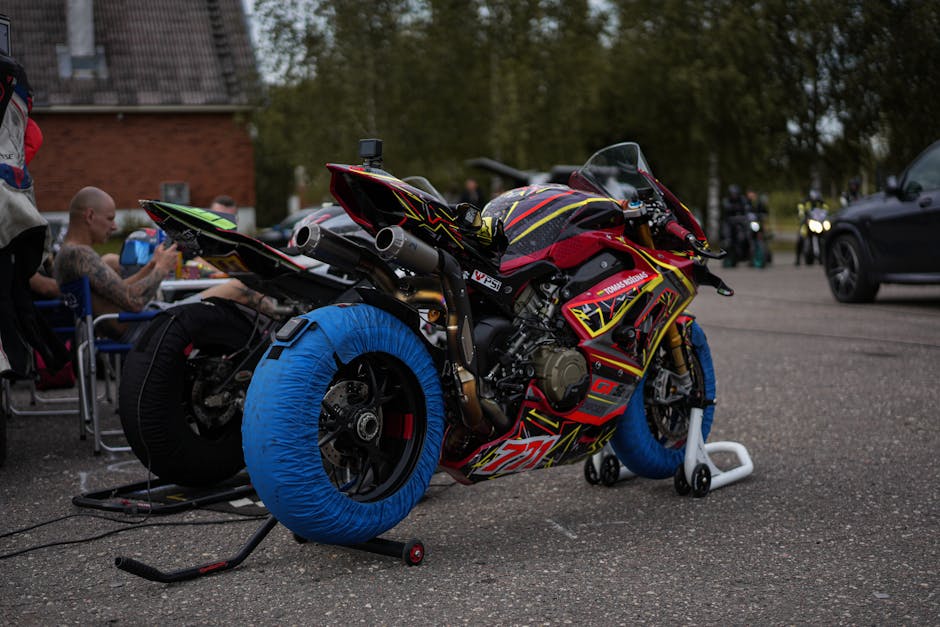
Properly adjusting motorcycle tire pressure is one of the most critical maintenance tasks that directly impacts safety, handling, and tire longevity. This guide provides professional-level insights into optimizing tire pressure for various riding conditions and tire types, ensuring you get the most from your motorcycle investment. For a comprehensive understanding of how to ride a motorcycle and proper maintenance practices, refer to our beginner’s guide.
Tire Pressure Fundamentals and Industry Standards
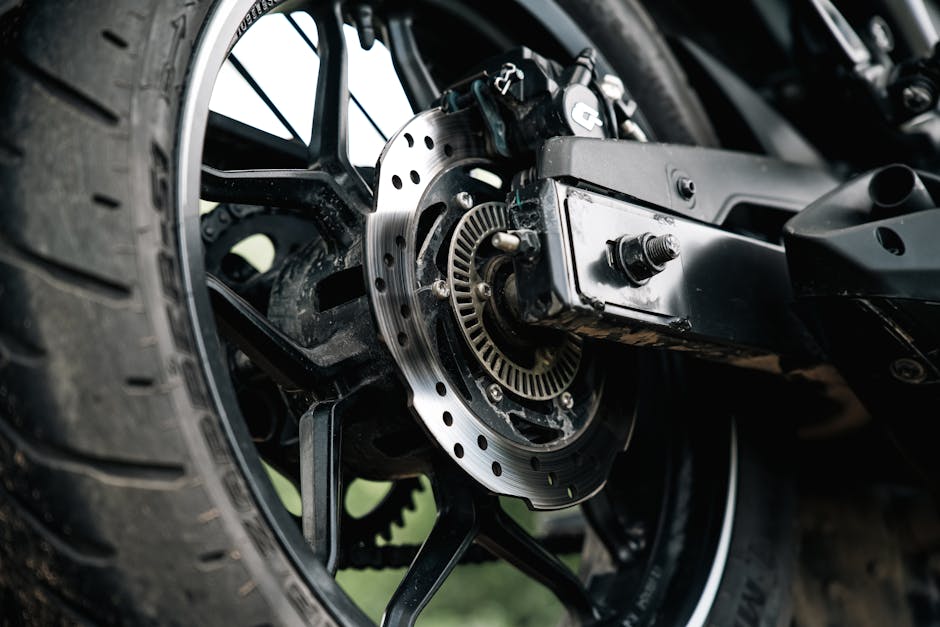
The foundation of proper tire pressure adjustment begins with understanding the distinction between cold and hot tire pressure measurements. Manufacturers specify cold tire pressure values, which represent the pressure when tires have been stationary for at least three hours and haven’t been subjected to significant heat buildup from riding. This critical difference can result in pressure variations of 2-4 PSI, making cold pressure readings the standard reference point for all adjustments.
Modern motorcycle tire construction varies significantly between racing slicks, all-season touring tires, and off-road compounds. Racing slick tires typically operate at 32-38 PSI for optimal contact patch and heat management, while touring tires often require 35-45 PSI to maintain proper sidewall support and reduce rolling resistance. Off-road tires need much lower pressures, typically 20-28 PSI, to maximize traction and prevent punctures in challenging terrain.
Industry research consistently demonstrates that maintaining proper tire pressure can improve fuel efficiency by up to 3%, enhance braking performance by reducing stopping distances, and extend tire life by 20-30% compared to improperly inflated tires. These measurable benefits underscore the importance of regular pressure monitoring and adjustment as part of comprehensive motorcycle maintenance.
Seasonal Adjustments for Temperature Variations
Temperature fluctuations create significant pressure changes in motorcycle tires, with each 10°F variation causing approximately 1 PSI pressure change. During winter months, cold temperatures can reduce tire pressure by several PSI, necessitating proactive adjustments before riding. Conversely, summer heat can cause pressure to rise substantially, potentially leading to over-inflation and reduced traction.
Professional riders develop systematic seasonal adjustment routines. In colder climates, they typically increase cold tire pressure by 2-4 PSI before winter storage and check pressure weekly once temperatures stabilize. During summer months, they monitor pressure more frequently, especially during extended rides when heat buildup can cause rapid pressure changes. This seasonal discipline prevents the performance and safety issues associated with temperature-related pressure variations.
Advanced riders also account for altitude changes when adjusting tire pressure. At higher elevations where atmospheric pressure is lower, tire pressure readings naturally decrease by approximately 1 PSI per 1,000 feet of elevation gain. This consideration becomes particularly important for riders who frequently travel between sea level and mountainous terrain, ensuring consistent performance across different driving conditions.
Tire Type-Specific Pressure Requirements
Racing tires represent the pinnacle of performance optimization, operating at maximum pressure within strict safety parameters. These tires feature specialized compounds and tread patterns designed for maximum grip at specific temperature ranges. Racing slicks typically require 32-38 PSI depending on rider weight, track conditions, and ambient temperature. The pressure optimization process involves precise balancing between grip, wear rate, and mechanical stability, requiring professional setup expertise.
Touring tires demand different pressure considerations, prioritizing comfort and long-distance stability over maximum grip. These tires feature reinforced sidewalls and specialized compounds designed to maintain performance over thousands of miles. Touring tire pressure typically ranges from 35-45 PSI, with specific recommendations varying based on loaded weight and intended riding speeds. Professional touring riders develop detailed pressure adjustment schedules based on load changes and riding conditions encountered during extended trips.
Off-road tires require fundamentally different pressure considerations compared to their street counterparts. The versatility of off-road riding conditions necessitates pressure ranges from 20-28 PSI, allowing adjustment based on terrain type, rider weight, and intended riding style. Sand riding typically requires lower pressures for optimal floatation, while rocky terrain benefits from higher pressures to prevent punctures. This adaptability represents one of the most critical aspects of off-road motorcycle preparation.
Street tires for daily riding require balanced pressure optimization between performance, comfort, and fuel efficiency. Modern street tires feature sophisticated compounds and tread patterns designed for versatile performance across various conditions. Typical pressure ranges for street tires fall between 30-40 PSI, with specific recommendations varying based on tire model, rider weight, and intended use patterns. Professional mechanics often recommend testing pressure adjustments by comparing ride quality, steering feel, and initial acceleration performance to determine optimal settings.
Riding Condition Optimization Strategies
Track riding presents unique pressure optimization challenges compared to street or off-road riding. High-speed cornering, braking loads, and sustained lateral forces create different pressure management requirements than everyday riding conditions. Professional track riders typically adjust tire pressure based on specific track characteristics, weather conditions, and intended riding style. Wet track conditions often require slightly lower pressure to maintain adequate contact with the surface, while dry track conditions may benefit from higher pressure for improved stability.
Street riding optimization involves balancing multiple factors including fuel efficiency, comfort, and performance. Urban riding at moderate speeds typically benefits from slightly lower pressure compared to highway speeds where stability becomes paramount. Professional street riders develop detailed pressure adjustment protocols based on specific riding conditions, often creating simple reference charts for different scenarios they encounter regularly.
Long-distance touring pressure optimization focuses on sustained comfort and maximum tire life over thousands of miles. Professional touring riders typically maintain consistent pressure throughout their trips, making minor adjustments only when significant load changes occur or when weather conditions vary significantly. This systematic approach ensures consistent performance and prevents the fatigue issues associated with improper pressure management during extended rides.
Adverse weather conditions require immediate pressure consideration adjustments to maintain safety and performance. Rainy conditions often necessitate slightly lower pressure for improved traction and reduced aquaplaning risk, while snowy conditions may benefit from higher pressure to maintain stability on ice and packed snow. Professional riders develop detailed weather-specific pressure adjustment protocols based on their riding experience and the specific motorcycles they operate.
Advanced Pressure Monitoring and Adjustment Techniques
Professional pressure monitoring systems have evolved significantly beyond basic PSI gauges, incorporating digital sensors, smartphone integration, and real-time monitoring capabilities. Modern systems can track pressure variations throughout rides, alerting riders to significant changes that may indicate tire damage or pressure issues. These advanced systems provide detailed pressure history data, enabling professional riders to optimize their pressure adjustment strategies based on specific riding patterns and conditions.
Manual pressure adjustment techniques require systematic approaches to ensure accuracy and consistency. Professional mechanics recommend checking tire pressure at the same time each week, typically after the same routine activities to maintain consistency. The adjustment process involves precise PSI increments, typically 1-2 PSI at a time, followed by test rides to evaluate the impact on handling and performance. This methodical approach prevents over-adjustment and ensures optimal pressure optimization.
Pressure adjustment tools and equipment selection significantly impact the accuracy and reliability of pressure monitoring. Professional-grade gauges feature precision calibration and durable construction designed for repeated use in various conditions. Digital pressure monitors offer additional features including pressure logging, trend analysis, and smartphone connectivity that enable professional riders to maintain comprehensive pressure adjustment records and optimize their riding strategies over time.
Regular maintenance schedules for pressure adjustment ensure consistent optimization and prevent issues associated with neglect. Professional riders typically establish pressure adjustment routines based on specific riding patterns and conditions, often creating detailed schedules that account for different tire types, seasonal variations, and intended use scenarios. These systematic approaches prevent the pressure-related issues that commonly affect riders who neglect regular pressure monitoring.
Safety Considerations and Performance Implications
Tire pressure directly impacts critical safety factors including stopping distances, cornering stability, and overall vehicle control. Under-inflated tires create increased rolling resistance, reducing fuel efficiency while simultaneously compromising handling and stability. Over-inflated tires reduce contact patch area, leading to poor traction and potential safety hazards, particularly during emergency maneuvers or high-speed cornering.
Professional riders understand that pressure optimization directly correlates with performance metrics including acceleration, braking efficiency, and cornering capabilities. Properly inflated tires maintain optimal contact with road surfaces, enabling maximum traction and precise vehicle control. This relationship becomes particularly critical during high-speed riding or aggressive cornering when tire pressure variations can significantly impact vehicle stability and rider safety.
Long-term pressure management considerations include tire wear patterns, fuel efficiency, and overall vehicle performance maintenance. Professional riders develop comprehensive pressure adjustment strategies that balance immediate performance needs with long-term tire health and vehicle efficiency considerations. This holistic approach ensures that pressure optimization decisions support both immediate riding requirements and long-term vehicle maintenance goals.
Emergency pressure adjustment scenarios require specific protocols and tools to maintain safety when pressure issues occur during rides. Professional riders develop detailed emergency procedures for addressing pressure problems including spare tire changes, pressure adjustment tools, and temporary pressure management strategies. These emergency preparedness protocols ensure that riders can maintain safety and continue their rides even when unexpected pressure-related issues occur.
Professional Maintenance Protocols and Industry Standards
Professional motorcycle maintenance protocols incorporate systematic pressure adjustment procedures as essential components of comprehensive vehicle care. Industry standards establish specific guidelines for pressure monitoring frequency, adjustment techniques, and documentation requirements that professional mechanics follow to ensure optimal vehicle performance and safety.
Manufacturer-specific pressure recommendations require attention to model-specific requirements that may differ from standard pressure ranges. Professional mechanics develop detailed pressure adjustment protocols based on specific motorcycle models, tire types, and intended use scenarios to ensure compliance with manufacturer specifications and optimal performance.
Compliance with industry standards and safety regulations requires professional pressure adjustment practices that meet regulatory requirements and performance standards. Professional riders and mechanics understand that proper pressure management not only optimizes performance but also ensures compliance with safety regulations and insurance requirements that may be affected by improper tire pressure.
Ongoing education and training in pressure adjustment techniques ensure that professional riders maintain current knowledge of best practices and industry developments. Professional organizations and racing schools provide specialized training programs that cover advanced pressure adjustment techniques, emerging technologies, and evolving industry standards that professional riders must master to maintain competitive advantage.
For the full breakdown, see Essential Cold-Weather Battery Care for Motorcyclists.