
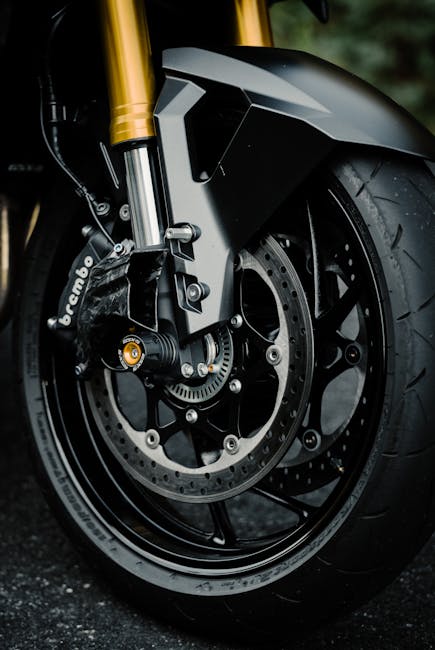
Motorcycle brake systems represent the critical safety infrastructure that determines whether a ride ends safely or becomes a catastrophic event. The deterioration of brake pads, often occurring gradually and silently, can transform a reliable machine into a dangerous proposition. This comprehensive guide provides the technical knowledge and practical skills necessary for professional motorcycle mechanics and enthusiasts to identify brake pad degradation through systematic inspection methods and symptom recognition. For those interested in understanding the broader context of motorcycle maintenance and safety, How to Ride a Motorcycle: A Step-by-Step Guide for Beginners offers foundational knowledge that complements advanced brake system diagnostics.
Understanding Brake Pad Construction and Degradation Mechanisms
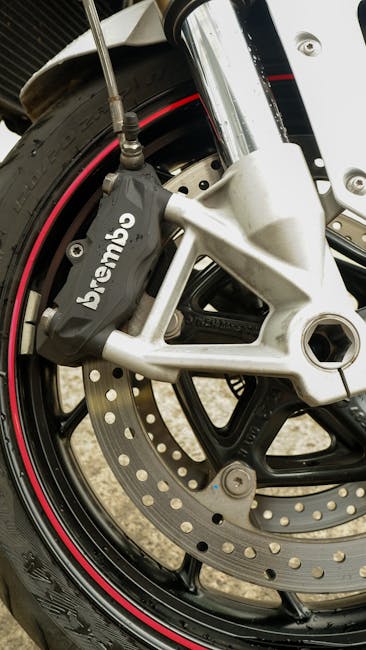
Modern motorcycle brake pads utilize sophisticated composite materials engineered for specific performance characteristics. The friction matrix typically consists of ceramic particles, organic fibers, and metallic components, each serving distinct functions in heat dissipation, noise reduction, and wear resistance. When these materials undergo thermal fatigue, chemical degradation, or mechanical wear, the brake pad’s ability to generate adequate stopping force diminishes progressively.
Manufacturers specify minimum pad thickness requirements that vary based on motorcycle application and intended use. Street motorcycles typically require 3-4mm minimum pad thickness, while racing or touring bikes may demand 5-6mm clearance before pad replacement becomes necessary. These specifications account for factors including brake force multiplication, pad compound characteristics, and rider weight distribution across the motorcycle’s frame.
Brake pad materials have evolved significantly over the past decade, with manufacturers introducing new compounds that enhance performance and longevity. Carbon-ceramic composite pads, for instance, offer superior heat resistance and reduced fade compared to traditional semi-metallic pads. However, these advanced materials often require different inspection protocols and may exhibit unique wear characteristics that mechanics must understand to properly assess their condition.
The degradation process occurs through multiple mechanisms working in concert. Thermal cycling during braking generates heat that causes matrix expansion and contraction, leading to micro-fractures in the friction material. Chemical interactions between pad compounds and brake disc surfaces create wear particles that gradually reduce pad thickness. Additionally, moisture exposure can cause corrosion of metallic components within the pad, further compromising performance.
Visual Inspection Protocols for Early Detection
Systematic visual examination forms the first line of defense in brake pad monitoring. Mechanics should inspect pads during routine maintenance intervals, paying particular attention to pad thickness measurement using precision calipers. Digital calipers capable of measuring to 0.01mm provide the accuracy required for detecting subtle thickness variations that precede functional deterioration.
Pad surface condition reveals crucial information about wear patterns and potential issues. Uniform wear across the pad face indicates proper brake alignment and pad seating. Conversely, uneven wear patterns, characterized by thicker edges or irregular surface textures, suggest misalignment problems or contamination that require immediate attention.
Advanced visual inspection techniques include using magnifying glasses or digital microscopes to examine surface finish and identify early signs of delamination. Microscopic examination can reveal hairline cracks in the friction matrix that may not be visible to the naked eye but could lead to pad failure. Additionally, color analysis of pad surfaces can indicate thermal damage – blue or purple discoloration suggests excessive heat exposure, while white or gray patches may indicate moisture contamination.
Proper lighting conditions are essential for accurate visual inspection. Natural daylight or high-quality LED work lights positioned at specific angles can help identify surface irregularities and wear patterns that might be missed under standard shop lighting. Some inspection procedures require removing the wheel to access the entire pad assembly, allowing for comprehensive evaluation of pad condition from all angles.
Symptom Recognition: Auditory and Tactile Indicators
Early warning systems embedded within the brake system often manifest as distinct auditory and tactile symptoms. Squealing noises during braking frequently result from pad wear indicators or metallic particles embedded in the friction compound. These sounds, particularly noticeable at low speeds, serve as critical alerts requiring immediate inspection.
Brake pedal feel provides immediate feedback regarding pad condition and hydraulic system integrity. Spongy brake response, requiring increased force to achieve desired stopping power, indicates pad wear or hydraulic system issues. Modulation problems, where brake pressure feels inconsistent or difficult to control, suggest pad deterioration affecting the brake force multiplication ratio.
Advanced symptom recognition involves understanding the relationship between specific sounds and their underlying causes. High-pitched squeals often indicate ceramic or metallic particles making contact with the brake disc, while lower frequency grinding sounds typically suggest severe pad wear with direct metal-to-metal contact. Vibration patterns during braking can reveal rotor warping issues that affect overall brake performance.
Modern motorcycles increasingly incorporate electronic monitoring systems that can detect abnormal brake behavior and alert riders through dashboard indicators. These systems can measure brake pad thickness, monitor hydraulic pressure, and track temperature variations to provide early warnings of potential problems. However, these systems require proper calibration and regular maintenance to ensure accurate detection.
Performance Testing and Diagnostic Procedures
Dynamic testing during routine maintenance provides objective measurements of brake pad effectiveness. Deceleration tests at controlled speeds reveal pad performance characteristics and identify potential issues before they become critical. Professional brake testing equipment measures pad force, stopping distance, and thermal performance under various load conditions.
Thermal imaging technology offers non-contact inspection methods for detecting brake pad temperature variations and identifying potential hot spots that indicate uneven wear or contamination. This advanced diagnostic approach helps mechanics identify problems requiring immediate attention before they affect overall brake system performance.
Comprehensive performance testing includes measuring brake force distribution between front and rear wheels, analyzing deceleration rates at different speeds, and evaluating pad wear uniformity across the entire braking surface. Advanced diagnostic equipment can simulate various riding conditions to test pad performance under stress, helping identify potential issues before they become safety hazards.
Brake fluid analysis represents another critical diagnostic procedure that assesses hydraulic system health and identifies potential contamination sources. Fluid moisture content, contamination levels, and boiling point measurements provide insights into overall brake system condition that complement pad inspection findings.
Maintenance Scheduling and Inspection Frequency
Optimal inspection scheduling balances comprehensive coverage with practical maintenance efficiency. High-mileage riders and those operating in demanding conditions require more frequent examinations, typically every 1,000-1,500 miles. Standard maintenance schedules recommend visual inspections every 3,000-5,000 miles, with comprehensive brake system analysis performed annually or following any incident involving excessive braking.
Manufacturer recommendations and riding conditions significantly influence inspection frequency requirements. Racing motorcycles and those used for towing or heavy hauling necessitate more intensive monitoring schedules. Understanding these factors helps mechanics establish appropriate maintenance protocols that balance safety requirements with operational efficiency.
Seasonal variations also affect inspection needs, with motorcycles stored in humid environments requiring more frequent checks to prevent moisture-related degradation. Urban riders who frequently stop and start in traffic may experience different wear patterns compared to highway riders who maintain consistent speeds, necessitating customized inspection schedules based on actual usage patterns.
Digital maintenance tracking systems help mechanics monitor inspection history and identify trends in pad wear rates. These systems can track mileage, riding conditions, weather patterns, and previous inspection findings to predict optimal timing for future brake system examinations and recommend proactive maintenance interventions.
Advanced Diagnostic Technologies and Emerging Trends
Modern diagnostic equipment provides sophisticated analysis capabilities for brake pad condition assessment. Wireless sensors can monitor pad thickness, temperature, and wear patterns in real-time, transmitting data to mobile devices for immediate analysis and record keeping. These technologies enable predictive maintenance strategies that anticipate problems before they become critical.
Machine learning algorithms applied to brake system data can identify patterns associated with specific wear characteristics and recommend optimal replacement schedules. Integration of these technologies with traditional inspection methods creates comprehensive diagnostic approaches that maximize safety while minimizing unnecessary maintenance interventions.
Augmented reality systems are beginning to revolutionize brake inspection processes by overlaying diagnostic information onto the actual brake components during visual examinations. These systems can automatically measure pad thickness, highlight areas of concern, and provide real-time recommendations for maintenance actions based on established safety protocols.
Blockchain technology is being explored for maintaining comprehensive brake maintenance records that can be shared between mechanics, dealerships, and insurance companies. This technology ensures data integrity and provides transparent maintenance histories that help establish proper inspection schedules and identify potential safety issues.
Professional Standards and Certification Requirements
Professional motorcycle mechanics must maintain current certification in brake system inspection and maintenance procedures. Organizations such as the Institute for Transportation Research and the Motorcycle Industry Council establish standards for brake inspection protocols and continuing education requirements. These standards ensure consistent quality in brake system maintenance across the industry.
Advanced certification programs focus on specialized diagnostic techniques, emerging brake technologies, and regulatory compliance requirements. Continuous education ensures mechanics stay current with evolving brake system technologies and maintain the expertise necessary for professional brake inspection and maintenance services.
Industry certification programs now include practical hands-on training with the latest diagnostic equipment and real-world inspection scenarios. These programs emphasize both technical skills and safety protocols, ensuring mechanics can perform thorough brake system examinations while maintaining proper safety standards during the inspection process.
Certification renewal processes require mechanics to demonstrate continued competency through regular testing, practical assessments, and continuing education credits. This ensures that brake inspection standards remain high across the industry and that mechanics maintain current knowledge of emerging technologies and best practices.
Conclusion: Building a Comprehensive Safety Culture
Effective brake pad deterioration detection requires systematic application of visual inspection, symptom recognition, performance testing, and advanced diagnostic technologies. Professional mechanics must integrate these methods into comprehensive maintenance protocols that prioritize rider safety while maintaining operational efficiency. By establishing consistent inspection schedules, utilizing appropriate diagnostic tools, and maintaining current certification standards, motorcycle mechanics can ensure optimal brake system performance and prevent potentially catastrophic failures.
Regular brake system maintenance represents not only a technical necessity but also a fundamental responsibility to rider safety. Through systematic inspection procedures, advanced diagnostic capabilities, and continuous professional development, motorcycle mechanics can maintain the highest standards of brake system reliability and ensure safe operation for all riders.
Creating a culture of proactive brake maintenance requires collaboration between mechanics, manufacturers, and riders. Educational programs that teach riders to recognize early warning signs of brake problems can help prevent accidents caused by neglected brake deterioration. Manufacturers must continue developing safer brake technologies while maintaining affordability and accessibility for all riders. Together, these efforts form a comprehensive safety ecosystem that protects riders and maintains the integrity of motorcycle transportation systems worldwide.
We go deeper on this in Common Symptoms Indicating Motorcycle Brake Rotor.