
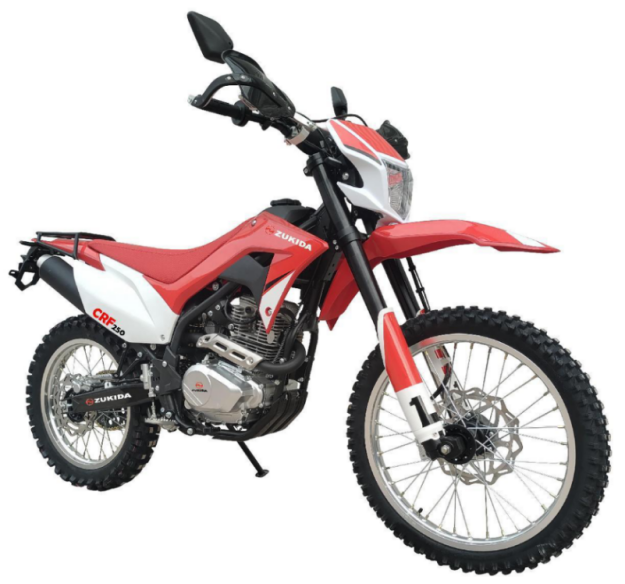
A motorcycle is a complex symphony of engineering, a delicate dance of physics, metallurgy, and design where every component must work in perfect harmony. To the casual observer, it is defined by its color, its shape, and the sound of its engine. But to an engineer, and to a discerning rider, a motorcycle is a collection of thousands of deliberate choices. It is the specific grade of steel in the frame, the precise angle of the steering head, the carefully calibrated damping of the suspension, and the exact profile of the engine’s torque curve. These choices separate a merely functional machine from one that is truly exceptional—one that inspires confidence, delivers a thrilling experience, and remains reliable for years to come. At Zukida Motorcycle Co., Ltd., we are a company of engineers, designers, and passionate riders. Our identity is forged not in marketing, but in the meticulous, thoughtful engineering that we build into every single vehicle that leaves our facility.
This 5,000-word deep dive will take you beyond the spec sheet and into the heart of our design philosophy. We will move past the “what” and explore the “why.” This is not just a catalog of our models; it is an engineer’s perspective on our fleet. We will dissect the three critical engineering ecosystems that define a motorcycle’s character: first, the foundational science of the chassis and suspension, the skeleton that dictates control and stability. Second, the heart of the machine, where we will explore our purpose-built powerplant philosophy. Finally, the crucial human connection, the science of ergonomics that ensures a perfect bond between rider and machine. Using specific models from our diverse lineup as case studies, we will reveal how a deep-seated commitment to engineering excellence, backed by a world-class manufacturing system, is the true Zukida difference. This is your invitation to see our motorcycles as we see them: as cohesive, purpose-built solutions, engineered from the ground up for your next adventure.
Part 1: The Foundation of Control – The Science of Chassis and Suspension Engineering
The single most important characteristic of any motorcycle is its handling. A rider’s confidence, control, and ultimate safety are all dictated by the complex interplay between the frame, the suspension, and the wheels. This is the motorcycle’s skeleton and muscular system. An error in its design can lead to an unstable, unpredictable machine. A well-engineered chassis, on the other hand, feels like an extension of the rider’s own body—intuitive, stable, and responsive. At Zukida, our chassis development philosophy is centered on a principle of “purpose-built geometry.” We do not believe in a one-size-fits-all approach. Instead, our R&D team meticulously designs and engineers the chassis and suspension of each model line to excel at its intended purpose, a commitment verified by the precision of our state-of-the-art manufacturing processes.
The Urban Agility Solution: Engineering for the Concrete Jungle
The urban environment presents a unique set of challenges: tight corners, congested traffic, and imperfect road surfaces. The engineering solution for this environment must prioritize agility, low-speed stability, and durability. This is perfectly illustrated in our commuter and street bike lineup.
- Case Study: The CG125 Commuter: The CG125 is a global icon of reliability, and its chassis is a masterpiece of functional engineering. We utilize a high-tensile steel, single-cradle frame. The engineering choice here is deliberate: this design is lightweight, incredibly durable, and simple to manufacture, which is a key part of our “Strategic Accessibility” pillar. The geometry features a relatively steep steering-head angle and a short wheelbase. This combination results in a motorcycle that is exceptionally nimble and easy to maneuver at low speeds, perfect for navigating dense city traffic. For the suspension, we use a traditional telescopic fork and dual rear shock absorbers. This setup is chosen for its proven reliability and ease of maintenance—critical factors for a bike that is often a vital daily tool for its owner.
- Case Study: The Xplore Street Motorcycle: The Xplore builds upon this foundation with a more modern diamond-type frame. Here, the engine is used as a stressed member of the chassis, which increases rigidity without adding significant weight. This engineering choice results in a more responsive and communicative ride, providing the rider with better feedback from the road. This enhanced rigidity improves stability at higher speeds, making the Xplore not only a great city bike but also a capable partner for weekend rides on winding country roads. It demonstrates an evolutionary step in our chassis design for riders seeking a bit more performance from their daily machine.
The All-Terrain Stability Solution: Engineering for the Unpredictable
When you leave the pavement, the demands placed on the chassis and suspension increase exponentially. The engineering must now account for massive impacts, a constant need for traction on loose surfaces, and the additional stress of carrying luggage over long distances. Our adventure and off-road lineup is a showcase of our most robust chassis engineering.
- Case Study: The Everest Adventure Bike: The Everest is engineered to be an unwavering foundation for global exploration. Its frame is a heavy-duty, reinforced steel structure designed using finite element analysis (FEA) to identify and strengthen key stress points. The geometry is completely different from our street bikes; it features a much more relaxed steering-head angle and a longer wheelbase. This engineering choice provides exceptional straight-line stability, which is crucial for rider comfort and safety during long highway miles or on fast gravel roads. The suspension is the star of the show. We utilize long-travel inverted front forks. The choice of an “inverted” design is critical: it reduces unsprung weight and increases torsional rigidity, leading to better suspension response and more precise steering in rough terrain. The rear uses a progressive-linkage monoshock system, which allows the suspension to be soft and compliant on small bumps but progressively firmer to resist bottoming out on large impacts—a perfect solution for a fully-loaded adventure bike.
- Case Study: The Defender Dirt Bike: In contrast, the Defender is engineered for pure, lightweight agility. Its chassis is a minimalist design focused on mass centralization and a slim profile. The primary goal is to make the bike feel as light and flickable as possible. The suspension has even longer travel than the Everest, but it is tuned for a much more aggressive purpose: absorbing massive jumps and high-speed impacts on a motocross track or enduro course. This is a perfect example of purpose-built engineering, where two off-road bikes can have fundamentally different chassis philosophies based on their intended adventure.
The Zukida Framework of Trust: The most brilliant chassis design is worthless if it is not manufactured with absolute precision. This is where our manufacturing heart supports our R&D brain. Every one of these frames is welded by high-precision robots in our state-of-the-art facility to ensure that the geometry designed by our engineers is perfectly replicated on every single unit. This manufacturing consistency is the final, critical ingredient that guarantees the safe, predictable, and exceptional handling of a Zukida motorcycle.
Part 2: The Heart of the Machine – The Purpose-Built Powerplant Philosophy
The engine is the heart of a motorcycle, giving it its voice, its character, and its power. However, the mark of a great motorcycle engineer is not the ability to extract the maximum possible horsepower from an engine, but the ability to shape its power delivery for a specific purpose. A motorcycle’s “powerplant philosophy” is about how it makes its power, not just how much it makes. At Zukida, we engineer our engines to be the perfect heart for their intended adventure, focusing on attributes like low-end torque for commuters, high-revving excitement for sport riders, and unbreakable reliability for all.
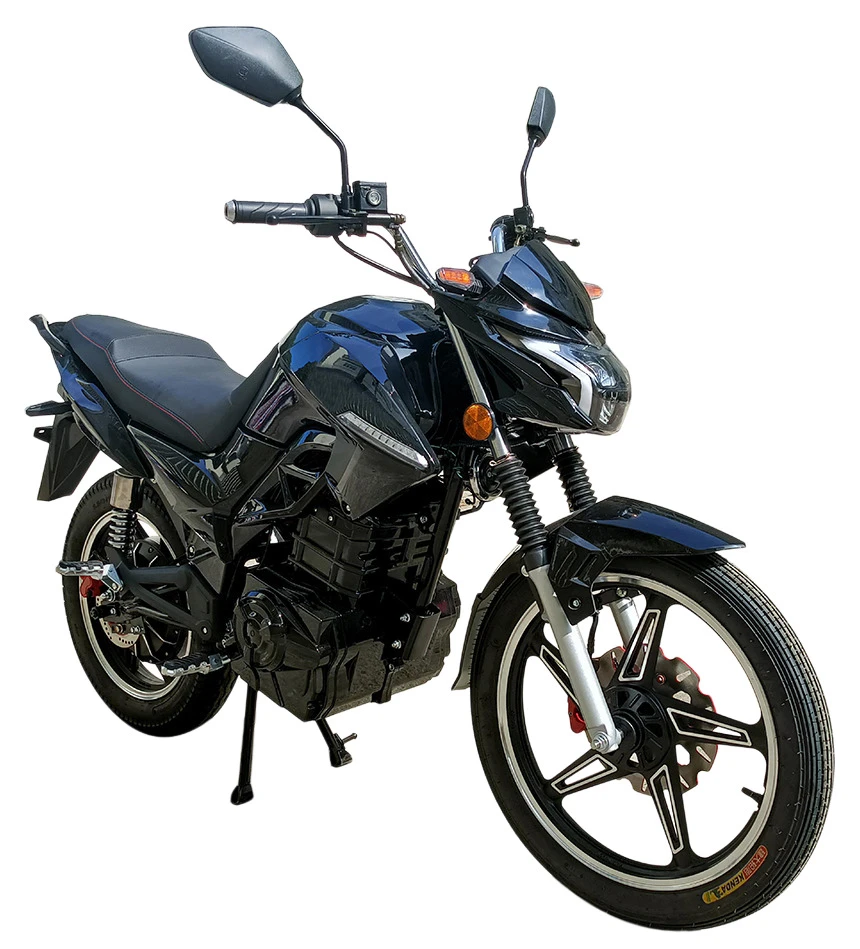
The Reliability First Solution: Engines for the Daily Grind
For a vast majority of riders in the world, a motorcycle is a tool for life. It is their transportation to work, their means of delivering goods, and the engine of their local economy. For these riders, the most important engine characteristic is absolute, unwavering reliability.
- Case Study: The Wave Cub Engine: The horizontal, single-cylinder, air-cooled engine in our Wave Cub is an engineering marvel of simplicity and durability. Every design choice is optimized for a long, low-maintenance life. It is air-cooled, which eliminates the complexity of a radiator, hoses, and water pump. It uses a simple, proven carburetor or electronic fuel injection system for maximum reliability. Its internal components are designed for low-stress operation, and its power is delivered as a smooth, predictable wave of low-end torque. This makes it incredibly easy to ride and astonishingly fuel-efficient. This powerplant is the embodiment of our commitment to providing accessible, reliable mobility for the entire world.
The Thrill-Seeker’s Solution: Engineering for Excitement
For the sport rider, the engine’s purpose is entirely different. Here, the goal is to create a powerplant that is both powerful and emotionally engaging. It needs to be responsive, eager to rev, and produce a sound that stirs the soul. This requires a different engineering approach.
- Case Study: The Shark Racing Motorcycle Powerplant: The engine in our Shark series is engineered for a thrilling riding experience. Unlike the Cub engine, this powerplant is designed to produce its peak power higher in the rev range. This is achieved through engineering choices like dual overhead camshafts, optimized intake and exhaust porting, and a lightweight piston and crankshaft assembly. The result is an engine that loves to be revved, rewarding the rider with a surge of acceleration and an exciting engine note. However, our engineers also focus heavily on creating a smooth and linear powerband. A “peaky” engine that delivers its power all at once can be difficult and intimidating to ride. By carefully tuning the fuel delivery and ignition timing, we ensure the Shark’s power is delivered in a predictable way that inspires confidence, allowing the rider to fully exploit its performance.
The Silent Torque Solution: The Electric Powertrain Philosophy
The rise of electric mobility has introduced a third, revolutionary powerplant philosophy. The electric motor’s character is fundamentally different from an internal combustion engine, and our R&D brain has been focused on harnessing its unique advantages.
- Case Study: The Supermach Off-Road E-Bike: The key characteristic of an electric motor is its ability to produce 100% of its torque instantly, from zero RPM. For an off-road rider, this is a monumental advantage. On the Supermach, this instant torque allows for incredible control and traction in slow, technical terrain. There is no need to feather a clutch or wait for an engine to build revs; the power is there the instant the rider needs it to clear an obstacle. Our engineering focus here is on the motor controller—the “brain” of the powertrain. We have developed sophisticated controller software that allows us to precisely map the throttle response, delivering this immense torque in a smooth, manageable way that prevents unwanted wheelspin and enhances rider control.
- Case Study: The Emperor Racing E-Bike: On the street, this same instant torque translates into breathtaking acceleration. The Emperor is engineered to deliver a thrilling, G-force-inducing rush from a standstill that many gasoline-powered bikes cannot match. Our R&D here focuses on battery technology and thermal management. We engineer our battery packs for high discharge rates to deliver maximum power to the motor, while also incorporating advanced cooling systems to ensure that performance remains consistent, even during aggressive riding.
The Zukida Heartbeat of Quality: A well-designed engine is only as good as its manufacturing. Every engine we build is assembled in a clean, climate-controlled environment by specialized technicians. Every internal component is measured and matched for perfect tolerances. And every single completed engine is bench-tested and dyno-run before it is ever installed in a frame. This guarantees that the heart of your Zukida motorcycle is strong, healthy, and ready for a lifetime of adventure.
Part 3: The Human Connection – The Science of Ergonomics and Rider Interface
A motorcycle can have the world’s best chassis and the most powerful engine, but if it is uncomfortable or unintuitive for the rider, it has failed. The final, critical ecosystem of motorcycle engineering is ergonomics—the science of designing the interface between the human and the machine. This is about more than just comfort; it is about control, confidence, and safety. At Zukida, we engineer the ergonomics of our motorcycles with the same deliberate, purpose-built philosophy that we apply to our frames and engines, ensuring that every bike provides a natural and confidence-inspiring connection for its intended rider.
The Rider Triangle: The Core of Ergonomic Design
The ergonomic character of any motorcycle is defined by the “rider triangle”—the spatial relationship between the seat, the handlebars, and the footpegs. By altering the dimensions of this triangle, our engineers can create a riding position that is perfectly suited for a specific style of riding.
- Case Study: The Phantom Cruiser and the Laid-Back Triangle: The Phantom is engineered for relaxed, long-distance comfort. To achieve this, we have designed a specific rider triangle:
- The Seat: It is very low to the ground, allowing for easy footing at stops and creating a “sitting-in-the-bike” feeling.
- The Footpegs: They are positioned far forward (“forward controls”), allowing the rider to stretch their legs out.
- The Handlebars: They are high and swept back towards the rider (“pullback handlebars”).
This combination creates a relaxed, reclined posture that is incredibly comfortable for cruising on open highways for hours on end.
- Case Study: The Tekken Sport Bike and the Aggressive Triangle: In stark contrast, the Tekken is engineered for high-performance control. Its rider triangle is designed for a completely different purpose:
- The Seat: It is higher and narrower, allowing the rider to easily shift their body weight from side to side in corners.
- The Footpegs: They are positioned high and to the rear (“rear-sets”), tucking the rider’s legs underneath them.
- The Handlebars: They are low and flat (“clip-ons”), positioned below the top of the forks.
This aggressive, forward-leaning posture puts more of the rider’s weight over the front wheel for better feedback and control, improves aerodynamics, and locks the rider into the bike for high-speed maneuvers.
- Case Study: The Arch Standard and the Neutral Triangle: The Arch represents the “do-it-all” solution. Its rider triangle is engineered to be a perfect neutral balance:
- The Seat: It is at a moderate, comfortable height.
- The Footpegs: They are positioned directly below the rider’s torso.
- The Handlebars: They are at a moderate height and reach.
This natural, upright riding position is the master of compromise. It is comfortable enough for long rides, provides excellent visibility for commuting in traffic, and still allows for enough body movement for spirited riding on a weekend. It is the ergonomic solution for the rider who needs their motorcycle to do everything well.
The Zukida Seal of Comfort and Control: Our commitment to ergonomics extends to the final details. We carefully select seat foam densities, handlebar grip textures, and lever positions to ensure that the rider’s interface with the controls is as comfortable and intuitive as possible. This human-centric approach is a core part of our design process and a key reason why our motorcycles feel “right” to so many different riders.
Conclusion: An Engineered Ecosystem of Excellence
From an engineer’s perspective, a Zukida motorcycle is not a product; it is a fully integrated ecosystem. It is a place where a purpose-built chassis and suspension system provides a foundation of unwavering control. It is where a meticulously tuned powerplant provides the perfect heart for a specific adventure. And it is where a scientifically designed ergonomic triangle creates a seamless and intuitive connection between the rider and the machine. These systems are not developed in isolation; they are designed, tested, and manufactured to work in perfect, symbiotic harmony.
This deep dive into our fleet reveals the true nature of “The Zukida Way.” It is a philosophy rooted in the belief that true excellence is born from deliberate, thoughtful, and purpose-driven engineering. It is a commitment that is supported by a world-class manufacturing heart and guided by an innovative R&D brain. Whether you are a new rider choosing your first bike, an experienced adventurer looking for your next challenge, or a business professional seeking a world-class manufacturing partner, you can be confident that every solution we offer is built upon this unshakeable foundation of engineering integrity. The adventure is yours to choose. The promise of an exceptionally engineered partner for that adventure is ours to deliver.
16 thoughts on “The Engineer’s Perspective: A Deep Dive into the Zukida Motorcycle Fleet”
As a distributor, finding a reliable factory is hard. The quality of topic proved that Zukida is a serious partner.
This article on topic is spot on. As a distributor, we encounter these exact market trends daily. Ride safe.
Very helpful info regarding topic.
Great insight regarding topic. I’ll be sharing this guide with my sales team for training purposes. Ride safe.
Very informative post on topic. Keep up the good work with the blog content. Keep the updates coming.
We appreciate Zukida sharing knowledge about topic. It builds trust for long-term cooperation.
Finally, a clear explanation of topic. It’s crucial for importers to understand these technical details. Cheers.
Excellent write-up. topic is indeed a major factor when clients choose a supplier. Looking forward to the next update.
Looking forward to more articles like this.
Great insight regarding topic. I’ll be sharing this guide with my sales team for training purposes.