Motorcycle Parts Counter Layout and Merchandising
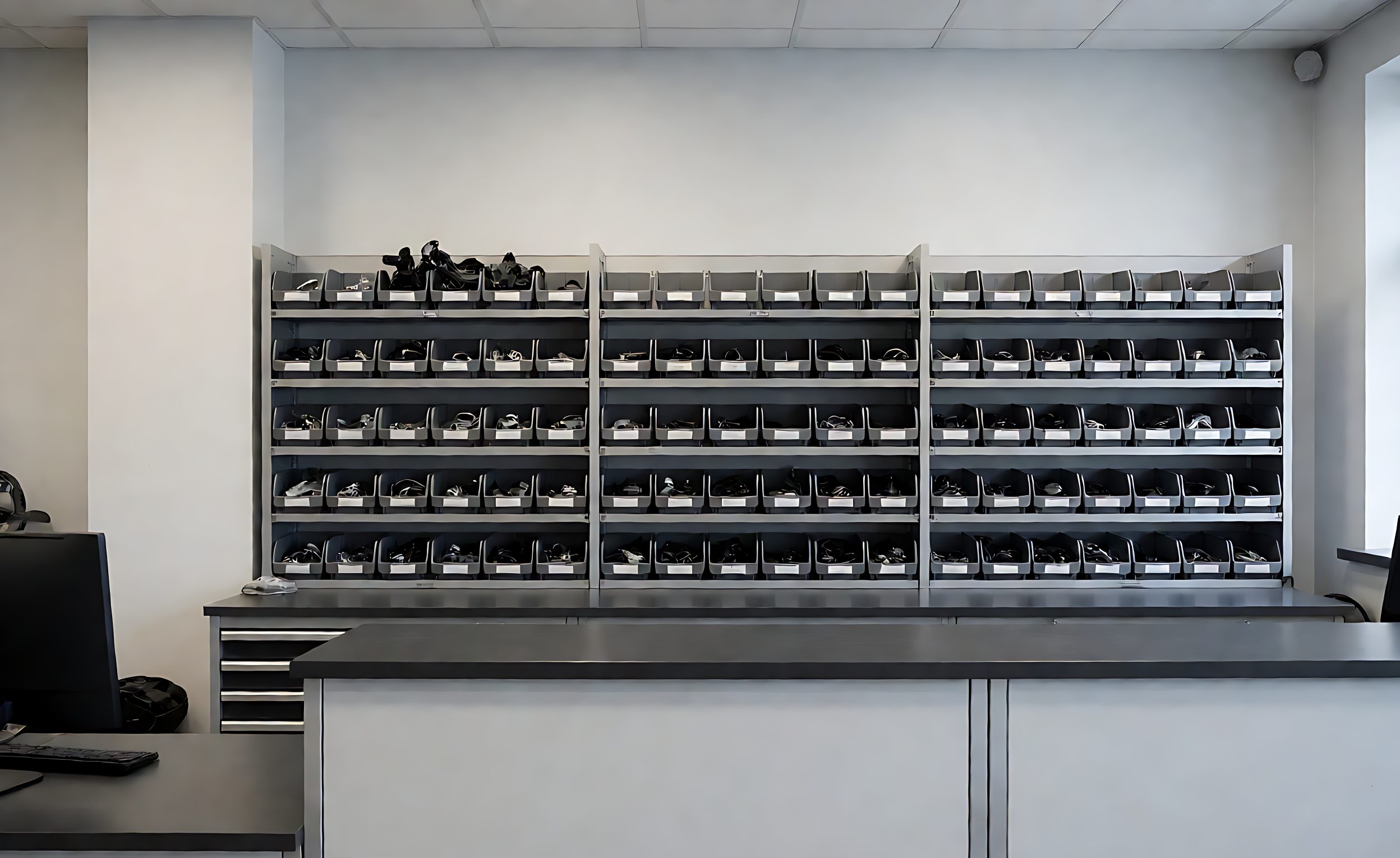
The parts counter is the least glamorous part of a motorcycle dealership and one of the most decisive. A technician waiting three minutes for a part is a technician not earning, and a customer waiting three days for a part that should have been on the shelf is a customer whose next purchase happens somewhere else. Counter performance is a function of layout, stocking and measurement, and all three are within the dealer’s control.
Distributors who treat the counter as a service to their dealers rather than a warehouse department get better fill rates, faster turnaround and fewer goodwill gestures. The starting point is understanding what actually slows a counter down.
What Slows a Counter Down
Most counter delay is search time, not stock absence. The part is in the building but cannot be found, because it is stored by supplier part number rather than by how the technician asks for it, or because a fast-moving item sits behind a slow-moving one. The fix is a layout designed around retrieval speed for the items that are picked most often.
- Frequency-based location – the top decile of picked items should be within arm’s reach of the counter; slow movers belong on upper or lower shelves.
- Naming discipline – bins labelled by function and model as well as part number, because technicians ask in the language of the bike, not the catalogue.
- Kit presence – service kits and frequently grouped items stored together to avoid multiple pick trips.
What to Stock at the Counter
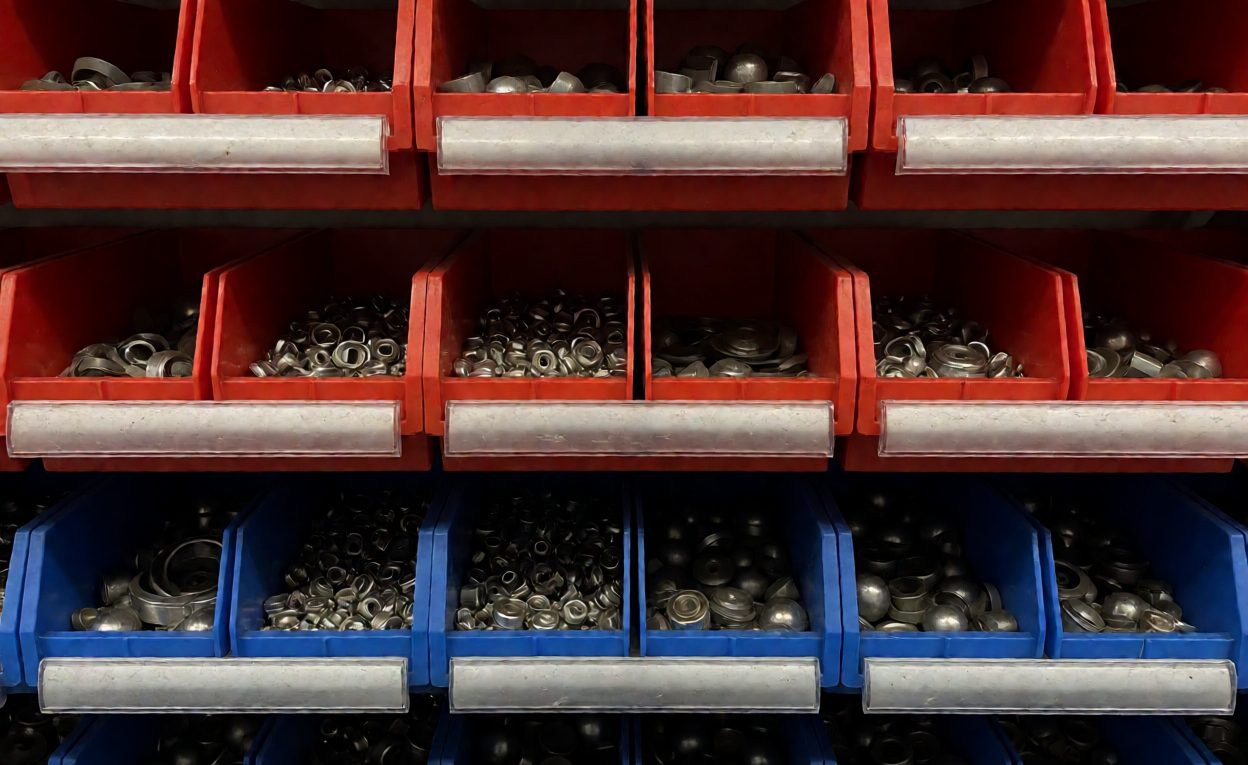
Counter stock should be defined by service demand, not by catalogue completeness. Consumables, wear items and common failure parts belong at the counter; anything that moves twice a year belongs in the back or on order. The stock keeping unit discipline that matters here is a small, fast, visible counter assortment that technicians trust, because trust is what stops them ordering parts they could have picked up.
For distributors, the lever is support: providing the counter assortment list, the bin labels and the merchandising plan as part of dealer onboarding. It costs the distributor almost nothing and improves fill rate across the whole network.
Measuring Counter Performance
Three measures describe counter health: pick time from request to handover, fill rate on counter stock, and backorder rate on requested items. Pick time is the operational measure, fill rate is the stocking measure, and backorder rate is the supplier measure. Tracked together they tell a dealer where the problem is; tracked separately they produce arguments.
The distributor view is the aggregate: which parts generate backorders across the network, and which generate none despite being stocked widely. That pattern identifies both the parts worth adding to counter assortments and the parts that are being stocked unnecessarily.
Merchandising Beyond the Counter
Retail merchandising at the counter is a separate opportunity. Accessories with visible packaging sell from the counter area; accessories in a bin at the back do not. A small, well-lit display of high-margin accessories at the counter is one of the highest-yield square metres in a dealership, and it costs nothing but layout discipline.

There is also a training dimension that layout alone cannot solve. Counter staff who know which parts are commonly confused – similar part numbers across model years, or different variants of the same component – retrieve faster and mis-pick less. A short internal reference of known confusable pairs, built from actual mis-pick incidents, is one of the cheapest improvements available. The inventory accuracy of the counter depends as much on staff knowledge as on bin labels.
Distributors can help further by standardising the merchandising across the network. When every dealer uses the same bin layout and the same label artwork, parts transfers between dealers become straightforward, counter staff move between locations without retraining, and the distributor can publish a single counter assortment list rather than negotiating one per dealer. Standardisation of this kind is invisible to customers and decisive to warehouse and counter performance.
Counter merchandising also has a seasonal element. Ahead of the riding season, accessory demand shifts towards items riders buy before they ride, and the counter assortment should shift with it rather than staying fixed all year. A seasonal review of the displayed assortment costs nothing and captures demand that a fixed layout misses entirely.
Related reading for buyers working through the same question: 125cc street motorcycle wholesale a technical guide to selecting a trusted supplier for global distribution, 125cc vs 150cc vs 250cc motorcycles how importers choose the right mix and 2024 motorcycle chain care guide pro techniques for peak performance cover the surrounding decisions this specification depends on.
Frequently Asked Questions
What is a good counter pick time?
Under two minutes for counter stock, and a stated process for anything in the back. The exact target matters less than measuring it consistently and improving it.
How large should a counter assortment be?
As small as service demand allows. A tight, fast, visible assortment outperforms a comprehensive slow one on both turnaround and cash.
Should parts be stored by part number or by model?
Both, with part number on the bin and a model-based index for retrieval. Technicians ask by bike; the catalogue answers by number.
What can a distributor provide to help?
A recommended counter assortment list, bin label artwork and a merchandising plan. These are cheap for the distributor and improve fill rate across the network.
How do I identify fast movers without software?
Track issues per bin for a month with a simple tally sheet. The distribution is usually steep enough that the pattern is obvious without analysis.
Is accessory merchandising worth the space?
At the counter, yes. Visibility at the point of service contact converts better than any other location in the dealership.
How often should counter assortment be reviewed?
Quarterly against pick and backorder data. Annual reviews leave slow movers occupying prime shelf space for far too long.