

Dirt bikes are off-road motorcycles built for trails, motocross tracks, and open ground. Choosing among dirt bikes starts with engine size, weight, and rider skill. This guide explains every class of dirt bikes and how to buy one that fits. The dirt bike overview covers the basics.

What Dirt Bikes Are Built For
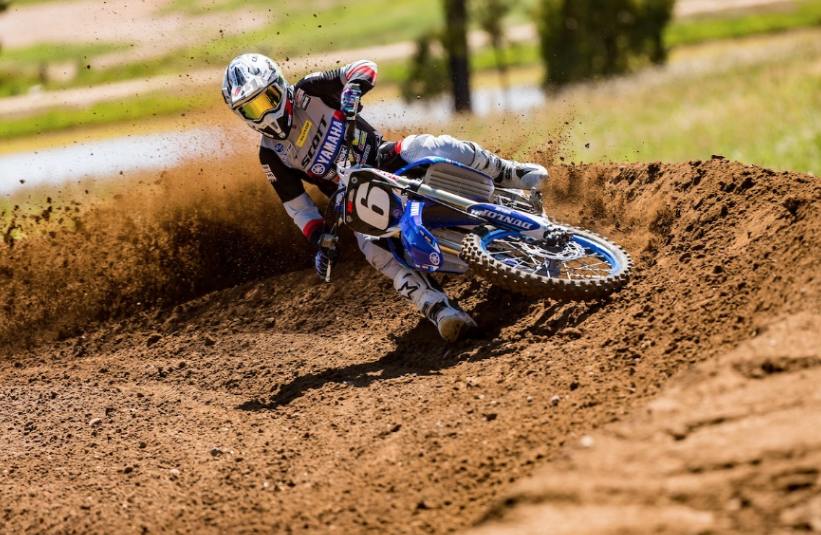
Dirt bikes share a motorcycle engine and two wheels, yet almost nothing else. Long-travel suspension, knobby tires, and light frames let dirt bikes survive jumps, rocks, and mud. A street bike would fail where these machines play.
There are two broad families. Motocross bikes race on closed loops. Trail the bike favor torque, wide gearing, and comfort for long days off-road. Our dirt-bike anatomy guide explains the engineering behind both.
Engine Sizes Across Off-road bikes
Engine size decides who a bike fits. A 50cc model suits young children. A 125cc suits teens moving up. Full-size off-road bikes start around 250cc, where adults get serious torque. Our engine-size explainer maps every class.
A 250cc machine pulls hard up hills and carries adult riders without strain. Heavier riders should shortlist the model in that class early, because smaller engines sag under load.
Two-Stroke vs Four-Stroke Off-road bikes
Two-stroke engines are light, loud, and simple to rebuild. Many racers still love them. Four-stroke these machines deliver smoother power, better fuel use, and easier trail manners, which is why they dominate sales today.
For a first bike, choose a four-stroke. The powerband is forgiving, and maintenance is less frequent. The Defender dirt bike shows a modern four-stroke platform built for export.
How to Size Off-road bikes to the Rider
Seat height matters more than engine size for control. A rider should touch the ground with the balls of both feet. If only toes reach, the bike is too tall, and drops become crashes.
Weight is the second check. A bike that outweighs the rider by too much is hard to pick up and harder to steer at slow speed. Match this class to body size first, then power.
New vs Used Off-road bikes
New the model cost more but arrive with fresh rings, chains, and bearings. You also get a warranty and a parts book. For families, that predictability is worth the premium.
Used machines can be honest bargains. Inspect the frame for weld cracks, check chain slack, and start the engine cold. Our audit protocol borrows well for private purchases too.
Sourcing Off-road bikes From China
China builds a huge share of the world’s these machines, from 50cc play bikes to 250cc racers. Buying direct cuts cost, but only with a vetted factory behind the order. Our wholesale sourcing guide walks the full import path.
Ask for cold-start video, weld photos, and a spare-parts list before any deposit. Serious exporters of the bike answer those requests within a day.
Transport and Storage Basics
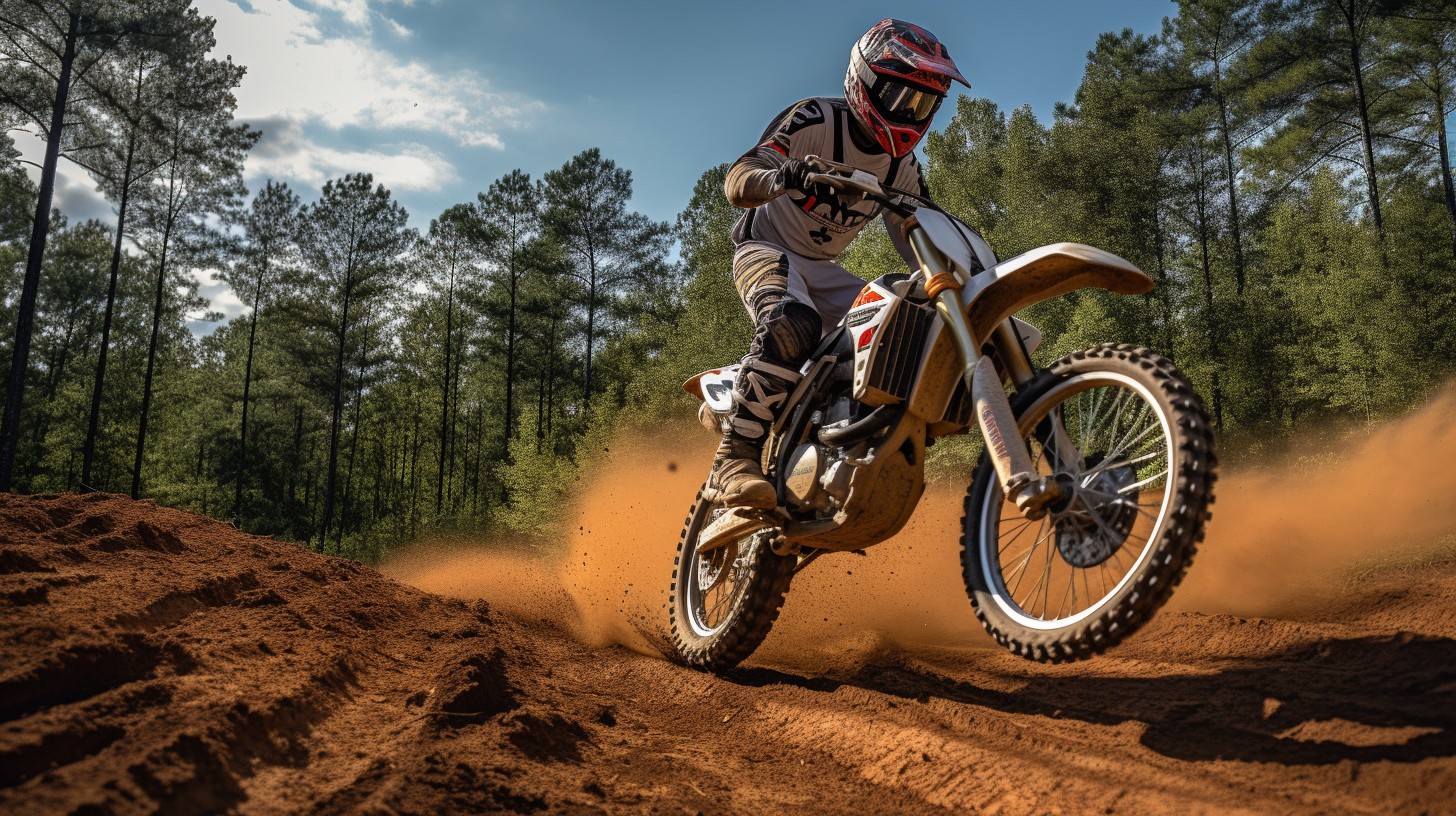
A full-size dirt bike will not fit in a sedan, so plan a trailer or a van with a ramp. Tie-downs go on the bars and rear axle, never the fenders.
Store the machine with a full tank of stabilized fuel or drained carburetor, and a battery tender if it has electric start. Two minutes of prep saves a spring of repairs.
Frequently Asked Questions
Are dirtbikes 250cc too big for a beginner?
For most adults they are manageable with a four-stroke engine, but true beginners may prefer a 150cc first and stepping up within a season.
What is a dirt bike’s service interval?
Check the chain and bolts every ride, change oil about every 10 hours of hard use, and inspect the air filter after every dusty day.
Do off-road bikes need insurance?
Off-road use often does not require road insurance, but many owners add theft and damage cover; rules vary by country.
Off-road bikes reward buyers who match size to skill and buy from proven builders. Set your budget, choose the engine class, and inspect before you pay. Explore Zukida’s dirt-bike lineup to see export-ready models across every class.
We go deeper on this in 250cc Dirt Bike Top Speed.