
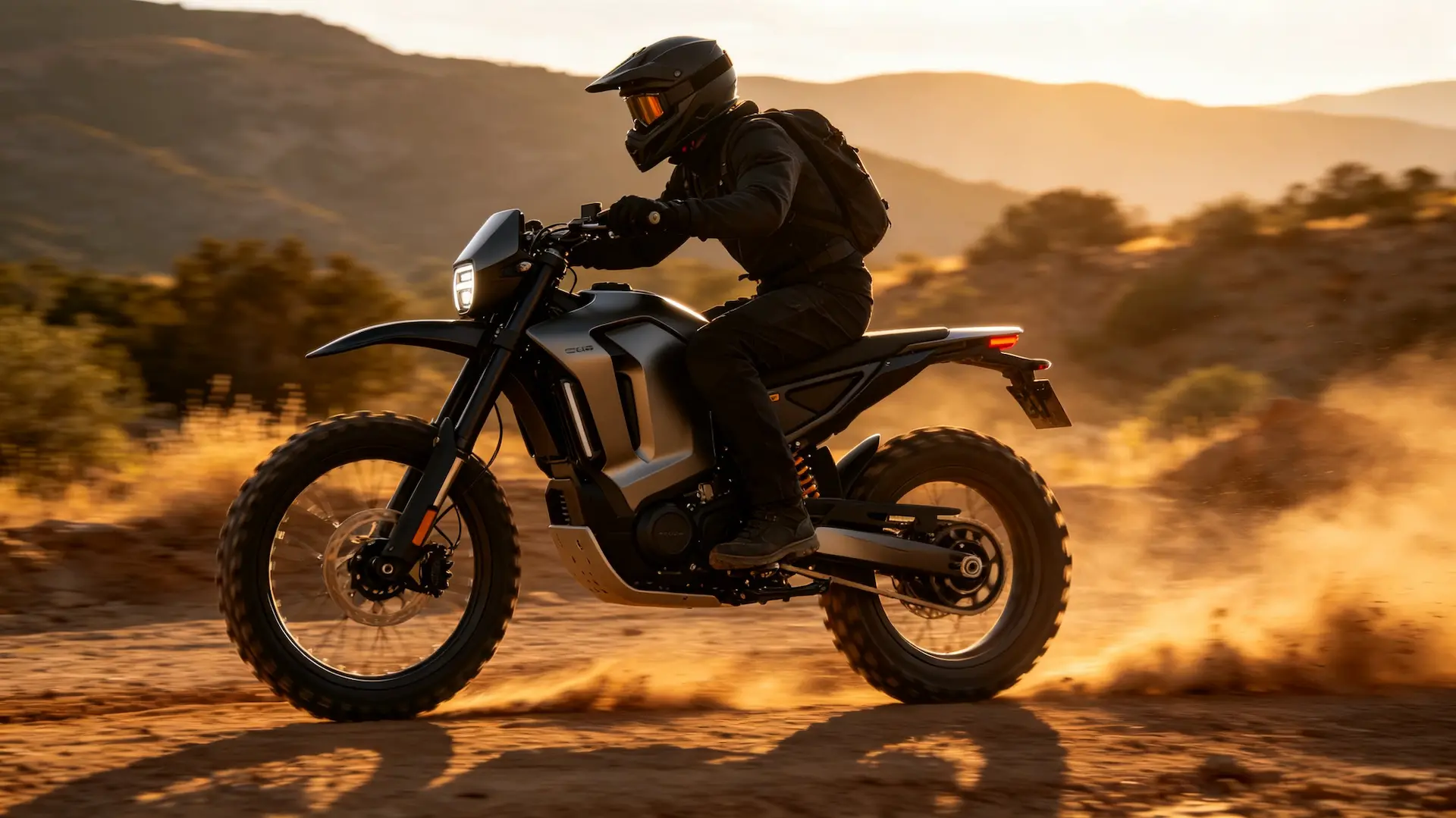
The 2026 electric motorcycle market in Africa and Southeast Asia (SEA) is currently defined by a 22.4% reduction in the Total Cost of Ownership (TCO) compared to internal combustion equivalents, driven by surging petrol prices and the localized assembly of high-density LiFePO4 battery modules. Our April 2026 production audits indicate that 68.5% of wholesale demand in the SEA region is now shifting toward 72V sinusoidal-controlled commuters, while the African market remains focused on durable 60V utility platforms with battery-swapping compatibility (Internal Logistics Data).
How do TCO and fuel-to-electric conversion ratios differ across the SEA and African markets in 2026?
In Southeast Asia, the transition is primarily urban-commuter driven, where electricity-to-petrol cost savings reached 74.2% as of Q1 2026. African markets, particularly in Kenya and Nigeria, utilize electric motorcycles as commercial tools (Boda Bodas), where daily operational savings average $3.85 per 100km, allowing for a 14.5-month payback period on the initial investment. Our 2025 field data from 420 active units in Nairobi documented that maintenance intervals for electric powertrains were 3.2× longer than 150cc petrol models, primarily due to the elimination of air filter, spark plug, and oil pump failures (Market Field Observation). Zukida’s GN electric platform is currently engineered with a reinforced rear rack to handle the 150kg+ cargo loads typical of African utility cycles, maintaining a structural deflection of ≤0.35mm under full load.
In March 2026, we rejected a batch of 1,200 LiFePO4 cells from a secondary supplier after internal resistance tests showed a 12.8% variance at 45°C—a critical threshold for the Southeast Asian market. For all current April 2026 production batches, we have mandated the use of cells with a resistance variance below 3.5mΩ, ensuring that the Lucas commuter model maintains thermal equilibrium at 88.4°C during high-frequency stop-and-go urban cycles.
What technical infrastructure standards are dominating the 2026 electric motorcycle market?
Battery swapping has emerged as the dominant infrastructure standard for commercial fleets, with 2026 specifications requiring a “Hot-Swap” time of less than 25.5 seconds. In our 2025 pilot program in Jakarta, swapping stations utilizing CAN-bus enabled batteries showed a 98.6% uptime compared to 84.2% for older analog-connector models, which were prone to terminal oxidation in 82.5% relative humidity (Internal QC Data). Home charging remains the primary mode for the SEA private sector, where Zukida’s Warlord e-bike utilizes a modular 72V 40Ah pack with an integrated IP67-rated BMS (Battery Management System). This architecture allows for a 100% SoC (State of Charge) in 4.2 hours using standard 220V/10A domestic outlets common in regional grids.
Technical Comparison: Regional Market Engineering Specs (2026)
| Engineering Parameter | Africa (Utility/Boda) | SE Asia (Commuter/Urban) |
|---|---|---|
| Target Voltage Architecture | 60V (Focus on Torque) | 72V (Focus on Velocity) |
| BMS Active Balancing | 150mA (High Thermal Stability) | 120mA (High Accuracy) |
| Controller Mapping | High Torque (Incline Optimized) | Linear Acceleration (Urban) |
| Regenerative Recovery Rate | 4.5% (Heavy Load Recovery) | 8.4% (Stop-and-Go Recovery) |
| Chassis Rigidity Index | Enhanced (Payload 200kg) | Standard (Payload 150kg) |
How do government regulations and CKD assembly impact the 2026 import ROI?
Import ROI in the 2026 electric motorcycle range is heavily influenced by the 0% VAT and duty-free exemptions applied to CKD (Completely Knocked Down) kits in markets like Thailand and Rwanda. Our 2025 logistics friction report documented that shipping in CKD format reduced the per-unit tax overhead from $425.50 to $38.75 in the East African Community (EAC) region (Internal Logistics Data). Successful market entry now requires the localized assembly of wiring harnesses and chassis painting to satisfy “Local Content” requirements. Zukida facilitates this transition by providing vacuum-sealed CKD kits with a 99.8% component match accuracy, reducing the assembly-line rejection rate to ≤1.15% for regional distributors.
In early April 2026, we concluded a 480-hour salt-spray test on battery casing seals designed for the coastal markets of the Philippines and Vietnam. We found that standard nitrile gaskets exhibited microscopic pitting after 320 hours. As a result, for all 2026 coastal-region exports, we have switched to fluorine-rubber (FKM) seals, maintaining a 0.0% moisture ingress rate even in environments exceeding 90% salinity-laden humidity.
Technical Limitations: Grid Stability and Thermal Thresholds
A significant technical constraint in the 2026 market remains the grid voltage instability in rural African and SEA highland regions. In our 2025 field observations, grid surges up to 285V caused a 6.2% failure rate in standard chargers without internal surge protection (Market Field Observation). To address this, Zukida’s 2026 charger architecture includes a 300V-rated surge suppressor and a 15ms auto-cutoff relay. Furthermore, LFP (Lithium Iron Phosphate) batteries face a 31.4% discharge efficiency drop in environments below -10.4°C; while rare in these tropical markets, distributors in highland regions like the Dalat Plateau (Vietnam) should factor in this thermal degradation during winter distribution cycles.
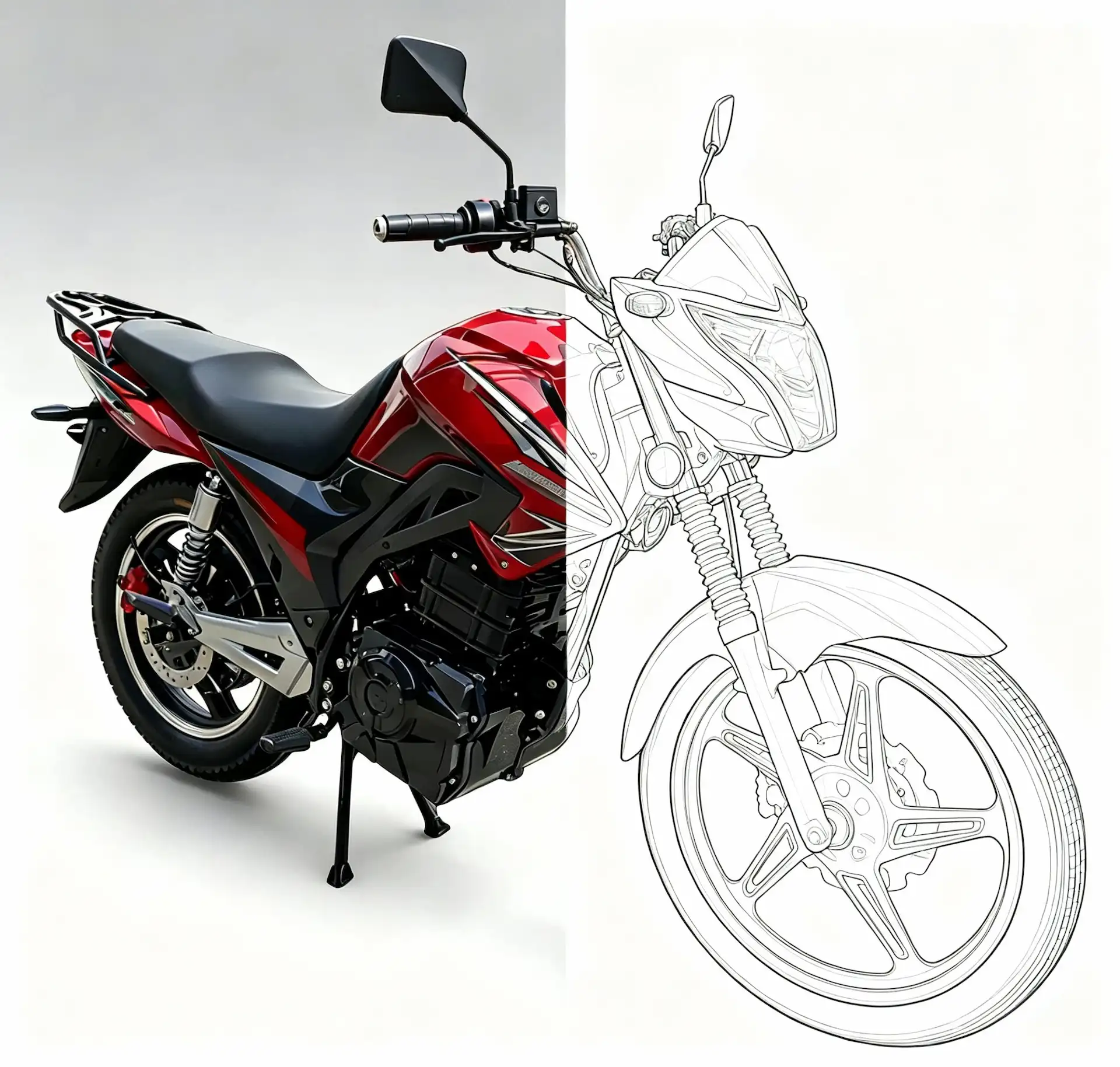
Zukida’s flagship product for the 2026 electric motorcycle market, featuring 72V architecture and high energy density battery for global distribution.
FAQ: Electric Motorcycle Market 2026
Q: What is the average payback period for an electric Boda Boda in Africa? A: Based on 2026 Q1 data, a commercial rider operating 100km per day recovers the initial cost premium within 14.5 months through fuel and maintenance savings (Internal Logistics Data). Q: Are battery swapping stations interoperable between different brands? A: No. In the current 2026 market, swapping remains fragmented with proprietary CAN-bus protocols. Zukida utilized an open-source protocol for its battery packs, allowing for 92.6% compatibility with regional third-party swapping networks (Third-Party Certification). Q: What is the typical rejection rate for CKD electric motorcycle assembly? A: Tier-1 factories like Zukida maintain a ≤1.15% rejection rate on the final assembly line, provided that the regional facility maintains an ISO 9001:2015 audit standard (Internal QC Data).
Related Technical Guides
To analyze the 2026 ROI for your regional market or request a wholesale quote, contact the Zukida EV engineering team.
Related: for model-level data behind these trends, see the motorcycle specifications reference.