
Shipping Bikes and Spare Parts Together: Mixed Container Planning
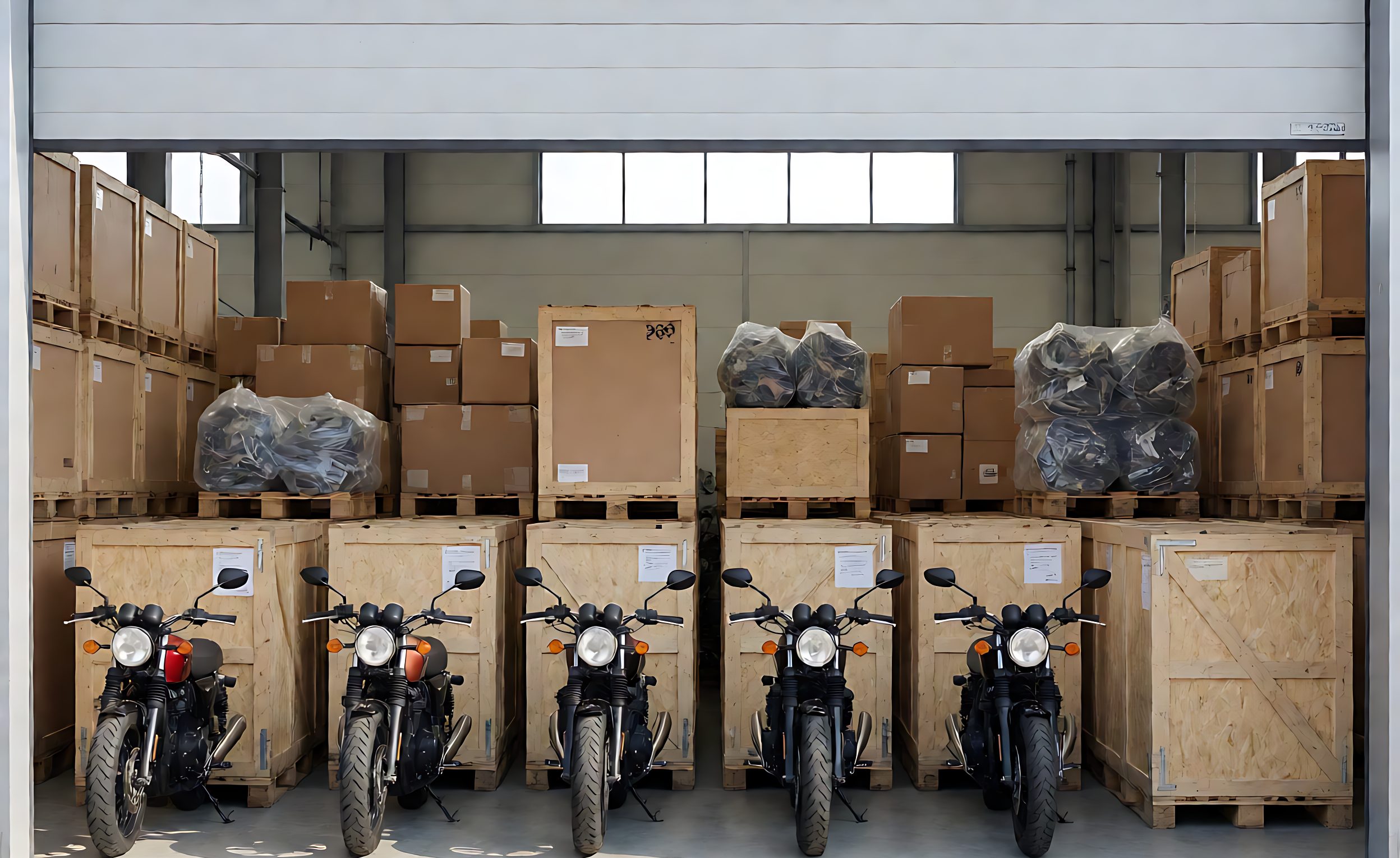
A container of complete motorcycles almost always has usable space left in it – above the crates, alongside them, and in the awkward volumes that a crate cannot occupy. Filling that space with spare parts cartons is the cheapest freight an importer will ever buy, because the container is moving anyway.
The complication is not physical, it is documentary. A mixed container needs a packing list that makes sense at destination, and a load order that allows the parts to be reached without dismantling the bike section.
What Fits Where
The physical plan follows from the crate geometry.
- Crates first: motorcycles are the primary cargo and determine the layout. They go in first and are secured.
- Parts above: where the crate height allows, cartons can be placed on top provided the crate is designed to take the load. Confirm this – not every crate is.
- Parts alongside and at the door end: the usual solution, since it keeps parts accessible for unloading first.
- Weight check: parts are dense. Adding them can push a bike container over the weight limit even when volume remains.

The weight point is the one that surprises people. A bike container that is comfortably under the payload limit can reach it with a few hundred kilograms of parts cartons, and the road limit at destination may bind earlier still. Calculate both before deciding how much to add.
Load Order and Unloading Reality
A container is unloaded in reverse order, and the plan should reflect how the receiving warehouse actually works.
- Parts first, at the door end: allows the parts to be put away without moving bikes, which is faster and avoids damage.
- Group by destination: where parts and bikes go to different sites, group them so that one can be removed without disturbing the other.
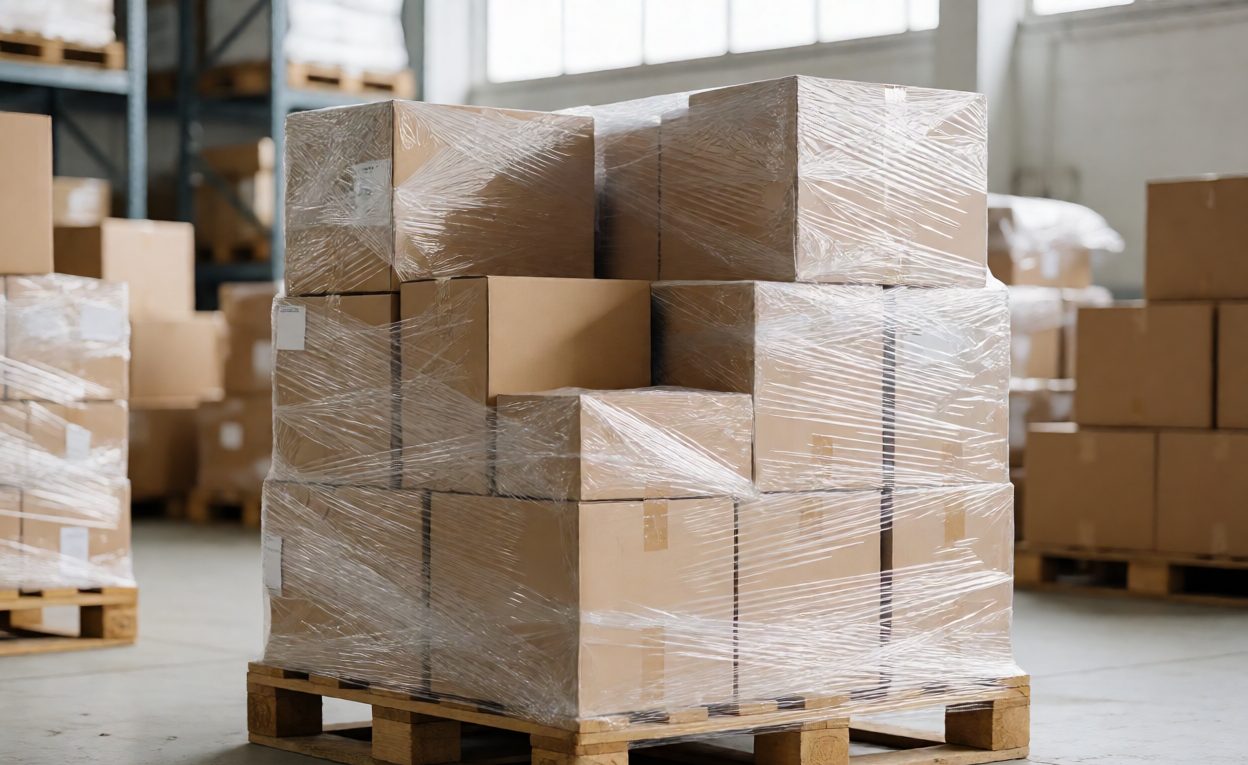
- Restraint still applies: parts cartons need restraint exactly as described in the crating and securing article. Loose cartons in the top of a container arrive damaged.
- Do not block access: the last items loaded must not prevent inspection or removal of the first.
Keeping the Packing List Usable
A mixed container generates the most documentation errors, because two different product categories are being described in one set of documents.
- Separate sections: bikes and parts listed separately, with separate subtotals, even though they share a container.
- Consistent units: units for bikes, cartons or pieces for parts, stated explicitly.
- Crate and carton numbering: continuous and matching physical markings.
- Weight and value allocation: correct per section, because customs classification differs between complete vehicles and parts.
The last point is where holds happen. Complete motorcycles and spare parts fall under different classifications and often different duty rates, and a packing list that lumps them together invites a query. Keeping the sections distinct is a small effort that removes a common delay.
How Much Parts Volume to Add
The commercial question is how much to add, and the answer should come from demand rather than from available space.
- Fill with what is needed anyway: parts that would otherwise ship later. This is free freight.
- Do not fill with speculative stock: space is not a reason to buy. A container filled with slow-moving parts has converted free freight into dead inventory.
- Respect the parts plan: the spare parts kits approach gives a defensible list of what to hold, and that list – not the empty space – should determine what goes in.
Where the importer is also consolidating orders for multiple dealers, mixing introduces a further requirement: the load must be separable by destination. That is a labelling and load-order problem rather than a space problem, and it is worth solving on paper before loading starts.
Containerised freight is charged per container, which is the whole basis of the saving. Where the parts are being sourced from a different supplier than the bikes, freight consolidation at the origin port may be required, and that has its own handling cost and timing – worth comparing against the saving before committing. And because HS codes and duty differ between bikes and parts, the duty effect of mixing should be checked in advance rather than discovered at clearance.
When Mixing Is Not Worth It
Mixing is not always the right answer. Three situations argue against it: where the parts supplier is different and consolidation cost exceeds the freight saving, where the parts are needed at a different time from the bikes, and where customs treatment of mixed consignments creates a clearance delay that costs more than the space is worth.
The second is easy to overlook. Parts added to a bike container arrive when the bikes arrive, which may be months before the parts are needed – converting free freight into premature inventory. Where parts demand is driven by a service campaign or a season, timing matters more than freight cost. In those cases a separate, smaller shipment timed to the actual requirement is usually the better decision, even though the freight rate per unit is worse. Freight rates are only one input to the decision, and the timing of the requirement is usually the one that decides it.
FAQ
Why mix parts with bikes?
Because a bike container usually has usable space left, and the container is moving anyway. It is the cheapest available freight.
What is the main risk?
Weight. Parts are dense and can push a bike container over payload or road limits.
Where should parts be placed?
Usually at the door end, so they can be unloaded and put away first without moving bikes.
Do parts cartons need restraint?
Yes. Loose cartons in the top of a container arrive damaged.
Should bikes and parts be listed separately?
Yes. Different classifications and duty rates make a combined list a common cause of customs queries.
Should space determine what parts to add?
No. Add what is needed anyway; speculative stock converts free freight into dead inventory.
What if parts come from another supplier?
Origin consolidation may be needed, with its own cost and timing that should be compared against the saving.