

Motorcycles fall under HS heading 8711, and the subheading is set by engine displacement: 8711.10 up to 50cc, 8711.20 for 50-250cc, 8711.30 for 250-500cc. Getting the subheading right decides your duty rate and whether a shipment clears at all. This guide explains the classification logic and the three checks that prevent a port delay.

How Heading 8711 Is Structured
| Subheading | Covers | Typical examples |
|---|---|---|
| 8711.10 | Not over 50cc | Mopeds, small scooters |
| 8711.20 | Over 50cc, not over 250cc | 125cc, 150cc, 200cc, 250cc |
| 8711.30 | Over 250cc, not over 500cc | 300cc, 400cc street and dirt |
| 8711.40 / 8711.50 | 500-800cc / over 800cc | Large street and touring |
| 8711.90 | Other, incl. electric | Electric motorcycles, sidecars |
The dividing lines are displacement, not marketing names. A model sold as a 250 may measure 249cc or 256cc at the bore, and that difference moves it between 8711.20 and 8711.30. Our audit guide includes the engine-stamp check.
Electric Motorcycles Classify Differently
Battery-electric motorcycles generally fall in 8711.60 under the current HS structure, separate from combustion models. Some markets apply their own national lines on top, and a few treat certain low-speed electric two-wheelers as bicycles or mopeds.
Confirm the code with your customs broker before the first shipment rather than after. A reclassification at the port costs storage days. Our CE and compliance guide covers the technical file that accompanies electric models.
Duty Is Not One Number
The applied rate depends on the destination, the trade agreement behind the origin certificate, and any local excise on engine size. Several markets add a displacement-based excise on top of customs duty, which can exceed the duty itself.
[Placeholder: to be confirmed] Exact duty and excise rates by destination must be taken from the current national tariff schedule and your customs broker; this article deliberately gives no rate figures so that no quotation is built on an assumption.
The Three Checks Before Shipping
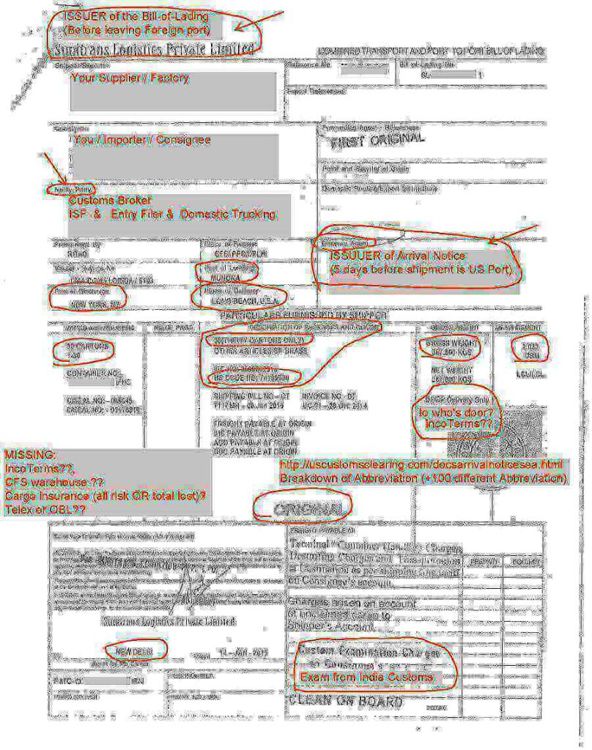
One: the commercial invoice states displacement and the HS subheading explicitly. Two: the certificate of origin matches the factory, not a trading company. Three: the VIN or frame-number list matches the packing list unit for unit.
Missing any of these turns a routine clearance into a manual inspection. Our export documentation guide lists the full document set.
When Classification Disputes Happen
Customs may re-measure displacement or question an electric model’s power rating. A pre-shipment technical dossier — homologation papers, engine drawings, and a factory test report — resolves most disputes in a day.
Ask the factory for that dossier as part of the order, not as an emergency request. Our quality documentation guide explains what a complete file contains.
Build the Code Into Your Landed Cost
Use the confirmed subheading to pull the duty and any excise, then add freight, terminal handling, and inland delivery. Landed cost is the only number that compares two suppliers honestly.
Recheck the rate each time you enter a new market; tariff schedules change annually in most destinations. The bulk purchase guide models this per unit.
Frequently Asked Questions
What is the HS code for a 150cc motorcycle?
A 150cc combustion motorcycle classifies under 8711.20 (over 50cc, not over 250cc); the exact national tariff line and duty rate must be confirmed with your customs broker.
Do electric motorcycles have a different HS code?
Yes, battery-electric motorcycles are classified in their own subheading under 8711 (commonly 8711.60), separate from combustion models, with national variations on top.
Who is responsible for correct classification?
Legally the importer of record is, which is why the commercial invoice should state displacement and subheading explicitly and why you should confirm the code with a broker before shipping.
Can the same model have different codes in different countries?
The six-digit HS subheading is harmonised, but national tariff lines, duty rates, and displacement-based excise differ by country, so the landed cost varies even when the code does not.
Classification is decided by measured displacement, and duty is decided by your market’s tariff schedule — neither should be guessed. Send us your destination country and model list, and we will return the factory’s declared subheading, displacement evidence, and the documents your broker needs to confirm the rate.
Further Reading
For deeper background, see manufacturing overview on Wikipedia and China Economic Net for industry data.