
Pre-Delivery Inspection Before Shipping: The Check That Protects Margin
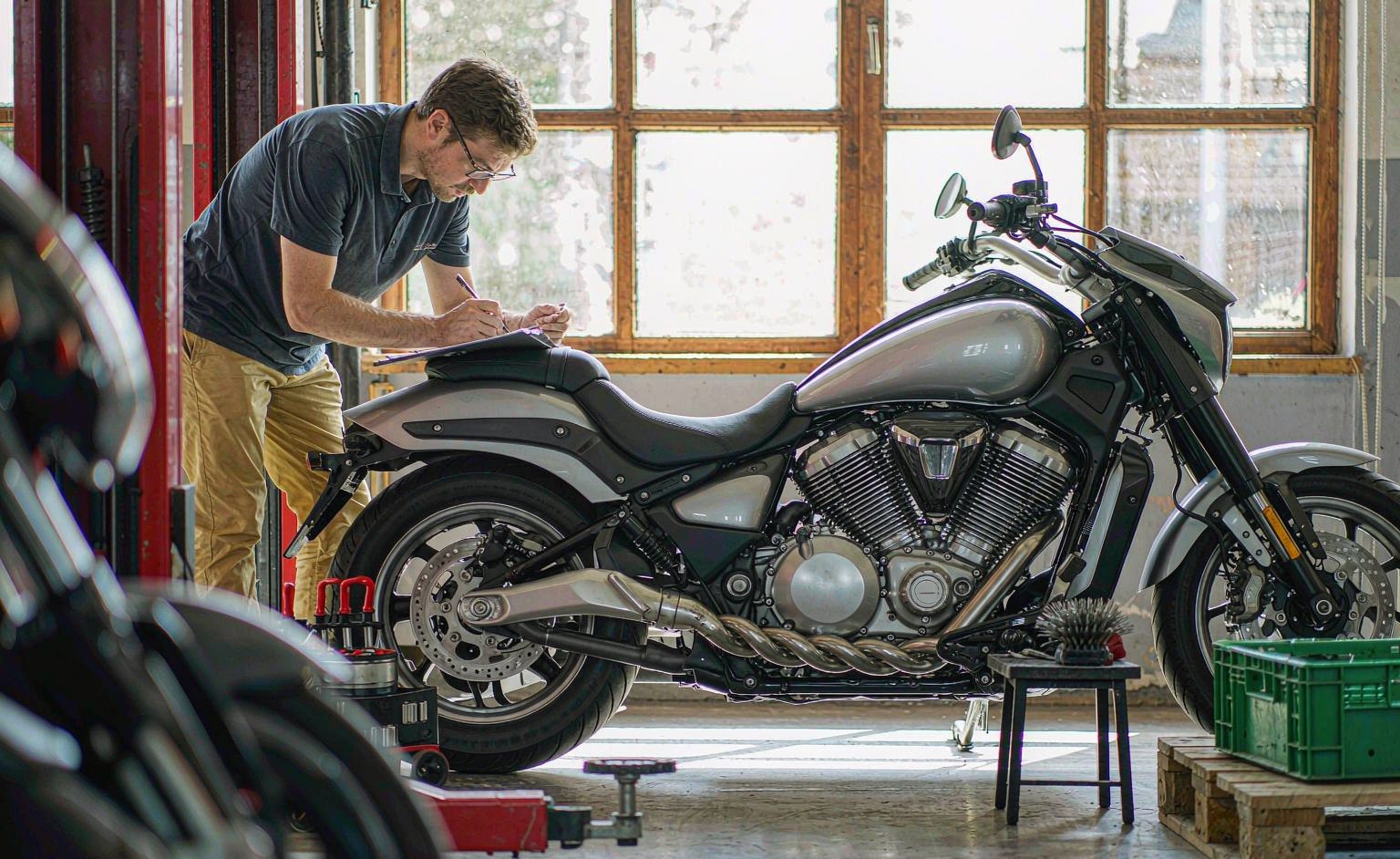
A pre-delivery inspection (PDI) is the last quality gate before a motorcycle leaves the warehouse and starts a sea voyage. Once it is on the boat, a loose bolt or a scratched panel is no longer a five-minute fix; it is a return, a refund and a reputation cost multiplied across the journey. PDI is the cheapest inspection in the whole chain precisely because it happens before the expensive part — transport — begins. Skipping it to save a day is how margin disappears.

Key Takeaways
- PDI is the cheapest gate because it precedes the costly transport step.
- Mechanical, cosmetic and documentation checks are all required, not optional.
- Defects mapped to categories show which upstream fix pays back most.
- A PDI record per VIN is what defends against disputes and claims.
- PDI follows a clean import and feeds the spare-parts plan.
What a PDI Must Cover
Three check families, and dropping any one leaves a hole.
| Family | Covers | Skipped consequence |
|---|---|---|
| Mechanical | Brakes, controls, torque | Unsafe or failing unit |
| Cosmetic | Paint, finish, damage | Customer rejection |
| Documentation | VIN, certs, packing | Customs or warranty issue |
The documentation check is the one most often dropped, yet it is what links the unit to the import certification and the product line records. Without it, a clean bike can still be a problem at the border.
Defect Categories and Payback
Recording defects by category turns PDI from a gate into a feedback loop.
| Defect category | Typical cause | Upstream fix |
|---|---|---|
| Assembly torque | Loose fasteners | Torque procedure |
| Finish | Handling, packing | Pack method |
| Component | Supplier part | Supplier action |
The category data tells you whether the problem is your assembly, your packing or your supplier, and that points to the fix with the biggest payback. The supplier issues loop back to sourcing and to the spare parts plan.
Records and Disputes
A PDI without a per-VIN record is a PDI you cannot prove happened.
| Record field | Why it matters | Gap risk |
|---|---|---|
| VIN | Unit identity | Dispute unresolvable |
| Defects found | Evidence of check | Claim denied |
| Sign-off | Accountability | No owner |
When a customer claims a bike arrived damaged, the per-VIN PDI record is what shows it left clean. That record is worth far more than the few minutes it takes per unit.
Frequently Asked Questions
What is a pre-delivery inspection?
The last quality gate before shipping: mechanical, cosmetic and documentation checks on each unit. It happens before the costly sea voyage, which is why it is the cheapest inspection to get right.
Why is PDI so important?
Because once a defect is on the boat, fixing it costs far more than at the warehouse. A return or refund after shipping destroys the margin on that unit and several others.
What does a PDI check?
Mechanical items (brakes, controls, torque), cosmetic items (paint, finish, damage) and documentation (VIN, certificates, packing). Dropping any family leaves a hole.
Why record defects by category?
Because the category shows whether the cause is your assembly, your packing or your supplier, pointing to the upstream fix with the biggest payback.
Why keep a per-VIN record?
It proves the bike left clean, which is what defends against damage claims and disputes after a long shipment.
Is documentation checking really needed?
Yes. It links the unit to its import certification and product records; without it a mechanically clean bike can still fail at the border or in warranty.
When in the flow does PDI happen?
After a clean import and before shipping, and it feeds the spare-parts plan by surfacing recurring component issues.
Technical background: vehicle inspection, motorcycle and quality control explain the inspection and quality context referenced above.